
Are you the proud owner of an Ayam Cemani, or thinking of bringing one home? If so, you’re likely eager to learn how to provide the best possible care for your feathered friend. The Ayam Cemani is a rare and unique breed, known for its striking black plumage and gentle nature. However, this breed requires specific attention when it comes to its environment, diet, and health considerations. In this article, we’ll take you through the essential aspects of caring for an Ayam Cemani, from creating a suitable enclosure to understanding their dietary needs. We’ll also cover breeding and tips for raising healthy birds. Whether you’re a seasoned breeder or a newcomer to the world of poultry keeping, this guide is designed to help you give your Ayam Cemani the care it deserves.
Introduction to Ayam Cemani
Meet the fascinating Ayam Cemani, a breed of chicken known for its unique genetic trait that’s as rare as it is remarkable. In this section, we’ll introduce you to their origins and characteristics.
Brief History of Ayam Cemani
The Ayam Cemani breed originates from Indonesia, specifically from the islands of Java and Sumatra. This rare and unique chicken breed has been a part of Indonesian culture for centuries, with its distinctive all-black appearance having significant cultural and spiritual significance. In fact, Ayam Cemani is considered one of the most valuable breeds in Indonesia due to its rarity.
Legend has it that the breed was first discovered by the local people on the island of Java, who believed that the chicken’s black coloration possessed mystical powers. As a result, Ayam Cemani was highly prized and sought after for ceremonial purposes. To this day, the breed remains a vital part of Indonesian culture, with many families keeping them as pets or for personal use.
Interestingly, it wasn’t until the 1990s that the breed began to gain popularity worldwide. Since then, Ayam Cemani has been selectively bred to enhance its unique characteristics, resulting in a more consistent and widespread availability of this remarkable breed.
Unique Characteristics of Ayam Cemani
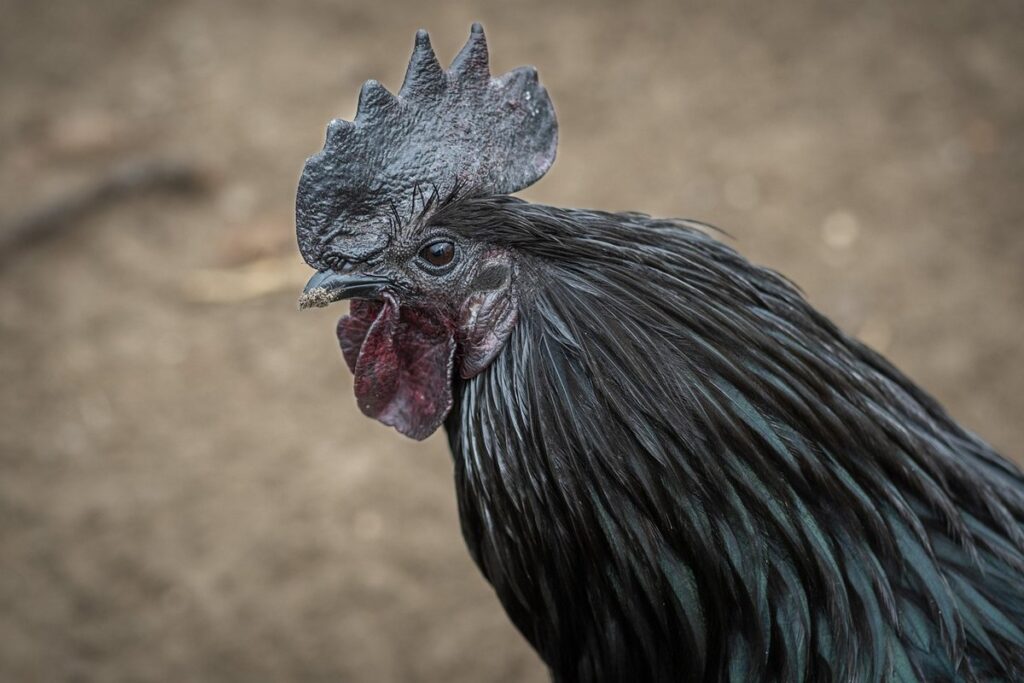
The Ayam Cemani is renowned for its striking appearance, which sets it apart from other chicken breeds. One of its most distinctive features is its all-black plumage, including its feathers, beak, and internal organs. This unique trait makes the Ayam Cemani a rare sight to behold. However, its appearance is not just limited to its physical characteristics; its temperament and behavior also set it apart.
Ayam Cemani are known for their friendly and docile nature, making them an excellent choice for families with children or for those who want a low-maintenance pet. They are also highly intelligent birds that thrive on interaction and socialization. It’s essential to provide your Ayam Cemani with plenty of attention and stimulation to prevent boredom and stress.
In terms of their specific needs, Ayam Cemani require a balanced diet rich in protein and calcium to maintain their robust health. They also need regular exercise to keep them active and engaged. Providing a spacious enclosure with adequate ventilation is crucial to ensure the well-being of your Ayam Cemani.
Environment and Housing Requirements
When it comes to keeping your Ayam Cemani happy and healthy, providing the right environment and housing is crucial. This means understanding their specific needs for a comfortable living space.
Providing a Suitable Environment
When it comes to keeping Ayam Cemani happy and healthy, providing a suitable environment is crucial. The ideal temperature for these birds is between 60°F to 75°F (15°C to 24°C), which is similar to that of other chicken breeds. However, they do prefer a more humid climate, with a relative humidity of around 50-60%. This can be achieved by placing their coop in an area with high ambient humidity or using a humidifier.
In terms of lighting, Ayam Cemani require adequate natural light to stimulate egg production and overall well-being. It’s essential to provide them with direct sunlight for at least 6 hours a day. However, if you’re keeping your birds indoors, ensure they receive enough artificial lighting to mimic the effects of natural daylight. Proper ventilation is also vital to prevent respiratory issues. You should ensure good airflow in their coop by installing windows or vents that allow fresh air to circulate.
Maintaining a clean living space is also essential for Ayam Cemani’s health and happiness. Regularly clean their coop, changing bedding materials like straw or wood shavings at least once a week. Also, keep their food and water dishes clean to prevent contamination. By providing your Ayam Cemani with an optimal environment, you’ll be well on your way to creating a happy and thriving flock.
Designing an Optimal Enclosure
When designing an enclosure for your Ayam Cemani flock, it’s essential to consider their unique needs and characteristics. First and foremost, the enclosure must be spacious enough to allow the birds to move around comfortably. A general rule of thumb is to provide at least 2-3 square feet per bird inside the coop, and a minimum of 8-10 square feet of outdoor space per bird.
In terms of layout, it’s crucial to create separate areas for feeding, drinking, and roosting. Ayam Cemani birds are social animals and appreciate having their own space within the enclosure. A nesting box should be provided for each hen, and ideally, these boxes should be placed in a quiet, dark area where the hens can lay eggs undisturbed.
Additionally, perches and roosts must be sturdy enough to support the weight of the birds, and should be placed at different levels to accommodate birds of varying sizes. When constructing the enclosure, consider using materials that are durable and easy to clean, such as metal or plastic.
Diet and Nutrition for Ayam Cemani
When it comes to feeding your Ayam Cemani, providing a balanced diet is crucial for maintaining their unique characteristics and optimal health. A well-planned diet will also support healthy feathering, which can be challenging due to the breed’s genetic makeup.
Balanced Diet Requirements
When it comes to providing a balanced diet for Ayam Cemani, it’s essential to consider their unique nutritional requirements and dietary preferences. These birds are native to Indonesia and thrive on a diverse range of food sources. A good starting point is to offer a mix of high-quality commercial pellets specifically formulated for chickens as the main staple, supplemented with fresh vegetables, fruits, and insects.
In terms of specific nutrients, Ayam Cemani require a balanced diet rich in protein (around 20-25% on a dry matter basis), calcium, and phosphorus. They also need access to omega-3 fatty acids from sources like flaxseed or fish oil. A good rule of thumb is to provide 10-15% of their daily intake as treats, which can include mealworms, crickets, or squash seeds.
It’s also crucial to note that Ayam Cemani are sensitive to antibiotics and pesticides, so opt for organic produce whenever possible. Furthermore, ensure they have access to clean, fresh water at all times. By providing a balanced diet tailored to their specific needs, you’ll be well on your way to maintaining the optimal health of your Ayam Cemani flock.
Supplements and Treats for Optimal Health
When it comes to providing optimal nutrition for your Ayam Cemani, supplements and treats can be a valuable addition to their diet. However, it’s essential to choose items that are healthy and beneficial for their specific needs.
Some excellent supplements you can consider adding to your Ayam Cemani’s diet include probiotics, which help maintain a balanced gut microbiome, and omega-3 fatty acids, which support heart health and reduce inflammation. You can also offer vitamin D supplements, especially during the winter months when natural sunlight is scarce.
For healthy treats, try incorporating fruits like blueberries, strawberries, or raspberries into their diet. These berries are rich in antioxidants and vitamins that promote overall well-being. Other options include cooked sweet potatoes, which provide essential fiber and minerals, and plain Greek yogurt, which supports digestive health.
When introducing new supplements or treats, do so gradually to prevent digestive upset. Start with small amounts and observe your Ayam Cemani’s response before making any adjustments. Remember to always consult with a veterinarian for personalized advice on the best supplements and treats for your flock.
Health Considerations and First Aid
When it comes to caring for your Ayam Cemani, accidents can happen, so it’s essential to know how to provide basic first aid in emergency situations. This section will walk you through common health issues and their treatment.
Common Health Issues Affecting Ayam Cemani
As an Ayam Cemani owner, it’s essential to be aware of the common health issues that can affect these beautiful birds. Respiratory problems are a frequent concern, particularly in young chicks and juveniles. Pneumonia and bronchitis can be caused by bacterial or viral infections, often spread through poor ventilation or contaminated feed and water.
Skin conditions such as eczema, scaly leg syndrome, and feather pecking can also affect Ayam Cemani. These issues are usually triggered by stress, nutritional deficiencies, or parasites like mites and lice. Regularly cleaning the coop, providing a balanced diet, and monitoring your birds’ behavior will help minimize these risks.
Internal parasites, including worms and protozoa, can also harm your flock. To prevent infestations, ensure proper hygiene practices are followed, and deworm regularly according to the recommended schedule. A strong immune system is key to fighting off infections, so provide a nutrient-rich diet, fresh water, and maintain a stress-free environment.
It’s crucial to recognize signs of illness in Ayam Cemani, including labored breathing, lethargy, or changes in appetite. Consult a veterinarian experienced with poultry care if you suspect any health issues to prevent complications and ensure your flock receives the best possible care.
Basic First Aid Techniques for Ayam Cemani
When it comes to caring for your Ayam Cemani, knowing basic first aid techniques is crucial in case of minor injuries or illnesses. Start by ensuring you have a clean and safe environment to treat your bird. This includes having a dedicated first-aid kit specifically designed for birds, with supplies such as gloves, disinfectant, and antiseptic wipes.
In the event of a wound, gently clean the area with lukewarm water and mild soap, then apply an antiseptic wipe or spray. For more serious wounds, apply a thin layer of antibiotic ointment to prevent infection. Keep your Ayam Cemani hydrated by providing fresh water frequently and making sure its diet is balanced.
In case of poisoning, identify the source and act quickly. If you suspect poisoning from ingested medication or toxic substances, contact your veterinarian immediately for guidance. Monitor your bird’s behavior and health closely, seeking veterinary attention if you notice any signs of distress or discomfort.
Remember to handle your Ayam Cemani gently when treating injuries, as they can be skittish and may become stressed by sudden movements.
Breeding and Reproduction of Ayam Cemani
When it comes to breeding Ayam Cemani, understanding their reproductive habits is crucial for success. In this section, we’ll delve into the specifics of Ayam Cemani breeding and reproduction.
Responsible Breeding Practices
When working with Ayam Cemani, it’s essential to prioritize responsible breeding practices to ensure the health and well-being of these remarkable birds. One crucial aspect is maintaining genetic diversity within your flock. This means selecting parents from diverse bloodlines to avoid inbreeding, which can lead to inherited health problems.
To achieve this, start by researching reputable breeders who have worked with Ayam Cemani for years. Look for breeders who prioritize health testing and selective breeding. You can also consider joining clubs or organizations dedicated to the breed, as they often provide resources on genetics and responsible breeding practices.
Another vital component is regular health testing of your birds. This includes monitoring for genetic disorders such as fibromatosis, a condition common in Ayam Cemani. Conducting DNA tests can help identify carriers and make informed breeding decisions.
Record-keeping is also essential in tracking the lineage, genetics, and health of your birds. This information will be invaluable when selecting breeding pairs or making informed decisions about individual bird care.
Caring for Chicks and Pullets
Raising chicks and pullets is an essential part of maintaining a healthy Ayam Cemani flock. When it comes to raising young birds, proper brooding techniques are crucial for optimal growth and development. Start by providing a warm, draft-free area with adequate ventilation for the chicks. A temperature range of 90-100°F (32-38°C) is ideal during the first week, gradually decreasing by 5°F (3°C) each week thereafter.
Vaccination is another critical aspect to consider. Consult with a veterinarian or poultry expert to determine the best vaccination schedule for your flock. Core vaccinations include Newcastle disease and infectious bursal disease. Nutrition plays a significant role in chick development; provide starter feed formulated specifically for young chickens, which typically contains 18-20% protein.
Monitor water intake closely during brooding as chicks require access to clean, unfrozen water at all times. Be prepared to handle potential health issues promptly, such as respiratory problems or wet droppings due to improper nutrition or sanitation. A balanced and well-managed environment ensures healthy growth into robust pullets ready for production at optimal age (around 20-24 weeks).
Tips for Raising Healthy Ayam Cemani
If you’re just starting out with your Ayam Cemani flock, here are some essential tips to ensure they grow strong and healthy under your care. Proper nutrition and regular check-ups are key.
Best Practices for New Owners
As you bring home your very first Ayam Cemani, it’s essential to establish a strong foundation for their care. New owners often underestimate the importance of routine and stress management, which can lead to anxiety in both you and your feathered friend.
To get started on the right foot, familiarize yourself with the essentials: nutrition, hydration, and exercise. Provide a balanced diet that includes a mix of grains, fruits, and vegetables. Ensure fresh water is always available, and allocate time for daily exercise, such as walks or playtime outside. This will help your Ayam Cemani adjust to their new environment and prevent boredom.
Managing stress in both you and your bird is crucial. Observe your bird’s behavior, recognizing signs of anxiety like feather plucking or vocalization. Establish a calming routine by incorporating activities that promote relaxation, such as gentle petting or soft music. By prioritizing your Ayam Cemani’s emotional well-being, you’ll create a peaceful living environment where both you and your bird can thrive.
Set aside dedicated time for regular cleaning and maintenance of their enclosure to prevent disease and maintain hygiene.
Common Mistakes to Avoid
When bringing home an Ayam Cemani for the first time, it’s easy to get caught up in excitement and enthusiasm. However, new owners often make mistakes that can have a lasting impact on their bird’s health and well-being. One of the most common errors is over-handling, which can stress out your Ayam Cemani and even lead to feather plucking.
To avoid this mistake, it’s essential to establish a gentle handling routine from the start. Allow your Ayam Cemani to come to you, and never force them to interact if they’re not in the mood. Another common oversight is providing inadequate space for exercise and movement. Ayam Cemanis are active birds that require regular opportunities to stretch their wings and explore.
When it comes to nutrition, many owners make the mistake of feeding their Ayam Cemani a standard chicken diet without considering their unique needs. Ensure you provide a balanced mix of protein-rich foods, fresh fruits, and leafy greens specifically formulated for this breed’s specific dietary requirements. With attention to these common pitfalls and by following expert advice, you can set your Ayam Cemani up for success and enjoy many happy years together.
Frequently Asked Questions
What is the ideal temperature range for an Ayam Cemani’s enclosure?
Ayam Cemanis prefer a temperate climate, with temperatures ranging from 65°F to 75°F (18°C to 24°C). Avoid placing their enclosure near drafts or extreme weather conditions. Ensure proper ventilation and insulation to maintain a comfortable environment.
How often should I clean the Ayam Cemani’s living space?
Regular cleaning is essential for maintaining the health and well-being of your Ayam Cemanis. Clean their enclosure at least once a week, removing soiled bedding, droppings, and uneaten food. Disinfect all surfaces with a poultry-safe cleaning solution to prevent disease transmission.
Can I mix Ayam Cemani with other breeds in the same flock?
While it’s possible to keep Ayam Cemanis with other breeds, ensure compatibility by introducing them gradually under close supervision. Avoid mixing breeds that are aggressive or have different temperaments. Provide enough space and resources for each bird to prevent competition and stress.
What are some common signs of health issues in Ayam Cemani?
Monitor your birds’ behavior, appetite, and droppings regularly. Look out for signs like lethargy, loss of appetite, diarrhea, or abnormal droppings. If you notice any unusual symptoms, consult a veterinarian experienced in poultry care to prevent the spread of diseases.
Can I use free-range methods to raise Ayam Cemani, or do they require more structure?
Ayam Cemanis are known for their intelligence and curiosity. While providing some freedom is beneficial, ensure their safety by fencing off predators and protecting them from extreme weather conditions. A balanced approach that combines structured living with occasional free-range time can promote healthy growth and exploration.