
The Ayam Cemani: Unveiling the Mystique of Indonesia’s Rarest Chicken Breed
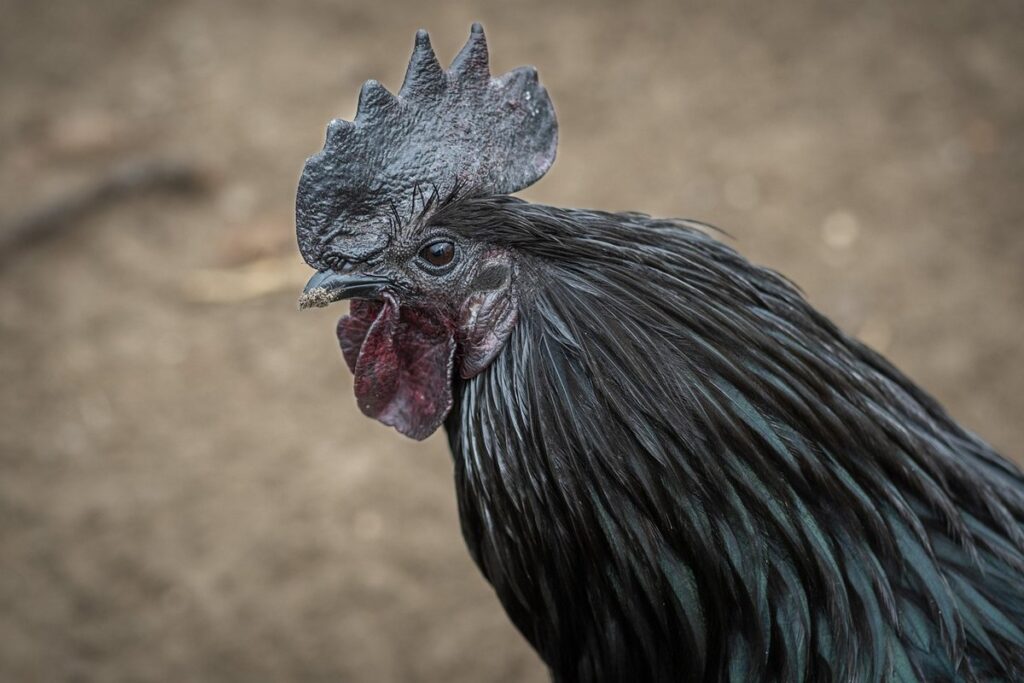
You might have heard whispers about a chicken so rare, its very existence seems almost mythical. Enter the Ayam Cemani, a breed from Indonesia that has captivated poultry enthusiasts and chicken historians alike with its striking appearance and rich cultural significance. This enigmatic bird boasts an all-black plumage, including feathers, skin, and even organs – a trait that’s not only visually stunning but also shrouded in mystery. In this article, we’ll delve into the Ayam Cemani’s history, genetics, and care requirements, uncovering what makes this breed so unique and highly prized among collectors and enthusiasts. Whether you’re an experienced chicken breeder or simply fascinated by these extraordinary birds, read on to discover the secrets behind the Ayam Cemani’s allure.
History and Origins of Ayam Cemani
Let’s delve into the mysterious history of the Ayam Cemani, where we’ll explore its roots and how it became one of the world’s most unique chicken breeds. Its origins are as fascinating as they are shrouded in secrecy.
Early Accounts and Legends
The origins of the Ayam Cemani breed are deeply rooted in ancient Javanese mythology and legends. In fact, this mysterious bird is said to have originated from the gods themselves. According to legend, the Ayam Cemani was born from a magical stone that fell from the sky, imbuing it with supernatural powers. The locals believed that this bird had the ability to bring prosperity and good fortune to those who possessed it.
The Javanese people have long revered the Ayam Cemani as a sacred animal, associated with the goddess Durga, the patron deity of fertility and prosperity. It’s said that during the full moon, the Ayam Cemani would transform into a beautiful being, symbolizing the union of male and female energies. These ancient myths and legends not only reflect the deep respect the Javanese people have for this breed but also highlight its unique characteristics as a mystical and enigmatic bird.
It’s worth noting that these stories may be apocryphal, but they do underscore the Ayam Cemani’s special status within Indonesian culture.
Historical Records and Documentation
Ayam Cemani’s existence can be traced back to Indonesia, where historical records and documentation reveal its importance within local culture. In ancient Hindu texts such as the “Mahabharata,” references to a black chicken breed similar to Ayam Cemani exist. These scriptures indicate that the bird was associated with fertility and prosperity. Indonesian folklore also speaks of a mystical connection between the Ayam Cemani and spiritual growth.
Archaeological findings have uncovered evidence suggesting Ayam Cemani’s presence in Indonesia dates back over 1,000 years. Excavations at ancient temples, such as Borobudur, have revealed chicken remains that closely resemble the Ayam Cemani breed. The unique characteristics of this breed were highly valued by Indonesian royalty and nobility.
Historical records also indicate that the Ayam Cemani was used in traditional medicine to treat various ailments. Its internal organs are said to be a deep, dark color, and the meat is believed to have healing properties. While there’s limited documentation on its specific usage, it’s clear that the Ayam Cemani has been an integral part of Indonesian culture for centuries.
Physical Characteristics and Appearance
The Ayam Cemani is a striking bird, and one of its most distinctive features lies in its unique physical characteristics. Let’s take a closer look at what makes this chicken breed so visually intriguing.
Unique Features of the Breed
One of the most striking features of the Ayam Cemani breed is its all-black appearance. But what makes this bird’s physical characteristics truly unique? For starters, not only does it have all-black plumage, but its skin and internal organs are also black. Yes, you read that right – every single part of this chicken, from beak to feathers, is pitch black.
This unusual trait is due to a genetic condition called melanism, which causes an overproduction of the pigment melanin in the bird’s body. As a result, the Ayam Cemani has no trace of white or any other color on its body. Imagine raising a chicken that looks like it’s been dipped in black ink – it’s quite a sight to behold!
The all-black appearance is not only visually stunning but also serves as a distinguishing feature that sets the Ayam Cemani apart from other breeds. In fact, the breed is often referred to as “black magic” due to its striking and mysterious appearance.
Size and Weight Variations
One of the most fascinating aspects of the Ayam Cemani breed is its remarkable size and weight variations. While this striking breed is often characterized by its small to medium size, there exists a considerable range within the strain, making it both intriguing and challenging for breeders.
For instance, some strains like the ‘Ayam Cemani Jawa’ are significantly larger than others, with roosters weighing around 1.5 kg (3.3 lbs) or more. In contrast, smaller strains such as the ‘Ayam Cemani Kacip’ typically weigh in at around 0.8-1.2 kg (1.7-2.6 lbs). These variations not only showcase the breed’s incredible adaptability but also make it essential for breeders to research and understand the specific needs of their chosen strain.
To navigate these differences, breeders can start by consulting reputable breeding programs or experienced owners who have extensive knowledge of the breed. By understanding the unique characteristics of each strain, you can tailor your care and management strategies to meet the specific needs of your Ayam Cemani flock.
Genetics and Breeding
The genetics behind the Ayam Cemani’s unique characteristics are as fascinating as they are complex, making breeding these birds a true art form. Let’s dive into what makes their genetic makeup so special.
The Science Behind the Breed’s Rare Trait
At its core, the Ayam Cemani’s striking appearance is not just skin-deep. This breed boasts a rare trait that sets it apart from other poultry: black internal organs. But what drives this genetic peculiarity? Scientists have pinpointed the genetic mutation responsible for this phenomenon to be linked to the melanocortin 1 receptor (MC1R) gene, which controls the production of melanin – the pigment responsible for skin and hair color.
Research indicates that a single nucleotide polymorphism (SNP) in the MC1R gene leads to an overproduction of melanocytes, resulting in the characteristic black pigmentation within the internal organs. This unique genetic makeup is not only fascinating but also rare, found in less than 1% of chicken breeds worldwide. The Ayam Cemani’s genetic anomaly has sparked interest among poultry enthusiasts and scientists alike, making it a topic of ongoing research.
Interestingly, this breed’s genetic uniqueness is not limited to its internal organs; the Ayam Cemani’s feathers, beak, and legs also exhibit an extreme level of melanization. This phenomenon underscores the intricate relationship between genetics and phenotype, demonstrating how a single gene mutation can significantly impact an organism’s appearance.
Selective Breeding and Its Challenges
Selective breeding is a delicate art that requires careful consideration when trying to replicate the unique characteristics of the Ayam Cemani chicken. One of the primary challenges lies in identifying and isolating the specific genetic factors responsible for the breed’s striking appearance, including its all-black skin, bones, and internal organs.
To begin the selective breeding process, it’s essential to understand that the Ayam Cemani’s genetics are complex and influenced by multiple genes working in tandem. A team of experienced breeders must carefully evaluate potential parents, considering factors such as their genetic lineage, fertility, and overall health.
Moreover, selectively breeding for this rare trait can lead to unintended consequences, including a loss of diversity within the flock. To mitigate this risk, breeders should focus on maintaining a healthy balance between selective pressure and genetic diversity. This can be achieved by introducing new bloodlines from reputable sources and implementing rigorous selection criteria to avoid overbreeding for specific traits.
By taking these precautions, breeders can successfully propagate the Ayam Cemani’s unique characteristics while preserving the integrity of the breed.
Health, Temperament, and Care
When it comes to bringing home an Ayam Cemani, understanding its unique needs is crucial. Let’s dive into the specific health considerations, temperament traits, and care requirements for these enigmatic birds.
Overview of Health Concerns and Common Issues
When it comes to owning an Ayam Cemani chicken, health concerns and common issues are essential considerations. One of the primary health concerns associated with this breed is its susceptibility to Marek’s disease, a viral condition that can be fatal if left untreated. Regular vaccination and strict biosecurity measures can help mitigate this risk.
Other potential health concerns include reproductive issues, such as difficulty breeding or poor fertility rates, which may require specialized care and attention from experienced breeders. Additionally, the Ayam Cemani’s unique genetic makeup can make it prone to certain health issues, like feather pecking or cannibalism, particularly in large flocks.
It’s also crucial to note that the Ayam Cemani’s dark-colored skin can hide signs of illness or injury, making regular inspections and monitoring essential. To ensure the best possible care for your birds, work closely with a reputable breeder or veterinarian who has experience with this breed. Regular health checks, proper nutrition, and a stress-free environment will help minimize potential health concerns and keep your Ayam Cemani flock thriving.
In terms of common issues, some owners may encounter difficulties when introducing the Ayam Cemani to their existing flock due to its strong temperament. Patience and careful integration can make all the difference in a harmonious coop dynamic.
Temperament and Socialization
Ayam Cemani chickens are known for their unique appearance and intriguing personality. Their temperament is often described as gentle, calm, and friendly, making them an excellent addition to families with children. However, like all breeds, proper socialization from a young age is crucial to ensure they grow into confident and well-adjusted adults.
Socialization should start immediately after hatching, when the chicks are most receptive to new experiences. Introduce them to various sights, sounds, and environments, including other birds and animals, to help them develop good coping mechanisms. Handle them regularly to familiarize them with human touch and promote trust.
Some Ayam Cemani owners have successfully integrated their chickens into households with existing pets, such as dogs and cats, by following a gradual introduction process. For example, they may start by keeping the animals in separate rooms before gradually increasing their interaction time under supervision.
To ensure your Ayam Cemani chicken grows into a well-adjusted adult, spend quality time with them daily, engage in play, and provide a stimulating environment that encourages exploration and exercise. By doing so, you’ll be rewarded with a loyal companion and a beautiful addition to your family.
Nutrition and Dietary Requirements
Ayam cemani chickens have unique nutritional requirements due to their genetic makeup. These birds are naturally prone to obesity, so it’s essential to limit their food intake and focus on high-quality feed that is nutrient-dense.
A balanced diet for ayam cemani should include a mix of grains such as oats, barley, and rice, along with protein sources like beans, peas, or chicken meal. However, avoid overfeeding them as this can lead to health issues. It’s also crucial to provide fresh fruits and vegetables daily to ensure they get essential vitamins and minerals.
One key consideration is their need for extra calcium due to the high incidence of metabolic bone disease in the breed. You can add crushed oyster shells or cuttlebone to their feed to boost calcium levels. Another important aspect is to provide clean, fresh water at all times to prevent dehydration. Regularly monitoring their weight and adjusting their diet accordingly will help maintain your ayam cemani’s overall health and well-being.
Ayam cemi chickens are also sensitive to antibiotics and pesticides in food, so opt for organic or non-GMO feed whenever possible. By paying close attention to these dietary requirements, you’ll be able to keep your ayam cemani healthy and thriving.
Cultural Significance and Symbolism
Beyond its striking appearance, the Ayam Cemani has also become imbued with rich cultural significance, reflecting the values and traditions of its Indonesian heritage. Let’s delve into what makes this breed truly special.
The Breed’s Importance in Indonesian Culture
In Indonesian culture, the Ayam Cemani holds a revered position due to its unique characteristics and mystique. The breed is often featured in traditional ceremonies and rituals, where it’s believed to possess spiritual significance. During weddings, for example, Ayam Cemani are presented as gifts to the newlyweds, symbolizing good fortune and prosperity.
In many Indonesian villages, you can still witness the Ayam Cemani being used in ancient rituals aimed at warding off evil spirits. In these ceremonies, the breed is often adorned with sacred symbols or talismans believed to enhance its spiritual powers. While the specifics of these practices may vary, one common thread remains – the Ayam Cemani’s role as a conduit between the physical and spiritual realms.
For those interested in incorporating the Ayam Cemani into their cultural practices, here are some steps to follow: learn about local customs and traditions surrounding the breed; participate in or assist with traditional ceremonies; or even consider raising an Ayam Cemani for its spiritual significance.
Symbolic Meanings and Associations
In various cultures around the world, the Ayam Cemani chicken has been imbued with symbolic meanings and associations that transcend its origins. In Indonesia, where this breed is native, it’s believed to possess spiritual significance, often being associated with prosperity, good fortune, and a connection to the divine. Many Indonesians consider the Ayam Cemani a symbol of fertility and abundance, reflecting the country’s rich agricultural heritage.
Globally, the Ayam Cemani has become an iconic representation of uniqueness and exclusivity. Its striking appearance, particularly its all-black feathers, eyes, and internal organs, has led to associations with mystery and enigma. Some people see the breed as a metaphor for individuality, where one’s true value lies not in their external characteristics but in their inner essence.
In many cultures, the Ayam Cemani is also associated with spiritual growth, introspection, and self-awareness. Its distinctive appearance is seen as a reminder to look beyond the surface level and explore the depths of one’s own soul. By embracing this symbolism, enthusiasts can cultivate a deeper understanding of themselves and their place in the world.
For those drawn to the Ayam Cemani’s mystique, it’s essential to understand that its symbolic significance extends far beyond its physical attributes. By acknowledging and respecting these cultural associations, breeders and owners can tap into the true essence of this enigmatic bird.
Modern-Day Keeping and Availability
Today, you can find Ayam Cemani chickens in many parts of the world, from backyard farms to high-end poultry exhibits, thanks to their increasing popularity. Breeder networks have made these unique birds more accessible than ever before.
Breeder Networks and Resources
If you’re captivated by the Ayam Cemani’s unique characteristics and want to bring one into your flock, finding a reputable breeder is crucial. To do this, you’ll want to explore established breeder networks and resources that specialize in this rare breed.
Start by researching online forums and social media groups dedicated to chicken enthusiasts, where you can connect with experienced breeders and learn from their experiences. The Ayam Cemani Club International (ACI) is a great resource for finding reputable breeders and staying up-to-date on the latest breeding practices. This organization offers a breeder directory, which allows you to search for local breeders who specialize in Ayam Cemani chickens.
Additionally, you can also explore resources like BackYard Chickens or The Chicken Keeper’s Network, which provide valuable insights and advice from experienced breeders. When reaching out to potential breeders, be sure to ask about their breeding program, health guarantees, and the quality of their birds. This will ensure that you find a reputable source for your new Ayam Cemani chicken.
Tips for Successful Keeping and Management
Keeping an Ayam Cemani can be a rewarding experience, but it requires attention to its unique needs. To manage this breed successfully, start by providing a spacious and well-ventilated coop that protects against the elements. Ensure adequate lighting, as Ayam Cemanis are sensitive to extreme light conditions.
Nutrition is also crucial; these birds require high-quality feed rich in protein and calcium. Supplement their diet with fresh fruits and vegetables to promote overall health. A balanced mix of grains, vitamins, and minerals will help maintain strong bones and feathers.
To manage the breed’s distinctive characteristics, such as its dark skin and organs, consider a separate area for breeding and incubation. This helps prevent cross-contamination and ensures the purity of the bloodline. Regular veterinary check-ups are essential to monitor their health and detect any potential issues early on.
Finally, be prepared to invest time in maintaining your Ayam Cemani’s coat. Regular grooming sessions will help prevent matting and tangling, keeping their plumage clean and shiny. With patience, care, and attention to detail, you can successfully keep and manage these enchanting birds.
Frequently Asked Questions
Can I keep Ayam Cemani chickens as pets, or are they exclusively bred for their meat?
Yes, with proper care and attention, it’s possible to keep Ayam Cemani chickens as pets. However, it’s essential to note that this breed requires specialized care due to its unique characteristics and rare trait. You’ll need to provide a suitable environment, nutritious diet, and regular veterinary check-ups to ensure their well-being.
Are there any health concerns I should be aware of when breeding or keeping Ayam Cemani chickens?
Yes, as with any rare breed, Ayam Cemani chickens may be more prone to certain health issues due to inbreeding. Regular monitoring, genetic testing, and a balanced breeding program can help minimize the risk of inherited conditions. It’s also crucial to maintain good hygiene, provide a nutritious diet, and ensure access to clean water.
Can I purchase an Ayam Cemani chicken from a reputable breeder, or do I need to import one?
While some breeders specialize in Ayam Cemani chickens, importing them may not be feasible due to regulations and quarantine requirements. It’s recommended to contact reputable local breeders or join a poultry enthusiast community to explore available options for purchasing this rare breed.
What are the best methods for socializing my Ayam Cemani chicken, considering its unique temperament?
Ayam Cemani chickens can be friendly and docile, but their temperament may vary depending on handling and exposure. To ensure your bird is well-socialized, start with early interaction, gentle handling, and consistent routine. Gradually introduce it to new environments, people, and other animals under controlled conditions.
Can I breed Ayam Cemani chickens successfully without extensive experience in poultry breeding?
While it’s possible to learn and succeed as a breeder, raising Ayam Cemani chickens requires dedication, patience, and attention to detail. Beginners may benefit from guidance from experienced breeders or mentors to navigate the challenges of selective breeding, genetics, and health management specific to this rare breed.