
If you’re a farmer looking to diversify your egg-laying flock or a home cook eager to try new recipes, then Aylesbury duck eggs are definitely worth considering. These unique eggs have been prized for centuries not only for their rich flavor but also for their versatility in the kitchen. With a slightly larger size and thicker shell compared to other breeds, Aylesbury duck eggs offer a distinct culinary experience that’s waiting to be explored. In this article, we’ll delve into the rich history of these special eggs, highlight their one-of-a-kind characteristics, and share creative ways to incorporate them into your cooking repertoire. Whether you’re an experienced chef or just starting out, get ready to discover the hidden gems of Aylesbury duck eggs and unlock a world of flavor possibilities.
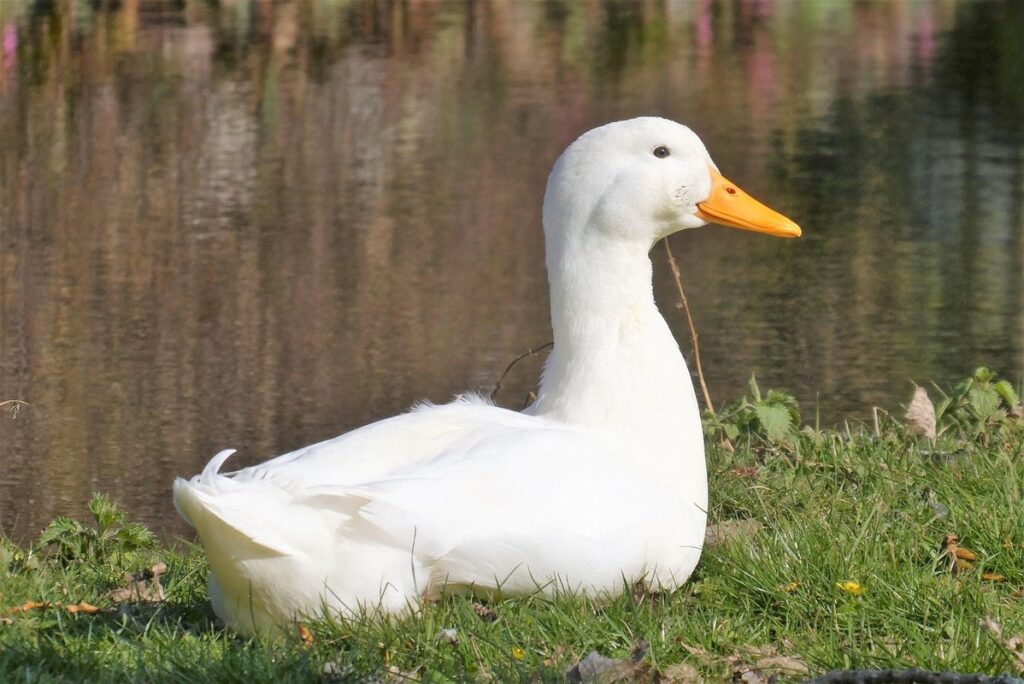
History of the Aylesbury Duck
The Aylesbury duck has a rich history that dates back centuries, and understanding its origins is essential to appreciating this unique breed. Let’s dive into the fascinating story behind the Aylesbury duck.
Origins of the Breed
The Aylesbury duck has its origins deeply rooted in Buckinghamshire during the 19th century. The breed was developed to thrive in the local climate and became a staple on many farms in the region. Its early beginnings were marked by a focus on providing high-quality eggs, which soon earned it recognition among farmers.
As agriculture practices improved, the Aylesbury duck’s popularity grew exponentially. Its ability to lay an average of 300 large white eggs per year made it a highly sought-after breed for many farms. The ducks’ unique temperament also contributed to their widespread adoption – they were known to be relatively low-maintenance and easy to manage.
One key factor that played a significant role in the Aylesbury duck’s rise to fame was its adaptability. Farmers appreciated how well-suited it was to the local environment, allowing for efficient production without the need for extensive modifications to their existing systems. By the mid-19th century, the breed had become synonymous with high-quality eggs and remained a beloved choice among farmers for generations to come.
Development of the Breed Characteristics
As the popularity of the Aylesbury duck grew, breeders began to focus on refining its characteristics through selective breeding. The goal was to create a duck that excelled in three key areas: docility, egg-laying ability, and feather quality. To develop these traits, breeders relied on careful selection and cross-breeding.
For instance, breeders sought out ducks with calm temperaments and bred them together to produce offspring that inherited their gentle nature. This selective breeding helped to create a duck that was not only easy to handle but also tolerant of children and other pets.
In terms of egg-laying ability, breeders looked for ducks that produced large, dark brown eggs regularly. They then crossed these birds with other lines that shared similar characteristics, resulting in offspring that surpassed the original parents’ egg-laying capacity. As a result, Aylesbury ducks became renowned for their impressive egg production.
Meanwhile, breeders worked to enhance feather quality by selecting ducks with lush, soft plumage. By crossing these birds with others that boasted vibrant colors and lustrous feathers, they were able to create ducks with stunning appearance. Today’s Aylesbury duck eggs are still prized for their exceptional characteristics, which owe a debt of gratitude to the careful breeding practices of their ancestors.
Characteristics of Aylesbury Duck Eggs
One of the most notable characteristics of Aylesbury duck eggs is their distinctive shape and size, which sets them apart from other types of eggs. Their unique appearance is just one reason why chefs and cooks love working with Aylesbury duck eggs.
Eggshell Thickness and Quality
One of the most distinctive features of Aylesbury duck eggs is their exceptionally thick and hard shells. This remarkable characteristic provides excellent protection against breakage, making them a favorite among chefs and home cooks alike. But what exactly contributes to this impressive eggshell thickness and quality?
Several factors come into play, including the breed’s unique physiology and the laying hen’s diet and living conditions. Aylesbury ducks are known for their robust health and strong bones, which is reflected in the strength of their eggs’ shells. The hens also require a balanced diet rich in calcium and other essential nutrients to produce high-quality eggshells.
For consumers, this means that Aylesbury duck eggs can withstand rough handling and are less likely to crack during transportation or storage. When purchasing Aylesbury duck eggs, look for vendors who prioritize the welfare of their laying hens and source their feed from reputable suppliers. This will not only ensure the quality of the eggs but also support sustainable agriculture practices.
Yolk Size and Richness
Aylesbury duck eggs are renowned for their generous yolk size and exceptional richness. This is largely due to the unique reproductive physiology of female Aylesbury ducks. Unlike other breeds, Aylesbury ducks produce a higher number of yolks per egg due to an increased number of ova within their ovaries.
The result is a larger, more nutritious yolk that’s bursting with flavor and color. In culinary applications, this means that Aylesbury duck eggs can hold their shape better when cooked and provide a deeper, richer taste experience in baked goods. Chefs often use them to add an extra layer of richness to sauces and custards.
When cooking with Aylesbury duck eggs, it’s essential to recognize the difference in yolk size. Due to their larger size, they can take slightly longer to cook through than smaller yolks. To avoid overcooking, gently heat the egg in a water bath or use a thermometer to monitor internal temperature.
Incorporating Aylesbury duck eggs into your cooking repertoire is a great way to elevate dishes and add an extra layer of flavor and nutrition.
Uses of Aylesbury Duck Eggs
Now that you’re familiar with the unique characteristics of Aylesbury duck eggs, let’s explore some practical uses for these versatile eggs in your cooking and baking.
Baking and Pastry Applications
When it comes to baking and pastry applications, Aylesbury duck eggs truly shine. Their large size allows for more egg volume in recipes, resulting in moist and tender baked goods. The rich flavor of these eggs also adds depth and complexity to a variety of sweet treats.
One of the key benefits of using Aylesbury duck eggs in baking is their high moisture content. This means that they will keep your cakes, cookies, and pastries hydrated for longer, reducing the need for additional liquid ingredients. Try substituting 2-3 large Aylesbury duck eggs into your favorite pound cake recipe – you’ll be amazed at how tender and flavorful the result is.
Aylesbury duck eggs also work beautifully in pastry dough, where their high moisture content helps to create a flaky, buttery texture. For example, try using them in a classic croissant or Danish pastry recipe for an added layer of flavor and tenderness.
In addition to these practical benefits, Aylesbury duck eggs can add a touch of luxury to your baked goods. Their rich, creamy flavor is reminiscent of high-end desserts like crème brûlée or creme caramel. To take full advantage of this unique flavor profile, try using Aylesbury duck eggs in a dessert recipe that showcases their natural sweetness – such as a decadent chocolate cake or a fruit tart.
Cooking Methods and Recipes
Aylesbury duck eggs are incredibly versatile, making them an ideal ingredient for various cooking methods. One of the most popular ways to prepare them is through poaching. This delicate method brings out the egg’s creamy yolk and tender white without overpowering flavors. To poach Aylesbury duck eggs, bring a pot of water to a gentle simmer and add a tablespoon of vinegar to help set the whites. Crack an egg into the water and cook for 3-5 minutes or until the whites are set.
Frying is another excellent way to showcase the richness of Aylesbury duck eggs. When scrambled, they provide a fluffy, moist texture that’s hard to resist. Simply heat some oil in a pan over medium heat, crack an egg into it, and let it cook for 2-3 minutes or until the whites are set and the yolks still slightly runny. A popular variation is adding diced vegetables like spinach or mushrooms to create a more substantial dish.
Some other cooking methods to explore include baking, grilling, and making omelets. Baked eggs provide an excellent way to showcase the egg’s flavor with minimal effort – simply crack the egg into a preheated ramekin and bake for 12-15 minutes.
Health Benefits of Aylesbury Duck Eggs
Aylesbury duck eggs are not just a tasty addition to your breakfast plate, but they also offer numerous health benefits that can boost your overall well-being and provide a rich source of essential nutrients. Let’s explore these advantages in more detail.
Omega-3 Content and Fatty Acid Profile
Aylesbury duck eggs are an excellent source of omega-3 fatty acids, particularly EPA and DHA. These essential nutrients play a crucial role in maintaining heart health, reducing inflammation, and promoting brain function. A study published in the Journal of Nutrition found that consuming 1-2 eggs per day can provide up to 70mg of omega-3s, making Aylesbury duck eggs an excellent addition to a healthy diet.
The fatty acid profile of Aylesbury duck eggs is comprised of:
* EPA (eicosapentaenoic acid): 40-50% of the total fat content
* DHA (docosahexaenoic acid): 20-30%
* ALA (alpha-linolenic acid): 10-15%
This profile makes Aylesbury duck eggs an excellent choice for individuals looking to increase their omega-3 intake. When choosing Aylesbury duck eggs, look for those that are pasture-raised or come from hens fed a diet rich in omega-3s. This will ensure the highest levels of these essential nutrients. Consider incorporating Aylesbury duck eggs into your breakfast routine by making omelets, frittatas, or scrambled eggs with spinach and avocado – a perfect combination to reap the benefits of omega-3s!
Other Nutritional Considerations
In addition to their high levels of omega-3 fatty acids, Aylesbury duck eggs are also rich in essential vitamins and minerals that make them an excellent addition to a balanced diet. For instance, these eggs are an excellent source of vitamin D, which is vital for maintaining strong bones and teeth.
They are also a good source of choline, a nutrient that plays a crucial role in brain function and metabolism. In fact, studies have shown that consuming foods rich in choline can improve memory and cognitive function.
Furthermore, Aylesbury duck eggs are an excellent source of protein, containing about 7 grams per large egg. This makes them an ideal option for individuals looking to increase their daily protein intake without relying on supplements.
It’s also worth noting that the yolks of Aylesbury duck eggs contain a higher proportion of vitamins and minerals compared to their white counterparts. So, when choosing to use these eggs, consider using the whole egg rather than just the whites to reap the maximum nutritional benefits.
Raising Aylesbury Ducks for Egg Production
If you’re interested in collecting eggs from your own Aylesbury ducks, raising them specifically for egg production is a great approach to consider. Let’s explore how it can be done effectively.
Breeding and Management Strategies
When it comes to raising Aylesbury ducks for egg production, breeding and management strategies play a crucial role. One of the most important considerations is selecting healthy birds that will thrive in your environment. Look for ducks with good egg-laying potential, strong feathering, and a robust constitution.
For optimal feeding, provide a balanced diet rich in protein and calcium to support eggshell development. A mix of grains, vegetables, and fruits can be supplemented with commercial duck feed or pellets. Fresh water should always be available, and ensure the flock has access to shade and shelter from extreme temperatures.
To maximize egg production, manage your flock’s stress levels by maintaining a clean living environment and providing regular health checks. Consider implementing a rotation of breeding pairs every 3-4 years to maintain genetic diversity and prevent inbreeding. By following these strategies, you’ll be well on your way to raising healthy Aylesbury ducks that will deliver the high-quality eggs you’re looking for.
To promote egg-laying consistency, establish a routine feeding schedule and provide adequate nesting boxes (at least one per 3-4 birds). Regularly collect eggs from the nesting boxes to prevent breakage and encourage continued production.
Health Considerations and Disease Prevention
As you work towards raising healthy Aylesbury ducks for egg production, it’s essential to consider their specific health needs and implement effective disease prevention strategies. One of the most significant health considerations is managing their water quality. Aylesbury ducks are prone to respiratory problems due to dirty or contaminated water, so regular cleaning and replacement of their water source is crucial.
In addition to maintaining good hygiene practices, it’s also vital to monitor your flock’s feed intake and ensure they’re receiving a balanced diet. Aylesbury ducks are known to be prolific foragers, but in confinement settings, they require a nutrient-rich layer feed that meets their specific needs. Make sure to include supplements like grit and oyster shells to support their digestive health.
Regular vaccinations against common diseases such as avian influenza, Newcastle disease, and Marek’s disease can also help protect your flock. Consult with a veterinarian or experienced breeder to determine the best vaccination schedule for your Aylesbury ducks.
Conclusion
Now that we’ve explored the history and characteristics of Aylesbury duck eggs, let’s summarize our findings and offer some final thoughts on their value.
Recap of Key Takeaways
As we conclude our exploration of the Aylesbury duck egg, let’s take a moment to recap the key points that make this egg a valuable addition to any kitchen or farm. Whether you’re an experienced farmer or just starting out, understanding the history and characteristics of the Aylesbury duck egg can help you maximize its potential.
Firstly, we’ve discussed the rich history behind the Aylesbury duck, which dates back to 18th-century England. Its unique characteristics, including a gentle temperament and high fertility rate, have made it a sought-after breed among farmers and enthusiasts alike. The egg itself boasts an impressive size and thickness, with an average weight of around 60-65 grams.
In terms of uses, the Aylesbury duck egg is not only a great choice for eating fresh but also lends itself well to various cooking methods. From boiling and poaching to making omelets and frittatas, this versatile egg is sure to become a staple in your kitchen. Additionally, its robust shell makes it an excellent candidate for preserving through pickling or candying.
When incorporating the Aylesbury duck egg into your daily routine, keep in mind that they can be more expensive than other breeds. However, their exceptional quality and nutritional profile justify the extra cost. With proper storage and handling, you can ensure these eggs remain fresh for an extended period, allowing you to enjoy them whenever you like.
To get started with using Aylesbury duck eggs, consider experimenting with different recipes that showcase their unique flavor and texture. Whether you’re making a hearty breakfast dish or creating a show-stopping dessert, this egg is sure to add an extra layer of excitement to your culinary endeavors.
Frequently Asked Questions
How do I source Aylesbury duck eggs for my recipes or farm?
You can source Aylesbury duck eggs from local farmers’ markets, specialty grocery stores, or online egg suppliers that carry heritage breeds. Consider reaching out to local farms directly to inquire about availability and potential partnerships. When purchasing, look for eggs with the “Aylesbury” label or ask the supplier about their breed origin.
Can I raise my own Aylesbury ducks on a small farm or homestead?
Yes, raising Aylesbury ducks can be a rewarding experience, especially if you have experience with poultry care. Ensure you provide adequate space, nutrition, and health checks for your flock. Research local regulations regarding backyard farming and consider consulting with a veterinarian or experienced duck breeder to ensure a successful start.
What are some creative ways to use Aylesbury duck eggs beyond the recipes mentioned in the article?
Aylesbury duck eggs can be used in various savory dishes, such as making quiches, frittatas, and strata. Experiment with adding them to soups, stews, or braises for added richness. They’re also an excellent choice for pickling or making egg salad.
Are Aylesbury duck eggs a good option for commercial egg production due to their larger size?
Yes, the larger size of Aylesbury duck eggs can be beneficial for commercial egg producers looking to increase revenue. However, it’s essential to consider factors such as feed costs, flock management, and market demand when deciding whether this breed is suitable for your operation.
Can I use Aylesbury duck eggs in place of chicken eggs in most recipes without affecting the final product?
No, while you can substitute Aylesbury duck eggs in many recipes, their richer flavor and slightly firmer texture may alter the outcome. It’s best to start by substituting a small portion of the recipe with duck eggs and adjust accordingly to achieve the desired result.