
As a backyard chicken enthusiast or new parent to a brood, you’re likely no stranger to the joys of raising baby chicks. But when your adorable little fluffballs refuse to eat, it’s natural to worry about their health and growth. Why do baby chicks stop eating in the first place? The good news is that this common issue can be prevented or easily addressed with some expert-approved tips and tricks. In this article, we’ll delve into the world of chick nutrition, exploring the reasons behind picky eating habits and sharing actionable solutions to ensure your chicks grow strong and healthy. From identifying potential causes to implementing strategies for prevention, you’ll learn everything you need to know to support your baby chicks’ development and get them back on track with their feeding schedule.
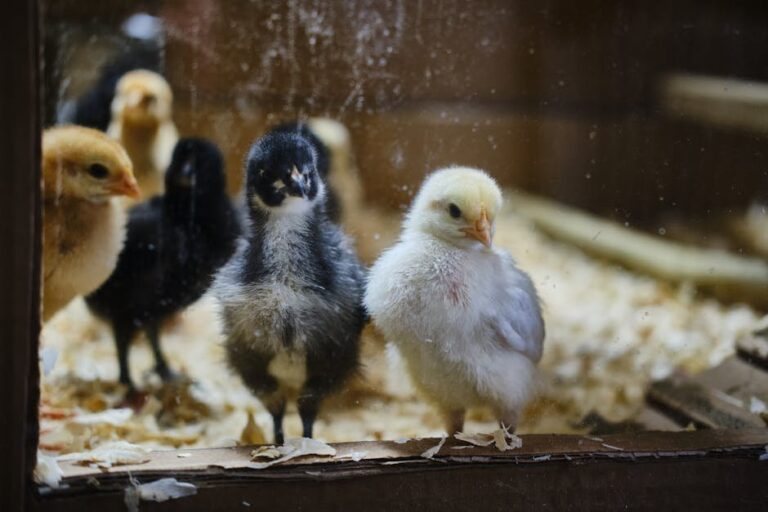
Understanding Why Baby Chicks Stop Eating
When your baby chicks stop eating, it can be a worrying sign of an underlying issue. In this section, we’ll explore the common reasons behind their lack of appetite and how to address them effectively.
Normal Fasting Periods in Chicks
Identifying normal fasting periods is crucial when it comes to determining why baby chicks might be refusing food. Chickens, especially baby chicks, are natural fasters and may stop eating periodically due to various reasons such as migration instincts or simply getting enough nutrients from their feed. A normal fasting period for a chick can range from 8-24 hours, depending on the breed and age of the bird.
In most cases, chicks will start showing signs of hunger after a fasting period, such as pecking at food or exhibiting increased activity levels. However, if they are not eating after 24 hours or seem lethargic during this time, it may be a cause for concern. To determine whether your chick’s fasting is normal or abnormal, keep an eye on its overall behavior and appetite.
If you notice any unusual behavior such as excessive feather plucking, labored breathing, or signs of dehydration, consult with a veterinarian immediately. Keep in mind that some breeds are more prone to fasting than others, so it’s essential to research the specific needs of your flock to ensure they’re getting enough nutrients during these periods.
Recognizing Signs of Starvation or Malnutrition
If you suspect that your baby chicks are not eating due to starvation or malnutrition, it’s crucial to recognize the physical and behavioral signs early on. A chick suffering from malnutrition may appear dull and lethargic, with a loss of appetite and energy.
Some common indicators of malnutrition in chicks include:
* Lethargy and depression
* Weight loss or failure to gain weight at a normal rate
* Decreased egg production (in females)
* Poor feather growth or dull plumage
* Increased susceptibility to diseases
Behavioral changes can also signal that your chicks are not eating properly. Watch for signs such as:
* Reduced activity levels and avoidance of social interaction
* Changes in appetite, with chicks picking at food instead of eating enthusiastically
* Disinterest in treats or supplements
If you notice any of these symptoms, it’s essential to take immediate action to ensure your chicks receive the necessary nutrients. A balanced diet is crucial for their growth and development, so consult with a veterinarian or poultry expert to create a customized feeding plan that meets their needs.
Common Causes of Baby Chicks Not Eating
Baby chicks not eating can be a worrying sight, so it’s essential to identify the underlying causes, which we’ll explore next. Let’s take a closer look at some common reasons why baby chicks may refuse food.
Health Issues: Infectious vs. Non-Infected Diseases
When it comes to baby chicks not eating, health issues are often at the root of the problem. Two main categories of health issues affect baby chicks: infectious diseases and non-infected conditions. Let’s take a closer look at each.
Infectious diseases such as Marek’s disease can be devastating for chick flocks. This viral condition affects young chickens, causing symptoms like loss of appetite, weight loss, and eventually, paralysis or death. If you suspect Marek’s disease, it’s essential to consult a veterinarian immediately. They will likely recommend isolation and quarantine procedures to prevent the spread of the virus.
On the other hand, non-infected conditions such as metabolic bone disease can also lead to chick lethargy and loss of appetite. This condition occurs when chicks don’t receive adequate calcium and phosphorus in their diet, causing brittle bones and muscle weakness. To prevent metabolic bone disease, ensure your feed contains the right balance of nutrients, and provide a grit-rich environment for your chicks to crunch on.
Regular health checks are crucial to identifying these issues early on. Keep an eye out for any changes in appetite, behavior, or physical condition, and seek veterinary advice if you notice anything unusual.
Nutritional Deficiencies
Nutritional deficiencies can be a common cause of baby chicks not eating. A balanced diet is crucial for their growth and development, but even minor imbalances can lead to decreased appetite or refusal to eat. Some of the key nutritional deficiencies that may affect baby chick appetite include:
* Protein deficiency: Baby chicks require a minimum of 20% protein in their feed to support muscle growth and repair. Without adequate protein, they may lose interest in food.
* Vitamin D3 deficiency: This vitamin is essential for calcium absorption, which supports bone development. A lack of vitamin D3 can lead to softening of the bones, causing chicks to avoid food.
To identify nutritional deficiencies, it’s essential to provide a starter feed that meets their nutritional needs. Choose a high-quality commercial starter feed that contains 20% protein and adequate amounts of vitamins and minerals. Regularly inspect your chicks’ droppings and overall health to ensure they’re receiving the necessary nutrients. If you notice any signs of malnutrition, such as soft or pale bones, consult with a veterinarian for guidance on supplementing their diet.
Monitoring feed intake and adjusting it accordingly is also crucial. Keep an eye out for individual chicks that appear lethargic or reluctant to eat. Address these issues promptly by offering fresh water, a clean feeding area, and ensuring they have access to nutrient-rich feed at all times.
Environmental Factors Contributing to Lack of Appetite
When it comes to your baby chicks not eating, environmental factors can play a bigger role than you think. This includes everything from temperature and humidity to lighting and ventilation.
Temperature Extremes: Too Hot, Too Cold
Temperature extremes can be particularly challenging for baby chicks, as they are sensitive to fluctuations in temperature. If the environment is too hot, it can cause the chicks to become lethargic and lose their appetite. On the other hand, if the environment is too cold, it can lead to a loss of energy and a decrease in feed intake.
In ideal conditions, baby chicks require a warm and draft-free environment with temperatures ranging from 90-100°F (32-38°C) for the first week after hatching. After this initial period, the temperature can be gradually reduced to around 70-80°F (21-27°C). It’s essential to maintain these optimal temperatures to ensure the chicks’ overall health and well-being.
To achieve the right temperature, you can use heat lamps or brooders in cold environments. Conversely, in hot climates, it’s crucial to provide adequate ventilation and shade to prevent overheating. By maintaining a stable and comfortable environment, you’ll be able to encourage your baby chicks to eat and thrive.
Stressors: Noise, Handling, Changes in Environment
When it comes to raising baby chicks, environmental factors can significantly impact their willingness to eat. One of the primary stressors that can affect a chick’s appetite is noise. Loud sounds, whether from other animals, machinery, or even human voices, can cause chicks to become anxious and stressed, leading them to avoid food altogether. To minimize the impact of noise on your chicks’ eating habits, it’s essential to provide a quiet and peaceful environment. This can be achieved by placing their enclosure in a secluded area away from loud sounds or using white noise machines to mask distracting noises.
Changes in environment can also cause stress in baby chicks, making them hesitant to eat. Introducing new animals or people into the flock can be particularly distressing for young chicks. To minimize disruptions, introduce new additions gradually and under close supervision. Additionally, maintaining a consistent daily routine can help your chicks feel secure and reduce anxiety related to changes.
Handling is another critical aspect of environmental stressors that can affect baby chicks’ appetite. Gentle handling is essential when interacting with young birds to avoid causing them undue stress or anxiety. When feeding your chicks, make sure to handle them carefully, supporting their body weight and avoiding sudden movements. By being mindful of these environmental factors and implementing strategies to minimize stress, you can encourage your baby chicks to eat and thrive.
Assessing and Managing Appetite Issues
When you notice that your baby chicks aren’t eating, it’s essential to assess their appetite issues quickly, which is exactly what we’ll be covering next. Let’s dive into some practical tips to help you manage this problem effectively.
Observations: Watching Chick Behavior
When assessing whether your baby chicks are eating sufficiently, it’s essential to observe their behavior without stressing them out. To do this, approach your flock calmly and quietly, allowing them to become accustomed to your presence before observing their feeding habits.
Observe the chicks’ behavior around food: Are they pecking at the feed enthusiastically, or do they seem hesitant? Do some chicks appear more interested in foraging than others? Note which breeds tend to be most active during mealtime and whether any individual chicks are lagging behind.
Look for signs of fullness, such as a rounded belly or a decrease in pecking behavior. Also, consider the feed’s quality and presentation: Is it fresh, clean, and easily accessible? Make sure you’re offering the correct type and amount of food for your flock’s age and breed specifications.
Take note of any chicks that appear particularly interested in water or show signs of discomfort while eating. These observations will help guide you as you investigate potential causes of decreased appetite and implement solutions to ensure your baby chicks are eating sufficiently.
Dietary Adjustments and Supplements
If you’ve tried to stimulate your baby chicks’ appetite with different brooders, toys, and even live insects, but they still refuse to eat, it’s time to take a closer look at their diet. A well-balanced starter feed is essential for baby chicks, but sometimes adding or adjusting certain nutrients can make all the difference.
One of the most common dietary adjustments you can make is to add probiotics to your chicks’ feed. Probiotics are beneficial bacteria that help promote healthy digestion and immune function. You can either purchase a pre-mixed probiotic supplement or simply add a small amount of plain yogurt or kefir to their starter feed (about 1-2% of the total feed).
Another option is to try adding some fresh vegetables, like leafy greens or carrots, to their diet. Chicks love to forage and eating a variety of foods will encourage them to explore different tastes and textures. Just be sure to introduce new foods gradually to prevent digestive upset.
You can also consider supplementing with calcium and phosphorus-rich items like crushed eggshells, oyster shells, or even crushed cuttlebone to support strong bone development. Remember, always follow the recommended dosages and consult with a veterinarian or poultry expert if you’re unsure about making any changes to your chicks’ diet.
Prevention Strategies for Keeping Baby Chicks Healthy and Eager to Eat
To keep your baby chicks healthy and eager to eat, it’s essential to establish a solid foundation of good habits from day one. This includes ensuring their environment is clean, dry, and well-ventilated.
Proper Housing Conditions: Light, Ventilation, Space
When it comes to raising healthy baby chicks, providing proper housing conditions is crucial for their overall well-being and appetite. A well-designed coop with adequate light, ventilation, and space can make all the difference in keeping your chicks happy and eager to eat.
First and foremost, ensure that your coop receives sufficient natural light. Baby chicks need UV rays to synthesize vitamin D3, which is essential for calcium absorption and strong bone growth. Aim for at least 10-12 hours of direct sunlight per day or use specialized lighting systems specifically designed for poultry. This will also help regulate their circadian rhythms and stimulate appetite.
Ventilation is another critical aspect to consider. A well-ventilated coop helps prevent ammonia buildup from droppings, which can be toxic to your chicks. Ensure that air can circulate freely by installing windows or vents that provide cross-ventilation. Aim for at least 1 square foot of ventilation per chick.
In terms of space, overcrowding is a common mistake many beginners make. Give each chick enough room to move around comfortably – about 2-3 square feet per bird. This will help prevent stress and promote a healthy appetite. By providing your chicks with a well-designed coop that meets these essential housing conditions, you’ll be setting them up for success in developing good eating habits and growing strong and healthy.
Early Health Checks by Breeders or New Owners
Regular health checks are essential to ensure that your baby chicks stay healthy and thrive. It’s crucial to identify any potential issues early on, as small problems can quickly escalate into more significant concerns. This proactive approach will not only help you address any health issues promptly but also give your chicks the best possible start in life.
When it comes to conducting regular health checks, breeders or new owners should look out for signs of illness, stress, or discomfort in their baby chicks. These can include changes in appetite, droopy wings, labored breathing, and unusual behavior. By monitoring these early warning signs closely, you can catch any potential issues before they become more serious.
For example, if you notice that your chick is showing a lack of interest in food, it could be a sign of an underlying health issue or stress caused by its environment. Identifying the root cause early on will enable you to take corrective action and help your chick recover quickly. Always keep a watchful eye on your chicks, and if you’re unsure about anything, consult with a veterinarian for professional advice.
Keep in mind that regular health checks are not a one-time task but an ongoing process throughout your chick’s life. Schedule regular visits to your vet, and stay vigilant between check-ups to catch any potential issues before they become major problems.
Conclusion: Bringing It All Together for Healthy Baby Chicks
Now that we’ve explored the common causes and solutions for baby chicks not eating, it’s time to bring all the pieces together for a healthy flock. Let’s review what you’ve learned so far!
Recap of Key Points
When dealing with baby chicks not eating, it’s essential to remember that each situation is unique and may require a combination of solutions. Throughout this article, we’ve discussed various causes for anorexia in baby chicks, including stress from transportation, inadequate nutrition, poor water quality, and overcrowding.
In terms of solutions, it’s crucial to provide a balanced diet rich in protein and nutrients, ensure access to clean and fresh water at all times, and maintain proper ventilation and space within the brooder. Additionally, monitoring temperature fluctuations and providing adequate lighting can also help alleviate feeding issues.
To recap, some key takeaways include: always handling baby chicks gently and humanely during transportation; checking the quality of feed and water regularly; maintaining a clean and well-ventilated environment; and being aware of potential predators that may be stressing out your flock. By keeping these factors in mind, you can better identify the underlying cause of anorexia in your baby chicks and take corrective action to ensure their optimal health and well-being.
Final Tips for Raising Happy, Healthily Fed Chicks
As you’ve navigated through the causes and solutions to get your baby chicks eating again, it’s essential to create a healthy environment that encourages them to thrive. This means going beyond just feeding them; you need to provide an optimal space for growth.
Here are some final tips to help you do just that:
* Provide adequate ventilation: Fresh air is crucial for the health and well-being of your chicks. Ensure good airflow in their enclosure by installing vents or making sure there’s a sufficient gap between the coop and run.
* Maintain cleanliness: Cleanliness is next to hatchling health. Remove any soiled bedding, disinfect food and water dishes regularly, and replace them with fresh ones. This will prevent the spread of diseases that can lead to a lack of appetite.
* Monitor temperature: Baby chicks need a safe range of temperatures between 90°F and 95°F for their first week. Keep an eye on thermometers and adjust heating or cooling systems accordingly.
* Offer variety in feed: Feed your chicks a mix of starter crumble and scratch grains. This will help them develop healthy eating habits from the start.
By following these simple steps, you’ll be well on your way to raising happy, healthily fed chicks that grow robustly and thrive in their environment.
Frequently Asked Questions
How can I determine if my baby chicks’ fasting period is normal or a cause for concern?
Normal fasting periods can vary greatly depending on breed, age, and individual chick behavior. If your chicks are consistently refusing food beyond the recommended 24-hour fasting window, it’s best to consult with an expert or veterinarian for guidance.
What are some common mistakes new owners make when introducing baby chicks to their flock?
New owners often overlook the importance of quarantine and gradual introduction to prevent stress and disease transmission. Ensure you follow proper protocols to minimize the risk of illness and establish a harmonious flock dynamic.
How can I balance providing enough space for my growing chicks with ensuring they don’t over-exercise in extreme temperatures?
When considering your baby chicks’ housing, prioritize adequate ventilation and temperature control. A well-ventilated coop with shade or indoor runs can help prevent overheating while also accommodating energetic playtime during cooler hours.
Can I still breast-feed or use other supplements if my baby chicks are having trouble eating due to health issues?
While nutrition is crucial for your chicks’ growth, consult with a veterinarian before introducing any new supplements or feeding methods. They will assess the underlying issue and recommend the most effective solution to support their recovery and overall well-being.
How can I know when it’s time to seek professional help from a breeder or veterinarian if my baby chicks are not eating?
Monitor your chicks’ behavior closely for signs of severe illness, stress, or malnutrition. If you notice any of these symptoms persisting beyond 24 hours or worsen over time, don’t hesitate to consult with an expert or schedule a health check-up to ensure their optimal development and health.