
Are you thinking of bringing home some feathered friends to your backyard? Raising happy and healthy backyard ducks can be a rewarding experience for anyone, from beginners to seasoned farmers. Not only do they provide entertainment and companionship, but also a steady supply of fresh eggs and meat. But before you start building your dream duck pond, it’s essential to choose the right breed that fits your lifestyle and resources.
In this comprehensive guide, we’ll walk you through everything you need to know about raising backyard ducks, from selecting the perfect breed to harvesting those delicious eggs and enjoying a sustainable source of protein. We’ll cover breeding tips, health considerations, and creative ways to integrate your new duck friends into your daily life. Whether you’re looking for a fun hobby or a practical way to supplement your family’s diet, this guide has got you covered.
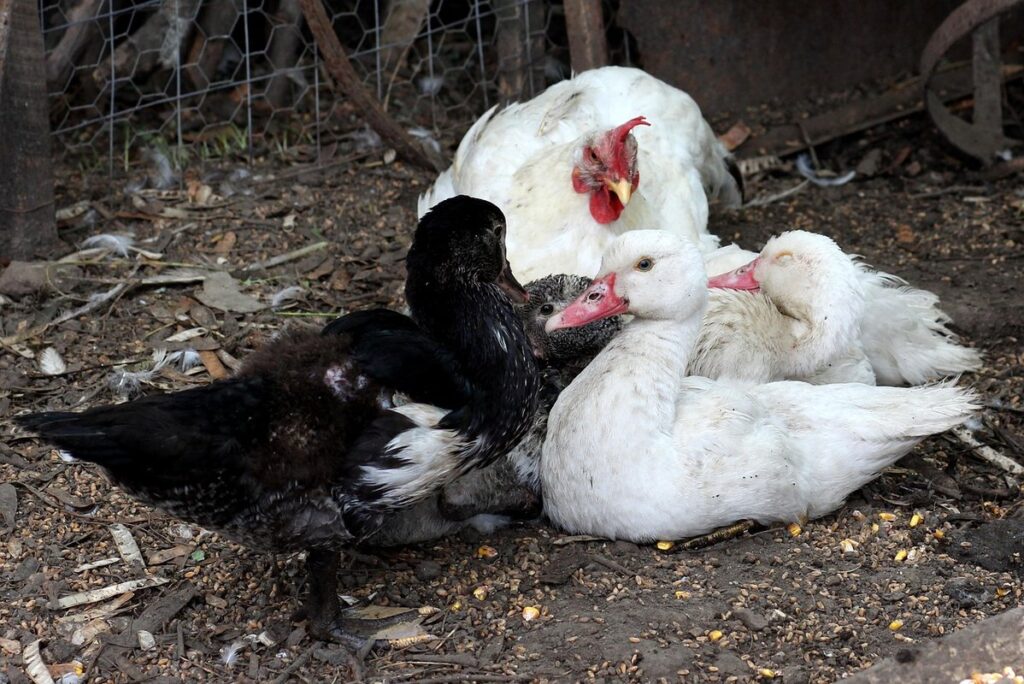
Introduction to Backyard Duck Keeping
If you’re new to keeping ducks as pets, this is a great place to start. We’ll cover the basics of backyard duck keeping and help you decide if it’s right for you and your family.
Benefits of Raising Backyard Ducks
Having ducks in your backyard can bring numerous benefits that extend beyond just providing entertainment. One of the most significant advantages is egg production. Many duck breeds are prolific layers, producing an average of 280-300 eggs per year, which is significantly more than chickens. For example, Khaki Campbells and Indian Runners are two popular breeds known for their high egg-laying abilities.
In addition to providing a steady supply of fresh eggs, ducks can also help with pest control. Their voracious appetites make them excellent at consuming slugs, snails, and insects that can damage your garden or lawn. Ducks are also natural grazers and will happily munch on weeds and unwanted vegetation, helping to keep your yard looking tidy.
Lastly, let’s not forget about the entertainment value of having ducks in your backyard! Watching a group of quacking ducks frolic in their enclosure is a joy in itself, providing endless hours of entertainment for family and friends.
Preparing Your Yard for Ducks
When it comes to preparing your yard for ducks, there are several essential steps to take into account. First and foremost, you’ll want to choose a location that’s well-suited for a duck pond or enclosure. Look for an area that’s partially shaded and has easy access to electricity for water circulation pumps and other equipment.
Fencing is another crucial aspect of backyard duck keeping. You’ll need to install a sturdy fence that’s at least 3 feet tall and made from durable materials like wood or metal. This will help keep your feathered friends contained while also protecting them from potential predators.
When it comes to water features, you’ll want to ensure that your pond or pool is both safe and accessible for your ducks. This means installing a ramp or stairs for easy entry and exit, as well as incorporating safety measures like fencing around the water’s edge.
Remember to consider local regulations regarding backyard duck keeping and to consult with experts if you’re unsure about any aspect of preparing your yard for ducks. With careful planning and preparation, you can create a happy and healthy environment for your new feathered friends.
Choosing the Right Breed for You
When it comes to bringing home your new feathered friends, choosing the right breed is crucial for a harmonious and enjoyable backyard duck-keeping experience. With so many breeds to choose from, you’ll want to consider their unique characteristics and needs.
Factors to Consider When Selecting a Duck Breed
When selecting a duck breed for your backyard flock, there are several key factors to consider. First and foremost, think about the climate where you live. Some breeds, such as Muscovy ducks, are well-suited to hot climates and can tolerate temperatures up to 100°F (38°C), while others like Khaki Campbells prefer milder temperatures between 40°F (4°C) and 70°F (21°C).
Egg production is another crucial consideration. If you’re looking for a duck breed that will provide a steady supply of eggs, look into breeds like Leghorns, which can lay up to 300 large eggs per year. However, if you prefer a smaller flock or don’t need as many eggs, other breeds like Wood Ducks may be a better fit.
Temperament is also an essential factor when choosing a duck breed. Some breeds, such as Welsh Harlequins, are known for their friendly and outgoing personalities, while others like Call ducks can be more skittish and require extra attention. Consider your lifestyle and the level of interaction you want with your flock when selecting a breed.
Popular Backyard Duck Breeds
When it comes to choosing the right duck breed for your small farm or homestead, there are several popular options that excel in various aspects. For instance, Khaki Campbells are a favorite among backyard duck enthusiasts due to their friendly and outgoing nature. These ducks are known for being excellent egg layers, producing around 300 large brown eggs per year.
Another popular breed is the Golden 300 Hybrid, which has gained popularity in recent years. As its name suggests, this breed lays an impressive 300 large white eggs per year, making them an ideal choice for those seeking a reliable source of fresh eggs. However, what sets these ducks apart from others is their exceptional tolerance to heat and humidity, making them suitable for warmer climates.
Last but not least, the Silver Appleyard duck breed is also worth considering. These stunning birds are prized for their beautiful appearance, with their iridescent feathers glistening in shades of silver and white. But beyond their aesthetics, they’re also known for being relatively low-maintenance, requiring less space and care compared to other breeds.
All three breeds have unique characteristics that make them well-suited for small farms or homesteads. If you’re just starting out with backyard ducks, any one of these breeds can be an excellent choice.
Building a Safe and Healthy Environment
Creating a safe and healthy environment for your backyard ducks is crucial, so let’s dive into setting up their perfect habitat. This involves thinking about everything from fencing to nesting boxes.
Pond Design and Maintenance
When designing a pond for your backyard ducks, it’s essential to consider their specific needs and safety. First, ensure the pond is large enough to provide each duck with at least 3-4 square feet of swimming space. A minimum depth of 2-3 feet allows them to easily get in and out, but also provides sufficient water volume for a healthy ecosystem.
A well-maintained pond requires proper water quality management. This includes regular testing for ammonia, nitrite, and pH levels, as well as partial water changes (about 10-20% every week) to prevent stagnation. You can use natural methods like plants or beneficial bacteria supplements to promote a balanced environment. For predator protection, consider installing a secure fence around the pond area, at least 3 feet high and extending 12 inches below ground level to prevent digging.
In terms of maintenance, schedule regular inspections for signs of algae blooms, leaks, or waterlogged areas. Use a skimmer or net to remove debris and maintain a smooth surface for your ducks.
Fencing and Enclosure Options
When it comes to keeping backyard ducks safe from predators, a sturdy fence and enclosure are essential. But what options do you have? Let’s break down the different types of fencing and enclosures that can help protect your feathered friends.
One popular option is chicken wire or hardware cloth, which is lightweight, easy to install, and affordable. However, it may not be strong enough to keep out larger predators like coyotes or foxes. Consider adding a second layer of protection with electric fencing, which can be effective in deterring these animals.
For a more permanent solution, consider building a wooden fence or using durable netting materials. These options are stronger and longer-lasting than chicken wire, but may require more labor to install. You can also combine different types of fencing to create a multi-layered system that provides maximum protection for your ducks.
Some other factors to keep in mind when choosing a fence and enclosure include the size of your property, local wildlife regulations, and the specific needs of your duck breed. By selecting the right combination of materials and design, you can create a safe and secure environment for your backyard ducks.
Caring for Your Backyard Ducks
When it comes to raising happy and healthy backyard ducks, their living environment plays a huge role in their overall well-being. Here are some essential tips on creating a safe and comfortable space for your feathered friends.
Nutrition and Feeding Guidelines
When it comes to caring for your backyard ducks, providing them with a nutritious diet is crucial for their overall health and well-being. A balanced diet should include a mix of grains, proteins, fruits, and vegetables.
For a basic feeding schedule, provide your ducks with 1-2 cups of starter feed or grower feed per day until they’re about 16 weeks old. After that, switch them to laying pellets as their primary source of nutrition. Supplement with fresh veggies like kale, spinach, and carrots daily, along with fruits like berries and apples. You can also offer mealworms or crickets for a protein boost.
Consider a feeding schedule that includes two meals in the morning and one in the evening, spacing them out to prevent overeating. Don’t forget to provide access to fresh water at all times. A calcium supplement is recommended to support strong eggshell production and bone health. For breeds prone to obesity, such as Khaki Campbells or Muscovy ducks, monitor their food intake closely and adjust the quantity accordingly.
Health Issues and First Aid
As a backyard duck owner, it’s essential to be aware of the common health issues that can affect your feathered friends. Respiratory problems, such as pneumonia and bronchitis, are often caused by poor ventilation, wet or dirty living conditions, and inadequate nutrition. Bacterial infections like E. coli and salmonella can also spread quickly through contaminated feed and water.
To prevent these diseases, maintain a clean and dry environment for your ducks. Provide adequate shelter with good airflow, change their bedding regularly, and ensure access to fresh water at all times. A balanced diet that includes a mix of grains, vegetables, and fruits will help keep them healthy and strong.
First aid procedures are also crucial in treating health issues promptly. Keep an eye on your ducks’ behavior, appetite, and stool quality. If you notice any signs of illness, such as labored breathing, lethargy, or diarrhea, isolate the affected bird immediately to prevent the spread of disease. Contact a veterinarian experienced in caring for waterfowl for guidance and treatment.
Regular vaccinations are also essential, especially if you live in an area with high duck population density. Consult with your local veterinary clinic to determine the best vaccination schedule for your flock.
Managing Manure and Waste
As a backyard duck owner, it’s essential to manage their manure and waste effectively to maintain a clean and healthy environment for both your ducks and your family. This section will cover practical tips on handling and minimizing waste.
Composting Duck Manure
Composting duck manure is an excellent way to recycle their waste into a valuable resource for your garden or orchard. By doing so, you’ll not only reduce the environmental impact of their manure but also create a nutrient-rich fertilizer that will make your plants thrive.
To start composting duck manure, collect it in a dedicated bin or pile and mix it with other “green” materials like vegetable scraps, grass clippings, or coffee grounds. Aim for a ratio of 2/3 brown materials (dried leaves, straw, etc.) to 1/3 green materials. Regularly turning the compost will help speed up the decomposition process.
After 6-8 weeks, your duck manure compost should be ready to use. It will have an earthy aroma and a crumbly texture. You can apply it directly to your plants or mix it with other fertilizers. For example, you can create a liquid fertilizer by steeping the compost in water for 24 hours before using it as a foliar spray.
Remember to always balance the nitrogen-rich manure with carbon-rich materials to avoid anaerobic conditions that can lead to unpleasant odors and pests. With proper management, composted duck manure will become your go-to natural fertilizer, reducing your reliance on synthetic fertilizers and minimizing waste in your backyard ecosystem.
Water Quality Management
When it comes to keeping happy and healthy waterfowl, managing water quality is crucial. A duck pond’s ecosystem can quickly become compromised if not properly maintained. Monitoring water levels is essential; a fluctuation of just 6-8 inches can make a big difference in the health of your ducks. Excessive water can lead to stagnant conditions, while low water levels may expose the pond’s liner or surrounding areas to the elements.
Regular testing for contaminants like bacteria, nitrogen, and phosphorus will help you identify any potential issues before they become major problems. These pollutants can be introduced through various means, including duck waste, fertilizers, or nearby agricultural runoff. To mitigate this risk, consider implementing adequate circulation within your pond by installing aerators or pumps. This helps to oxygenate the water and prevent the buildup of toxic gases.
By staying on top of these factors, you’ll create a safe and healthy environment for your backyard ducks to thrive in. Regular monitoring and maintenance will pay dividends in terms of your birds’ overall well-being.
Harvesting Eggs and Meat (Optional)
If you’re planning on raising ducks for food, this is where we’ll cover the basics of harvesting eggs and meat, including tips on when to do it safely. We’ll walk you through the process step by step.
Egg Production and Collection
When it comes to egg production, providing your ducks with a suitable nesting box is crucial. A well-designed nesting box should be approximately 2-3 feet tall and wide enough for two ducks to comfortably share. The entrance hole should be about 12-18 inches off the ground to prevent predators from reaching inside. Line the box with soft bedding material like straw or hay, as this will help keep the eggs clean and dry.
It’s essential to collect eggs regularly to encourage your ducks to continue laying. Remove any eggs that are cracked, dirty, or show signs of disease. Wash your hands before handling eggs to prevent contamination. For egg washing, use cold water and mild soap to gently scrub away any dirt. Rinse the eggs thoroughly with clean water, then dry them immediately using a soft cloth or paper towels. This will help maintain the integrity of the eggshell and keep it fresh for consumption. By following these simple steps, you can enjoy a steady supply of fresh eggs from your backyard ducks.
Processing Ducks for Meat (Optional)
Processing ducks for meat is an optional but rewarding experience for backyard duck keepers. If you’ve grown attached to a particularly plump and healthy bird, it’s worth considering harvesting it for the table. However, before making this decision, ensure that you’re aware of local regulations regarding home slaughter and processing.
Humane slaughter methods can be employed using a few simple tools: a sharp knife, a captive bolt gun (optional), or an electric stun gun. The most important aspect is to cause as little distress as possible for the bird. Many backyard duck keepers choose to use the “killing cone” method, where the bird is placed in a small, enclosed area and killed swiftly.
After slaughter, it’s essential to clean and cook the duck promptly to maintain quality and food safety. Consider consulting with a local butcher or taking a processing class to learn proper techniques for evisceration, cleaning, and preparing the carcass for cooking.
Frequently Asked Questions
Can I keep backyard ducks if I live in an urban area?
Yes, many cities have ordinances allowing backyard duck keeping, but it’s essential to check with your local authorities before bringing home your feathered friends. Urban areas may require special permits or zoning variances, so be sure to research and comply with local regulations.
How often should I clean my duck pond to maintain good water quality?
It depends on the size of your pond and the number of ducks you have. A general rule of thumb is to change 10-20% of the water every week. This will help prevent algae buildup, keep bacteria under control, and ensure a healthy environment for your ducks.
What are some creative ways to use duck manure in my garden?
Duck manure is an excellent natural fertilizer! You can compost it with other organic materials or add it directly to your garden beds. It’s rich in nitrogen, phosphorus, and potassium, making it perfect for promoting healthy plant growth. Just be sure to mix it well with other compost materials to avoid overwhelming your plants.
Can I raise ducklings that are too young for harvesting?
Yes, you can raise ducklings for pets or ornamental purposes even if they’re not suitable for meat production. Some breeds make great pets and can thrive in a backyard setting. Just be aware that some breeds may require more space or specialized care.
How do I handle health issues common to backyard ducks, like mites and lice?
Yes, regular monitoring is crucial! Common health issues include mites, lice, and respiratory problems. To prevent these issues, maintain good hygiene practices, provide a clean and dry environment, and regularly check your ducks for signs of infestation or illness. Consult with a veterinarian experienced in poultry care if you suspect any health problems.