
Protecting your backyard poultry flock from disease is crucial to ensuring their health and well-being. With so many risks out there, it’s easy for even the most careful keepers to unintentionally introduce disease into their flocks. That’s why a comprehensive biosecurity plan is essential for any backyard poultry enthusiast. By taking the time to assess potential risks, implement physical barriers, maintain strict sanitation measures, and manage visitor access, you can significantly reduce the likelihood of contamination and keep your birds safe.
This article will walk you through the key components of an effective biosecurity plan for backyard poultry. We’ll cover risk assessment, physical barriers, sanitation measures, and visitor management – everything you need to know to safeguard your flock from disease and ensure they stay healthy and thriving.
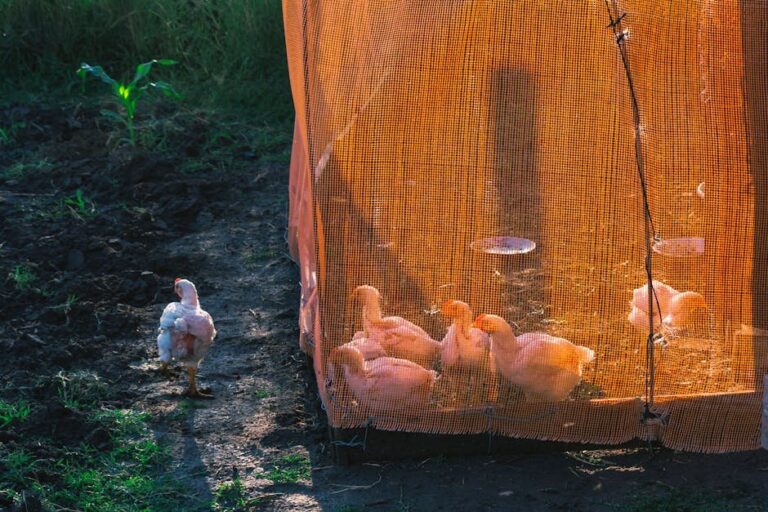
Understanding the Importance of Biosecurity
To keep your flock safe and healthy, it’s essential to understand why biosecurity is crucial for backyard poultry owners. Let’s explore the importance of protecting your birds from disease-causing pathogens.
What is Biosecurity in Backyard Poultry?
Biosecurity is the practice of preventing and controlling disease outbreaks in poultry flocks. When it comes to backyard poultry, implementing a biosecurity plan is crucial to protect not only your flock but also your community. Think of biosecurity as a shield that guards against diseases, parasites, and pests that can cause significant harm.
In simple terms, biosecurity measures are designed to prevent the introduction and spread of disease-causing agents. This includes external sources like wild birds, rodents, and domestic pets, as well as internal factors like poor ventilation, dirty living conditions, and inadequate nutrition. For instance, a contaminated feed or water source can lead to an outbreak in your flock.
By understanding biosecurity measures, you’ll be better equipped to protect your backyard poultry from common health threats. This includes implementing practices such as regular cleaning and disinfection of coops and equipment, separating healthy birds from sick ones, and monitoring for signs of disease. By taking these steps, you can reduce the risk of disease outbreaks in your flock and contribute to a healthier environment for your community.
Risks Associated with Poor Biosecurity
When it comes to backyard poultry biosecurity, poor practices can have far-reaching consequences. One of the most significant risks is disease transmission. This can occur through contact with contaminated feed, water, or equipment, as well as direct contact between birds and humans. For example, avian influenza outbreaks in the US have resulted in significant economic losses for farmers and backyard flock owners alike.
In addition to disease transmission, poor biosecurity practices can also lead to public health concerns. Salmonella and Campylobacter bacteria are common pathogens found on poultry farms, and can be transmitted to humans through contact with contaminated birds or their droppings. In fact, according to the Centers for Disease Control and Prevention (CDC), over 1 million cases of foodborne illness in the US each year are linked to poultry consumption.
To minimize these risks, it’s essential to implement robust biosecurity measures on your farm. This includes washing hands frequently, cleaning and disinfecting equipment regularly, and isolating new birds for a period before introducing them to the main flock. By taking these simple steps, you can protect not only your own flock but also contribute to maintaining a safe and healthy community around you.
Conducting a Biosecurity Risk Assessment
Conducting a biosecurity risk assessment is essential to identifying potential threats to your flock and community. This step-by-step process will help you prioritize and mitigate risks.
Identifying Potential Entry Points and Routes
When conducting a biosecurity risk assessment for your backyard poultry operation, it’s essential to identify potential entry points and routes of contamination. These can be areas where disease-causing pathogens may enter the flock, leading to illness and potentially even death.
Start by inspecting your property and identifying any vulnerable areas, such as:
* Unfenced boundaries that allow wild animals or humans to access the area
* Gates or doors that are not securely closed
* Shared equipment or tools that can spread disease between different areas of the farm
You should also consider the movement of people, vehicles, and supplies in and out of your property. This includes visitors, mail carriers, delivery personnel, and even family members who may not always follow biosecurity protocols.
To mitigate these risks, implement measures such as:
* Installing fencing or other barriers to prevent unauthorized access
* Designating specific entry and exit points for people and vehicles
* Ensuring that all visitors wash their hands before entering the flock area
* Labeling and storing cleaning supplies and disinfectants in a designated area
By identifying potential entry points and routes of contamination, you can take targeted steps to protect your flock and community.
Assessing Personal Hygiene and Clothing Practices
As you work to protect your flock and community from diseases, it’s essential to assess your personal hygiene and clothing practices. This may seem like a minor aspect of biosecurity, but it plays a crucial role in preventing the spread of diseases.
When handling your birds or their environments, it’s easy to inadvertently transfer bacteria and viruses to other areas of your property or even to yourself. To minimize this risk, make hand washing a habit whenever you’ve been around your flock or their living spaces. Wash your hands with soap and water for at least 20 seconds, paying special attention to the areas between your fingers and under your nails.
In addition to regular hand washing, showering after handling your birds is also recommended. This removes any potential pathogens that may have attached themselves to your skin during interaction with the flock. Proper laundry procedures are also crucial in maintaining a clean environment. Wash all clothing worn while handling your birds in hot water (at least 140°F) and dry them on high heat.
Implementing Physical Barriers and Sanitation Measures
Effective physical barriers, such as fencing and netting, can prevent unauthorized access to your flock, while proper sanitation measures, including cleaning and disinfecting equipment, help reduce disease transmission risk.
Fencing and Enclosures for Poultry
When it comes to protecting your backyard poultry flock from predators and disease transmission, fencing and enclosures play a crucial role. A well-designed and constructed enclosure not only keeps unwanted visitors out but also prevents the escape of your birds. To design an effective fence or enclosure, consider the following factors: height, material, and mesh size.
A minimum of 6 feet in height is recommended to prevent predators like raccoons, coyotes, and foxes from jumping over. However, if you live in an area with high predator activity, a taller fence may be necessary. The material should be durable, weather-resistant, and easy to clean. For example, using hardware cloth or chicken wire with openings of 1 inch or less can prevent predators like weasels and rats from slipping through.
In addition to fencing, consider the type of enclosure you build. A hoop coop or a run made of sturdy materials like wood or metal can provide excellent protection for your birds while also allowing them to move around freely. Remember to include access points that are secure and predator-proof, such as gates with latches that can be locked from both sides.
Cleaning and Disinfection Protocols
Proper cleaning and disinfection techniques are essential to minimize the risk of disease spread in your backyard poultry operation. When it comes to coops, runs, and equipment, regular sanitation is crucial. Start by removing all birds from the area you plan to clean, as they can easily contaminate surfaces with their droppings.
Begin cleaning with a scrub brush and soap or detergent specifically designed for animal enclosures. Remove any visible debris, manure, and feathers. Rinse thoroughly with water, making sure to remove any remaining soap residue. For particularly stubborn stains or areas with high bacterial load, consider using a solution of 1 part bleach to 10 parts water as a disinfectant.
Regularly scheduled cleaning is essential, but it’s also crucial to maintain good hygiene practices in between cleanings. Ensure all equipment and tools are cleaned and disinfected after each use. This may seem like a lot to manage, but establishing a routine will help keep your flock healthy and reduce the risk of disease transmission.
Managing Feed, Water, and Manure
When it comes to keeping your flock healthy, ensuring access to clean feed, water, and proper waste management is crucial. This includes creating a system for managing manure and preventing contamination of these essential resources.
Sources and Types of Feed to Minimize Risk
When it comes to managing feed for your backyard flock, selecting the right type of feed and handling practices can significantly impact biosecurity. A crucial aspect is sourcing feed from reputable suppliers that follow strict quality control measures.
One option is purchasing feed from a local farm supply store or a reputable online retailer. These sources typically source their feed from large-scale manufacturers that adhere to strict guidelines for feed production. Some popular brands are known to have robust quality control measures in place, reducing the risk of contamination.
Another consideration is purchasing feed directly from a manufacturer. This can provide even greater assurance regarding the feed’s safety and quality. However, it may come with higher costs due to transportation fees and other logistical factors.
It’s also essential to handle feed safely to prevent contamination risks. Always store feed in rodent-proof containers, keep it dry, and ensure it is not exposed to open air or moisture. By being mindful of these simple practices, you can significantly reduce the risk of introducing pathogens into your flock through contaminated feed.
Proper Storage and Handling of Pesticides and Fertilizers
When it comes to backyard poultry biosecurity, proper storage and handling of pesticides and fertilizers are crucial steps that often go overlooked. These chemicals can contaminate feed, water, and even the environment if not handled correctly, posing a risk to your flock’s health and the community.
To prevent contamination, store pesticides and fertilizers in a designated area away from food and living areas. This means designating a specific shed or building for chemical storage, keeping it locked when not in use, and ensuring good ventilation to prevent buildup of fumes. Regularly inspect stored chemicals for signs of damage or leakage, and dispose of expired or damaged products promptly.
When handling these chemicals, always wear protective gear such as gloves, safety glasses, and a mask. Be sure to read the label carefully before application, following instructions to the letter. Avoid mixing different pesticides or fertilizers, as this can create toxic compounds that harm your flock.
Remember, it’s not just about protecting your own flock – good storage and handling practices also help prevent contamination of nearby water sources and soil. By taking these simple steps, you’ll be contributing to a safer, healthier community for both humans and animals.
Managing Visitor Access and Movement Controls
When visitors come to your property, it’s essential to control their access to prevent disease transmission. This includes managing how they move around your yard and interact with your birds.
Educating Visitors about Biosecurity Protocols
When visitors come to visit your backyard poultry, it’s essential to educate them on biosecurity protocols to prevent the spread of diseases. This includes teaching them about hand washing, boot cleaning, and proper clothing.
Firstly, make sure visitors understand the importance of washing their hands thoroughly with soap and water before and after handling birds or equipment. Encourage them to use a dedicated sink for this purpose and provide access to hand sanitizer if no sink is available. You can also install automatic hand sanitizing stations in strategic locations around your property.
It’s also crucial to instruct visitors on how to properly clean their boots, which can harbor pathogens like E. coli. Provide a designated boot cleaning station with a brush, scrubber, or even a pressure washer to thoroughly clean the soles and uppers of their boots. This simple step can significantly reduce the risk of disease transmission.
Lastly, remind visitors that loose-fitting clothing can also pose a biosecurity threat by allowing dirt, dust, and potential pathogens to come into contact with your birds. Encourage them to wear closed-toe shoes, long pants, and a clean shirt when visiting your poultry area. By educating your visitors on these essential biosecurity practices, you’ll be better protected against disease outbreaks that can harm both your flock and the community at large.
Implementing Visitor Screening and Quarantine Procedures
When visitors come to your backyard poultry operation, they can unintentionally bring diseases onto your property. To prevent this from happening, it’s essential to implement visitor screening and quarantine procedures.
First, establish a clear policy for who is allowed to visit the farm. Only allow those who have a legitimate reason to be there, such as veterinarians or poultry experts. Educate visitors on biosecurity best practices before they enter the property. This can include wearing clean clothes, washing their hands thoroughly, and avoiding contact with the birds.
Before allowing visitors onto the farm, conduct a basic health assessment of the flock. If any signs of disease are detected, limit visitor access to prevent potential disease transmission. Designate a specific area for visitors to change shoes or wear boot covers to minimize track-in contamination. In extreme cases, quarantine new arrivals for 30 days before introducing them to the flock. This will help you identify and isolate potential diseases early on.
Consider implementing a logbook to keep track of all visitor interactions. Record details such as name, date, time, purpose of visit, and any observations or issues that arise. This information can be used to inform future decision-making and improve your farm’s overall biosecurity.
Monitoring and Maintaining a Healthy Flock
Regular monitoring of your flock’s health is crucial to prevent disease outbreaks, so let’s discuss how to keep a close eye on their well-being. This includes tracking signs of illness and implementing prevention strategies.
Recognizing Early Warning Signs of Disease
Regular monitoring of your flock’s health is crucial to detect potential problems early on. As a backyard poultry owner, you need to be vigilant and recognize the early warning signs of disease in your birds. Changes in behavior, appetite loss, and droppings consistency are often the first indicators that something is amiss.
Look out for birds that seem lethargic or withdrawn, as this can be a sign of stress or illness. A decrease in appetite can also signal the onset of a disease. Check if your birds are still eating their regular feed and if they’re showing interest in treats. If you notice any unusual droppings consistency, such as diarrhea or blood-stained droppings, it may indicate a gut problem.
Some common signs to watch out for include labored breathing, runny eyes or nose, and changes in the color or texture of their feathers. Keep an eye on your birds’ overall appearance and behavior, and be prepared to take action if you notice any unusual patterns. Regular health checks can help prevent small issues from escalating into larger problems.
Record-Keeping for Biosecurity and Health Tracking
Maintaining accurate records is essential for ensuring the health and well-being of your flock. This includes keeping track of vaccination schedules, parasite control measures, and any health issues that arise. A well-organized record-keeping system allows you to identify patterns and make informed decisions about future management strategies.
To get started, designate a specific notebook or digital tool for tracking important events and milestones in the life of your flock. Include space for notes on vaccination schedules, parasite control measures such as deworming medications and treatments for mites and lice, and any health issues that arise. This can include photos of affected birds, descriptions of symptoms, and dates of treatment or quarantine.
Consider using a spreadsheet to track vaccination records, with columns for date administered, type of vaccine, and the age of the bird at time of vaccination. You can also use this format to keep track of parasite control measures, noting the type of medication used, the dosage, and the frequency of application. By maintaining accurate records, you’ll be better equipped to identify potential health risks and take proactive steps to mitigate them.
Frequently Asked Questions
Can I implement a biosecurity plan without disrupting my daily routine?
Yes, developing a biosecurity plan can be done gradually, starting with small changes to your current practices. Begin by identifying areas that need improvement and prioritize the most critical measures first.
What happens if I accidentally bring disease into my flock despite having a biosecurity plan in place?
If you inadvertently introduce disease into your flock, it’s essential to act quickly to minimize the risk of further contamination. Isolate the affected birds immediately, follow proper disposal procedures, and consult with a veterinarian for guidance on treatment and recovery.
How do I manage visitors who want to help with poultry care but may not understand biosecurity protocols?
Educate visitors about your biosecurity plan before they interact with your flock. Provide clear instructions on what to expect, including wearing protective clothing and following strict sanitation measures. Implement visitor screening procedures to ensure all individuals understand and comply with biosecurity guidelines.
Are there specific certifications or training programs available for backyard poultry owners to enhance their biosecurity skills?
Yes, several organizations offer workshops, online courses, and certification programs specifically designed for backyard poultry enthusiasts. These resources can help you stay up-to-date on the latest best practices and provide valuable networking opportunities with other experienced flock owners.
Can I combine my poultry and livestock operations under a single biosecurity plan?
While it’s possible to implement a comprehensive biosecurity plan that covers multiple species, each type of animal may require tailored approaches due to different disease risks. Consult with experts in both poultry and livestock management to ensure you’re adequately addressing the unique needs of each operation.
How do I handle a potential disease outbreak after hours or during weekends?
Establish an emergency contact system for situations like this, including veterinarians, fellow flock owners, or trusted neighbors who can provide assistance when needed. Keep important phone numbers and emergency procedures readily accessible in case of unexpected events.