
Raising chickens can be a fun and rewarding experience, but have you ever wondered about the differences between backyard poultry and commercial flocks? When it comes to health benefits, environmental impact, and economic considerations, there are significant disparities between these two approaches. Backyard chicken keepers tend to prioritize their birds’ well-being, often at the expense of higher costs and more labor-intensive care. In contrast, commercial operations focus on maximizing efficiency and profitability. But what exactly sets these systems apart? This article will delve into the crucial differences between raising backyard and commercial poultry, exploring the trade-offs involved in each approach. By examining health benefits, environmental impact, and economic considerations, we’ll help you make informed decisions about your own flock’s care.
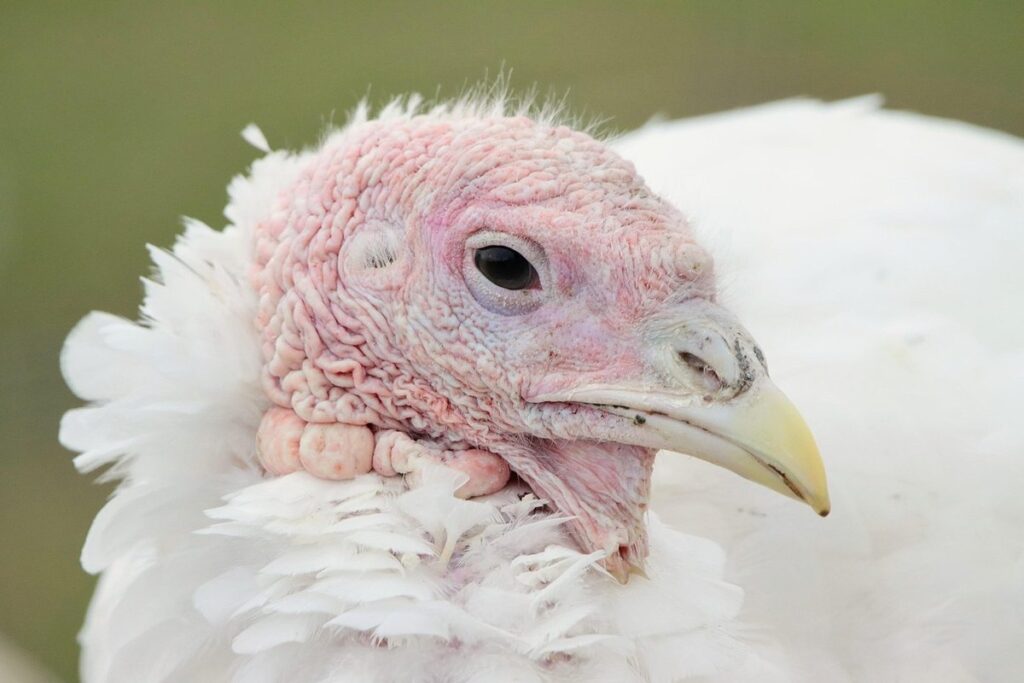
Understanding the Basics of Raising Poultry
To raise healthy and happy poultry, you’ll need a solid grasp on the fundamentals of their care, including nutrition, health checks, and habitat requirements. Let’s start by covering these basics together.
What is Pasture-Raised Poultry?
When you hear about pasture-raised poultry, it’s likely that you’re picturing birds roaming freely on lush green pastures. And for good reason – this type of farming is gaining popularity due to its benefits for both the animals and the environment. So, what exactly does it mean?
Pasture-raised poultry refers to chickens, turkeys, or ducks raised outside in a natural environment with access to fresh air, sunlight, and grass. Unlike conventional farms where birds are confined to indoor cages or coops, pasture-raised birds have the freedom to forage, exercise, and engage in their natural behaviors.
The main difference between pasture-raised poultry and conventional farming is the emphasis on outdoor living conditions. Pasture-raised farms prioritize animal welfare by providing a more humane environment, which can lead to better health outcomes and improved egg or meat quality. This type of farming also promotes biodiversity, reduces soil erosion, and encourages nutrient-rich pastures.
To raise pasture-raised poultry at home, consider the following tips: start with a suitable breed for outdoor living, provide a safe and secure enclosure, and ensure access to fresh water and adequate shelter from the elements. By adopting these practices, you can experience the benefits of pasture-raised poultry firsthand while promoting sustainable and humane farming methods.
The Benefits of Pasture-Raised Poultry for Human Health
When you choose pasture-raised poultry over commercial options, you’re not just supporting sustainable farming practices – you’re also making a healthier choice for yourself and your family. The main difference lies in the nutritional profile of pasture-raised poultry. These birds spend their days roaming freely outdoors, pecking at grasses and insects, which results in a more balanced fatty acid profile and higher levels of omega-3 fatty acids.
Studies have shown that pasture-raised eggs contain up to 20% less cholesterol than commercially raised eggs, yet they also offer about twice the amount of heart-healthy omega-3s. This shift towards healthier fats is particularly beneficial for managing blood lipid profiles and reducing the risk of cardiovascular disease. The higher concentration of vitamins A and E in pasture-raised poultry can also help boost immune function.
If you’re looking to incorporate more pasture-raised poultry into your diet, consider the following tips:
• Consult with local farmers or online marketplaces to find reputable sources
• Check for certifications like “pasture-raised” or “regenerative”
• Be prepared for a higher price point due to the added labor and costs associated with free-range farming practices
Commercial vs Backyard Poultry Operations: Key Differences
When it comes to raising chickens, understanding the differences between commercial and backyard operations is crucial for making informed decisions about your flock. Let’s explore some of these key distinctions next.
Scales of Operation: How Small is Too Small?
When it comes to poultry operations, size truly matters. Commercial farms can produce thousands of birds per week, whereas backyard flocks often consist of a few dozen at most. The scale of operation affects every aspect of the business, from labor costs to resource management.
Commercial farms require massive resources to sustain their production capacity. For instance, a 10,000-bird farm might need 20 acres of land, expensive equipment, and a team of staff to manage the flock. In contrast, a small backyard flock can thrive on as little as an eighth of an acre, with minimal investment in infrastructure.
To give you a better idea, here are some rough estimates:
* A commercial broiler farm might need 10-15 pounds of feed per bird per week
* A backyard flock, on the other hand, requires about 2-3 pounds of feed per bird per week
As you can see, there’s a significant difference in resource usage between commercial and backyard poultry operations. While commercial farms can produce economies of scale, backyard flocks offer a more intimate and manageable approach to poultry keeping.
Regulations and Compliance for Commercial vs Backyard Farms
When it comes to poultry operations, regulatory requirements can be a minefield for both commercial and backyard farmers. Commercial farms are subject to strict licensing requirements, which often involve obtaining permits and licenses from local and state authorities. These regulations vary by jurisdiction but typically require commercial farmers to maintain accurate records of their operations, including feed sourcing, disease management, and manure disposal.
In contrast, backyard poultry operations are generally subject to fewer regulations. However, many municipalities now have laws governing the keeping of chickens in residential areas. These may include requirements for coop size, location, and sanitation. It’s essential for backyard farmers to familiarize themselves with these local regulations before starting their operation. Health inspections also play a crucial role in ensuring food safety. Commercial farms are typically subject to regular health inspections by state or federal authorities, while backyard operations may be exempt but should still maintain basic biosecurity measures.
Environmental regulations also differ between commercial and backyard farms. Large-scale commercial operations often require permits for manure management, nutrient loading, and wastewater treatment. Backyard farmers can benefit from adopting environmentally friendly practices like composting, rainwater harvesting, and using organic feed to minimize their ecological footprint.
Environmental Impact: A Comparison of Commercial and Backyard Poultry
When it comes to raising poultry, one crucial consideration is the environmental impact of your choices. In this comparison, we’ll explore how commercial and backyard operations affect the environment differently.
Land Use and Resource Utilization in Commercial Operations
When it comes to large-scale commercial poultry farms, their environmental impact is a significant concern. One of the most notable aspects is land use and resource utilization. Commercial farms require vast areas of land for feed production, breeding, and flock housing. This can lead to deforestation, habitat destruction, and soil erosion.
According to a study by the Food and Agriculture Organization (FAO), commercial poultry farming accounts for around 70% of global water usage in agriculture. This is largely due to the intensive use of water for irrigation, feed production, and cleaning operations. To put this into perspective, it’s estimated that one large-scale chicken farm can consume up to 15 million gallons of water per year.
To mitigate these issues, commercial farms are incorporating more efficient land use practices, such as vertical farming and precision agriculture. These techniques can increase yields while reducing the overall environmental footprint. However, it’s essential for consumers to be aware of the potential environmental impacts associated with commercial poultry production and consider alternative options like backyard chicken keeping. By doing so, we can work towards a more sustainable food system.
Backyard Flock Sizes and Their Environmental Footprint
When considering backyard poultry, one of the most significant environmental benefits is the reduced land use. Compared to commercial farms that require vast acres for feed crops and grazing, a smaller backyard flock requires only a fraction of that space. According to the USDA, a single commercial egg farm can cover over 100 acres of land, whereas a small backyard flock can thrive on as little as 1/4 acre.
Not only does this reduced land use decrease deforestation and habitat destruction, but it also lowers carbon emissions associated with farming practices like tilling and fertilizer application. Backyard flocks also tend to have more efficient waste management systems, with many owners incorporating composting or nutrient-rich manure into their gardens.
By adopting a smaller flock size, you can significantly minimize your environmental footprint while still enjoying the benefits of backyard poultry. To make the most of this advantage, consider implementing practices like rotational grazing and integrating your flock’s waste into your garden or compost pile. This will not only reduce waste but also create nutrient-rich fertilizer for your crops.
Nutrition and Welfare: A Comparison of Commercial and Backyard Poultry
When it comes to nutrition and welfare, backyard poultry often differ from commercial farms in significant ways that affect the health and well-being of your birds. Let’s take a closer look at these differences.
Nutritional Differences Between Pasture-Raised and Conventionally Raised Birds
When it comes to the nutritional differences between pasture-raised and conventionally raised birds, there are some significant variations that can impact both human health and bird welfare. One of the most notable differences lies in their omega-3 fatty acid content. Pasture-raised birds have been found to have a higher concentration of these essential fatty acids due to their diet rich in grasses, seeds, and insects.
On average, pasture-raised chickens contain up to 10 times more omega-3s than conventionally raised ones. This is because they spend most of their time outdoors foraging for food, which allows them to incorporate a diverse range of nutrient-dense ingredients into their diet. In contrast, conventionally raised birds are often kept indoors and fed commercial feed made from grains such as corn and soybeans.
In addition to omega-3s, pasture-raised birds tend to have higher levels of certain vitamins and minerals like vitamin A, E, and B12, as well as iron and potassium. This is likely due to their diet’s natural diversity and the fact that they’re able to engage in foraging behaviors that stimulate digestion and nutrient uptake.
While some may argue that it’s possible to replicate these nutritional benefits through supplements or fortified feed, many experts agree that access to fresh pasture and outdoor living is essential for optimal bird nutrition.
Avian Behavior and Welfare in Commercial vs Backyard Settings
When it comes to avian behavior and welfare, there are significant differences between commercial and backyard poultry settings. In commercial farms, birds are often confined to crowded coops with limited access to sunlight, exercise, and social interaction. This can lead to stress, behavioral problems, and a weakened immune system.
In contrast, backyard flocks typically have more space to roam and forage, allowing for natural behaviors like scratching, pecking, and flying. When managed properly, backyard birds also receive plenty of sunlight, which is essential for calcium absorption and overall health.
To replicate this ideal environment in your own backyard, consider the following tips: provide a large enough enclosure with adequate ventilation and shade; offer perches, ladders, and roosts to promote exercise and social interaction; and create a dust bathing area to allow birds to engage in natural behaviors. By prioritizing these factors, you can ensure better welfare for your backyard flock.
Economic Considerations: Starting and Running a Backyard Poultry Operation
When starting your backyard poultry operation, it’s essential to consider the economic costs involved in purchasing birds, building a coop, and maintaining your flock. These expenses can add up quickly.
Initial Investment Costs for Setting Up a Backyard Flock
When setting up a backyard poultry operation, one of the most significant initial investment costs is equipment and infrastructure. This includes coops, run enclosures, feeders, waterers, and other necessary supplies to keep your birds healthy and safe. The cost of a coop can range from $500 to $2,000 or more, depending on its size, quality, and materials.
You’ll also need to consider the cost of a suitable location for your flock. This might involve purchasing land, constructing fencing, or modifying existing structures to accommodate your birds’ needs. A typical backyard setup can be designed with an initial investment of around $1,000 to $3,000. Some expenses like feeders and waterers are one-time costs, while others, such as vaccinations and health checks for the flock, need to be factored in every year.
To get started on a tight budget, consider repurposing materials from other projects or scouring local classifieds for second-hand equipment. As your operation grows, you can upgrade and improve infrastructure accordingly.
Ongoing Expenses and Revenue Streams for Small-Scale Poultry Producers
As a small-scale poultry producer, it’s essential to understand ongoing expenses and potential revenue streams to ensure the financial sustainability of your backyard operation. One significant expense is feed costs, which can account for up to 70% of total production costs. To mitigate this, consider using locally sourced or scratch grains, and explore alternative feed options like mealworms or sunflower seeds.
Marketing strategies are also crucial in generating revenue streams. Develop a unique value proposition (UVP) that highlights the quality, freshness, and story behind your eggs or meat products. Utilize social media platforms to create a brand presence, share customer testimonials, and showcase your operation’s transparency. For example, you can partner with local restaurants or cafes to supply fresh eggs or meat, while also promoting their establishments through cross-promotion.
To expand your sales channels, consider selling directly to consumers through farmers’ markets, online marketplaces like Local Harvest or Craigslist, or even by setting up a roadside stand. You can also explore wholesale opportunities with larger buyers like grocery stores or specialty food retailers. By diversifying your revenue streams and controlling costs, you’ll be better equipped to manage the financial aspects of running a small-scale poultry operation.
Best Practices for Backyard Poultry: Tips for Success
To raise healthy and happy backyard poultry, you’ll want to follow some essential best practices that ensure your flock thrives in its new environment. Let’s dive into these valuable tips.
Integrated Pest Management (IPM) Strategies for Healthy Flocks
When it comes to maintaining healthy flocks, integrated pest management (IPM) strategies are essential for backyard poultry owners. Unlike commercial farms that may rely on chemical pesticides and other harsh treatments, IPM focuses on long-term solutions that promote ecosystem balance and reduce the risk of disease outbreaks.
To implement an effective IPM strategy in your backyard flock, start by monitoring your birds regularly for signs of stress, illness, or pests. Keep a close eye on their droppings, behavior, and overall health. Regular cleaning and disinfection of coops and runs can also help prevent pest infestations.
For example, you can use physical barriers like hardware cloth to keep predators out and maintain a clean environment by removing waste regularly. It’s also essential to identify the source of pests or diseases and address them promptly. This might involve using natural deterrents like diatomaceous earth or introducing beneficial insects that prey on pest populations.
By adopting these IPM strategies, you’ll not only promote healthy birds but also create a more sustainable and environmentally friendly backyard poultry operation. Remember, every small step counts in maintaining the well-being of your flock, and with time, patience, and practice, you’ll become an expert in managing pests and diseases naturally.
Record-Keeping and Biosecurity Measures for Small-Scale Operations
As you embark on your backyard poultry journey, it’s crucial to implement record-keeping and biosecurity measures to ensure the health and productivity of your birds. Tracking production data is a vital aspect of small-scale operations, helping you monitor egg-laying performance, growth rates, and feed consumption. By keeping accurate records, you can identify trends and make informed decisions about vaccinations, parasite control, and nutrition.
Monitoring bird health is equally important. Regularly inspect your flock for signs of disease, stress, or parasites, and keep a record of any health issues that arise. Consult with a veterinarian if necessary to prevent the spread of diseases and maintain a healthy environment. Maintaining a clean environment is also critical – ensure regular cleaning of coops, feeders, and waterers to prevent bacterial and viral contamination.
In addition to record-keeping and bird health monitoring, biosecurity measures are essential in preventing disease outbreaks. This includes restricting access to the flock, using personal protective equipment when handling birds, and ensuring all visitors follow proper hygiene practices. By prioritizing these measures, you can safeguard your birds’ health and productivity, ultimately achieving success with your backyard poultry operation.
Frequently Asked Questions
Can I start a backyard poultry operation with just one or two birds?
No, it’s recommended to start with a larger flock size (around 10-20 birds) to make the most of your resources and ensure economic viability. Starting small can be challenging due to the higher cost per bird and potential for disease transmission.
What are some common health issues in backyard poultry flocks and how can I prevent them?
Common issues include parasites, respiratory problems, and diseases like Newcastle disease and avian influenza. To prevent these, maintain a clean coop, provide adequate ventilation, and practice good biosecurity measures such as regular cleaning and disinfection, and limiting human interaction with the birds.
How can I determine if my backyard poultry operation is profitable?
Track your expenses, including feed costs, veterinary care, equipment maintenance, and labor. Compare these to your revenue streams, such as selling eggs or meat directly to consumers or through a local market. Consider consulting with an accountant or financial advisor to ensure you’re meeting regulatory requirements.
What are some integrated pest management (IPM) strategies for controlling pests in my backyard flock?
Implementing IPM involves using a combination of techniques such as crop rotation, biological control methods (e.g., using beneficial insects), cultural controls (e.g., adjusting feeding schedules), and chemical controls (e.g., using insecticides). Monitor your flock regularly to detect early signs of pest infestation and adjust your strategy accordingly.
Can I raise poultry on a small plot of land without any prior experience?
Yes, with proper planning and research, it’s possible to successfully raise poultry even on a small plot. Consider starting with a smaller flock size, choosing breeds that are well-suited for small spaces, and seeking guidance from experienced backyard poultry keepers or online resources.