
Are you wondering whether to let your flock roam free or keep them safely confined in a chicken run? With great freedom comes great responsibility, and making the right decision for your backyard chickens can be a daunting task. On one hand, providing outdoor access is essential for their health and well-being. But on the other hand, free-ranging also poses risks to your chickens’ safety, such as predators, diseases, and even escape artists! In this article, we’ll weigh the pros and cons of free ranging versus keeping them in a secure enclosure. We’ll explore how to set up a safe outdoor space for your flock while managing their access to prevent any potential risks. By the end of this post, you’ll be equipped with the knowledge to make an informed decision that’s right for your feathered friends.
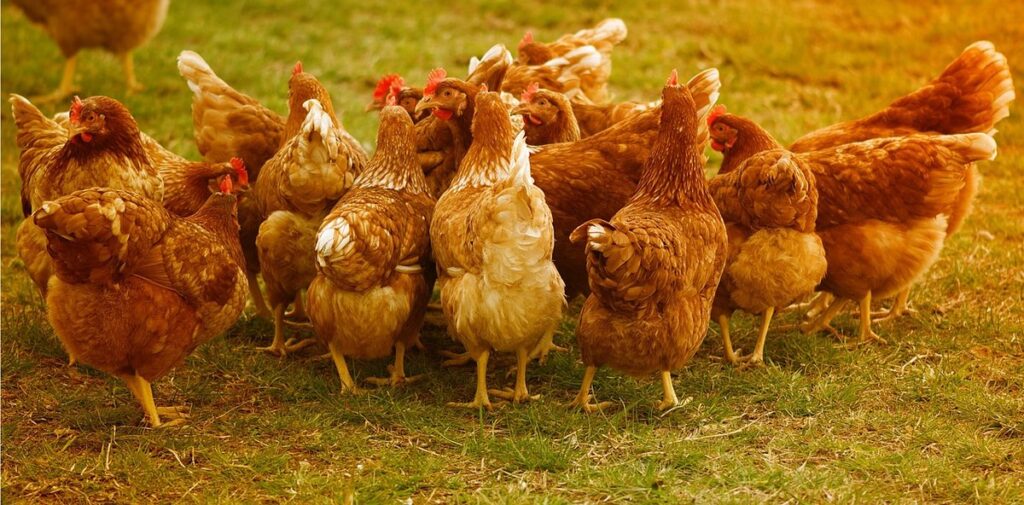
Understanding Your Options
When it comes to providing for your flock, you have two main options: building a chicken run or letting them free range. We’ll break down the pros and cons of each approach.
What is Chicken Running?
So you’re considering what type of setup is best for your backyard chickens: chicken running or free ranging. Let’s start by exploring what chicken running is and why it’s a great option for many flock owners.
Chicken running refers to the practice of providing a covered, enclosed area where your chickens can roam freely while still being protected from predators and other dangers. This setup allows them to exercise and engage in natural behaviors like foraging and scratching, which are essential for their physical and mental well-being. By giving your chickens the freedom to move about within a safe and controlled environment, you’re providing them with both physical exercise and mental stimulation.
In a chicken run, your flock can spend hours exploring, pecking at bugs, and getting some much-needed fresh air. This setup is especially beneficial for smaller backyards or areas with potential predator threats, as it keeps the chickens contained while still allowing them to enjoy the benefits of outdoor space. By incorporating a chicken run into your coop design, you’ll be giving your flock the best of both worlds: safety and freedom.
Overview of Free Ranging
Free ranging refers to the practice of allowing chickens to roam freely outdoors, accessing grass, plants, and other natural food sources. This method can provide several benefits for your flock’s health and well-being. For instance, free-ranging birds are more likely to obtain essential nutrients from foraging, which can lead to healthier feathers, stronger bones, and improved overall vitality.
However, there are also potential risks associated with free ranging. Predators such as foxes, coyotes, hawks, and owls pose a significant threat to your flock’s safety. To mitigate this risk, you’ll need to take measures like securing the coop, using fencing or netting to enclose the outdoor area, and being mindful of your surroundings.
Another concern with free ranging is exposure to parasites, such as mites, lice, and ticks. You can minimize these risks by regularly cleaning and disinfecting the coop, providing a clean water source, and monitoring your birds’ health closely.
When done correctly, free ranging can be a great option for chicken keepers who want to provide their birds with a more natural environment.
Benefits of Chickens on the Run
Let’s get down to the good stuff: having chickens roam freely can have some amazing benefits for your backyard and your flock! We’ll explore these advantages in more detail.
Increased Physical Activity
When you let your chickens run freely, they get to engage in physical activity that’s essential for their overall health and well-being. One of the significant benefits of chicken running is its impact on reducing obesity. Just like humans, chickens can become overweight if they don’t get enough exercise. A study found that free-ranging hens tend to have a lower body mass index (BMI) compared to those kept in coops with limited space.
Regular physical activity also improves cardiovascular health in chickens. Exercise helps strengthen their hearts and lungs, ensuring they can breathe easily even when they’re running around or foraging for food. It’s essential to provide enough space for your flock to roam freely, so they can get some exercise without getting exhausted too quickly.
By incorporating chicken running into your backyard chicken-keeping routine, you’ll be promoting overall physical fitness in your birds. This means they’ll have more energy to engage in foraging and other activities that keep them entertained and stimulated. To maximize the benefits of chicken running, make sure to provide a secure enclosure where your flock can roam freely, but safely.
Enhanced Mental Well-being
Research has shown that spending time with chickens can have a profound impact on mental health. The gentle clucking, soft feathers, and friendly nature of these birds can reduce stress levels significantly. Studies have found that participants who engaged in activities involving animals, such as caring for chickens, experienced a 22% decrease in cortisol levels (the primary stress hormone).
In addition to reduced stress levels, running your flock can also improve cognitive function. Chickens require attention and interaction from their owners, providing an opportunity for social engagement and mental stimulation. This can be especially beneficial for individuals who live alone or have limited social interactions.
If you’re interested in harnessing the benefits of chicken running on mental health, consider implementing a daily routine that involves spending time with your flock. Start by setting aside 30 minutes each day to let them out into their enclosure and interact with them. You can also try incorporating activities such as observing their behavior, collecting eggs, or simply sitting among them in silence.
Potential for Improved Egg Laying Performance
Exercise is often overlooked as a crucial aspect of chicken care, but its impact on egg laying performance can be significant. When it comes to chickens on the run, you may notice an improvement in their overall health and vitality, which in turn, can positively affect their fertility and egg quality.
Regular exercise, such as running around freely, has been shown to reduce stress levels in chickens, leading to a decrease in stress hormones that can negatively impact reproductive health. In fact, studies have found that hens that engage in regular physical activity tend to produce more eggs than those that are confined to smaller spaces.
To harness the benefits of exercise on egg laying performance, ensure your chickens have access to a secure outdoor run where they can roam freely and engage in natural behavior. Aim for at least 2-3 hours of supervised outdoor time per day, depending on the breed and age of your flock. By providing your chickens with regular opportunities to exercise, you may notice improvements in egg fertility, quality, and overall laying performance.
Challenges and Risks of Free Ranging
While free ranging offers numerous benefits, it also presents several challenges that can impact your flock’s health and safety. Let’s explore some of these risks together.
Predator-Prey Dynamics
When chickens are free ranging, they’re exposed to various predators that can pose a significant threat to their safety. Foxes and coyotes are among the most common predators of backyard chickens, but other wildlife like hawks, owls, and even domestic dogs can also be a danger.
Free-ranging chickens are more vulnerable to predation due to their scattered behavior and reliance on natural foraging methods. If you’re considering free ranging, it’s essential to understand that predators will inevitably find your flock. A single fox or coyote can take down several birds in a short amount of time.
To mitigate this risk, consider the following strategies:
* Keep an eye out for signs of predator activity in your area
* Use secure fencing and enclosures to prevent escape and predator entry
* Install physical barriers such as netting or electric fencing around vulnerable areas like coops and runs
* Consider using noise-making devices or motion-activated sprinklers to scare off potential predators
Remember, while these measures can help deter predators, they’re not foolproof. Always be on the lookout for signs of predation and take prompt action if you suspect an attack is occurring.
Exposure to Environmental Hazards
When you let your chickens roam freely outside their coop, they’re exposed to numerous environmental hazards that can put them at risk of injury or even death. One of the most significant threats is road traffic accidents. If your chickens are free-ranging in an area with heavy foot traffic, it’s only a matter of time before one of them becomes a victim of a speeding vehicle.
Another concern is pesticide poisoning. Chickens are naturally curious creatures and love to forage on plants, which can lead them to ingest pesticides or other toxic substances applied to the soil or nearby crops. This can cause serious health issues, including neurological damage and even death.
Disease transmission from wild animals is also a significant risk when your chickens are free-ranging. Chickens may contract diseases such as avian influenza or West Nile virus from mosquitoes or ticks that have fed on infected wildlife. To mitigate these risks, consider fencing off the area where your chickens will be roaming to prevent escape and potential exposure to hazards.
It’s essential to weigh the benefits of free-ranging against the potential risks and take necessary precautions to ensure your flock stays safe.
Setting Up a Chicken Run: Considerations for Beginners
When it comes to setting up your backyard flock, designing a safe and secure chicken run is one of the most important considerations. Let’s explore the key factors to keep in mind as you plan your coop’s outdoor space.
Designing a Safe and Secure Enclosure
When designing a safe and secure enclosure for your backyard flock, there are several key considerations to keep in mind. First and foremost, fencing materials play a crucial role in keeping predators out and chickens in.
For chicken runs, hardware cloth or chicken wire with openings of 1 inch or smaller is an excellent choice. This material is durable, easy to install, and provides a high level of security against raccoons, foxes, and other potential threats. When it comes to height, aim for at least 3 feet of clearance around the entire enclosure to prevent hawks and owls from swooping in.
Consider adding an extra layer of protection by burying the fencing material 12 inches underground to prevent burrowing animals like groundhogs or rabbits from digging their way under. Make sure to also secure the fencing material to a sturdy base, such as wood or concrete, to prevent it from being easily knocked over or damaged.
It’s also essential to ensure that your chicken run is well-maintained and regularly inspected for any signs of damage or wear. Regularly checking your fence will help you catch any issues before they become major problems, keeping your flock safe and secure.
Choosing the Right Location
When selecting a location for your chicken run, there are several key factors to consider. First and foremost, think about sunlight – chickens need UVB light to stay healthy, so ensure the area receives at least 6 hours of direct sunlight per day.
Next, consider wind direction. A location that is sheltered from strong winds will keep your flock safe from drafts, which can make them more susceptible to disease. Also, pay attention to areas with standing water or low-lying spots – these are prime targets for predators like foxes and raccoons.
Proximity to predators is another crucial consideration. Keep the chicken run at least 10 feet away from any potential entry points, such as trees or bushes that might provide a hideout for pests. You should also take into account neighboring properties – if there’s a dog park or a playground nearby, it may not be ideal.
Lastly, ensure good drainage in your chosen location to prevent mud and mess.
Integrating Free Ranging into Your Flock Management
Now that you’ve weighed the pros and cons of different chicken housing options, let’s explore how to successfully integrate free ranging into your flock management strategy.
Implementing Gradual Introduction of Outdoor Access
Introducing free ranging to your flock can be an exciting experience for both you and your chickens. However, it’s essential to do it gradually to prevent shocking or stressing them out. Sudden exposure to the outdoors can lead to anxiety, illness, and even death.
To introduce free ranging gradually, start by giving your birds access to a secure, fenced area near their coop. This initial introduction will allow them to get accustomed to the sights, sounds, and smells of the outdoors at their own pace. Begin with short sessions, say 30 minutes to an hour, and gradually increase the duration over time.
Monitor your chickens’ behavior closely during these early introductions. If you notice any signs of stress or anxiety, such as panting, pacing, or excessive feather pecking, it’s best to slow down the process. As they become more confident in their outdoor space, you can start adding more features, like perches, dust baths, and feeders, to make their free ranging experience even more enjoyable.
Managing Risks with Regular Monitoring and Maintenance
Monitoring and maintaining your chicken run and flock health is crucial to prevent diseases and ensure their well-being. Set aside time each day to check on your flock’s health, looking for signs of illness, injury, or stress. Keep a record of your observations, including temperature readings, egg production, and any changes in behavior.
Keep an eye out for common issues like mites, lice, and fleas, which can be easily treated with regular cleaning and maintenance. Regularly inspect the run for damaged fencing, predators, and potential escape routes. Keep a clean and well-maintained coop to prevent diseases from spreading.
In case of issues, act promptly to minimize harm. Isolate affected birds, consult experts or online resources if needed, and take necessary measures to treat the problem. Remember that prevention is key: maintaining a clean environment, providing adequate shelter, and ensuring access to food and water will go a long way in keeping your flock healthy.
It’s also essential to keep accurate records of vaccinations, health checks, and any treatments administered. This will help you track your flock’s history and make informed decisions about their care.
Conclusion: Finding the Right Balance for Your Flock
Now that you’ve weighed the pros and cons, it’s time to think about what kind of balance will work best for your flock. Let’s explore how to strike a happy medium between keeping them safe and giving them freedom.
Balancing Freedom and Safety
In conclusion, finding the right balance between giving your chickens space to exercise and forage while ensuring their safety is crucial. As we’ve explored throughout this article, both chicken runs and free-ranging have their pros and cons. While a well-designed run can provide a safe and healthy environment for your flock, it’s essential to remember that even with excellent fencing, there are risks involved.
On the other hand, allowing chickens to free-range can be beneficial for their mental and physical health, but it also exposes them to potential dangers such as predators, traffic, and diseases. To find a balance, consider implementing a hybrid system where your chickens have access to both a secure run and supervised outdoor time.
To do this effectively, make sure to:
* Choose a suitable location for your run that’s well-ventilated, shaded, and protected from the elements
* Ensure the fencing is sturdy, at least 3 feet high, and extends at least 12 inches below ground level to prevent digging
* Provide adequate shelter, nesting boxes, and perches within the run
* Supervise your chickens during free-ranging to prevent any accidents or escapes
By finding a balance between giving your chickens space to roam and ensuring their safety, you’ll be able to provide them with the best possible life. Remember that every flock is unique, so be prepared to adapt and adjust as needed.
Incorporating these practical tips into your daily routine will help you create a harmonious coexistence with your feathered friends, allowing them to enjoy the benefits of both worlds while minimizing risks.
Frequently Asked Questions
What if I already have a free-ranging flock, but I want to transition them to a chicken run for safety reasons?
You can gradually introduce the enclosed area by placing food and water inside, then slowly increasing their access time over several days. Monitor your flock’s behavior and adjust the transition pace as needed. This process helps minimize stress and ensures they become comfortable with the new space.
How do I determine if my chicken run is secure enough to prevent escape attempts?
Assess the strength of fencing, gates, and netting, ensuring there are no gaps or weaknesses. Also, consider the size of the enclosure relative to your flock’s number and activity level. For example, a small group may require a larger space than expected due to pecking order dynamics.
Can I free-range some chickens while keeping others in a chicken run?
Yes. This approach is suitable for diverse flocks with varying ages or needs. For instance, you can let younger birds roam freely during the day and confine them at night, while older hens are kept in a safer enclosure with access to a smaller outdoor area.
How do I balance my flock’s need for exercise with preventing them from getting over-stressed by free-ranging?
Implement a gradual introduction to outdoor access, starting with short sessions (e.g., 30 minutes) and gradually increasing the duration as they become accustomed. Also, consider creating different zones within your property, such as a secure area for more vulnerable birds and a designated “exercise zone” for those that need extra activity.
What should I do if I notice my flock showing signs of illness after free-ranging?
Monitor their behavior closely and isolate any sick birds immediately. Regularly clean and disinfect the outdoor space to prevent disease transmission. You may also want to adjust your flock’s routine, such as changing feeding times or providing more shelter, to mitigate risks associated with environmental hazards.