
Are you thinking of adding some unique charm to your backyard flock with bantam chicken cochins? These small but mighty birds have captured the hearts of many, and for good reason. With their gentle nature and adorable appearance, it’s no wonder why they’re a popular choice among chicken enthusiasts.
But before bringing home these lovable hens, there are several things to consider. From understanding their breed characteristics to learning how to care for them as pets or raise chicks from hatch to maturity, there’s more to bantam cochin chickens than meets the eye. In this article, we’ll delve into the ins and outs of caring for these delightful birds, ensuring you can provide a happy and healthy home for your flock. Whether you’re a seasoned chicken owner or just starting out, keep reading to learn everything you need to know about bantam cochin hens!
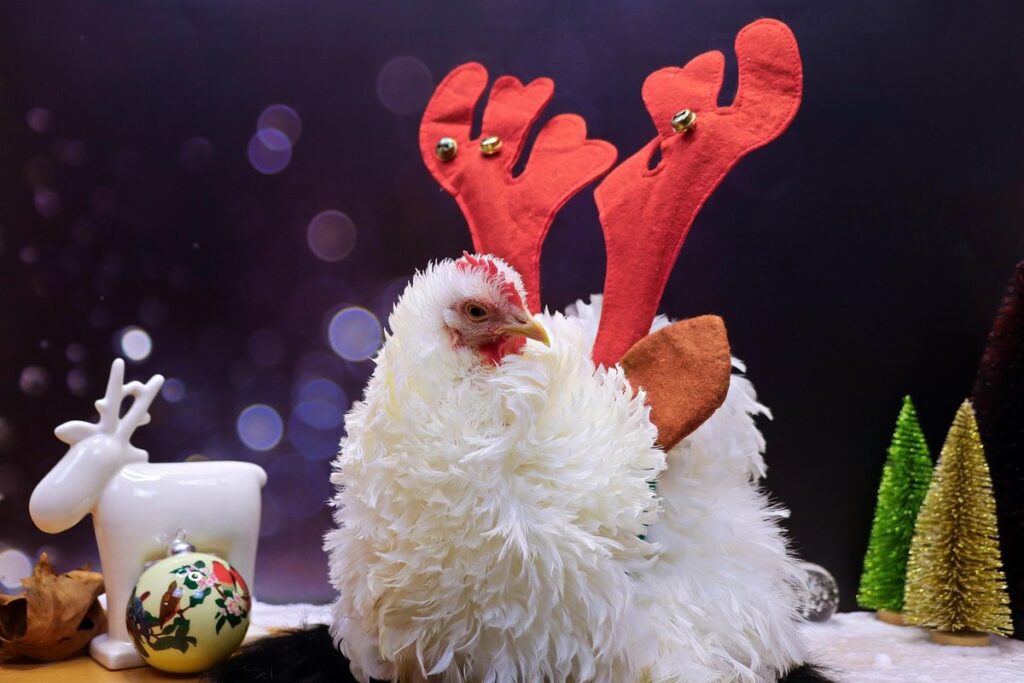
Introduction to Bantam Chicken Cochins
Bantam chicken cochin hens are known for their gentle and affectionate nature, making them a great choice for backyard chicken keepers who want a small but loving flock. Here, we’ll delve into what makes these adorable birds so special.
Characteristics and Origin of Bantam Cochins
The Bantam Cochin is an ancient breed that originated from China and was later developed in Europe. One of the most distinctive characteristics of this breed is its compact size, making it ideal for small farms and backyards. On average, a mature Bantam Cochin will weigh between 1-2 pounds (0.5-1 kg), which is significantly smaller than standard-sized chickens.
Their unique appearance also sets them apart from other breeds. Bantam Cochins have a fluffy, soft plumage that comes in various colors such as black, blue, buff, and silver. They have a sweet, gentle nature, making them an excellent choice for families with children or for those who want a low-maintenance pet.
Their history dates back to the 19th century when they were highly prized by European poultry enthusiasts for their distinctive appearance and friendly demeanor. Today, Bantam Cochins are still cherished for these same qualities, as well as their ability to thrive in small spaces.
Importance of Choosing Bantam Cochins as Pet Hens
When it comes to choosing pet hens, Bantam Cochins are an excellent option for many reasons. One of the main advantages is their friendly and docile temperament. They are known for being gentle and affectionate, making them a great choice for families with children or for people who want a low-maintenance pet. In fact, many owners report that their Bantam Cochins follow them around the yard, eager to socialize and interact.
Another benefit of choosing Bantam Cochins is their relatively small size, which makes them ideal for smaller backyard flocks or even for keeping in a coop on a balcony or patio. They require less space to roam and exercise, making them a great option for city dwellers or those with limited outdoor space.
In terms of egg-laying abilities, Bantam Cochins are reliable producers, laying around 100-120 small to medium-sized eggs per year. While their production may not be as high as some other breeds, the quality and consistency make up for it, making them a great choice for those who want fresh eggs on a regular basis.
Their calm nature also makes them relatively easy to handle during egg collection, which is a big plus for many backyard chicken keepers. Overall, Bantam Cochins offer a unique combination of charm, reliability, and low-maintenance care that makes them an excellent choice as pet hens.
Appearance and Size of Bantam Cochins
Bantam Cochin hens are renowned for their beautiful, fluffy plumage and compact size, making them a delightful addition to any backyard flock. Let’s take a closer look at what these charming birds typically look like.
Physical Characteristics: Plumage, Beak, and Comb
One of the most distinctive features of bantam cochins is their stunning plumage. These small hens have a soft, fluffy coat that can come in a variety of colors, including black, white, buff, and many shades in between. Their feathers are short and smooth to the touch, making them a joy to handle. The quality and length of their feathers will also vary depending on the individual bird’s genetics and living conditions.
Bantam cochins have a distinctive beak shape that is slightly curved upwards at the tip. This unique beak shape allows them to easily forage for food in tight spaces, making them well-suited to life in small backyards or even apartments with indoor space. The beak itself is also relatively small and gentle-looking, which belies its bird’s remarkable ability to scratch up seeds and grains.
Their comb style is another defining feature of bantam cochins. They have a single comb that sits atop their head, slightly above the eyes. This type of comb is known as a “pea comb,” and it’s relatively small compared to other chicken breeds. The pea comb is also more resistant to frostbite than some other types of combs, making bantam cochins well-suited to cooler climates.
In terms of practical advice, if you’re considering bringing home a bantam cochin, be sure to inspect their plumage and beak closely for any signs of damage or wear. Regular grooming can help keep your bird’s feathers in top condition, but it will also give you an opportunity to spot any potential health issues early on.
Weight Range and Height of Bantam Cochins
When it comes to the physical appearance of bantam cochins, one of the most distinctive features is their compact size. Adult bantams typically weigh between 1 and 2 pounds (0.5-1 kg), with males slightly larger than females. As for height, bantam cochin hens usually reach a maximum height of around 12 inches (30 cm) at the shoulder, while roosters can be slightly taller, reaching up to 14 inches (35 cm).
It’s essential to note that these sizes can vary depending on several factors, including breed lineage and individual genetics. Some bantam cochin varieties may grow larger or smaller than others, so it’s crucial to research the specific characteristics of your birds if you’re planning to raise them.
One way to ensure you’re getting a healthy bantam cochin is to purchase from reputable breeders who have done their due diligence in selecting for desirable traits. This can help minimize variations and give you a better idea of what to expect from your new flock members.
Temperament and Personality of Bantam Cochins
When it comes to temperament, bantam Cochin hens are known for their calm and gentle nature, making them a great addition to any backyard flock. They’re also surprisingly social and affectionate birds.
Docile Nature and Handling Ease
One of the most charming aspects of bantam cochins is their gentle nature and ease of handling. These small hens are known for being docile, friendly, and affectionate, making them an excellent choice for families with children or for backyard chicken enthusiasts who want a low-maintenance pet.
When it comes to handling bantam cochins, you’ll find that they are incredibly tame and will readily follow you around the yard. They are also surprisingly calm and quiet, unlike some other breeds of chickens that can be loud and boisterous. This gentle nature makes them an ideal choice for city dwellers or those who live in small spaces.
To build trust with your bantam cochin, start by offering treats and getting to know their personalities. You’ll soon find that they will come running to greet you whenever you approach the coop or run. With regular handling and socialization from a young age, bantam cochins can become incredibly tame and enjoy being handled, making them a joy to care for and interact with.
Their calm demeanor also makes them an excellent choice for beginners who are new to raising chickens, as they are easy to manage and require minimal supervision.
Socialization with Other Chickens and Humans
When it comes to socialization, bantam Cochin hens are known for their friendly and outgoing personalities. They thrive on interaction with humans and other chickens, making them a great choice for backyard flocks. One of the most important things you can do when raising bantam Cochins is to introduce them to other birds from an early age.
To get along with other chickens, it’s essential to socialize your Cochin hens well before introducing them to the rest of the flock. This means handling and interacting with them daily, starting from hatch. You can also try pairing a Cochin hen with another breed to help her learn how to interact with birds of different sizes and temperaments.
When it comes to humans, bantam Cochins are incredibly affectionate and loving. They’ll follow you around the yard, eager for scratches and treats. To encourage this behavior, make sure to spend quality time with your hens regularly, talking to them, and giving them attention. With proper socialization, your bantam Cochin hens will become beloved members of your family, bringing joy and entertainment to your backyard.
Egg-Laying Abilities of Bantam Cochins
If you’re considering raising bantam cochin hens for eggs, you’ll want to know how well they perform in this area and what factors can affect their output. Let’s take a closer look at their egg-laying abilities.
Average Egg Production per Year
When it comes to egg production, bantam cochin hens are known for their moderate output. On average, a healthy bantam cochin hen will lay around 120-180 eggs per year. This is relatively low compared to other breeds, but the trade-off is that these gentle girls produce eggs with rich, dark brown shells and yolks that are simply divine.
While some individual hens may lay more or fewer eggs, this range gives you a good idea of what to expect from your bantam cochin flock. Factors such as diet, health, and living conditions can all impact egg production, so make sure to provide your girls with plenty of fresh food, clean water, and a happy environment.
Keep in mind that bantams are naturally more prolific in terms of body size than larger breeds, but their eggs will be smaller as well. If you’re looking for a steady supply of eggs, consider keeping multiple hens together – this can lead to some lovely surprises in the nesting box! With proper care and attention, your bantam cochin hens should provide you with a consistent supply of these delicious treats for years to come.
Factors Affecting Egg Laying: Nutrition, Health, and Environment
When it comes to egg laying, bantam cochin hens are known for their moderate production. However, several factors can influence their performance. Proper nutrition is essential for optimal egg production. Bantams require a balanced diet rich in protein, calcium, and other essential nutrients to support their reproductive health.
A layer feed specifically formulated for small breeds like the bantam cochin should be the foundation of your hen’s diet. Supplementing with treats such as mealworms or dark leafy greens can also provide valuable nutrients. Adequate access to fresh water is equally important to prevent dehydration, which can negatively impact egg production.
In addition to nutrition, health and environmental conditions play a significant role in determining egg laying capacity. Stress caused by overcrowding, poor ventilation, or unsanitary living conditions can significantly reduce egg production. Regular health checks, vaccinations, and parasite control measures are necessary to ensure your hens remain healthy and productive.
Caring for Bantam Cochins: Housing, Diet, and Health
When it comes to raising happy and healthy bantam chicken cochin hens, their housing, diet, and health are crucial factors to consider. Providing the right care will ensure your feathered friends thrive in their new home.
Suitable Coop Size and Ventilation Requirements
When it comes to housing your bantam cochins, providing a suitable coop is essential for their health and happiness. A general rule of thumb is to provide at least 4-5 square feet per bird inside the coop, with additional space for nesting boxes and roosting bars. However, considering the smaller size of bantam cochins, a minimum of 2-3 square feet per bird may be sufficient.
Proper ventilation is also crucial in a bantam cochin coop. You’ll want to ensure that there are adequate windows or vents to allow for airflow and prevent moisture buildup. A good rule of thumb is to provide at least one square foot of venting area for every 10 square feet of coop space. This will help keep the air clean and fresh, reducing the risk of respiratory problems.
In addition to size and ventilation, consider using nesting boxes with a low entrance point (around 6-7 inches high) to make it easy for your bantam cochin hens to access.
Balanced Diets for Bantam Cochins: Grains, Proteins, and Supplements
When it comes to creating a balanced diet for your bantam Cochin hens, it’s essential to provide them with a mix of grains, proteins, and supplements. A good starting point is to offer a layer feed specifically formulated for small breeds like bantams.
Grains should make up about 50-60% of their diet, so choose high-quality oats, barley, or wheat as the base ingredients. You can also supplement with some fresh veggies like leafy greens, carrots, and sweet potatoes. However, be sure to limit treats to no more than 10% of their daily calorie intake.
Proteins are crucial for maintaining healthy feathers and strong egg-laying abilities. Include mealworms or crickets in moderation as a treat or add dried insect-based protein powders to their feed. For a nutritious boost, consider adding kelp powder or flaxseed oil rich in omega-3 fatty acids.
Avoid over-supplementing with calcium sources like crushed oyster shells, as this can lead to kidney issues. A balanced multivitamin specifically formulated for backyard flocks is also recommended. When introducing new foods or supplements, do so gradually to prevent digestive upset and ensure a smooth transition.
Breeding and Raising Bantam Chicks from Hatch to Maturity
If you’re planning to breed and raise bantam chicks, it’s essential to understand their growth stages and developmental needs from hatch to maturity. This section will walk you through these critical milestones.
Tips for Successful Brooding and Rearing
When it comes to raising bantam chicks from hatch to maturity, successful brooding and rearing practices are crucial for their growth and development. A well-planned and executed brood box is essential for providing the necessary warmth, humidity, and ventilation for newly hatched chicks.
Begin by setting up a safe and comfortable environment in the brood box, with adequate space for each chick to move around freely. Ensure the temperature remains between 90°F to 100°F (32°C to 38°C) during the first week, gradually decreasing it by 5°F (3°C) per week until it reaches about 70°F (21°C). Provide a shallow dish of water and a feeder that’s close to the ground for easy access.
Maintain proper ventilation in the brood box to prevent ammonia buildup from droppings. Use a fan to circulate air, but make sure it doesn’t blow directly on the chicks. Monitor their health closely, keeping an eye out for signs of respiratory distress or illness. With attention to these details and regular check-ins, your bantam chicks will be well on their way to becoming healthy, thriving hens.
Health Considerations: Common Diseases and Prevention Methods
As you embark on raising bantam chicken Cochins, it’s essential to be aware of common health issues that may affect your flock. Bantams are generally hardy birds, but like all breeds, they can be susceptible to certain diseases.
One of the most significant health concerns for bantam Cochins is mites and lice infestations. These external parasites can cause anemia, weight loss, and stress in the birds. To prevent this, make sure to regularly check your flock’s feathers and body for any signs of pests. Use a fine-tooth comb or brush to gently remove any visible parasites.
Another common issue is respiratory problems caused by dust and damp environments. Bantam Cochins are prone to conditions like bronchitis and pneumonia due to their compact bodies and relatively small lungs. Keep your coop clean, dry, and well-ventilated to reduce the risk of these diseases. Also, make sure to provide a balanced diet rich in nutrients, especially during the first few weeks after hatching.
Regular vaccinations and health checks can also help prevent common diseases like Newcastle disease and avian influenza. Consult with a veterinarian experienced in poultry care to develop a preventative healthcare plan for your bantam Cochin flock.
Frequently Asked Questions
How do I ensure proper socialization for my bantam cochin hens?
Proper socialization is crucial to develop confident and friendly birds. Start by introducing your bantam cochins to other chickens, humans, and new environments from an early age. Provide a balanced mix of individual attention, group interaction, and regular handling to help them become well-adjusted flock members.
What are some common health issues in bantam cochin hens, and how can I prevent them?
Common health issues in bantam cochins include respiratory problems, mites, and feather pecking. To prevent these issues, maintain a clean coop, provide regular vaccinations, ensure proper ventilation, offer a balanced diet, and monitor your flock’s overall health closely.
How do I determine the ideal size of my backyard for raising bantam cochin hens?
When determining if your backyard is suitable for bantam cochins, consider factors like space, shelter, and predator protection. A general rule of thumb is to provide at least 2-4 square feet per bird inside the coop and 8-10 square feet per bird in the outdoor run.
Can I raise bantam cochin hens indoors without a dedicated backyard?
Yes, it’s possible to raise bantam cochins indoors, but ensure you provide adequate ventilation, natural light, and space for exercise. Use indoor runs or aviaries to allow them to move freely and engage in physical activity.
How often should I collect eggs from my bantam cochin hens, and what are some tips for handling fragile eggs?
Collect eggs daily to encourage your hens to continue laying and to prevent breakage. Handle eggs gently, placing them in a carton or tray to cushion the impact if they do fall.