
Raising chickens can be an incredibly rewarding experience for kids, teaching them valuable life lessons about responsibility, compassion, and empathy. But when it comes to introducing little ones to the world of bantam chickens, it’s essential to choose breeds that are not only friendly but also gentle. In this article, we’ll explore the joys of raising bantam chickens with children, highlighting some of the best breeds for families, as well as practical tips on housing, feeding, and activities that promote learning and bonding. Whether you’re a seasoned farmer or a first-time parent looking to introduce your kids to animal care, we’ve got you covered. With our expert guidance, you’ll be able to create a fun and educational experience for the whole family to enjoy together.
Choosing a Pet-Friendly Bantam Breed
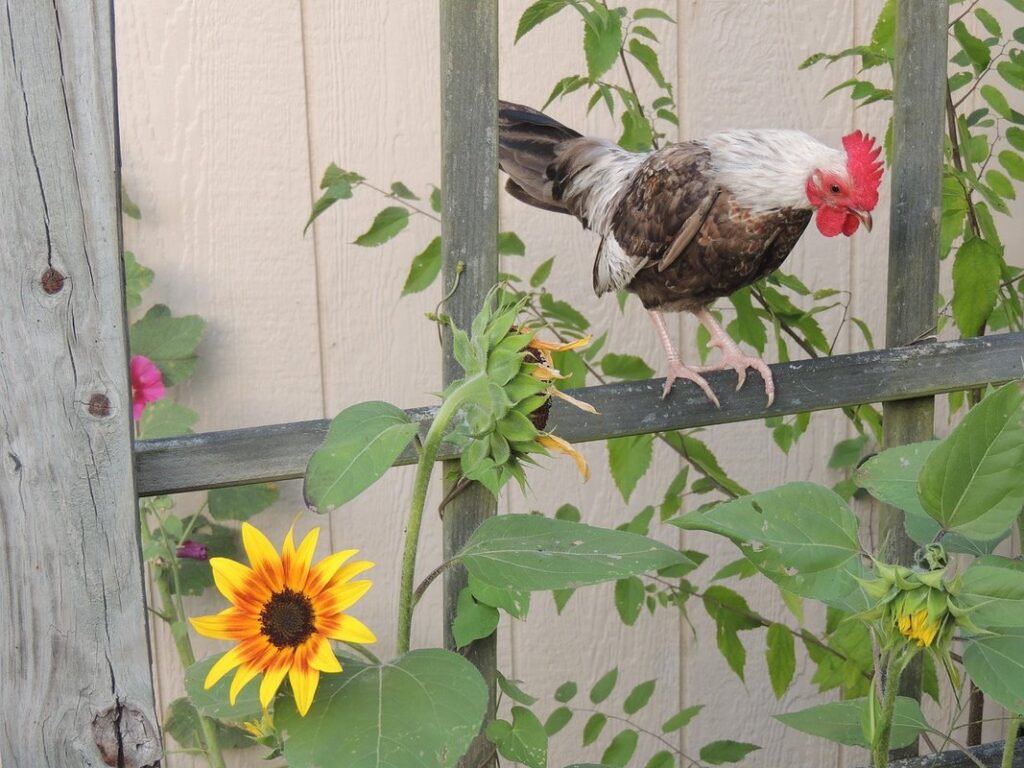
When choosing a pet-friendly bantam breed, consider those known for being gentle and tolerant of children’s noise and activity, such as Polish and Silkie bantams.
Characteristics of Bantams That Make Them Suitable for Families
One of the most significant advantages of bantams as pets is their compact size. Measuring between 10 and 24 inches tall, they don’t require a lot of space to roam around, making them an ideal choice for families with smaller backyards or those who live in apartments.
Their gentle nature is another characteristic that makes bantams suitable for families with children. Unlike larger chickens, bantams are not aggressive and are generally more docile. This trait makes them a great option for households with kids who may accidentally startle or disturb the birds.
Bantams are also highly adaptable to living spaces, which means they can thrive in a variety of environments. Whether you live in an urban area or a rural one, bantams can adjust to their surroundings quickly and remain happy and healthy.
In terms of handling, bantams are known to be friendly and outgoing, making them a pleasure to interact with. They can even become quite tame if handled regularly from a young age, which is perfect for families who want to teach their children about responsible pet care and animal handling.
Popular Pet-Friendly Bantam Breeds
When it comes to choosing a pet-friendly bantam breed that’s suitable for children, you’ll want to consider those known for their friendly and docile nature. Some of the most popular breeds that fit this bill include the Silkie Bantam, Polish Bantam, and Japanese Bantam.
The Silkie Bantam is a great choice for families with young children, as they are extremely gentle and affectionate. They have a soft, fluffy plumage and come in a variety of colors, making them a visually appealing addition to any backyard flock. However, it’s worth noting that Silkies can be prone to dust bathing, which means they’ll need regular cleaning sessions.
The Polish Bantam is another friendly breed that’s perfect for kids. They’re known for their intelligence and curious nature, but also tend to be quite laid-back. One of the benefits of owning a Polish Bantam is their relatively low egg-laying capacity, which can make them a great choice for families who don’t want to deal with daily egg collection.
The Japanese Bantam is often described as ” lap chickens” due to their affectionate and docile nature. They’re small in size but big on personality, making them an excellent choice for families with smaller children. However, they do require regular exercise and mental stimulation to prevent boredom and stress.
In terms of egg-laying ability, the Japanese Bantam is a moderate producer, laying around 100-120 eggs per year. This makes them a great choice for families who want to enjoy fresh eggs without having to deal with daily collection.
Housing and Equipment for Raising Bantams with Children
When raising bantams with kids, it’s essential to consider their living arrangements and equipment needs. This includes setting up a safe and suitable coop space for your little ones to assist with daily care.
Setting Up a Safe and Suitable Environment
When it comes to raising bantams with children, providing a safe and suitable environment is crucial for both the birds’ well-being and the kids’ learning experience. A well-designed coop or enclosure can be a great place for children to learn about responsibility, animal care, and even science.
To set up a child-friendly coop, start by considering the size and accessibility of the space. Ensure that it’s large enough for your bantams to move around comfortably, with adequate perches, nesting boxes, and ventilation. A good rule of thumb is to provide at least 2-3 square feet of floor space per bird.
When choosing a location for your coop, select an area that’s well-protected from predators and harsh weather conditions. Make sure it’s also close enough to your house so that children can easily tend to the birds without getting tired or bored. Consider adding windows, doors, and other features that allow kids to interact with the bantams while maintaining a safe distance.
To further enhance safety, install fencing around the coop or enclosure to prevent escape attempts by curious chickens or predators trying to get in. You can also add some entertaining features like swings, perches, or toys for the bantams to play on. This will not only keep them active but also provide endless fun for your kids!
Choosing the Right Feed and Supplements
Choosing the right feed and supplements is crucial to ensure that your bantams receive the necessary nutrients for optimal health. Bantams have different nutritional needs than larger chicken breeds, so it’s essential to provide them with a balanced diet specifically formulated for their size and age.
When selecting a feed for your bantams, look for a product labeled as “small fowl” or “bantam feed.” This type of feed is usually a mix of grains, proteins, and vitamins designed to meet the nutritional requirements of small birds like bantams. You can also consider adding supplements such as oyster shells or calcium to support strong eggshell production in hens.
Children can be involved in feeding and caring for the bantams by helping with tasks like measuring out feed, refilling water, and even mixing supplements into their food. This hands-on experience can help teach children about responsibility and empathy towards living creatures. Just remember to supervise children while they interact with the bantams to ensure everyone’s safety.
Child-Friendly Activities with Bantam Chickens
If you’re introducing your kids to backyard chickens, bantams are a fantastic choice for little ones to learn from and interact with. Let’s explore some fun activities they can do together!
Teaching Children About Responsibility and Compassion
Keeping bantams can be a wonderful way to teach children valuable lessons about responsibility, compassion, and empathy. Children can learn to care for another living creature, developing essential life skills that extend far beyond the coop.
To engage children in daily care and activities, start with simple tasks like collecting eggs from the nesting box. This encourages an understanding of where food comes from and fosters a sense of ownership. Next, involve them in feeding time by showing how to measure feed according to instructions and ensuring fresh water is always available.
Cleaning out the coop can also be a learning experience. Children can help remove soiled bedding, wash the nesting box, and disinfect feeding areas with a gentle detergent under adult supervision. By participating in these tasks, children develop responsibility and compassion for their bantam’s well-being.
Assigning specific tasks to each child can make caring for the bantams more manageable and rewarding. For example, one child might be in charge of monitoring food levels, while another is responsible for daily coop cleaning. This sense of ownership helps foster a deeper connection between children and their bantam pets.
Encouraging Learning Through Hands-On Experience
Children can learn valuable lessons about science, biology, and animal husbandry through hands-on experience with bantams. By involving kids in caring for these friendly chickens, you’ll be teaching them essential skills that will last a lifetime.
For instance, collecting eggs from the coop teaches children about reproductive cycles, fertility, and egg-laying processes. They’ll also develop an appreciation for where their food comes from and the importance of sustainable living. Feeding and watering bantams introduces kids to basic nutrition concepts, while monitoring temperature and humidity levels in the coop helps them understand ecological balance.
By engaging with bantams, children can observe firsthand the life cycle of these animals, from hatching chicks to molting adults. This immersive experience not only fosters a love for nature but also encourages curiosity, observation skills, and critical thinking. You can even set up a simple incubator or brooder for kids to learn about embryonic development.
Encourage children to ask questions and explore the bantam’s behavior, habits, and habitats. By doing so, you’ll not only educate them but also nurture their innate curiosity and creativity.
Health Considerations When Raising Bantams with Children
When raising bantams with children, it’s essential to consider potential health risks associated with handling and caring for these birds. We’ll explore some important considerations to ensure a safe and enjoyable experience for both kids and pets.
Identifying and Managing Health Issues
When raising bantams with children, it’s essential to be aware of common health issues that may affect these small birds. Bantams are generally a hardy breed, but they can be prone to certain health problems if not properly cared for.
Some common health issues to watch out for include respiratory infections, which can be caused by damp environments or poor ventilation. Children can help with monitoring the coop’s temperature and humidity levels, ensuring it remains dry and well-ventilated. Additionally, bantams may develop mites, lice, or feather pecking disorders due to stress or nutritional deficiencies.
Teach your children how to inspect their feathers for signs of external parasites or excessive pecking. Encourage them to report any unusual behaviors or visual cues, such as labored breathing, lethargy, or changes in appetite. When suspecting a health issue, consult with a veterinarian experienced in poultry care. With regular monitoring and proper management, you can help prevent or address these issues promptly, keeping your bantams healthy and happy for years to come.
Children can also assist with maintaining cleanliness within the coop, reducing the risk of disease transmission.
Keeping the Environment Clean and Hygienic
Maintaining a clean and hygienic environment is crucial when raising bantams with children. Not only does it prevent the spread of diseases among humans, but it also keeps our feathered friends healthy and happy. As children are often more prone to curiosity and exploration, they can unintentionally contaminate food and water sources or even disturb the birds’ living quarters.
To keep the coop and surrounding area clean, assign tasks to your little ones! Children as young as 4-5 years old can help with simple chores like collecting eggs, sweeping up droppings, or watering plants. Encourage them to wash their hands thoroughly after interacting with the bantams and before handling food. You can even make it a fun game by creating a “Bantam Care Chart” where they get to mark off tasks as they complete them.
Teach your children how to properly clean the coop, including disinfecting surfaces and removing soiled bedding material. This will not only keep the environment healthy but also foster a sense of responsibility and empathy for our furry friends. By working together, you can create a safe and welcoming space for both humans and animals.
Benefits of Raising Bantams with Children
Raising bantam chickens can be a fantastic way for kids to learn responsibility and connect with nature, while also having fun with these friendly birds. In this section, we’ll explore the benefits of introducing bantams to children.
Developing Emotional Intelligence and Empathy
Raising bantams can be an incredibly rewarding experience for children, and it’s not just about teaching them responsibility – it’s also a great way to help them develop essential life skills like emotional intelligence and empathy. When kids are tasked with caring for another living creature, they begin to understand the needs and feelings of that animal.
As bantams require regular feeding, cleaning, and attention, children learn to prioritize tasks and make decisions based on what’s best for their feathered friends. This helps them develop a sense of compassion and understanding for other beings. By observing their bantams’ behavior and reactions, kids can pick up cues about emotional states – happy, stressed, or content.
As they nurture their bantams, children start to translate this knowledge into human relationships. They learn to consider others’ feelings, become more patient, and develop a deeper understanding of the importance of communication and empathy. For instance, if a child notices that their bantam is struggling with stress, they’ll be more likely to approach a friend who’s going through a tough time with kindness and support.
By involving children in bantam care, parents can foster a nurturing environment where emotional intelligence flourishes. As kids grow and develop these skills, they’ll become better equipped to navigate complex social situations and build stronger connections with others – both humans and animals alike.
Creating a Sense of Community and Connection
Keeping bantams can be a wonderful way to bring families closer together and create a sense of community. When children are involved in caring for these small birds, it encourages teamwork, responsibility, and compassion. They learn valuable life skills such as feeding, grooming, and monitoring the health of their pets.
As children tend to their bantams, they can share their experiences with friends and family members, fostering connections and friendships. For instance, your child can invite friends over to help collect eggs from the coop or show them how to feed the birds. This not only introduces kids to the joys of animal care but also helps build social skills.
To take it a step further, you can organize small gatherings or backyard potlucks where everyone gets involved in caring for the bantams. This collective effort can lead to some wonderful bonding moments and create lasting memories for your family.
Conclusion: Raising Bantam Chickens with Children – A Rewarding Experience
Raising bantam chickens with children can be a wonderful learning experience, teaching them valuable life skills and responsibilities. Now that we’ve covered the basics, let’s discuss how to make this a rewarding experience for both kids and adults alike.
Recap of Key Takeaways
Raising bantam chickens with children can be a truly rewarding experience, teaching valuable life lessons and fostering a deeper understanding of responsibility, compassion, and the importance of caring for another living creature. As we’ve explored throughout this article, bantams are an ideal choice for families with kids due to their friendly temperament, hardiness, and adaptability.
One of the key takeaways from our discussion is that educating children on proper chicken care and handling is crucial for a successful and enjoyable experience. By involving your child in daily tasks such as feeding, watering, and cleaning the coop, they’ll not only learn essential skills but also develop a deeper appreciation for the needs and well-being of these amazing birds.
In addition to teaching responsibility, raising bantams can also promote compassion and empathy in children. By observing their behavior, personality, and individual quirks, kids will begin to understand that animals have feelings too – just like us. This newfound understanding can translate into better relationships with all living creatures and a greater appreciation for the interconnectedness of our ecosystem.
As we’ve seen throughout this article, bantams are incredibly easy to care for, making them an excellent choice for families new to raising backyard chickens. With minimal space requirements and a low-maintenance diet, these birds can thrive in even the smallest of backyards or urban environments.
To ensure a smooth and enjoyable experience, remember to:
* Supervise children during interactions with bantams to prevent any potential harm
* Set clear expectations and rules for handling and caring for the birds
* Encourage empathy and understanding through hands-on learning experiences
* Be prepared to answer questions and provide guidance as your child learns and grows
By following these simple tips and embracing the unique bond that forms between humans and animals, you’ll not only be raising happy, healthy bantams but also fostering a deeper sense of connection and responsibility within your family.
Frequently Asked Questions
Can bantams be kept indoors if I have limited outdoor space?
Bantams can be kept indoors, but it’s essential to provide a suitable enclosure or coop that meets their needs for exercise and socialization. A minimum size of 2×4 feet per bird is recommended, with adequate ventilation and protection from drafts. Regular cleaning and monitoring of indoor bantams is crucial to maintain their health.
How often should I clean the coop and run when raising bantam chickens with children?
Cleaning the coop and run regularly is vital for maintaining a healthy environment. Aim to clean the coop every 1-2 weeks, removing soiled bedding, droppings, and uneaten feed. Disinfect all surfaces thoroughly, and replace bedding materials as needed. This will help prevent the spread of diseases and keep your flock healthy.
What’s the best way to handle aggressive bantams or those that become fearful of children?
If you notice a bantam displaying aggression or fear towards children, it’s crucial to intervene promptly. Gradually introduce the child into the bird’s environment, starting with visual interactions and progressing to gentle touch under close supervision. Reward calm behavior and consult an expert if issues persist.
How do I prevent bantams from escaping or getting injured while interacting with children?
To minimize risks, ensure the coop and run are securely fenced, and the door is closed when not supervised. Supervise interactions closely, especially during feeding and cleaning activities. Teach children to handle bantams gently and humanely, and establish clear rules for interacting with them.
Can I raise bantams in an apartment or small backyard if I have limited space?
Yes, bantams can thrive in smaller spaces, but it’s crucial to provide adequate housing, ventilation, and sunlight. A minimum size of 2×4 feet per bird is recommended, with a secure enclosure that protects them from predators. Regular cleaning and monitoring will help maintain their health and happiness in smaller environments.