
If you’re considering adding some miniature charm to your backyard flock, you might be wondering about bantam chicks and Silkies. These adorable birds are a favorite among backyard chicken enthusiasts due to their small size, friendly nature, and unique characteristics. But before bringing home these pint-sized poultry, it’s essential to understand what makes them tick – from their temperaments and care requirements to breeding and raising tips. In this article, we’ll delve into the world of bantam chicks and Silkies, covering everything you need to know about raising and caring for these lovable birds. Whether you’re a seasoned chicken keeper or just starting out, our comprehensive guide will walk you through the ins and outs of bantam chicks and Silkies, so you can make informed decisions about your flock.
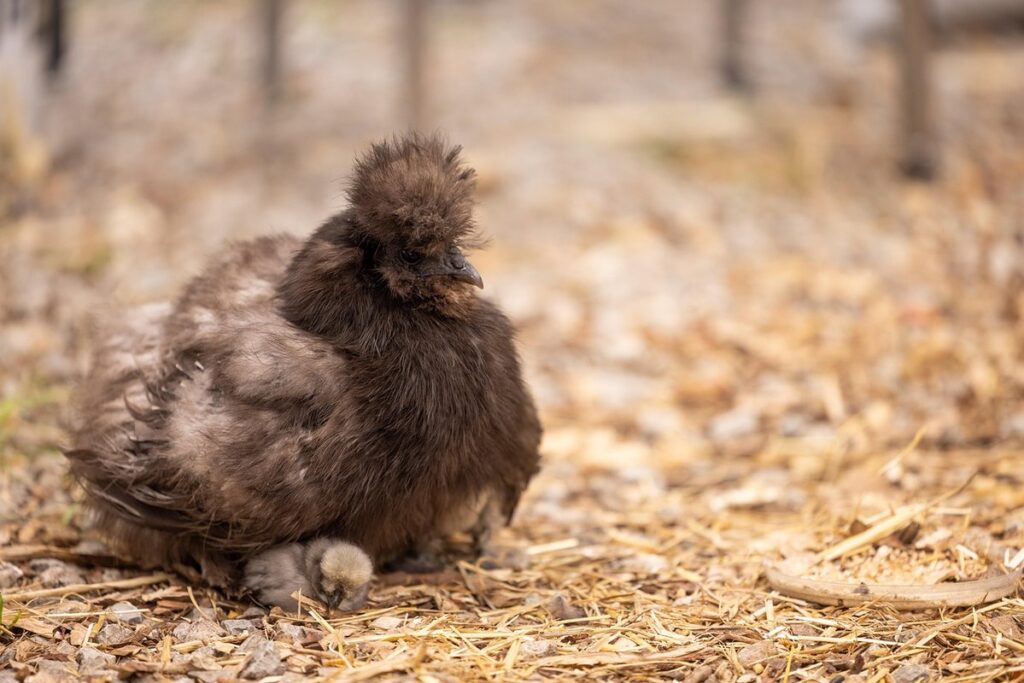
What are Bantam Chicks?
If you’re new to raising bantam Silkies, understanding what makes them unique can be just as exciting as watching them grow. Let’s start by exploring the basics of these adorable little chickens.
Definition and Origins
Bantam chicks are essentially smaller versions of their standard-sized counterparts. They have the same temperament and characteristics but on a much tinier scale. You can imagine it like comparing a toy car to its full-size equivalent – both may share the same features, but one is just miniature.
The history of bantams dates back thousands of years to ancient Egypt, Greece, and Rome. These small birds were highly valued for their eggs and meat, as well as for entertainment purposes in gladiatorial games. In fact, it’s recorded that Emperor Augustus had a flock of bantam hens kept in the palace.
Bantams differ from standard-sized chickens in several ways. They have smaller wings, which makes them unable to fly long distances but still allows them to flutter short hops around the yard. Adult bantams typically weigh between 1 and 3 pounds (0.5-1.5 kg), depending on breed, while standard-sized birds can tip the scales at up to 10 pounds or more.
When it comes to choosing a breed of bantam chick to raise, Silkies are one of the most popular varieties. Known for their soft, fluffy coats and affectionate nature, Silkies make wonderful pets.
Characteristics of Bantam Chicks
When it comes to bantam chicks, their physical characteristics are as adorable as they are unique. At birth, these tiny bundles of fluff typically weigh between 1-2 ounces and measure around 4-5 inches in length. Despite their small stature, bantam chicks have a plump body shape that’s just too cute to handle.
One of the most distinctive features of bantam chicks is their plumage. Silkies, in particular, are known for their fluffy, soft feathers that resemble cotton candy. These little balls of fluff often have muffs on their heads and beards around their faces, which add to their irresistible charm. As they grow, you can expect their plumage to become even more vibrant and luscious.
When observing your bantam chicks, pay attention to their body shape and proportions. Silkies tend to have a more compact build than other breeds, with a slightly rounded abdomen and short legs. Despite these physical quirks, these little chickens are built for life and will grow into healthy, happy adults if given proper care and attention.
What is a Silkie?
Let’s dive right into what makes Silkies so unique and special, starting with their fascinating history and characteristics that set them apart from other breeds.
Introduction to Silkies
If you’re new to the world of bantam chicks, chances are you’ve come across the adorable Silkie breed. Hailing from Asia, Silkies have been a beloved favorite among chicken enthusiasts for centuries. Their unique appearance is what sets them apart – soft, fluffy plumage that resembles fur, hence their name.
One of the most distinctive features of Silkies is their gentle nature. They’re friendly, docile birds that are perfect for backyard flocks or families with children. In fact, they’re often described as “lap chickens” due to their affectionate and social personalities.
When it comes to their physical characteristics, Silkies come in a variety of colors, including white, black, blue, buff, and wheaten. They have small combs and minimal feathering on their legs, which makes them well-suited for hot climates or small spaces. With proper care and attention, Silkies can thrive as pets, providing endless entertainment and joy to their owners.
Their friendly demeanor also makes them a great choice for first-time chicken keepers, as they’re easy to handle and train. So if you’re thinking of adding a new feathered friend to your family, consider giving the Silkie breed a try!
Silkie Characteristics
Silkies are known for their unique and endearing physical characteristics. One of the most distinctive features is their fluffy feathers, which give them a soft and cuddly appearance. Their feathers are not only thick but also have a tendency to curl at the ends, making them look even more adorable.
In addition to their charming looks, Silkies are also famous for their gentle nature. They are often described as friendly, docile, and calm, making them an excellent choice for families with children or for people who want a low-maintenance pet. Silkies are not aggressive and tend to get along well with other birds.
Another notable characteristic of Silkies is their small size. As bantam chickens, they weigh between 2-3 pounds and stand about 10-13 inches tall, making them the perfect addition to any backyard flock or as a solo pet. Their compact size also means they require less space and food compared to larger breeds.
Silkies come in a variety of colors, including white, black, blue, and buff, adding to their charm and uniqueness.
Choosing Between Bantam Chicks and Silkies
So, you’re torn between bantam chicks and silkies – two adorable breeds that make great pets. In this next part, we’ll help you decide which one is right for your flock.
Factors to Consider
When deciding between bantam chicks and Silkies, there are several key factors to consider. First and foremost, think about the space you have available for your flock. Bantams are a great choice for small backyard flocks or even apartment dwellers with access to a balcony or patio, as they require minimal space and can thrive in tight spaces. In contrast, Silkies require more room to roam and exercise, so if you’re living in a compact urban area, bantams might be the better option.
Another important consideration is your level of experience as a chicken keeper. Bantam chicks are relatively low-maintenance and easy to care for, making them an excellent choice for beginners. They’re also less prone to health issues, which can be a major advantage for newbies. Silkies, on the other hand, require more attention and handling due to their gentle nature and potential for health problems.
Ultimately, personal preferences play a significant role in this decision. If you want a low-maintenance pet that’s easy to handle, bantams might be the way to go. But if you’re looking for a unique and affectionate breed that will bond with you, Silkies could be the perfect fit. Consider your lifestyle, experience level, and what you’re willing to commit to in terms of care and attention before making your decision.
Breeding and Raising Bantams vs. Silkies
When it comes to breeding and raising bantam chicks versus Silkies, there are some key differences to consider. While both types of birds can make wonderful pets, they have unique needs that must be met.
Bantam chicks, being a general term for small chickens, require less space and nutrients compared to larger breeds. However, their specific nutritional needs vary depending on the breed within the bantam category. For example, some bantams like the Dutch Bantam require more protein in their diet due to their high energy levels.
Silkies, known for their fluffy coats and gentle nature, have different health considerations. They are prone to obesity if overfed, so it’s essential to monitor their food intake closely. Additionally, Silkies can be sensitive to heat stress, making proper ventilation and temperature control crucial in their enclosures.
When socializing bantam chicks, start by introducing them to other birds from a young age. This helps build confidence and reduces aggression later on. For Silkies, it’s recommended to provide plenty of space for them to roam and exercise, as they can be prone to feather plucking if bored or stressed.
Caring for Your Bantam Chicks or Silkies
Now that your bantam chicks or Silkies have settled into their new home, it’s time to focus on providing them with the best care possible. This section will cover essential tips for keeping your little flock happy and healthy.
Nutrition and Feeding
When it comes to feeding and nutrition for bantam chicks and Silkies, providing them with the right diet is crucial for their growth and overall health. As a bantam chick owner, you’ll want to start with a high-quality starter feed that’s specifically formulated for young birds.
Begin by introducing a starter feed that contains around 18-20% protein, which will help support rapid growth and development. You can also supplement with crushed oyster shells or grit to ensure they’re getting enough calcium for strong bone growth. As your chicks grow into pullets (around 16 weeks), you’ll want to transition them to a layer feed that contains around 16-18% protein.
Remember, treats are essential too! Fresh veggies like leafy greens, carrots, and sweet potatoes are great options. Avoid giving them high-sugar or high-fat foods, as these can lead to health problems. For Silkies in particular, it’s recommended to stick with a balanced layer feed that contains around 16% protein.
When feeding treats, make sure they’re fresh and of good quality. Some great options include mealworms, sunflower seeds, and pumpkin seeds.
Health Considerations
Bantam chicks and Silkies are prone to certain health issues that require attention from day one. Respiratory problems are a common concern, especially during the first few weeks of life. These can be caused by factors such as inadequate ventilation, poor air quality, or even humidity levels that are too high.
Mites and lice infestations are another issue you might encounter. Mites can cause discomfort, anemia, and weight loss in chicks, while lice can lead to stress, irritation, and secondary infections. Regular checks for these pests under a magnifying glass or with a cotton swab are essential. Dusting the coop with diatomaceous earth can help prevent infestations.
Proper nutrition is also crucial in maintaining healthy bantam chicks and Silkies. A balanced diet rich in vitamins, minerals, and protein should be provided to ensure optimal growth and development. Make sure to provide fresh water at all times and maintain a clean living environment by removing soiled bedding and disinfecting surfaces regularly.
To prevent health issues from arising, keep your flock’s enclosure well-ventilated and draft-free. Monitor temperature levels closely, keeping them between 90-100°F (32-38°C) for the first few weeks. Avoid overcrowding, which can lead to increased stress and disease transmission.
Bantam Chicks vs. Silkies: Which One is Right for You?
When it comes to choosing between bantam chicks and silkies, one breed may be better suited to your lifestyle than the other, depending on what you’re looking for. Let’s break down the key differences.
Space Requirements
When considering bringing home either bantam chicks or Silkies, it’s essential to think about the space requirements for these adorable birds. Both breeds are known for their compact size, but they still need adequate room to roam and exercise.
Bantams can thrive in a variety of environments, from small backyards to apartments with balconies. However, if you’re planning to keep multiple bantams together, it’s recommended to have at least 2-3 square feet of floor space per bird inside the coop. This will give them room to move around and stretch their wings.
Silkies, on the other hand, require a bit more space due to their gentle and social nature. They love to roam and forage, so a minimum of 4-5 square feet of floor space per bird is recommended. When it comes to outdoor areas, both breeds need access to fresh air and sunlight.
For a small flock or backyard setup, a coop size of around 2×3 feet can be sufficient for bantams. For Silkies, you may want to consider a slightly larger coop, such as 3×4 feet. Remember, these are general guidelines, and the specific needs of your birds will depend on their age, breed, and individual personalities.
Time Commitment and Maintenance
When it comes to deciding between bantam chicks and Silkies as backyard pets, one important consideration is the time commitment required for their care. Both breeds are popular choices, but they do have different needs when it comes to daily tasks, weekly chores, and seasonal maintenance.
Daily tasks for bantam chicks include providing fresh food and water, collecting eggs from your nesting boxes (if you have a laying breed), and ensuring their coop is clean and free of drafts. For Silkies, daily care involves similar tasks, but they also require more attention to grooming, as their fluffy feathers can mat and tangle easily. In fact, Silkies need to be combed at least twice a week to prevent matting and keep them comfortable.
In terms of weekly chores, both breeds require regular cleaning of the coop and run, including removing soiled bedding material and replacing it with fresh pine shavings or straw. You’ll also want to check for any signs of pest infestations or disease in your flock.
As for seasonal maintenance, bantam chicks are more sensitive to extreme temperatures than Silkies, so you’ll need to ensure their coop is well-insulated and protected from the elements during cold winter months. In contrast, Silkies can tolerate warmer temperatures but may require extra shade and ventilation in hot summer weather.
Breeding Bantam Chicks or Silkies: Tips and Best Practices
Breeding bantam chicks or silkies requires attention to specific needs and techniques, so let’s dive into the best practices for success. Whether you’re a seasoned breeder or just starting out, we’ve got you covered!
Choosing a Breeders
When it comes to choosing a breeder for bantam chicks or Silkies, there are several factors to consider. First and foremost, research the breeder’s reputation and experience with Bantams and Silkies. Check online reviews, ask for referrals from other breeders or experienced owners, and look for testimonials on their website.
Another crucial aspect is ensuring that the breeder prioritizes health and temperament. Reputable breeders will have a clear vaccination policy in place and will be transparent about any genetic testing they’ve done on their birds. You should also look for evidence of proper handling and socialization techniques to guarantee your new chicks or Silkies are friendly and easy-going.
Additionally, consider the breeder’s commitment to sustainability and animal welfare. A responsible breeder will prioritize humane treatment, clean living conditions, and a balanced breeding program that doesn’t put excessive pressure on their birds.
To further verify a breeder’s reputation, check if they’re registered with a national breed association or have affiliations with reputable organizations. Finally, trust your instincts – if something feels off or you sense dishonesty, it’s best to explore other options.
Health Testing and Registration
When it comes to breeding bantam chicks and Silkies, health testing and registration are crucial aspects that can make or break a reputable breeding program. These processes ensure that the birds you’re working with are not only healthy but also genetically sound.
Health testing involves conducting various tests to identify genetic defects, diseases, or other issues that could affect the fertility, egg-laying capacity, or overall health of your birds. This includes tests for conditions like Marek’s disease, Newcastle disease, and salmonella. By identifying potential problems early on, you can make informed decisions about which birds to breed and avoid passing on genetic defects.
To register your birds, you’ll need to submit them to a reputable association, such as the American Bantam Association (ABA) or the Silkie Club of America. These organizations maintain records of registered birds, ensuring that only healthy, genetically sound individuals are bred.
When searching for certified breeders, look for those who have had their flocks tested and registered with these organizations. This will give you peace of mind knowing that your new additions to the flock are coming from a reputable source.
Frequently Asked Questions
Can I raise bantam chicks indoors, or do they require outdoor space?
Yes, you can raise bantam chicks indoors, but it’s essential to provide them with enough space to move around and exercise. A dedicated coop or enclosure within your home can work well for a small flock. However, ensure proper ventilation and adequate light exposure for the birds.
How often should I collect eggs from my Silkie bantams?
Bantam Silkies are prolific layers, but their egg production slows down as they mature. Expect around 200-300 eggs per year, depending on factors like nutrition, health, and breed quality. Collect eggs daily to maintain cleanliness and prevent breakage.
Can I breed my own bantam chicks without experience in poultry breeding?
While it’s possible to breed your own bantams with some knowledge and practice, success requires a good understanding of genetics, broodiness, and incubation techniques. If you’re new to breeding, consider consulting experienced breeders or taking courses to ensure the best outcomes for your flock.
How do I determine the sex of my bantam chicks?
Sexing bantam chicks can be challenging due to their small size and similar characteristics. The most reliable method is vent sexing by a qualified professional. Alternatively, wait until they reach around 12-16 weeks old, when males will begin to develop combs and wattles.
Can I mix bantams with larger breeds in the same flock?
Mixing bantam breeds with larger ones can be challenging due to size differences, aggression levels, and space requirements. If you decide to integrate different breeds, ensure a suitable coop design, adequate space per bird, and proper introduction techniques to minimize stress and conflict within your flock.