
If you’re an avid chicken enthusiast or just starting to build your backyard flock, chances are you’ve come across the charming Bantam Cochin Frizzle. This delightful breed has captured the hearts of many with its adorable fringed feathers and friendly demeanor. But beyond their endearing appearance, Bantam Cochin Frizzles offer a wealth of knowledge for poultry keepers to learn from. In this comprehensive guide, we’ll delve into the history of this unique breed, covering their care, management, and health considerations. You’ll also discover expert tips on breeding and showing these lovable birds, as well as their potential uses in backyard flocks or as show chickens. Whether you’re a seasoned breeder or just starting out, our guide will walk you through everything you need to know about Bantam Cochin Frizzles.
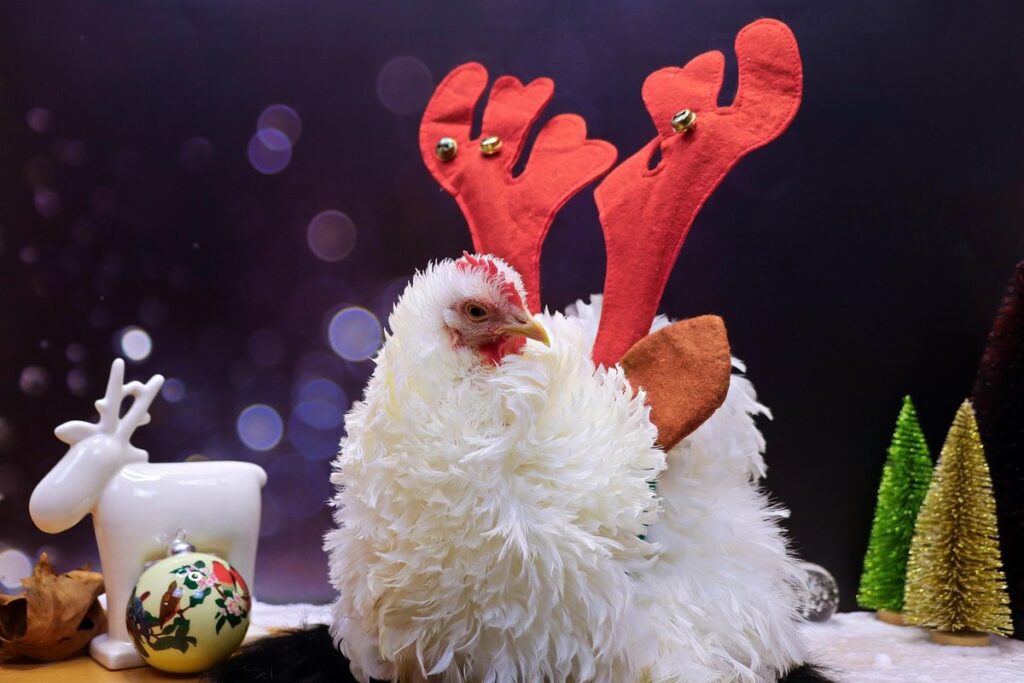
The History and Origin
Let’s dive into where the Bantam Cochin Frizzle originated, tracing its roots back to early chicken breeds and exploring how it developed over time. This unique breed has an interesting history that’s worth uncovering.
Early Development of Cochins
The origins of the Cochin breed date back to ancient China, where these majestic birds were highly valued for their striking appearance and gentle nature. According to historical records, Chinese farmers selectively bred local game fowl with pheasants to create a larger, more ornamental bird. This early development laid the foundation for the modern Cochin breed.
Over time, European breeders discovered the Cochin and imported them to Europe in the 19th century. They further refined the breed by crossing it with other large fowl breeds, resulting in a range of variations, including the Bantam Cochin Frizzle we know today.
Interestingly, early illustrations of Cochins from this period showcase birds with shorter, more rounded bodies and larger combs than their modern counterparts. This suggests that breeders were actively working to emphasize desirable traits while maintaining the breed’s distinctive charm.
The evolution of the Cochin breed is a testament to human dedication and selective breeding. By understanding the early development of this magnificent bird, we can appreciate the intricate history behind its stunning appearance and intriguing personality.
Introduction of the Frizzled Gene
The introduction of the frizzled gene to the Cochin breed marked a significant turning point in its history. This unique genetic trait, which causes the feathers to be twisted and curled, was first identified in the early 20th century. The frizzled gene is responsible for the distinctive “frizzle” or “curl” appearance of the feathers on a Bantam Cochin’s body.
As the frizzled gene began to be selectively bred into the Cochin breed, it brought about a range of unique characteristics that have since become synonymous with the Bantam Cochin Frizzle. One of the most striking effects of the frizzled gene is its ability to create an incredibly soft and fluffy texture on the bird’s feathers. This is due in part to the way the gene causes the barbs to twist and curl, creating a dense and insulating layer of feathers.
In terms of practicality, the introduction of the frizzled gene has made Bantam Cochin Frizzle’s some of the most lovable and low-maintenance pets around. Their soft feathers make them a joy to handle, and their unique appearance sets them apart from other breeds in a charming way.
Historical Significance in Poultry Keeping
The Bantam Cochin Frizzle has its roots in the early 20th century, when poultry keeping was a popular hobby among farmers and backyard enthusiasts. In fact, the breed’s ancestor, the Cochin, originated in China during the Qing dynasty (1644-1912). The Cochin was brought to Europe by British traders and quickly gained popularity for its friendly nature and exceptional egg-laying abilities.
As the years went by, poultry keepers began experimenting with different breeds, resulting in the development of various bantam varieties. The Bantam Cochin Frizzle, with its unique frizzy feathers, became a sought-after breed due to its endearing appearance and charming personality. By the mid-20th century, the breed had gained widespread recognition among poultry enthusiasts.
To this day, the Bantam Cochin Frizzle remains a beloved breed among backyard chicken keepers and show enthusiasts alike. Its rich history and cultural significance make it a fascinating topic for study and appreciation. If you’re considering adding one of these charming birds to your flock, be prepared to be charmed by their friendly nature and impressive egg-laying abilities.
Physical Characteristics and Variations
The Bantam Cochin Frizzle is a unique bird with several physical characteristics that set it apart from other breeds. This section explores its distinct traits in detail, including variations within the breed.
Overview of Bantam Size
When it comes to size, Bantam Cochins are significantly smaller compared to their standard counterparts. On average, a mature Bantam Cochin stands about 10-12 inches (25-30 cm) tall and weighs around 1-2 pounds (0.5-1 kg). This compact size is one of the defining characteristics of Bantam breeds.
In comparison to Standard Cochins, which can reach heights of up to 22 inches (56 cm), Bantams are roughly half their size. However, despite their smaller stature, Bantam Cochins still possess a sturdy and robust build, with a well-rounded body and short, compact legs. Their overall proportions remain similar to those of the Standard breed, but on a much smaller scale.
If you’re new to keeping Bantams, it’s essential to remember that their size means they require more attention to detail when it comes to housing and care. You’ll need to provide them with plenty of space to move around comfortably, as well as ensure they have access to adequate food and water at all times.
Frizzle Feathers: Unique Features
The frizzle feathers of the Bantam Cochin are one of its most recognizable and charming features. These unique feathers have a distinctive texture that sets them apart from other breeds. The frizzle feathers are often described as “crinkled” or “curly,” with a delicate, wavy pattern that gives the bird an endearing appearance.
In terms of length, frizzle feathers can vary in size, but they tend to be shorter than the bird’s body. This is because the feathers have a tendency to curl and twist, giving them a more compact appearance. The overall effect is one of softness and delicacy, which suits the Bantam Cochin’s gentle nature.
One of the key characteristics of frizzle feathers is their ability to “freak out” – in other words, they tend to curl and twist even further as the bird matures. This can be a delightful surprise for breeders who are watching their birds develop. However, it also requires a bit of patience and understanding, as the final appearance of the frizzle feathers may not be immediately apparent.
Rumplessness and Other Anatomical Traits
One of the most distinctive features of the Bantam Cochin Frizzle is its unique physical characteristics. In terms of rumplessness, Bantam Cochins do not have a tail, which is one reason why this breed has been popular for so long – it’s easy to manage and maintain, especially in urban environments where space can be limited.
Other notable anatomical traits include their compact bodies, which are perfect for small spaces, and their short, sturdy legs. Their feathers are another key characteristic of the Bantam Cochin Frizzle: soft, fluffy, and frizzy (hence the name!), they come in a variety of colors including black, white, brown, and blue.
When selecting a Bantam Cochin Frizzle, it’s essential to consider these physical characteristics. For example, if you live in an apartment or have limited outdoor space, the breed’s compact size is a definite advantage. Similarly, if you’re looking for a bird with low-maintenance feathers, the frizzy coat of the Bantam Cochin Frizzle is a great option.
If you do decide to get a Bantam Cochin Frizzle, be prepared to provide regular grooming to prevent matting and tangling of their long feathers. Regular brushing will also help keep their plumage looking its best.
Care and Management for Bantam Cochin Frizzle Owners
To ensure your beloved Bantam Cochin Frizzle stays happy and healthy, it’s essential to understand their unique care and management needs in a small-space setting. This section will walk you through those requirements.
Housing Requirements
When it comes to providing a happy and healthy home for your Bantam Cochin Frizzle, their living conditions are of utmost importance. These birds require a spacious and comfortable enclosure that meets their unique needs.
Ideally, a Bantam Cochin Frizzle should have about 2-4 square feet of floor space per bird, which is larger than what most other bantams need. This allows them to stretch out comfortably and engage in natural behaviors like foraging and dust bathing. The enclosure should also be tall enough to allow the birds to stand upright and move around freely.
In terms of layout, a coop or aviary with multiple perches at different levels will help keep your Bantam Cochin Frizzles entertained and stimulated. You can add toys and accessories like ladders, swings, and treat-dispensing devices to create a fun and engaging environment. Remember to place the enclosure in a quiet, draft-free area of your home or yard to minimize stress on the birds.
By providing ample space and opportunities for exercise, socialization, and exploration, you’ll be giving your Bantam Cochin Frizzle the best possible chance at a happy and healthy life.
Diet and Nutrition
When it comes to feeding your Bantam Cochin Frizzle, providing a balanced diet is essential for their overall health and well-being. These birds are considered gentle giants due to their large size compared to their egg-laying capacity. As a result, they require a nutrient-rich diet that meets their energy needs.
A good starting point is to offer a high-quality commercial layer feed as the main staple of your Bantam Cochin Frizzle’s diet. This should account for about 70-80% of their daily caloric intake. Supplement this with fresh fruits and vegetables, such as leafy greens, carrots, and apples, which provide essential vitamins and minerals.
However, it’s essential to avoid overfeeding, as obesity is a common health issue in Bantam Cochins. Limit treats to about 10-15% of their daily diet, and choose nutrient-dense options like mealworms or crickets instead of sugary snacks.
By following these guidelines, you can help ensure your Bantam Cochin Frizzle stays healthy and thrives under your care. Monitor your bird’s weight regularly and adjust their diet accordingly to avoid any potential health complications.
Health Considerations: Common Issues
As a Bantam Cochin Frizzle owner, it’s essential to be aware of the common health issues that can affect these delightful birds. Due to their unique characteristics and genetic makeup, they are prone to some specific conditions that require attention from owners.
One of the most significant concerns is their susceptibility to respiratory problems, particularly in humid environments or with inadequate ventilation. This can lead to issues such as bronchitis, pneumonia, and even cancer. To mitigate this risk, ensure your coop has proper airflow and maintain a clean environment by removing soiled bedding regularly.
Additionally, Bantam Cochin Frizzles are prone to obesity, which can exacerbate other health issues. Limit treats and ensure access to plenty of fresh fruits and vegetables. Regular exercise is also crucial, so engage your birds in activities that stimulate movement and play.
Monitoring their beak growth is another critical aspect, as overgrown beaks can lead to eating difficulties and infections. Keep an eye on the condition of your bird’s beak and trim it regularly if necessary.
Breeding and Showing Bantams
Whether you’re a seasoned breeder or just starting out, this next part of our guide is all about bringing your bantam cochin frizzle to their full potential through breeding and showing. We’ll walk you through the basics of getting started with these activities.
Selective Breeding for Desired Traits
When it comes to breeding Bantam Cochins, selecting the right pair with desirable traits is crucial. This not only ensures that you’re producing birds with the characteristics you want but also helps maintain genetic diversity within the breed.
To start, identify the specific traits you’d like to emphasize in your flock. Do you prefer a certain feather pattern, beak shape, or temperament? Make a list of these desired traits and use it as a guide when selecting breeding pairs. Consider factors such as egg-laying capacity, hardiness, and docility.
When choosing breeding pairs, look for birds that exhibit the traits you want to pass on to their offspring. For example, if you’re aiming for a bird with a particularly vibrant frizzle pattern, select a pair where both parents have this characteristic. However, be cautious not to inbreed too closely, as this can lead to health problems and reduce genetic diversity.
Incorporating new bloodlines through strategic breeding can help introduce fresh traits and prevent the breed from stagnating. Research reputable breeders who specialize in Bantam Cochins and consider purchasing birds from them to inject new genetics into your flock.
Show Preparation Tips
When it comes to showing your Bantam Cochins, preparation is key. Grooming is an essential aspect of show preparation for Bantams, and their frizzle feathers require special care. Regularly brush the coat with a soft-bristled brush to prevent matting and tangling, paying extra attention to areas prone to knotting.
Presentation techniques are crucial in showcasing your bird’s unique characteristics. Stand your Bantam Cochin upright on its legs, ensuring it is relaxed and confident. Practice handling your bird regularly to help it become accustomed to being handled by judges and spectators.
When presenting your Bantam at a show, remember that cleanliness is essential. Ensure the coop and surrounding area are well-ventilated and free from odors. A clean environment will contribute to a healthier bird, which is always an advantage in the show ring.
In preparation for the show, make sure you have all necessary equipment, including a sturdy show box, perches, and fresh water. On the day of the show, arrive early to set up your exhibit and ensure everything is organized and easily accessible.
When interacting with judges, be confident and respectful. Answer any questions they may have about your bird’s breed, characteristics, or temperament. Remember, showcasing your Bantam Cochin is not just about winning a prize; it’s also an opportunity to share knowledge and enthusiasm for this delightful breed.
Key Competition Categories
When showing Bantam Cochins at exhibitions and competitions, it’s essential to understand the key competition categories that evaluate these delightful birds. The American Bantam Association (ABA) and the American Poultry Association (APA) are two prominent organizations that host shows and provide guidelines for judging.
In ABA shows, Bantams are categorized into three main groups: Light, Medium, and Heavy. Within each group, Bantams are further divided based on their size, plumage type, and breed characteristics. For example, the Bantam Cochin Frizzle is typically shown in the Light class due to its compact size.
When evaluating a Bantam Cochin Frizzle, judges look for specific characteristics such as fluffiness of feathers, tail length, and beak shape. To ensure your bird stands out in competition, pay attention to these details and make adjustments accordingly. Regular grooming sessions can help maintain the desired fluffiness and neatness of the feathers.
In addition to ABA guidelines, APA shows also have specific categories for Bantams based on their breed type and characteristics. Familiarize yourself with both sets of rules to ensure you’re prepared when showing your Bantam Cochin Frizzle at exhibitions.
Bantam Cochin Frizzle in Modern Times
As you consider bringing home a bantam cochin frizzle, let’s explore how these charming birds have adapted to modern life and what you can expect from their temperament.
Current Popularity and Community Engagement
The Bantam Cochin Frizzle has experienced a resurgence in popularity over the past decade. Social media platforms like Instagram and YouTube are filled with enthusiasts showcasing their feathered friends, sharing tips on breeding, and highlighting their unique personalities.
One reason for this renewed interest is the growing trend of keeping backyard chickens. As people become more aware of sustainable living and self-sufficiency, they’re looking for breeds that thrive in smaller spaces and offer a low-maintenance experience. The Bantam Cochin Frizzle fits perfectly into this category, making it an attractive choice for urban dwellers.
Online forums and poultry-keeping communities have also played a significant role in fueling the interest in this breed. Enthusiasts share their knowledge, experiences, and advice on everything from incubation to show preparation. By participating in these online discussions, potential owners can gain valuable insights into what it takes to raise a healthy and happy Bantam Cochin Frizzle.
As you consider bringing home a Bantam Cochin Frizzle, remember to research local regulations regarding backyard chickens and ensure that your new pet has the best possible start in life. With proper care and attention, these delightful birds will reward you with companionship and entertainment for years to come.
Potential Uses for Bantam Cochins: Pet, Meat, or Egg Production
When it comes to Bantam Cochins, their versatility makes them suitable for various purposes. As pets, they’re known for their friendly and docile nature, making them an excellent choice for families with children or as companions for seniors. Their small size requires minimal space, ideal for urban dwellers or those with limited yard space.
However, Bantam Cochins can also be used for meat production. Due to their compact build and slow growth rate, they’re often preferred over larger breeds. This makes them a cost-effective option for farmers looking to increase egg or meat production without straining resources.
Another potential use is egg production. Although not as prolific as some other breeds, Bantam Cochins are known to lay around 100-120 eggs per year. Their small size and moderate egg production make them suitable for small-scale operations or backyard flocks.
When deciding on the purpose of your Bantam Cochin Frizzle, consider their temperament, growth rate, and space requirements. This will help you determine whether they’re best suited as pets, a source of meat, or used in egg production.
The Future of the Breed: Conservation Efforts
As we explore the world of Bantam Cochins, it’s essential to consider their conservation status and the efforts being made to protect this charming breed. The American Bantam Association (ABA) has listed the Bantam Cochin Frizzle as a critical breed, highlighting its vulnerability due to low registration numbers and limited breeding.
Conservation efforts are underway to ensure the long-term survival of the Bantam Cochin Frizzle. Many breeders are working together to create a genetics bank, which will help preserve the breed’s unique characteristics. This initiative aims to safeguard against genetic diversity loss by storing semen and egg samples from top-performing birds.
In addition to these efforts, enthusiasts can contribute to conservation by adopting responsible breeding practices. This includes selecting birds with desirable traits, avoiding inbreeding, and maintaining detailed records of lineage. By taking an active role in preserving the Bantam Cochin Frizzle’s genetic heritage, we can help ensure its continued presence in the poultry world.
As a breed enthusiast, you play a vital part in safeguarding this unique breed for future generations. By joining forces with other breeders and conservationists, together we can make a lasting impact on the long-term survival of the Bantam Cochin Frizzle.
Resources and Further Reading
If you’re interested in learning more about bantam cochin frizzle care or want to dive deeper into their history, we’ve got you covered with some valuable resources and expert advice.
Organizations Supporting Poultry Keeping
If you’re new to poultry keeping and bantam breeding, it’s essential to connect with organizations that can offer guidance, support, and resources. Here are some reputable groups and breed associations dedicated to the world of poultry:
The American Bantam Association (ABA) is a great starting point for learning about bantams, including the Cochin Frizzle breed. They provide a wealth of information on breeding, showing, and caring for bantams. The ABA also offers a breeder directory, which can connect you with experienced bantam enthusiasts.
Another valuable resource is the Backyard Chickens community, a online forum where poultry keepers share knowledge, ask questions, and showcase their flocks. You’ll find expert advice on building coops, feeding your birds, and more.
For those interested in preserving heritage breeds like the Cochin Frizzle, consider joining the Heritage Poultry Network (HPN). This organization supports conservation efforts and provides a platform for breeders to share knowledge and resources.
The Small Flock Poultry Association is another excellent resource, offering advice on raising small flocks and providing access to expert breeders who can answer your questions.
Recommended Literature and Online Forums
If you’re eager to dive deeper into the world of Bantam Cochin Frizzle or need guidance on specific aspects of their care and breeding, there are numerous valuable resources available.
Start by exploring online forums where enthusiasts share knowledge, experiences, and best practices for raising these unique birds. Websites like Backyard Chickens, Chicken Forum, and Reddit’s r/chickens community offer a wealth of information, from health tips to housing advice.
If you prefer more in-depth content, several books cover the Bantam Cochin Frizzle breed extensively. “The Bantam Fanciers Guide” by Robert C. Jones is an excellent resource for those new to the breed, while “Bantams: Breeding and Keeping” by David Lumb gives a comprehensive overview of bantam care.
Additionally, consider joining local or national poultry clubs dedicated to the preservation and promotion of heritage breeds like the Bantam Cochin Frizzle. Networking with experienced breeders can provide invaluable guidance and help you stay up-to-date on breed-specific developments.
Incorporating these resources into your learning process will not only enhance your understanding but also foster a sense of community among fellow enthusiasts.
Frequently Asked Questions
Can I keep a Bantam Cochin Frizzle as a pet, or are they better suited for showing?
Bantam Cochin Frizzles make wonderful pets due to their friendly nature, but they also excel in show competitions. If you’re interested in keeping one as a pet, be prepared to provide adequate space and care, including regular grooming of their unique fringed feathers.
What’s the average lifespan of a Bantam Cochin Frizzle?
The average lifespan of a Bantam Cochin Frizzle is around 8-12 years. Proper care, nutrition, and health check-ups can significantly contribute to a long and healthy life for your feathered friend.
Can I breed Bantam Cochin Frizzles with other breeds, or should I stick to within-breed breeding?
Bantam Cochin Frizzles can be bred with other Bantams, but it’s essential to research the characteristics you want to achieve in your offspring and choose a compatible breed. Be aware of potential genetic considerations when crossing different breeds.
How do I prepare my Bantam Cochin Frizzle for show competitions?
Preparation for shows involves regular grooming, attention to physical health, and understanding the specific competition categories and standards for the Bantam Cochin Frizzle breed. Research local and national associations, attend workshops, or consult with experienced breeders to gain valuable insights.
Can I keep my Bantam Cochin Frizzle in a backyard flock, or are they better suited as solo birds?
Bantam Cochin Frizzles can thrive in a well-managed backyard flock, provided you ensure adequate space and resources for each bird. However, due to their friendly nature, they may require extra attention and socialization if kept with other breeds or species.