
Are you thinking of adding some new feathered friends to your backyard flock, or perhaps looking for a low-maintenance pet? If so, you might want to consider Bantam Cochin hens! These adorable birds have been charming chicken enthusiasts with their gentle nature and beautiful appearance for centuries. As a popular choice among small-scale poultry keepers, Bantams are known for their impressive egg-laying potential despite their compact size. But what makes them so special? In this article, we’ll delve into the history of these lovable hens, discuss their temperament and needs, and provide you with expert tips on how to raise them as pets or backyard chickens, ensuring you get the most out of their egg-laying potential.
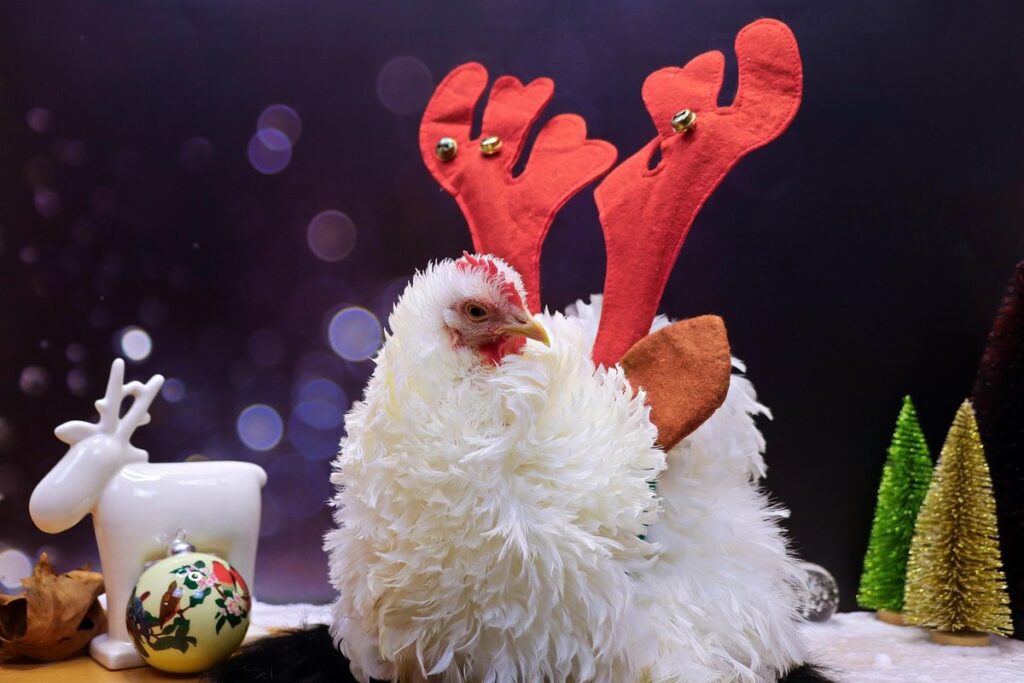
Characteristics and Origins
Bantam Cochin hens are beloved for their unique characteristics, which we’ll delve into next. Let’s explore where these charming birds originated from and what makes them so special.
History of the Breed
The origins of the bantam Cochin hen date back to ancient Asia, where this small but mighty breed was prized for its unique characteristics. The ancestors of the modern bantam Cochin were likely crossed with other Asiatic breeds to create a compact, gentle bird that excelled in foraging and egg-laying.
The first recorded introduction of the Cochin breed to Europe occurred in the 15th century, when they were brought by Portuguese traders from India. The breed quickly gained popularity among European poultry enthusiasts due to its docile nature and impressive egg production capabilities.
In the late 19th century, British breeders began developing bantam versions of the Cochin, which were bred down from their larger counterparts through careful selection and line-breeding. This process resulted in a smaller, yet equally charming bird that retained all the characteristics that made its full-sized counterpart so beloved by farmers and backyard chicken keepers alike.
Today’s bantam Cochin hen is a testament to the dedication of breeders who sought to create a miniature version of this iconic breed. Despite their small stature, these birds are robust and capable of thriving in a variety of environments.
Physical Description
Bantam cochin hens are renowned for their distinctive physical appearance. One of the most notable features is their compact size, which typically ranges from 10 to 14 inches in height. Despite their miniature stature, they possess a sturdy build and a rounded body shape that exudes gentle charm.
Their plumage is another defining characteristic of this breed. Bantam cochin hens boast an impressive array of feather colors, including silver-laced, gold-tailed, and buff. Their feathers are soft, fluffy, and intricately layered, giving them a luxurious appearance. The hackle feathers on their necks and shoulders add a striking touch, while the tail feathers are often adorned with delicate fringes.
On average, bantam cochin hens weigh between 1.5 and 2 pounds. While they may be small in stature, they possess a robust constitution that allows them to thrive in a variety of environments. If you’re considering bringing home a bantam cochin hen, be prepared for her to become an endearing companion with a personality as unique as her physical appearance.
Temperament and Personality
Bantam Cochin hens are known for their gentle and affectionate nature, making them an excellent choice for backyard flocks. They are highly social birds that thrive on human interaction, so they’ll often seek out attention from their owners. If you’re looking to add a feathered friend to your family, the Bantam Cochin hen is an ideal breed.
In terms of egg-laying behavior, Bantam Cochin hens are prolific layers, producing around 120-150 brown eggs per year. However, they tend to be more laid-back about their egg production compared to other breeds. You can expect them to lay one or two eggs per week, depending on factors like nutrition and living conditions.
If you’re concerned about the safety of your flock, rest assured that Bantam Cochin hens are generally docile birds. They get along well with other chickens and even other pets in the household, making them an excellent choice for families with children. However, as with any bird breed, it’s essential to socialize them properly from a young age to ensure they grow into confident and friendly adult hens.
To bring out the best in your Bantam Cochin hen, make sure to provide her with plenty of space to roam and exercise. A minimum of 2-3 square feet per bird is recommended, so don’t be afraid to invest in a spacious coop or enclosure. With proper care and attention, your Bantam Cochin hen will reward you with years of companionship and delicious eggs.
Raising Bantam Cochins as Pets or Backyard Chickens
If you’re considering raising bantam cochin hens, you’ll want to know how to care for them and whether they make better pets or backyard chickens. Let’s dive into their specific needs.
Housing and Equipment Needs
When it comes to raising bantam cochins as pets or backyard chickens, providing suitable housing and equipment is crucial for their health, safety, and well-being. Bantams require more space than larger breeds, so make sure you have a spacious coop with adequate ventilation. A good rule of thumb is to allocate about 2-3 square feet per bantam inside the coop, plus additional outdoor space.
In terms of nesting boxes, bantams will need one box for every 4-5 hens, and they should be at least 12 inches wide, 12 inches deep, and have a sloping roof. It’s essential to place nesting boxes in a quiet, secluded area where your hens can feel safe and secure.
The run should be at least 8 feet by 10 feet for bantams, but larger is always better. You’ll want to ensure that the fencing is sturdy enough to prevent escape attempts and predators from getting in. Don’t forget to provide plenty of perches and roosting bars for your bantam cochins to climb on and roost at night.
A secure coop and run will protect your birds from harsh weather conditions, predators, and potential health issues. Remember to clean the coop regularly to keep your bantams healthy and happy.
Diet and Nutrition
When it comes to raising bantam cochins as pets or backyard chickens, their dietary needs are just as crucial as providing them with a safe and comfortable living space. Bantam cochins require a balanced diet that includes a mix of commercial feed, supplements, and foraging opportunities.
A good quality layer feed should be the foundation of your bantam cochin’s diet, providing essential nutrients such as protein, calcium, and vitamins. However, it’s also important to supplement their diet with fresh fruits and vegetables to ensure they get all the necessary vitamins and minerals. Some safe options include leafy greens like kale and spinach, as well as berries and citrus fruits.
In addition to commercial feed and supplements, bantam cochins need opportunities for foraging. This can be achieved by providing them with a dust bath area where they can scratch and peck at the ground, or by letting them free-range in a secure area. Foraging not only provides exercise but also helps to stimulate their natural behavior and encourage mental health.
Aim to provide your bantam cochins with about 20-25% of their daily calories through foraging opportunities. This can be achieved by adding small amounts of mealworms, suet, or sunflower seeds to their feed. By providing a balanced diet that includes commercial feed, supplements, and foraging opportunities, you’ll be able to keep your bantam cochins happy and healthy.
Health Considerations
As you raise your bantam cochin hens as pets or backyard chickens, it’s essential to be aware of common health issues that can affect this breed. Unfortunately, Bantams are more susceptible to parasites and diseases due to their small size and compact bodies.
One of the most prevalent health concerns for Bantam Cochins is internal parasites, such as mites and lice. Regular cleaning of the coop and runs, as well as monitoring your hens’ behavior, can help prevent infestations. It’s crucial to perform regular inspections, especially during the warmer months when pests thrive.
In addition to parasites, Bantam Cochins are also prone to respiratory diseases like bronchitis and pneumonia. This is often caused by poor ventilation in their living quarters or exposure to drafts. To mitigate this risk, ensure proper airflow in your coop and keep your hens’ environment clean and dry.
Regular health checks, a balanced diet, and proper care can go a long way in keeping your Bantam Cochins healthy. By being vigilant about these potential issues and taking preventative measures, you can enjoy the companionship of your bantams for years to come.
Breeding and Show Bantam Cochins
If you’re interested in breeding or showing bantam Cochins, understanding their specific requirements and best practices is essential for success. This section will cover the key factors to consider.
Breed Standards and Requirements
When it comes to breeding and showing Bantam Cochins, understanding breed standards is crucial. The American Bantam Association (ABA) and the American Poultry Association (APA) are two prominent organizations that set breed standards for Bantam Cochins.
According to these standards, a show-quality Bantam Cochin should weigh between 20-26 ounces, with males being slightly larger than females. However, size is just one aspect of a bird’s overall quality. Plumage quality and conformation are equally important. For example, the feathers on your Bantam Cochin should be lustrous, well-defined, and free from any imperfections.
When evaluating plumage quality, consider the following key factors:
• Softness: A show-quality Bantam Cochin’s feathers should feel soft to the touch.
• Texture: The texture of the feathers should be even and uniform throughout.
• Definition: Well-defined feathers that create a clean, crisp appearance are ideal.
• Color: Ensure that your bird’s color is true to breed standard, with no signs of fading or unevenness.
To achieve this level of quality, make sure to research and follow established breeding and care practices.
Breeding and Rearing Strategies
When it comes to breeding and rearing high-quality Bantam Cochin hens, careful selection methods are crucial. This involves choosing birds with excellent conformation, temperament, and egg-laying abilities. Look for hens that exhibit the breed’s characteristic fluffy plumage, compact build, and calm demeanor.
To select the right breeding stock, consider factors such as egg production, fertility, and hatchability rates. You may also want to evaluate your roosters’ ability to sire healthy offspring. To do this, observe how they interact with their hens and notice any signs of aggression or dominance issues.
For incubation techniques, make sure you have a reliable incubator that maintains optimal temperature (around 99-100°F) and humidity levels (50-60%). Fertilized eggs should be turned regularly to prevent sticking. Aim for an incubation period of around 21 days for the first egg and 22-24 days for subsequent eggs. Monitor temperature and humidity closely, as these can significantly impact hatch rates.
By adopting a thoughtful breeding program and following proper incubation techniques, you’ll increase your chances of raising healthy, thriving Bantam Cochin hens that excel in both performance and appearance.
Showing and Marketing Cochins
When it comes to showing and marketing your Bantam Cochin hens, presentation is key. Start by making sure they are well-groomed, with clean feathers and a neat beak. This not only makes them look their best but also shows attention to detail, which can give you an edge in the show ring.
Handling is another crucial aspect of showing Bantam Cochins. Practice gently lifting and supporting your birds to make handling feel natural for both you and the hen. When presenting at a show, be prepared to hold the bird securely without restricting its movement or causing it stress.
When marketing your hens, focus on highlighting their unique characteristics, such as compact size and friendly temperament. Emphasize any awards or achievements they’ve received in shows. Create engaging descriptions that showcase the hen’s personality and appearance, using high-quality photos to help potential buyers visualize them.
Consider online marketplaces, poultry clubs, and social media platforms to reach a wider audience. Be prepared to answer questions from interested buyers and provide detailed information about your birds’ ancestry, health, and temperament. This will not only ensure you find the right home for your hens but also build trust with potential customers.
Egg-Laying Performance and Productivity
Bantam Cochin hens are known for their prolific egg-laying, but how many eggs can you expect from your flock? Let’s dive into the average productivity of these charming birds.
Average Egg Production
When it comes to egg-laying performance, bantam Cochin hens are known for their moderate productivity. On average, a healthy bantam Cochin hen will lay around 120-150 eggs per year. However, this number can vary depending on several factors.
Nutrition plays a significant role in determining egg production. A balanced diet rich in protein, calcium, and vitamins is essential to support the hens’ reproductive health. Make sure your flock has access to high-quality feed that meets their nutritional needs. Additionally, providing supplements like oyster shells or crushed eggs can help meet their calcium requirements.
Breed characteristics also influence egg-laying performance. Bantam Cochin hens are known for their friendly and docile nature, but this breed’s smaller size means they’ll naturally produce fewer eggs than standard-sized breeds.
Health issues can also impact egg production. Keeping your flock healthy through regular vaccinations, parasite control, and good hygiene practices is crucial to maintaining their reproductive health.
It’s worth noting that bantam Cochin hens tend to start laying eggs at a slightly older age compared to other breeds – around 20-24 weeks. With proper care and management, you can expect your bantam Cochin hen to maintain a steady egg-laying pace throughout the year.
Egg Size and Quality
Bantam Cochin hens are renowned for their delightful personalities and impressive egg-laying abilities. However, when it comes to the characteristics of their eggs, many backyard chicken keepers might be curious about what to expect.
In terms of size, Bantam Cochin eggs are relatively small, typically measuring around 1.5-2 ounces in weight and approximately 1.75 inches in length. Their shape is usually oval or slightly pointed at the large end, and they often have a slight tapering towards the small end. The color of the eggshell can vary from white to light brown, although some Bantam Cochin hens may lay eggs with a slightly speckled or freckled appearance.
When it comes to shell quality, Bantam Cochin eggs tend to be sturdy and less prone to cracking compared to larger breeds. This is partly due to the hen’s compact size and robust bone structure. As an egg collector, you can expect the shells to be relatively smooth, although some may exhibit minor ridges or textures.
To maximize your Bantam Cochin hens’ egg-laying potential, it’s essential to provide them with a balanced diet, adequate space for movement, and regular health checks. With proper care, these delightful birds will reward you with an impressive number of high-quality eggs each year.
Tips for Optimizing Egg-Laying
Maximizing egg-laying potential is a top priority for many Bantam Cochin hen keepers. To optimize performance, it’s essential to focus on nutrition, management practices, and breeding considerations.
Firstly, ensure your hens are receiving a balanced diet rich in protein, calcium, and vitamins. Provide high-quality layer feed or a mix of grains, fruits, and vegetables. Supplement with crushed eggshells for extra calcium, which is vital for strong eggshell production. A study by the University of California found that laying hens fed a calcium-rich diet produced eggs with significantly stronger shells.
Regular management practices also play a crucial role in maintaining peak egg-laying performance. Ensure adequate light exposure, as Bantam Cochin hens require around 14 hours of daylight to produce well. Maintain clean living conditions, and ensure access to fresh water at all times. A dirty or overcrowded coop can lead to stress, which negatively impacts egg production.
In breeding considerations, prioritize selecting hens with a strong family history of high egg-laying performance. Research the breed’s genetic potential for laying eggs and choose birds that excel in this area.
Unique Benefits and Considerations
As you consider bringing a Bantam Cochin Hen into your flock, it’s essential to weigh the benefits against the considerations that come with owning one of these charming birds. Let’s explore what sets them apart from other breeds.
Feather Quality and Variety
Bantam Cochin hens are renowned for their exquisite feathers, which set them apart from other breeds. One of the most distinctive features of these birds is their soft and fluffy plumage. The gentle texture of their feathers makes them a joy to handle and provides excellent insulation against cold temperatures. Whether you’re looking to keep your bantam Cochin hens as pets or show them in competitions, their impressive feather quality is sure to turn heads.
In terms of variety, Bantam Cochin hens come in an array of colors and patterns. You can find solid-colored birds in shades like black, blue, and white, as well as beautiful bi-colors and tri-colors featuring intricate patterns on their feathers. Some popular varieties include the Black Breasted Red, the White Crested Black, and the Blue Birchen. When choosing a bantam Cochin hen, consider factors like feather quality and variety to ensure you select an individual that suits your needs.
When it comes to maintaining your Bantam Cochin hens’ beautiful feathers, remember to keep their coop well-ventilated to prevent moisture buildup, which can lead to health issues. Regular grooming is also essential to prevent matting and tangling of their soft plumage. By understanding the unique characteristics of bantam Cochin hens’ feathers, you’ll be better equipped to provide the care they need to thrive.
Low Maintenance Needs
One of the most appealing aspects of owning a Bantam Cochin hen is their relatively low maintenance needs compared to other breeds. This makes them an excellent choice for busy backyard chicken enthusiasts who want to enjoy the benefits of egg-laying hens without the high demands of more vigorous breeds.
Their small size, averaging around 10-12 inches in height, means they require less space and food than larger breeds. Bantam Cochin hens also have a gentle nature, which makes them easy to handle and integrate into existing flocks. Their calm demeanor reduces the likelihood of feather pecking and other social issues that can arise in more aggressive breeds.
In terms of care, Bantam Cochin hens are relatively low-maintenance in terms of grooming as well. They have a soft, fluffy plumage that requires regular cleaning but doesn’t need to be trimmed like some other breeds. This makes them an excellent choice for those new to backyard chicken keeping or who prefer a more relaxed approach to caring for their flock.
Overall, the Bantam Cochin hen’s low maintenance needs make them an ideal addition to many backyards and small farms.
Space-Efficient Breeds
One of the biggest advantages of raising Bantam Cochins is their space-efficient nature, making them an ideal choice for small-space backyard chicken keeping. With adult weights ranging from 1-3 pounds, these petite hens require significantly less housing and care compared to standard-sized breeds.
In terms of reduced housing requirements, you’ll find that a single Bantam Cochin can thrive in as little as 2-4 square feet of space within the coop, depending on your climate and management practices. This is due in part to their quiet and calm demeanor, which reduces stress and the need for expansive living areas.
To maximize space efficiency with your Bantam Cochins, consider incorporating a variety of perches, roosts, and nesting boxes tailored to their compact size. A smaller coop also means reduced feed and waste management needs, making it easier to maintain a clean and healthy environment for your flock. By keeping things simple and streamlined, you can enjoy the benefits of backyard chicken keeping even in the smallest of spaces.
Conclusion and Final Thoughts
In conclusion, the Bantam Cochin Hen is a delightful addition to any backyard flock. After learning about their gentle nature, striking appearance, and impressive egg-laying abilities, you may be convinced that they’re the perfect fit for your homestead. As you consider bringing one of these charming hens home, remember that their compact size requires extra care in providing adequate living space and nutrition. Make sure to provide a spacious coop with plenty of ventilation, and don’t forget to supplement their diet with a balanced feed specifically formulated for small-breed chickens.
As you enjoy the companionship and benefits of your Bantam Cochin Hen, take note of their unique quirks and characteristics. This will help you build a stronger bond with your feathered friend and ensure their overall health and happiness. With proper care and attention, these lovable hens can thrive in even the smallest of spaces.
Frequently Asked Questions
How often should I collect eggs from my Bantam Cochin hens to maintain their egg-laying potential?
Collecting eggs regularly will encourage your hens to continue producing eggs at an optimal rate. Aim to gather eggs daily or every other day, depending on your needs and the size of your flock. This will also help prevent any unwanted pests from nesting in the coop.
What are some common health issues I should be aware of when raising Bantam Cochin hens?
Bantam Cochins can be prone to respiratory issues due to their compact build. Make sure to provide a clean, well-ventilated living space and monitor your flock’s air quality regularly. Additionally, keep an eye out for signs of mites or lice infestations, as these can cause discomfort and stress.
Can I raise Bantam Cochin hens with other breeds in my backyard flock?
Bantams are generally docile and get along well with other breeds. However, introducing new birds to a mixed flock requires patience and caution. Start by keeping the Bantams separate for a few weeks before integrating them with your existing flock, ensuring both groups have enough space and resources.
How can I determine if my Bantam Cochin hens are laying eggs at their full potential?
Monitor your flock’s egg production over time to gauge their performance. Consider factors like age, nutrition, and living conditions when evaluating their egg-laying capacity. Additionally, keep an eye on individual birds that may be producing fewer eggs than others, as this can indicate underlying health issues or inadequate care.
Are Bantam Cochin hens suitable for small spaces like urban backyards or apartments?
Yes, Bantams are an excellent choice for small-scale poultry keepers due to their compact size and low-maintenance needs. However, ensure your living space meets local regulations regarding backyard chickens and provide adequate shelter, food, and water facilities for your flock.