
Are you considering adding some personality to your backyard flock with a Bantam Cochin rooster? These small but mighty birds have gained popularity among chicken enthusiasts due to their gentle nature and striking appearance. But before bringing one home, it’s essential to understand their unique characteristics, care requirements, and breeding needs.
As a responsible poultry owner, you want to ensure that your new addition thrives in its environment. That’s where we come in – this article is designed to provide you with everything you need to know about Bantam Cochin roosters. From their temperament and health considerations to housing and care requirements, we’ll cover it all. Whether you’re a seasoned breeder or just starting out, this guide will give you the confidence to raise happy and healthy birds that bring joy to your family for years to come.
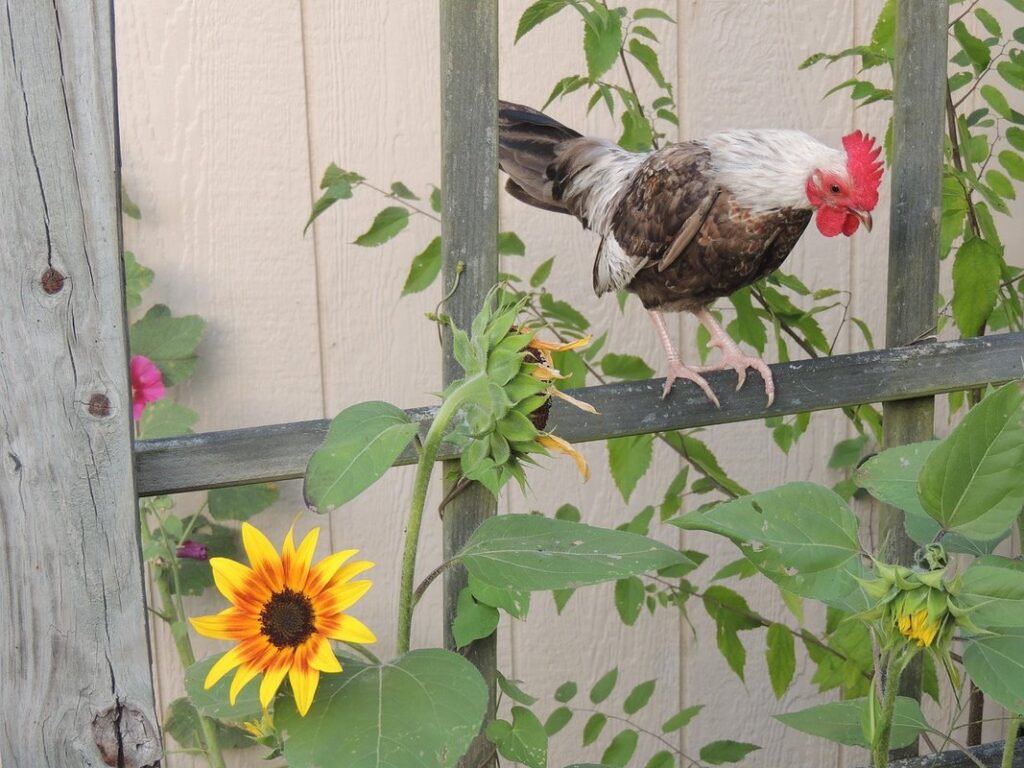
What is a Bantam Cochin Rooster?
If you’re new to chicken keeping, understanding what makes a Bantam Cochin rooster unique can be just as important as knowing its temperament and characteristics. This section will break down these defining features for you.
Origin and History of the Breed
The Bantam Cochin Rooster has its roots in ancient China, where large and miniature chicken breeds were developed for specific purposes. The breed’s ancestors date back to the Chinese Silkie, a small, fluffy bird prized for its soft feathers and gentle nature. Over time, Asian traders introduced these birds to Europe, where they crossed with other breeds to create the Modern Cochin, a larger and more robust fowl.
However, it was in the United States that the Bantam Cochin truly emerged as a distinct breed. In the late 19th century, American poultry enthusiasts began experimenting with miniature versions of popular breeds, including the Cochin. By selectively breeding these smaller birds, they developed the Bantam Cochin Rooster we know today.
Interestingly, the Bantam Cochin’s compact size and gentle temperament made it an ideal choice for backyard flocks and small farms. Its adaptability and hardiness also earned it a reputation as a reliable breed in extreme climates. Whether you’re a seasoned breeder or just starting out, understanding the origins of this charming bird can help you appreciate its unique characteristics and strengths.
Physical Characteristics of the Bantam Cochin Rooster
A bantam cochin rooster’s physical characteristics are one of its most distinctive and charming features. When it comes to size, these birds are small but mighty. On average, a mature bantam cochin rooster will reach about 10-12 inches (25-30 cm) in height, making them the perfect addition to small backyard flocks or even apartment dwellings.
Their plumage is another notable feature – soft and fluffy, with a mix of black, white, and gold feathers that create a stunning appearance. The beak shape is also distinctive, being short and broad, which helps the rooster forage for food efficiently. One other physical characteristic worth mentioning is the rooster’s weight, which typically ranges between 1-2 pounds (0.5-1 kg). In terms of overall build, bantam cochin roosters are known for their sturdy yet compact physique, making them well-suited to a variety of living situations.
If you’re considering bringing home a bantam cochin rooster, be prepared to be charmed by their miniature size and endearing appearance.
Temperament and Behavior
When it comes to personality, Bantam Cochin roosters are known for being friendly and outgoing, but also fiercely protective of their flock. Understanding these traits will help you integrate them into your backyard poultry setup successfully.
Personality Traits of the Bantam Cochin Rooster
When it comes to personality traits, Bantam Cochin roosters are known for their friendly and docile nature. They make excellent pets for families with children or for experienced poultry enthusiasts who want a low-maintenance companion. One of the most distinctive characteristics of the Bantam Cochin rooster is its gentleness – it’s not uncommon to see them follow their owners around the yard, exploring and interacting with their surroundings.
However, as with any rooster, it’s essential to remember that they can be territorial and may exhibit aggressive behavior when feeling threatened or during mating season. To minimize aggression, provide a safe and secure enclosure where your Bantam Cochin rooster can roam freely without feeling vulnerable. Additionally, socialization is key – introducing your rooster to other birds and people from an early age will help it develop good social skills and reduce the likelihood of aggression.
In terms of friendliness, Bantam Cochin roosters are known for their affectionate nature and will often form close bonds with their owners. With proper care and handling, they can become quite tame and even enjoy being picked up or cuddled.
Training and Handling Tips for the Bantam Cochin Rooster
Building trust with your Bantam Cochin rooster is crucial for effective training and handling. Start by allowing him to get accustomed to your presence gradually. Place treats near you while the bird is at liberty, so he learns that your proximity means a positive outcome. As he becomes more comfortable, introduce gentle petting and stroking on his back or neck, areas where roosters tend to enjoy being touched.
When it comes to training, use rewards-based methods instead of punishment, as Bantam Cochins can be sensitive birds. Focus on establishing clear communication with your bird using consistent commands and body language. Be patient and remember that these small birds may not pick up cues as quickly as larger breeds.
For handling, approach your rooster calmly and gently, speaking softly to reassure him. Always support his wings and tail when lifting or carrying him, as this breed can be prone to injury if dropped. By building trust and using positive reinforcement techniques, you’ll develop a strong bond with your Bantam Cochin rooster that will make handling and training easier over time.
Health Considerations for Bantam Cochin Roosters
When considering bringing a bantam Cochin rooster into your flock, it’s essential to think about their specific health needs and potential breed-specific issues that may arise. Let’s explore some key health considerations for these charming birds.
Common Health Issues Affecting the Breed
As a responsible breeder or owner of Bantam Cochin Roosters, it’s essential to be aware of potential health issues that can affect this breed. Respiratory problems are one common issue affecting Bantam Cochin Roosters. The breed’s compact size and flat faces make them prone to breathing difficulties, especially in hot or humid environments.
Feather Pecking Disorder (FPD) is another significant concern for Bantam Cochin Roosters. FPD can lead to excessive pecking at feathers, resulting in feather loss and stress for the birds. This disorder often stems from nutritional deficiencies, environmental factors, or even genetic predisposition.
To minimize the risk of respiratory problems and FPD, ensure your birds have access to a clean, spacious environment with adequate ventilation. Provide a balanced diet rich in protein and essential vitamins, and consider incorporating supplements specific to their breed needs. Regular health checks, proper husbandry practices, and socialization can also help mitigate these issues.
Tips for Maintaining Optimal Health in Your Bantam Cochin Rooster
Maintaining optimal health is crucial for your Bantam Cochin Rooster’s overall well-being and longevity. A balanced diet is essential to ensure your rooster receives all the necessary nutrients. Provide a high-quality commercial feed as the main staple, supplemented with fresh fruits and vegetables daily. Avoid overfeeding, as this can lead to obesity and related health issues.
Regular exercise is also vital for maintaining physical fitness. Ensure your rooster has access to a spacious coop or enclosed area where he can roam freely. Aim for at least 2-3 hours of supervised outdoor time daily, allowing him to engage in natural behaviors like scratching and foraging.
Preventative care tips are equally important. Regularly inspect your rooster’s living quarters for any signs of disease or parasites. Keep his coop clean, removing soiled bedding and droppings frequently. Schedule annual check-ups with a veterinarian to monitor overall health and catch potential issues early. By prioritizing nutrition, exercise, and preventative care, you can help keep your Bantam Cochin Rooster happy and healthy for years to come.
Housing and Environment Considerations for Bantam Cochin Roosters
When it comes to housing your bantam cochin rooster, consider its unique needs for optimal health and happiness, including space, ventilation, and protection from harsh weather conditions. Proper care will ensure a long and healthy life.
Space Requirements for the Breed
When it comes to housing and caring for your Bantam Cochin rooster, space requirements are essential to ensure their overall health and well-being. A general rule of thumb is to provide at least 2-4 square feet of floor space per bird inside the coop, with an additional 8-10 square feet of outdoor run space.
For a single Bantam Cochin rooster, a smaller coop or enclosure can be sufficient, but it’s essential to remember that these birds are social and prefer to have some company. If you’re keeping multiple Bantam Cochin roosters together, aim for at least 4-6 square feet of floor space per bird inside the coop.
In addition to floor space, consider the height and ventilation requirements for your coop. Bantam Cochin roosters are active birds that need room to move around and stretch their wings, so a minimum ceiling height of 2-3 feet is recommended. Adequate ventilation is also crucial to prevent ammonia buildup from droppings and keep the air fresh.
When planning your coop or enclosure, don’t forget to leave enough space for a nesting box or boxes if you’re keeping multiple females in the flock. A good rule of thumb is to provide one nesting box per 3-4 hens, with each box measuring around 12 inches wide, 12 inches deep, and 18 inches tall.
By considering these space requirements and planning your coop accordingly, you can create a comfortable and happy home for your Bantam Cochin rooster.
Tips for Creating an Ideal Living Space for Your Bantam Cochin Rooster
When it comes to creating an ideal living space for your Bantam Cochin rooster, there are several key factors to consider. First and foremost, ensure the coop is well-ventilated to prevent ammonia buildup from droppings. You can achieve this by adding windows or installing a ventilation system that allows fresh air to circulate.
Next, think about the bedding material. Bantam Cochin roosters prefer soft, dry bedding like straw or shredded paper, which will help keep them clean and comfortable. Avoid using pine shavings, as they can cause respiratory problems.
Lighting is also crucial for your rooster’s well-being. Provide a mix of natural light and artificial lighting to simulate day and night cycles. This will help regulate their circadian rhythms and reduce stress.
Lastly, consider adding some enrichment features like perches, ladders, or toys to keep your Bantam Cochin rooster stimulated and active. Rotate these items regularly to prevent boredom and encourage exploration. By following these tips, you can create a safe, comfortable, and engaging environment for your feathered friend.
Breeding and Raising Bantam Cochin Roosters
Breeding and raising bantam Cochin roosters requires careful consideration of their unique characteristics, including temperament and egg-laying abilities. If you’re new to raising these birds, this section is for you.
Understanding the Breeding Process for the Breed
Breeding Bantam Cochin roosters requires careful consideration and planning. When selecting breeding stock, it’s essential to choose birds that exhibit desirable traits such as exceptional temperament, good fertility, and robust health. A balanced and diverse gene pool is crucial for maintaining the integrity of the breed.
To manage the breeding cycle effectively, consider the following factors:
* Breeding age: Bantam Cochin roosters typically reach maturity between 4-6 months of age.
* Fertility rates: Ensure that both the rooster and hen are fertile and capable of producing viable eggs.
* Breeding season: The ideal breeding season for Bantam Cochins is from spring to early fall, allowing for a 12-week incubation period and optimal hatching conditions.
In selecting breeding stock, it’s also important to consider pedigree, size, feather quality, and overall conformation. A well-planned breeding program can help preserve the unique characteristics of this charming breed while promoting genetic diversity and reducing inbreeding. By carefully managing the breeding cycle, you can produce high-quality Bantam Cochin roosters that excel in both show and backyard settings.
Tips for Raising Chicks from Hatch to Maturity
Raising healthy chicks from hatch to maturity requires attention to their nutritional needs, brooding conditions, and socialization. When it comes to nutrition, provide a starter feed that’s rich in protein (around 20%) for the first few weeks. Supplement with calcium and phosphorus to support bone development. Ensure access to clean water at all times.
Proper brooding is crucial, as chicks need warmth, security, and draft-free conditions. Use a heat source like a heat lamp or a heat mat, and position it so the chicks can move away from it if needed. Maintain a temperature range of 90-100°F (32-38°C) for the first week.
Socialization is vital for healthy growth. Keep chicks in a group to mimic natural behavior. Provide enough space (around 1 sq ft per chick) and enrich their environment with toys, perches, and climbing structures. Monitor their health closely, watching for signs of stress or disease.
By following these guidelines, you can ensure your bantam Cochin rooster chicks grow strong and healthy from hatch to maturity. Regularly inspect their living conditions and adjust as needed.
Conclusion: Choosing the Right Breed for You
Now that you’ve learned all about the Bantam Cochin Rooster’s unique characteristics, it’s time to think about whether they’re the right fit for your backyard. Choosing the perfect breed is crucial!
Factors to Consider When Choosing a Rooster Breed
When choosing a rooster breed, there are several factors to consider beyond its size and appearance. As you’ve learned about the Bantam Cochin Rooster, it’s essential to think about whether this bird will thrive in your backyard or farm.
First and foremost, consider the space requirements for your rooster. Some breeds require large areas to roam and exercise, while others are content with smaller spaces. The Bantam Cochin Rooster is a great example of a compact breed that can adapt to smaller spaces. However, if you have limited yard space or plan to keep multiple birds together, it’s crucial to choose a breed that will not become aggressive or territorial.
Another factor to consider is the noise level of your rooster. While some breeds are relatively quiet, others can be quite loud and may disturb neighbors or family members. The Bantam Cochin Rooster is known for its friendly and gentle nature, but they do make some noise, especially in the morning and evening. If you live in a residential area or have noise restrictions, it’s essential to choose a breed that will not become too vocal.
Temperament is also an important consideration when choosing a rooster breed. Some breeds are naturally aggressive or flighty, while others are friendly and docile. The Bantam Cochin Rooster is renowned for its calm and gentle nature, making them an excellent choice for families with children or for those who want a low-maintenance pet.
Ultimately, the key to choosing the right rooster breed for you is to consider your lifestyle, space constraints, and personal preferences. If you’re willing to provide regular attention and care, the Bantam Cochin Rooster can be an excellent addition to your backyard flock. By weighing these factors carefully, you’ll be able to make an informed decision that will benefit both you and your birds.
Frequently Asked Questions
Can I keep multiple Bantam Cochin roosters together safely?
Yes, with proper introduction and supervision, multiple Bantam Cochin roosters can coexist peacefully. However, it’s essential to ensure there is enough space (around 2-3 square feet per bird) and that the roosters are introduced slowly under close observation. This will help prevent territorial disputes and feather pecking.
How do I prevent my Bantam Cochin rooster from becoming too dominant in the flock?
To maintain a balanced social hierarchy, provide your Bantam Cochin rooster with plenty of space (around 2-3 square feet per bird) and engage him in activities that promote exercise and mental stimulation. This can include foraging toys, scratching posts, and interactive games. Avoid coddling or favoring the rooster over other birds.
Can I breed Bantam Cochin roosters with my existing flock?
Yes, you can breed Bantam Cochin roosters with your existing flock, but it’s crucial to consider genetic diversity and the potential for inherited traits. Research the lineage of both parents to ensure compatibility and healthy offspring. Additionally, maintain a diverse gene pool by incorporating birds from various breeds.
What are some common mistakes to avoid when introducing my Bantam Cochin rooster to its new environment?
When introducing your Bantam Cochin rooster to its new environment, avoid sudden changes or exposure to stressors like loud noises or unfamiliar sights. Provide a gradual introduction to the new space, ensuring access to food, water, and shelter. Monitor the bird’s behavior closely for signs of stress or anxiety.
How often should I clean my Bantam Cochin rooster’s living area?
Regular cleaning is essential for maintaining optimal health in your Bantam Cochin rooster. Clean the coop at least once a week, removing soiled bedding and replacing it with fresh material. Also, disinfect all surfaces regularly to prevent disease transmission.