
If you’re anything like me, you’ve probably fallen in love with the charm and uniqueness of backyard chicken breeds. One such breed that deserves special attention is the Bantam Fayoumi chicken. With a rich history dating back over 1,000 years to ancient Egypt, this tiny but mighty bird has captured the hearts of many a poultry enthusiast. But what makes the Bantam Fayoumi so special? In this guide, we’ll delve into the unique characteristics that set it apart from other breeds, as well as its specific care requirements. You’ll learn about the breed’s history, its size (yes, bantams are small!), and how to provide the best possible life for these incredible birds. Whether you’re a seasoned chicken keeper or just starting out, this comprehensive guide will have you hooked on the Bantam Fayoumi in no time.
History and Origins
The bantam Fayoumi chicken has a rich history that dates back thousands of years, originating from ancient Egypt. Let’s take a closer look at how these incredible birds came to be.
Ancient Roots
The Bantam Fayoumi’s ancestry can be traced back to ancient Egypt, where it was highly prized for its distinct characteristics. Archaeologists have discovered evidence of chicken breeds similar to the Bantam Fayoumi in Egyptian tombs dating back over 2,000 years. These early birds were often mummified and buried with their owners as a symbol of status and wealth.
It’s believed that the Egyptians selectively bred these chickens for their unique traits, including their small size, hardiness, and docile nature. The Fayoumi was likely introduced to Egypt from Asia or Africa, where similar breeds existed. Over time, the breed became an integral part of Egyptian culture, with depictions of Fayoumis appearing in ancient art and literature.
Today, it’s still possible to see remnants of this ancient heritage in the Bantam Fayoumi’s sturdy build and friendly demeanor. If you’re interested in raising a piece of history on your own farm, be sure to look for breeders who specialize in preserving traditional breeds like the Bantam Fayoumi. With proper care and attention, these birds can thrive and become beloved members of your flock.
Introduction to Modern Times
The Bantam Fayoumi chicken breed has been around for centuries, originating from ancient Egypt. However, it wasn’t until modern times that this charming breed gained widespread popularity among backyard chicken enthusiasts. In the mid-20th century, the American Livestock Breeds Conservancy (ALBC) introduced the Bantam Fayoumi to the United States as part of their conservation efforts.
Since then, the breed has experienced a significant surge in popularity, thanks in part to its unique characteristics and versatility. Today, Bantam Fayoumis are sought after for their striking appearance, gentle nature, and impressive egg-laying abilities. In fact, they’re one of the top breeds recommended by many poultry experts due to their adaptability and ease of care.
Notable events in the breed’s history include its recognition as a distinct breed by the American Poultry Association (APA) in 1977 and its inclusion in the Livestock Conservancy’s “Watch” list, indicating a moderate level of conservation concern. As interest in heritage breeds continues to grow, it’s essential for enthusiasts to understand the importance of responsible breeding practices and supporting conservation efforts to ensure the long-term viability of this beloved breed.
Characteristics and Appearance
The Bantam Fayoumi chicken is a charming bird, recognized by its small stature and striking appearance, which includes a unique set of characteristics that make it easily identifiable. Let’s take a closer look at what makes them so special.
Size and Weight
The Bantam Fayoumi is one of the smallest chicken breeds, making it an excellent choice for backyard flocks or small spaces. Typically weighing between 1-2 pounds (0.5-1 kg), these birds are often described as “toy” chickens due to their pint-sized stature. To put this into perspective, most Bantam Fayoumi roosters will reach a height of around 10 inches (25 cm) at the shoulder, while hens usually top out at about 9 inches (23 cm).
In comparison to other breeds, the Bantam Fayoumi is significantly smaller than the standard-sized Fayoumi, which can weigh up to 3-4 pounds (1.5-2 kg). If you’re considering bringing a Bantam Fayoumi into your flock, be sure to provide adequate housing and perching space – they love to climb and roost high! When choosing a breed for a small backyard coop, the compact size of the Bantam Fayoumi makes them an ideal choice.
Plumage and Color Variations
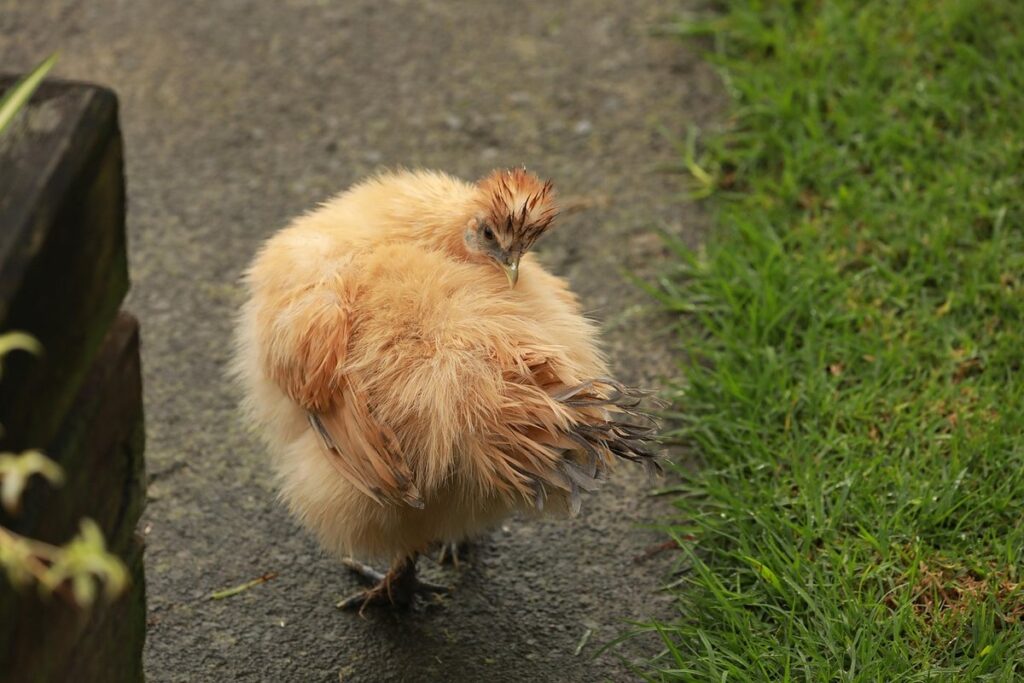
One of the most distinctive characteristics of the Bantam Fayoumi chicken is its unique plumage. Similar to the Silkie breed, the Bantam Fayoumi has a soft, fluffy texture and an endearing “beard” that gives it a sweet appearance. The feathers are also often described as having a silky or downy quality, which can make them appear even more delicate than they already are.
When it comes to color variations, the Bantam Fayoumi is available in a range of hues, including silver, gold, white, and buff. Some birds may also exhibit a slight sheen or luster to their feathers, which can add an extra touch of glamour to their appearance. One thing to note is that some breeders may prioritize maintaining the traditional colors of the breed, so if you’re interested in a specific color variation, be sure to do your research and find a reputable breeder who specializes in those hues.
In terms of overall appearance, it’s worth noting that the Bantam Fayoumi’s plumage is one of its most striking features. With proper care and maintenance, these birds can make stunning additions to any backyard flock – just be sure to brush their feathers regularly to prevent matting and tangling!
Temperament and Personality
Bantam Fayoumi chickens are known for their bold, curious nature, making them entertaining companions for backyard flock owners who enjoy interactive birds. This section explores their distinct personality traits in more detail.
Friendly Nature
When it comes to temperament and personality, one of the standout characteristics of bantam Fayoumi chickens is their friendly nature. These birds are renowned for being docile, easy-going, and affectionate around people. If you’re new to keeping chickens or want a breed that will fit right into your family’s dynamic, the Fayoumi is an excellent choice.
One reason why Fayumis are so popular with backyard chicken keepers is their calm demeanor. They’re not easily stressed or flighty, which makes them perfect for small spaces or homes with children. In fact, they’re often described as being “laid-back” and will happily follow you around the yard or even hop onto your lap for a cuddle.
If you want to encourage this friendly nature in your Fayoumi, try providing plenty of social interaction and regular handling from an early age. This breed is also highly intelligent and responsive to training, so take advantage of their curious nature to teach them tricks or introduce them to new environments with confidence. With patience and consistency, you’ll find that your bantam Fayoumi becomes a loyal companion in no time.
Interaction with Other Animals
When it comes to interacting with other pets or animals in the household, Bantam Fayoumi chickens are generally known for being friendly and social birds. They have a strong instinct to follow their human flock leaders but also tend to form close bonds with other animals, especially if they’re introduced from an early age.
In multi-pet households, it’s not uncommon for Bantam Fayoumi chickens to become fast friends with dogs, cats, or even larger livestock like goats. However, as with any animal introduction, it’s essential to monitor their behavior and ensure both parties are comfortable around each other.
To facilitate harmonious interactions between your Bantam Fayoumi chicken and other pets:
* Provide a separate area for the chicken to roam and escape from any potential conflicts.
* Supervise introductions carefully, watching body language for signs of stress or aggression.
* Reward calm behavior with treats, reinforcing positive interactions.
With patience and proper introduction techniques, you can enjoy observing your Bantam Fayoumi chicken’s unique personality shine through in its relationships with other household pets.
Care and Management
When it comes to raising happy, healthy bantam Fayoumi chickens, proper care and management are essential. Here, we’ll discuss some crucial tips for keeping your flock thriving.
Housing and Space Requirements
When it comes to keeping Bantam Fayoumi chickens happy and healthy, providing suitable housing and space is crucial. These tiny birds require a lot of attention and care due to their high energy levels and tendency to forage constantly.
A good rule of thumb is to allocate at least 2-4 square feet per bird inside the coop, considering they will be sharing the space with other chickens. This means that even if you’re keeping a small flock, it’s essential to ensure the coop can accommodate their needs comfortably.
Bantam Fayoumi chickens need room to roam and exercise outside of the coop as well. A minimum of 8-10 square feet per bird is recommended for a safe and enjoyable free-range experience.
When designing your coop or choosing one, consider factors like ventilation, predator protection, and easy cleaning access. You’ll also want to make sure there’s enough space for nesting boxes (one box per 3-4 hens) and roosting bars that are sturdy enough to support the birds’ weight.
Ultimately, providing ample housing and space will help keep your Bantam Fayoumi chickens happy, healthy, and thriving. With proper planning and attention to their needs, you can create a harmonious and enjoyable environment for both you and your feathered friends.
Diet and Nutrition
When it comes to feeding your Bantam Fayoumi chickens, it’s essential to provide them with a balanced diet that meets their specific needs. These birds are known for their high egg production and active nature, so they require a nutrient-rich diet to maintain their health and energy levels.
A good starting point is to provide a high-quality commercial layer feed as the main staple of your flock’s diet. However, it’s also crucial to supplement this with fresh fruits and vegetables daily. Some excellent options include leafy greens like kale and spinach, as well as berries such as strawberries and blueberries. You can also give them small amounts of treats like mealworms or sunflower seeds.
Avoid overfeeding your Bantam Fayoumi chickens, as this can lead to obesity and related health issues. A general rule of thumb is to provide about 1/4 pound of food per bird per day. Fresh water should always be available, and it’s a good idea to change the water frequently to keep it clean.
Some potential health issues related to nutrition in Bantam Fayoumi chickens include vitamin deficiencies, particularly in vitamins A and D3. To avoid this, make sure to provide adequate lighting and ensure access to calcium-rich foods like crushed eggshells or dark leafy greens.
Health Considerations
When considering bringing bantam Fayoumi chickens into your life, it’s essential to think about their specific health needs and how you can provide the best care for them as a responsible owner.
Common Health Issues
As you consider bringing bantam Fayoumi chickens into your flock, it’s essential to be aware of potential health concerns specific to this breed. Bantam Fayoumis are known for their robust constitution and hardiness, but like all breeds, they’re not immune to certain health issues.
One common issue in bantam Fayoumis is respiratory problems, particularly due to their small size and compact chest. These birds can be prone to conditions such as bronchitis or pneumonia, which can spread rapidly within a flock. To mitigate this risk, ensure your coop has excellent ventilation, provide plenty of space for exercise, and keep an eye on your birds’ overall health.
Genetic disorders are another concern in bantam Fayoumis, particularly with regards to their eyesight. This breed is prone to inherited vision problems, which can lead to blindness or impaired vision. Regular check-ups with a veterinarian experienced in poultry care can help identify potential issues early on. Keep your flock’s genetic diversity in mind when selecting breeding stock and prioritize responsible breeding practices to minimize the risk of inherited conditions.
Preventative Care
When it comes to preventing health issues in your bantam Fayoumi flock, regular vaccinations and parasite control are crucial. Start by consulting with a veterinarian who has experience working with chickens to determine the best vaccination schedule for your birds.
Regular parasite control is also essential, as internal parasites such as mites, lice, and fleas can cause anemia, stress, and even death in severe cases. Use a preventative deworming medication on a regular basis, typically every 2-3 months during peak parasite season. You can also take steps to reduce the risk of external parasites by providing clean living conditions, keeping your coop well-ventilated, and removing any debris or clutter that may attract pests.
Additionally, consider incorporating natural methods into your preventative care routine, such as dusting with diatomaceous earth to control mites and lice. Make sure to follow all product instructions carefully and take necessary precautions when handling chemicals or powders around your birds.
By prioritizing preventative care measures, you can help keep your bantam Fayoumi flock healthy and thriving for years to come.
Breeding and Raising
If you’re thinking of breeding bantam Fayoumi chickens, you’ll want to know how to create a healthy and thriving flock. This section will walk you through the process of raising your own bantams from day-old chicks.
Selecting Breeder Quality Birds
When it comes to breeding Bantam Fayoumi chickens, selecting high-quality birds is crucial for maintaining the integrity of this rare and historic breed. To begin with, you’ll want to look for birds that exhibit the distinctive characteristics of the Fayoumi breed, such as a compact, muscular build and a short, easy-to-manage beak.
Start by examining the bird’s overall conformation, paying attention to posture, balance, and proportion. A good breeder-quality Bantam Fayoumi should have a broad, rounded breast, well-sprung ribs, and a straight or slightly sloping back. The wings should be carried well-back, with the tips just reaching the end of the tail.
When evaluating birds for breeding, it’s essential to consider their temperament as well. Look for individuals that are calm, friendly, and docile, making them suitable for backyard flock environments. Avoid birds that exhibit aggression or fearfulness, as these traits can be inherited by their offspring.
Tips for Successful Hatching
When it comes to successfully hatching eggs from bantam Fayoumi chickens, understanding the unique incubation requirements of this breed is crucial. Unlike some other chicken breeds, Fayoumi eggs have a higher water loss rate due to their smaller size and thicker eggshells. This means that maintaining humidity levels in the incubator is particularly important.
To ensure successful hatching, it’s recommended to maintain a consistent temperature between 99°F to 100°F (37°C to 38°C) and relative humidity of 50-60% for the first 18 days of incubation. After day 18, humidity should be increased to 70%. This precise balance helps to prevent water loss in the eggs.
Additionally, consider using an egg turner or manually turning the eggs 3-4 times a day to ensure even development and prevent adhesion to the shell membrane. By paying attention to these factors and closely monitoring your incubator’s conditions, you’ll be well on your way to successfully hatching bantam Fayoumi chicks from your fertile eggs.
Frequently Asked Questions
Can I keep Bantam Fayoumi chickens as pets if I live in a small apartment?
Bantam Fayoumi chickens are indeed suitable for small spaces, but it’s essential to consider their exercise needs and social interaction requirements. Ensure you provide enough space for them to roam and engage with their environment. A well-ventilated and secure enclosure can be a great option for urban chicken keepers.
How do I introduce new Bantam Fayoumi chickens to an existing flock?
When introducing new birds, it’s crucial to maintain a calm atmosphere to prevent stress and fighting. Start by keeping the new birds in a separate area and allowing them to get used to each other’s presence through visual contact. Once you’re confident they’ll coexist peacefully, introduce them under close supervision.
Can I breed Bantam Fayoumi chickens for egg production if I don’t have extensive poultry experience?
Breeding chickens requires knowledge of genetics, nutrition, and health considerations. If you’re new to breeding, it’s recommended to start with a reputable breeder or seek guidance from an experienced expert in the field. This will help ensure you understand the complexities involved.
What are some common health issues affecting Bantam Fayoumi chickens?
Bantam Fayoumi chickens are generally hardy birds but may be prone to respiratory problems due to their compact build and potential genetic factors. Regular vaccinations, a balanced diet, and proper ventilation can significantly reduce the risk of disease.
Can I keep multiple breeds together with my Bantam Fayoumi flock?
When mixing breeds, it’s essential to consider compatibility based on size, temperament, and energy levels. Some birds may not tolerate each other due to dominance or aggression issues. Start with a single breed and gradually introduce others under close observation to ensure harmony in the coop.