
Are you considering adding a touch of whimsy to your backyard with a small but mighty bird? The Bantam Frizzle is an endearing breed that’s sure to capture your heart. With their unique, crinkly feathers and charming personalities, it’s no wonder why many poultry enthusiasts fall in love with these delightful birds. But what sets the Bantam Frizzle apart from other breeds? In this comprehensive guide, we’ll delve into the history of the Bantam Frizzle, explore its distinct characteristics, temperament, and care requirements. We’ll also discuss health considerations to ensure you can provide the best possible life for your feathered friend. Whether you’re a seasoned chicken keeper or just starting out, this article is packed with everything you need to know about the lovable Bantam Frizzle.
Origin and History of the Bantam Frizzle
The bantam frizzle’s origins are a fascinating tale, and it’s worth taking a step back to explore how this adorable breed came to be. Let’s take a look at its rich history.
Early Development and Characteristics
The early development and characteristics of the Bantam Frizzle are shrouded in mystery, but historians have pieced together a narrative that reveals its humble beginnings. The breed is believed to have originated from the European Frizzles, which were known for their unique, curly feathers. By the late 19th century, British poultry enthusiasts had begun to develop the smaller version of this breed, dubbed the Bantam Frizzle.
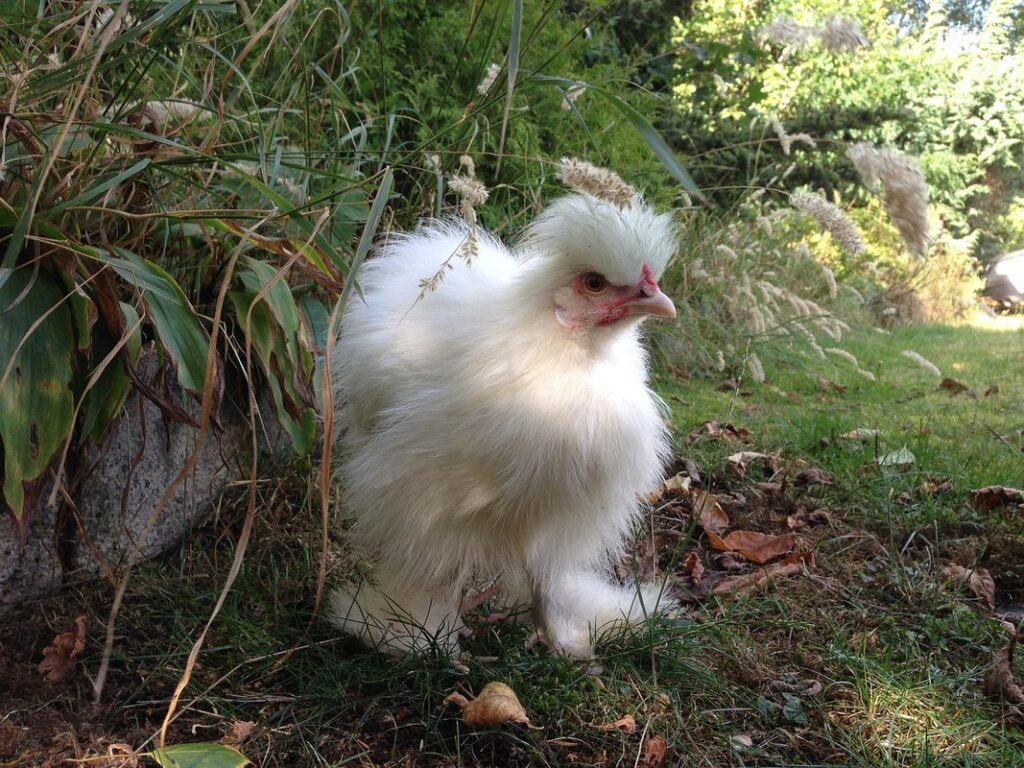
This diminutive bird stood out not only due to its size but also because of its striking appearance. The Bantam Frizzle boasts an assortment of colors and patterns, including black, blue, silver, and white, often accompanied by white locket or rose comb markings. A defining characteristic is the breed’s ‘frizzy’ plumage, which can manifest in a range of textures from tightly curled to loose, wild-looking feathers.
In terms of temperament, Bantam Frizzles are known for their affectionate nature and willingness to interact with their human caregivers. They are often described as gentle, making them an excellent choice for backyard flocks where children are present.
Influences on the Breed’s Development
The Bantam Frizzle’s development was shaped by various cultures and breeding programs over time. One significant influence came from European breeders, who crossed frizzled silkies with bantams to create a unique and charming breed. This combination not only produced the desired frizzy texture but also emphasized the importance of size, with Bantam Frizzles being significantly smaller than their standard counterparts.
Asian breeding programs also contributed to the development of this breed. Japanese breeders, in particular, selectively bred for specific color patterns, resulting in a stunning array of plumage colors and variations that are still admired today. The frizzle gene itself was likely introduced through Asian breeds, where it had been present for centuries. By understanding these historical influences, modern breeders can appreciate the complexity of breeding for such unique characteristics.
By studying the impact of different cultures and breeding programs on the Bantam Frizzle’s development, enthusiasts can gain valuable insights into how to improve their own breeding efforts. This includes recognizing the importance of genetic diversity and experimenting with new combinations to create even more striking color patterns and textures.
Evolution into a Recognized Breed
The Bantam Frizzle’s journey to becoming a recognized breed is a fascinating story of perseverance and dedication. In the early 20th century, this unique and endearing bird was met with skepticism by many poultry enthusiasts. However, through careful breeding and selection, a group of passionate fanciers worked tirelessly to establish the Bantam Frizzle as a distinct breed.
One of the key factors that contributed to the breed’s recognition was its unique appearance. The Frizzle’s genetic mutation, which causes their feathers to twist and curl, made them stand out in a crowd. By focusing on this distinctive characteristic, breeders were able to create a consistent look that wowed judges at poultry shows.
To give your Bantam Frizzle the best chance of success in the show ring, focus on maintaining a clean and healthy bird. This means providing regular grooming, a balanced diet, and plenty of exercise. With patience and dedication, you too can help bring this delightful breed to the forefront of the poultry world.
Physical Characteristics and Health
Let’s take a closer look at what makes bantam frizzle chickens so unique, focusing on their physical characteristics and how they impact their overall health. Their compact size and distinctive feathers make them a standout breed in many ways.
Distinctive Plumage Patterns
The distinctive plumage patterns of Bantam Frizzles are one of their most recognizable and charming features. These birds boast a unique texture to their feathers, which can range from soft and fluffy to wiry and brittle. The frizzy texture is often most pronounced on the neck, back, and shoulders, giving these birds a delightfully unkempt appearance.
In terms of color, Bantam Frizzles come in a wide array of hues, including black, white, brown, and various shades of gray. Some individuals may display intricate patterns or markings, such as stripes, swirls, or mottling, adding to their visual appeal. The colors can be uniform across the bird’s body, or they may alternate between different shades.
When it comes to shape, Bantam Frizzle feathers are often shorter and more rounded than those of other breeds. This can give these birds a compact, rounded appearance that is all the more endearing due to their lively personality. If you’re considering bringing home a Bantam Frizzle, keep in mind that their distinctive plumage requires regular care to prevent matting and tangling.
Size and Body Type
When it comes to the bantam frizzle’s physical attributes, you’ll notice that this breed is compact and well-proportioned. Adult bantam frizzles typically weigh between 1.5 and 2 pounds (680-900 grams) and stand about 10 inches (25 cm) tall. Despite their small stature, they have a sturdy build and a broad chest, which allows them to hold their wings in place.
Their unique body proportions make them well-suited for their purpose: to thrive in smaller living spaces without sacrificing their ability to move freely. In fact, many bantam frizzle owners appreciate the breed’s compact size because it makes them ideal pets for apartment dwellers or those with limited space.
When considering bringing a bantam frizzle into your family, keep in mind that their small size requires special care. For example, you’ll need to make sure they have enough room to exercise and stretch their wings without feeling cramped. Additionally, their lightweight frame makes them prone to injury if handled roughly or dropped. With proper handling and attention, however, the bantam frizzle is a delightful addition to any flock.
Health Considerations for Owners
As a bantam frizzle owner, it’s essential to be aware of the potential health issues that can affect this breed. One common issue is heat stress due to their unique feathering, which can trap heat close to the body. To prevent heat stress, provide plenty of ventilation in your coop and make sure your birds have access to cool, shaded areas.
Another concern is frostbite, as bantam frizzles’ feathers can be prone to chilling in cold temperatures. Keep an eye on weather forecasts and bring your birds inside if the temperature drops below freezing. Regular grooming is also crucial; gently work through tangles to prevent matting and skin irritation.
It’s also worth noting that bantam frizzles are more susceptible to respiratory issues, such as bronchitis and pneumonia, due to their compact size and delicate airways. Ensure good ventilation in your coop, keep your birds’ environment clean, and consult a veterinarian if you notice any signs of respiratory distress.
To maintain the overall well-being of your bantam frizzle, provide a balanced diet, plenty of fresh water, and regular veterinary check-ups.
Temperament and Behavior
Bantam Frizzles are known for their unique personalities, and understanding their temperament is crucial to creating a harmonious home environment. Let’s explore what makes them tick!
Friendly Nature and Temperament Traits
One of the most endearing qualities of Bantam Frizzles is their extremely friendly and docile nature. These charming birds are known to form strong bonds with their owners and can become incredibly socialized companions. In fact, their laid-back temperament makes them an ideal choice for families with children or even as pets for those who live in small apartments.
Bantam Frizzles are relatively easy-going birds that adapt quickly to new environments and handling. They are also known to be quite vocal, but not excessively so, which makes them a great option for those who want a chatty pet without the ear-piercing shrieks of some other breeds.
To build trust with your Bantam Frizzle, it’s essential to start with slow introductions and gentle handling from an early age. Spend plenty of time with your bird, letting them become comfortable with your presence, voice, and touch. As they grow more confident, you can gradually introduce toys, perches, and other enrichment activities that promote exercise and mental stimulation.
Their affectionate nature also makes them a great choice for breeders or owners who want to participate in show competitions or create breeding pairs.
Exercise and Activity Needs
As the proud owner of a bantam Frizzle, it’s essential to provide them with adequate exercise and mental stimulation to stay happy and healthy. This breed is known for their energetic and lively nature, so they require regular physical activity to burn off excess energy.
Aim for at least 30 minutes of daily exercise, which can be broken down into shorter sessions if needed. Short walks around the house or backyard, playtime with toys, and even simple activities like fetching or hide-and-seek games can work wonders for your Frizzle’s physical and mental well-being.
Mental stimulation is equally important, so provide puzzle toys filled with treats or engage in interactive play to challenge their problem-solving skills. Rotate toys regularly to keep them interesting and prevent boredom. Consider enlisting the help of another pet or even a human family member to keep them company during exercise sessions.
Remember that every bantam Frizzle is unique, so observe your individual’s needs and adjust accordingly. Some may require more attention and activity than others, especially if they’re prone to stress or anxiety. By providing sufficient exercise and mental stimulation, you’ll help ensure a long, happy life for your feathered friend.
Interacting with Other Pets and Humans
When it comes to interacting with other pets and humans, Bantam Frizzles are often described as gentle and affectionate companions. They tend to get along well with other chickens, especially if introduced at a young age. However, as with any breed, socialization is key – ensure your Bantam Frizzle is exposed to various personalities and temperaments to prevent any potential conflicts.
When interacting with humans, Bantam Frizzles are known for their friendly and outgoing nature. They love attention and will often seek out affection from their owners. One of the joys of owning a Bantam Frizzle is their ability to form close bonds with family members – they’ll often follow you around the house or sit on your lap.
If you’re planning to introduce multiple pets to each other, consider starting with slow introductions and monitoring behavior closely. With patience and proper introduction, even the most skittish of Bantam Frizzles can learn to live harmoniously alongside other animals.
Care and Management
Now that you’ve welcomed these lovable birds into your home, it’s essential to understand their specific needs for care and management. This section will walk you through the essentials of bantam frizzle chicken care.
Housing Requirements and Space Needs
When it comes to housing your Bantam Frizzle, it’s essential to provide them with a suitable environment that meets their specific needs. A good rule of thumb is to allocate about 2-4 square feet of space per bird inside the coop, and an additional 8-10 square feet in the run or enclosed area where they can exercise.
A Bantam Frizzle’s housing requirements are relatively modest compared to larger breeds, but that doesn’t mean you should skimp on quality. A well-designed coop with adequate ventilation, protection from predators, and easy cleaning access is crucial for maintaining your birds’ health.
Consider a rectangular or hexagonal coop design to make the most of space, as these shapes allow for efficient nesting areas and reduced corners where dust can accumulate. Also, be sure to provide ample perches, roosting bars, and nesting boxes (one box per 3-4 hens) to cater to your Bantam Frizzles’ needs.
Keep in mind that even though they’re small, Bantams are active birds and require regular opportunities for exercise outside the coop. Be sure to set up a secure enclosure or run where they can roam freely while still being safe from predators.
Feeding and Nutrition Considerations
When it comes to feeding and nutrition considerations for bantam frizzles, understanding their unique needs is crucial. Bantam breeds require more calories per pound of body weight compared to standard-sized chickens, so their diet must be tailored accordingly.
A good quality commercial bantam layer feed or a high-protein starter/grower feed can serve as the foundation for their diet. However, supplementing with fresh fruits and vegetables is also essential to ensure they receive the necessary vitamins and minerals. Some examples of nutritious treats include leafy greens like kale and spinach, carrots, and berries.
It’s also important to note that bantam frizzles are prone to obesity due to their compact size, so monitor food intake closely to prevent overfeeding. A general rule of thumb is to provide 1/4 pound of feed per bird per day, with adjustments made based on individual needs and activity levels.
Provide a source of calcium-rich food, such as crushed oyster shells or dark leafy greens, to support strong bone growth and eggshell production in laying hens. Regularly review and adjust your flock’s diet to ensure they are receiving the necessary nutrients for optimal health.
Egg-Laying Expectations and Care
As a bantam frizzle owner, you’re likely eager to collect eggs from your feathered friends. But before you do, it’s essential to understand their egg-laying expectations and take necessary care to ensure their health and well-being.
Bantam frizzles are prolific layers, producing around 280-300 light-brown eggs per year. However, their laying pace may slow down during winter months due to reduced daylight hours. On average, you can expect your bantam frizzle to lay about 5-6 eggs per week, with a frequency of once or twice a day.
To maintain healthy egg-laying habits, it’s crucial to provide your bantam frizzles with a balanced diet rich in calcium and protein. Ensure access to fresh water at all times, and supplement their feed with oyster shells or dark leafy greens like kale or spinach to promote strong beak growth and prevent pecking disorders.
Monitor your birds for signs of egg-laying stress, such as labored breathing, panting, or excessive scratching around the nesting box. By prioritizing their care and providing a safe, clean environment, you’ll enjoy a bountiful harvest of delicious eggs while keeping your bantam frizzles happy and healthy.
Breeding and Showing
If you’re looking to show off your bantam frizzle, understanding the breeding process is crucial for producing top-notch birds. We’ll delve into the specifics of raising these unique chickens.
Breeding Programs and Practices
When it comes to breeding Bantam Frizzles, careful consideration and planning are essential. A well-designed breeding program can help preserve the breed’s unique characteristics while minimizing the risk of inherited health issues.
First and foremost, it’s crucial to identify suitable breeding stock with a strong foundation in genetics. Look for birds that exhibit excellent temperament, conformation, and type, as these traits will be passed down to their offspring. A reputable breeder can provide valuable guidance on selecting the right combination of parents.
In addition to choosing quality breeders, it’s also essential to prioritize genetic diversity within your breeding program. Introducing new bloodlines can help maintain a healthy gene pool and reduce the likelihood of inherited problems. This can be achieved through strategic partnerships with other reputable breeders or by importing birds from outside your region.
Remember that every breeding decision should be made with the long-term health and well-being of the birds in mind. Avoid overbreeding, which can lead to fatigue, stress, and a range of health issues. By taking a thoughtful and informed approach to breeding Bantam Frizzles, you’ll be better equipped to produce healthy, high-quality birds that excel in the show ring or make wonderful pets.
Show-Ready Preparations
When it comes to showing off your bantam frizzle’s unique charm and personality, it’s essential to make sure they’re show-ready. Trimming is a crucial aspect of preparing your bird for the competition. You’ll need to trim their beak and nails carefully, taking care not to cut too short, as this can be painful for the bird.
Grooming is also vital in showcasing your bantam frizzle’s stunning plumage. Use a soft-bristled brush or a specialized pinning tool to gently detangle and style their feathers, paying extra attention to the frill and hackle areas where matting tends to accumulate. Condition their coat with a high-quality conditioner or oil specifically designed for birds, ensuring their beautiful frizzles lie flat against their neck.
Conditioning is another critical aspect of show preparation. You’ll need to adjust your bird’s diet to promote a healthy, shiny coat. Add supplements rich in omega-3 fatty acids and vitamins A and E to their feed, and provide them with regular baths or showers using gentle, pH-balanced shampoos. By focusing on these three key areas – trimming, grooming, and conditioning – you’ll be well on your way to creating a show-stopping bantam frizzle that turns heads at the competition.
Tips for Successful Breeding and Showing
Breeding and showing bantam frizzle chickens can be a rewarding experience for enthusiasts. To increase your chances of success, it’s essential to start by selecting high-quality birds with desirable traits such as vibrant feathering and good temperament.
When breeding, focus on maintaining a healthy flock through regular veterinary check-ups and proper nutrition. Ensure that your roosters are paired with hens in the prime of their reproductive cycle, around 18-20 weeks old. Monitor egg production closely to identify fertile eggs, and transfer them to an incubator for optimal hatching conditions.
To prepare your birds for showing, practice handling and grooming regularly. Pay attention to feather maintenance, ensuring the frill is clean and well-distributed. Keep a record of your bird’s lineage and health history, as this information will be crucial when presenting them at shows. Research local show rules and regulations beforehand to ensure you’re meeting all necessary requirements.
When selecting judges’ favorites, remember that it’s not just about physical characteristics; their behavior and temperament should also shine through.
Conclusion and Final Thoughts
Now that we’ve explored the unique characteristics of bantam frizzle chickens, let’s wrap up our journey with some final thoughts on their charm. We’ll also discuss what to expect from owning these lovable birds.
Recap of Key Takeaways
To ensure you’re well-equipped to care for your bantam frizzle, let’s recap some key takeaways from this guide. First and foremost, remember that these charming birds are relatively low-maintenance pets. They require about 30 minutes of exercise daily, which can be easily accomplished with a combination of playtime in their cage and supervised free-range sessions.
When it comes to diet, bantam frizzles have specific needs due to their small size. Feed them high-quality seed mixes specifically formulated for small birds, supplemented with fresh fruits and vegetables like carrots, apples, and leafy greens. Aim to provide 1-2 tablespoons of treats daily, divided into multiple feedings.
In terms of breed-specific considerations, bantam frizzles are generally healthy but may be prone to issues like respiratory problems due to their large feathers and compact bodies. Regular cage cleaning, adequate ventilation, and monitoring for signs of illness will help maintain your bird’s overall health and well-being.
Lastly, don’t underestimate the importance of socialization and interaction with your bantam frizzle. These birds thrive on attention and affection from their owners, so be sure to spend quality time with them daily, engaging in activities that promote bonding and trust.
Recommendations for New Owners
As you embark on the exciting journey of owning a bantam frizzle, it’s essential to take the right steps from the beginning. When selecting a reputable breeder or supplier, research is key. Look for breeders who are registered with national associations and have a good reputation among other enthusiasts. Check online reviews, ask for referrals, and don’t be afraid to reach out to local clubs or experts in the field.
Make sure to ask plenty of questions when sourcing your bantam frizzle, such as about health clearances, genetic testing, and overall quality standards. A reputable breeder will provide you with all necessary documentation and support to ensure a smooth transition for both you and your new pet.
When introducing your new feathered friend to its new home, take it slow and let the bird settle in at its own pace. Provide a spacious enclosure with adequate ventilation, a balanced diet, and plenty of opportunities for exercise and socialization. By doing so, you’ll be well on your way to building a strong bond with your bantam frizzle and creating a happy, healthy home for it to thrive in.
Encouragement to Join the Flock
As you’ve reached the end of our journey into the charming world of Bantam Frizzle chickens, we hope you’re as captivated by their unique charm and character as we are. We’ve explored the origins, characteristics, and benefits of these delightful birds, but now it’s time to invite you to join the flock.
If you’re smitten with the idea of raising a Bantam Frizzle or have already welcomed one into your family, we encourage you to connect with other enthusiasts who share your passion. Join online forums, social media groups, and local breed clubs to exchange tips, advice, and stories about your feathered friends. You’ll be amazed at the wealth of knowledge and experiences shared within these communities.
By joining forces with fellow Bantam Frizzle fans, you can learn from each other’s successes and challenges, share new techniques for caring for these birds, and even find a new friend or two who shares your love for the breed. Don’t be shy – introduce yourself, ask questions, and contribute your own expertise to help create a supportive network of Bantam Frizzle enthusiasts.
Frequently Asked Questions
Can I keep a Bantam Frizzle as a pet if I have limited space?
Yes, with careful planning and attention to their needs, it’s possible to keep a Bantam Frizzle in even the smallest backyard or indoor setting. However, ensure you provide at least 2-3 square feet of living space per bird, along with adequate ventilation and protection from extreme temperatures.
How do I handle potential health issues common to the Bantam Frizzle breed?
Regular monitoring of your birds’ overall health is crucial. Be aware of potential issues such as frostbite, feather pecking, and egg-laying problems. Implement preventative measures like providing extra insulation during cold months, enriching their environment with toys and perches, and maintaining a balanced diet.
What’s the ideal environment for a Bantam Frizzle when it comes to housing?
Bantam Frizzles require well-ventilated, dry living spaces that protect them from extreme temperatures. Consider using enclosed runs or coops with secure doors and roofs to shield them from harsh weather conditions. Ensure adequate nesting boxes are available for hens.
Can Bantam Frizzles be integrated into existing backyard flocks?
Yes, introducing a new bird species can be challenging but rewarding when done correctly. Start by isolating the new addition for a few weeks before reintroducing it to the flock. Monitor their behavior and adjust your approach as needed to maintain harmony within the group.
How often should I expect my Bantam Frizzles to lay eggs, and what’s the average egg size?
Bantam Frizzles are prolific layers but produce smaller eggs compared to larger breeds. You can expect 280-300 eggs per year from each bird. The average egg size will be around 2 ounces (55-60 grams), slightly smaller than a large chicken egg.
What are some essential tips for handling and interacting with my Bantam Frizzles?
Bantam Frizzles are friendly, social birds that thrive on interaction. Handle them gently but frequently to help them become tame and trustful companions. Be patient when introducing new birds or pets to the environment, as they may require time to adjust.