
Are you looking to add some unique charm to your backyard flock? Look no further than the Bantam Japanese chicken, a friendly and fascinating breed that’s perfect for small-scale farmers and enthusiasts alike. With their rich history dating back centuries in Japan, these diminutive birds have captured the hearts of many with their gentle nature and striking appearance.
In this article, we’ll delve into the world of Bantam Japanese chickens, exploring their history, care requirements, and breeding techniques. We’ll cover everything you need to know about keeping these lovable birds happy and healthy in your backyard flock. Whether you’re a seasoned chicken keeper or just starting out, our guide will provide valuable insights into the joys of raising Bantam Japanese chickens. By the end of this article, you’ll be well-equipped to decide if these charming birds are right for you and your flock.
Origin and History of the Bantam Japanese Chicken
The Bantam Japanese chicken has a rich history, dating back to ancient Japan where they were highly prized for their unique characteristics and versatility. Let’s explore how this breed came to be.
Ancient Roots of the Breed
The Bantam Japanese chicken has a rich and fascinating history that spans over 1,000 years. Originating from ancient Japan, this breed is believed to have descended from the indigenous wild jungle fowl of Asia. These hardy birds were highly valued for their unique characteristics, including their small size, vibrant plumage, and docile nature.
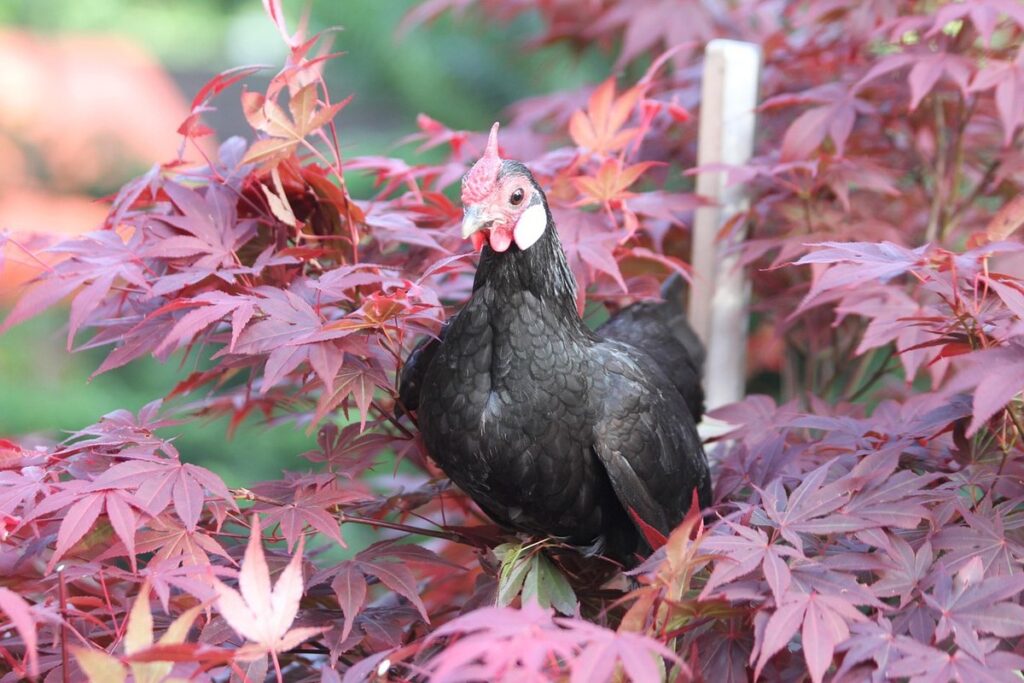
Archaeological evidence suggests that the Bantam Japanese chicken was first bred in the 7th century during the Heian period. At this time, Japan was heavily influenced by Chinese culture, which is reflected in the breed’s distinctive physical features. For example, the Bantam Japanese chicken’s sleek black feathers and distinctive red face are thought to be direct descendants of Chinese breeds.
Despite its long history, the Bantam Japanese chicken remained relatively unknown outside of Japan until the late 19th century, when European traders introduced it to the West. Today, this breed is prized around the world for its unique charm and gentle disposition, making it a popular choice among backyard poultry enthusiasts.
Introduction to the Modern Breed
The Bantam Japanese Chicken is a relatively modern breed that has been developed over time through selective breeding. Its unique characteristics set it apart from other chicken breeds, making it a popular choice for backyard flock owners and enthusiasts.
One of the key factors that contributed to the development of this breed was its size – bantams are much smaller than standard chickens, weighing between 1-3 pounds. This was achieved through selective breeding for miniature versions of Japanese chickens, which were already known for their compact build.
In addition to its small size, the Bantam Japanese Chicken is also prized for its distinctive appearance and temperament. Its feathers are often described as “silk-like” due to their softness and luster, and it’s known for being friendly and docile around humans. These characteristics make it an excellent choice for families with children or for those who want a low-maintenance pet.
The breed was developed in the early 20th century by Japanese breeders who aimed to create a chicken that combined the best qualities of its larger counterparts with its miniature size. Today, the Bantam Japanese Chicken is recognized by many poultry associations around the world and continues to be popular among backyard flock owners and enthusiasts.
Physical Characteristics and Appearance
The bantam Japanese chicken is a stunning breed, known for its compact size and striking appearance. Let’s take a closer look at their unique physical characteristics.
Size and Weight Variations
The Bantam Japanese chicken is renowned for its diminutive size and striking appearance. As one of the smallest chicken breeds globally, it weighs between 1-2 pounds (0.5-1 kg) at maturity, making it an ideal choice for backyard farmers with limited space.
One of the defining characteristics of the Bantam Japanese breed is its compact build. Adult roosters stand approximately 6 inches (15 cm) tall, while hens reach a height of around 4-5 inches (10-13 cm). This petite stature makes them an excellent option for small-scale farmers or those who prefer to keep chickens in urban settings.
When it comes to weight variations, Bantam Japanese chickens can range from 1-2 pounds (0.5-1 kg), depending on factors such as nutrition and individual characteristics. To promote healthy growth and development, ensure your birds have access to a balanced diet rich in nutrients. By doing so, you’ll be able to enjoy the many benefits of owning these charming, low-maintenance birds.
Feather Types and Colors
When it comes to the Bantam Japanese chicken’s physical characteristics and appearance, one of the most striking features is their feathers. This breed boasts a wide range of feather types and colors, each with its own unique charm.
In terms of feather type, you’ll find that the Bantam Japanese chicken has both soft and hard feathers. The soft feathers are particularly notable for their fluffy texture, giving the bird a rounded appearance. On the other hand, the hard feathers provide protection from the elements and help to maintain the breed’s striking plumage.
As for colors, the Bantam Japanese chicken is available in a variety of hues, including white, black, brown, and red. You’ll also find birds with intricate patterns like speckles or patches. One notable characteristic is the breed’s tendency to develop ‘mottling’ – a subtle blending of colors that adds depth and visual interest to their feathers.
Ultimately, when selecting a Bantam Japanese chicken for your flock, consider the type of feathering you desire. Soft feathers are perfect for backyard enthusiasts who want a cuddly companion, while hard feathers suit those seeking a bird with more robust protection from the elements.
Temperament and Behavior
When it comes to owning a Bantam Japanese chicken, understanding their temperament and behavior is crucial for a harmonious household. Let’s dive into what you can expect from your feathered friend!
Known for Friendly Nature
Bantam Japanese chickens have earned a reputation for being one of the friendliest and most docile breeds you can add to your backyard flock. Their gentle nature makes them an excellent choice for families with children, inexperienced chicken keepers, or even those who simply want to provide a stress-free environment for their birds.
One reason Bantam Japanese chickens are so well-suited to life in the backyard is their calm demeanor. Unlike some other breeds that can be skittish or aggressive, these birds tend to remain laid-back and easy-going, regardless of what’s going on around them. This makes them perfect for coexisting with other pets, such as dogs or cats, and even tolerating occasional visits from curious neighbors.
When bringing a Bantam Japanese chicken into your flock, there are a few things you can do to encourage their friendly nature. For one, be sure to handle them gently and regularly from an early age – this will help them get used to human interaction and develop trust in their keepers. Additionally, provide plenty of space for exercise and socialization, such as setting up a coop with multiple perches or creating a safe outdoor area where they can roam freely.
Social Requirements and Needs
When it comes to the social requirements and needs of Bantam Japanese chickens, it’s essential to provide them with adequate space and companionship. These birds are known for their friendly and outgoing personalities, making them great pets for families or individuals who want a flock.
In terms of space, Bantam Japanese chickens need a minimum of 2-3 square feet per bird in the coop, and at least 8-10 hours of sunlight per day. A spacious run is also crucial to allow your birds to roam, exercise, and engage in natural behaviors like foraging and dust bathing.
Providing companionship is just as important as physical space. Bantam Japanese chickens are social birds that thrive on interaction with their flock members and human caregivers. Consider introducing multiple birds to your flock or setting up a buddy system to ensure they have constant company. You can also spend time with them daily, talking, playing, and rewarding good behavior with treats.
By meeting the social needs of Bantam Japanese chickens, you’ll create a happy and healthy flock that will reward you with their affection and companionship for years to come.
Health Considerations and Common Issues
When keeping bantam Japanese chickens as pets, it’s essential to be aware of common health issues that can arise, such as respiratory problems. Let’s explore some potential concerns together.
Prone to Certain Health Problems
Bantam Japanese chickens are prone to certain health issues due to their genetic makeup and breeding history. One of the most common health problems affecting this breed is respiratory issues, such as tracheal stenosis, which can be caused by a narrow airway. This condition can lead to difficulty breathing, coughing, and even death if left untreated.
Genetic predisposition also makes Bantam Japanese chickens susceptible to Marek’s disease, a viral infection that affects the nervous system. Regular vaccination and good hygiene practices can help prevent this disease, but it’s essential to be aware of the risk.
In addition to these health issues, Bantam Japanese chickens may also experience feather pecking and cannibalism due to stress and boredom. Providing a balanced diet, adequate space, and plenty of mental stimulation can help reduce the likelihood of these behaviors.
It’s crucial for breeders and owners to be aware of these potential health issues and take proactive steps to prevent them. Regular veterinary check-ups, proper nutrition, and a safe living environment are essential for keeping your Bantam Japanese chickens healthy and thriving.
Nutrition and Care Recommendations
When it comes to maintaining the optimal health of your Bantam Japanese chicken, proper nutrition and care are essential. These tiny birds have high energy needs due to their active nature, so it’s crucial to provide them with a balanced diet.
A good starting point is to offer a high-quality commercial chicken feed as the main staple. However, supplement this with fresh fruits and vegetables daily to ensure they get all the necessary vitamins and minerals. Leafy greens like kale and spinach are excellent choices, as well as berries and sliced carrots. Avoid giving them avocado, onions, or chocolate, as these can be toxic.
Fresh water should always be available, and make sure to change it frequently to prevent bacterial growth. Provide a dust bath for your Bantam Japanese chickens to help maintain their feather health and keep them clean. A good rule of thumb is to provide at least 1 square foot of space per bird inside the coop and 2-3 square feet outside in the run.
Regular check-ups with a veterinarian are also vital to detect any potential health issues early on, especially since Bantam Japanese chickens are prone to respiratory problems.
Breeding and Showing the Bantam Japanese Chicken
If you’re serious about raising top-notch bantam Japanese chickens, you’ll want to learn about their breeding and showing requirements. This section will walk you through the process step by step.
Breed Standards and Requirements
When it comes to showing Bantam Japanese chickens, adhering to breed standards and requirements is essential for success. The American Bantam Association (ABA) and the Japanese Bantam Club of America (JBKA) are two prominent organizations that establish guidelines for this unique breed.
According to these organizations, there are four recognized weight classes for Bantam Japanese chickens: 10 oz, 12 oz, 14 oz, and 16 oz. When preparing your bird for a show, it’s crucial to ensure its weight falls within the correct category. To determine your chicken’s weight, you can use a scale or measure its wingspan.
Feathering criteria are another critical aspect of Bantam Japanese breed standards. The birds should have a sleek, shiny plumage with no signs of molting or damage. The ABA recommends checking for “eye” markings on the feathers, which should be symmetrical and evenly spaced. To achieve this, make sure your chicken is well-groomed before each show.
Understanding these breed standards will help you prepare your Bantam Japanese chickens for success in the show ring.
Tips for Successful Breeding Programs
When establishing a breeding program for Bantam Japanese Chickens, selecting suitable stock is crucial. This involves choosing birds with desirable traits such as egg-laying ability, temperament, and plumage quality. Look for breeders who have a proven track record of producing high-quality birds or consider purchasing from reputable hatcheries.
Managing breeding schedules is another critical aspect to consider. A balanced breeding program should aim to maximize genetic diversity while minimizing the risk of inherited diseases. This can be achieved by rotating breeding groups every 2-3 years, allowing for natural selection and avoiding inbreeding.
Maintaining accurate records is essential for tracking progress, identifying areas for improvement, and making informed decisions about future breeding programs. Keep detailed records of breeding plans, hatch rates, chick weights, and growth patterns. This will also help you identify genetic strengths and weaknesses within your flock.
For instance, if a particular breed consistently produces chicks with exceptional egg-laying ability, it may be worth incorporating that trait into your breeding program. By regularly reviewing and refining your records, you can make data-driven decisions to optimize your breeding program’s success.
Conclusion and Final Thoughts
Now that you’ve learned all about the wonderful world of Bantam Japanese chickens, it’s time to wrap up our discussion with a few final thoughts. We’ll summarize what we’ve covered and offer some parting advice.
Recap of Key Points
So you’ve made it to the end of our journey into the world of Bantam Japanese chickens! We hope you’ve found this article informative and helpful in your decision to raise these unique and charming birds. As a quick recap, let’s summarize the main points covered:
Bantam Japanese chickens are known for their compact size, friendly demeanor, and striking appearance. They originated in Japan, where they were bred as a toy breed for nobility, and have since gained popularity worldwide due to their low-maintenance care and adaptability.
Some key takeaways from our article include understanding the different types of Bantam Japanese chickens available, such as the Toyoo and the Jidori. We also discussed how to choose the right coop and enclosure for your flock, taking into account factors like climate, predators, and space constraints.
If you’re new to raising backyard chickens, we emphasized the importance of proper nutrition, health checks, and parasite control to ensure the well-being of your birds. And, as a bonus, we shared some fun facts about Bantam Japanese chickens, highlighting their unique characteristics and traits that make them so endearing to chicken enthusiasts.
Encouragement to Try the Breed
If you’re still on the fence about trying out bantam Japanese chickens, I urge you to give it a shot. These charming birds offer a unique and rewarding experience that’s unlike any other breed. Not only are they incredibly affectionate and entertaining to watch, but they also provide an abundance of fresh eggs for your kitchen.
One of the biggest benefits of raising bantam Japanese chickens is their ease of care. They’re relatively low-maintenance compared to larger breeds, making them perfect for backyard farmers or those new to chicken-keeping. Plus, their small size means they require less space and resources, making them a great option for urban homesteads.
If you’re worried about the learning curve, don’t be. With a little research and guidance, you’ll quickly become an expert at caring for these delightful birds. Start by building or purchasing a coop that’s specifically designed for bantam chickens, and make sure to provide plenty of perches, nesting boxes, and toys to keep them happy and engaged.
By taking the plunge and trying out bantam Japanese chickens, you’ll not only gain a new appreciation for these remarkable birds but also experience the joy of fresh eggs right in your own backyard.
Frequently Asked Questions
Can I raise Bantam Japanese chickens in a small backyard with limited space?
Yes, these birds are perfect for small-scale farmers and enthusiasts due to their compact size. They require minimal space and can thrive in small backyards as long as you provide them with adequate shelter, food, and social interaction.
How do I identify a healthy Bantam Japanese chicken?
To ensure the health of your flock, look for birds with shiny feathers, bright eyes, and a lively demeanor. Check for any signs of illness or injury regularly, and maintain a clean living environment to prevent disease. Consult with a veterinarian experienced in poultry care if you have concerns.
Are Bantam Japanese chickens easy to breed and show?
Breeding Bantam Japanese chickens can be challenging due to their specific genetic characteristics. It’s essential to research and understand the breeding requirements, including proper selection of parents, nutritional needs, and environmental conditions. Consult with experienced breeders or attend poultry shows to learn more.
Can I keep Bantam Japanese chickens with other breeds in my flock?
Yes, these birds are social and can get along well with other friendly breeds. However, introduce them slowly and under close supervision to prevent any conflicts. Provide enough space, food, and shelter for all birds, and ensure that your coop meets the needs of both breeds.
How do I prevent health issues common in Bantam Japanese chickens?
To minimize the risk of certain health problems, maintain a clean living environment, provide a balanced diet rich in nutrients, and monitor their health regularly. Consult with a veterinarian experienced in poultry care to develop a preventative healthcare plan tailored to your flock’s needs.