
The Bantam Old English Game is one of the most recognizable and beloved breeds in the world of poultry. With its rich history dating back centuries, this tiny but mighty bird has captured the hearts of many enthusiasts. But there’s more to the Bantam Old English Game than just its charming appearance – its temperament, health considerations, and breeding standards are also crucial aspects that every owner, breeder, and enthusiast should know about.
If you’re interested in learning more about this unique breed, then you’ve come to the right place. In this article, we’ll delve into the history, physical characteristics, temperament, health considerations, and breeding standards of the Bantam Old English Game, providing you with a comprehensive guide that covers everything from its origins to its modern-day requirements. Whether you’re a seasoned breeder or a new owner, our in-depth coverage will help you make informed decisions about your feathered friends.
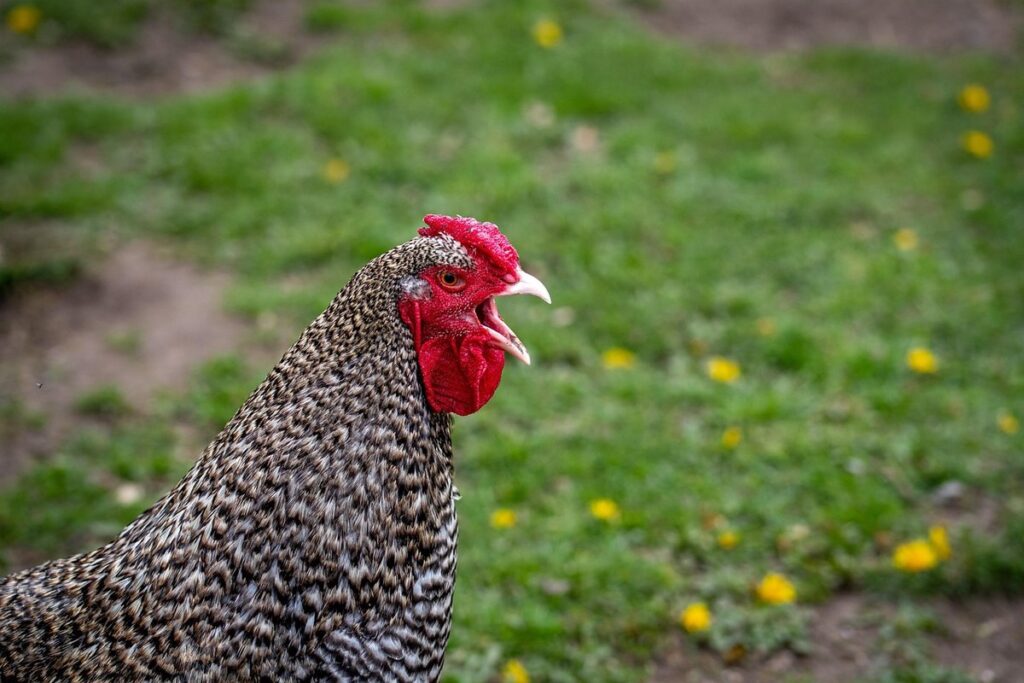
History and Origins
Let’s dive into the fascinating history of Bantam Old English Game fowl, one of the world’s oldest and most recognizable chicken breeds. Their origins date back to medieval England.
Early Beginnings: The Origins of the Breed
The Bantam Old English Game has its roots in England during the 19th century, emerging from larger game fowl populations that were highly prized for their strength and ferocity. At the time, these birds were bred specifically for cockfighting, a popular blood sport among the upper class.
As the laws against cockfighting began to change, breeders started to focus on creating smaller, more manageable versions of these fierce birds. This led to the development of the Bantam Old English Game, which retained the original’s bold and energetic personality but in a much smaller package.
In fact, it’s estimated that around 75% of all Bantam Old English Games today are descended from just three founding birds imported into the United States in the early 20th century. This concentrated ancestry has helped to preserve the breed’s unique characteristics and temperament.
Despite their diminutive size, Bantams have a big personality and require regular exercise and mental stimulation to prevent boredom and behavioral problems. If you’re considering bringing one home, make sure to research reputable breeders who prioritize this aspect of care.
Development and Standardization
The development and standardization of the Bantam Old English Game breed was a gradual process that spanned several centuries. In the early 19th century, gamecocks were bred for their fighting ability, with larger birds being more prized for combat. However, as attitudes towards animal welfare began to shift, breeders started selecting for smaller, more agile birds that retained the characteristic spirit and gameness of their larger counterparts.
Key figures such as Charles Harris and George Mawer played a significant role in developing the breed through selective breeding. They aimed to create a compact bird with excellent movement, feather quality, and temperament, while maintaining the Old English Game’s distinctive characteristics. The first breed standard was published by the British Poultry Club in 1874, marking an important milestone in the breed’s formal recognition.
The Bantam Old English Game’s development was also influenced by cross-breeding with other small game bird breeds, such as the Old English and the Japanese Bantam. This process helped to introduce desirable traits like striking plumage patterns and compact size, further solidifying the breed’s unique identity.
Physical Characteristics
The Bantam Old English Game is a small but mighty breed, and its physical characteristics are truly one of a kind. Let’s take a closer look at what makes them so unique in terms of size and appearance.
Size and Weight: Understanding the Breed’s Unique Features
The Bantam Old English Game’s size and weight are among its most distinctive physical characteristics. These birds are small, measuring between 7-10 inches (18-25 cm) in height, but they pack a big punch when it comes to their sturdy build. Weighing between 20-30 ounces (570-850 grams), they may be compact, but they’re built to last.
Their plumage patterns are equally unique, with a range of colors and styles that set them apart from other breeds. From the classic black-and-red to the more vibrant gold-and-white, each bird’s feathers tell a story about its heritage and ancestry.
When it comes to choosing a Bantam Old English Game for yourself, don’t be fooled by their small size – they require plenty of space to roam and exercise. Look for birds with good bone structure and a robust build, as these will be the healthiest and most resilient in the long run.
In terms of managing your bird’s weight, it’s essential to provide regular exercise opportunities and a balanced diet that includes fresh fruits, vegetables, and high-quality feed.
Head Shape, Beak, and Eyes: Important Considerations for Breeders and Enthusiasts
When it comes to identifying and selecting Bantam Old English Game birds, their head shape, beak, and eye color are crucial characteristics to examine. The head shape should be rounded with a moderate stop (the area where the forehead meets the beak), giving the bird a robust appearance.
A well-formed beak is also essential in this breed, with a slight curvature and a short, deep base. Beaks that are too long or too short can indicate mixed breeding or health issues. When evaluating eye color, Bantam Old English Games typically have a bright, expressive gaze with eyes ranging from dark brown to orange.
As a breeder or enthusiast, it’s essential to note the combination of these characteristics when selecting birds for breeding or purchase. A bird with an ideal head shape, beak form, and eye color will contribute positively to the breed’s overall quality and heritage. When evaluating potential breeding stock, carefully examine these features to ensure you’re working with birds that accurately represent the Bantam Old English Game standard.
Temperament and Personality
When it comes to bringing a bantam Old English Game into your life, understanding their temperament and personality is crucial for a harmonious household. Let’s dive into what makes these birds tick!
Friendly but Feisty: The Bantam Old English Game’s Temperament
The Bantam Old English Game is known for its robust personality, which makes it an entertaining and engaging companion. Its friendly nature allows it to get along well with people and other pets, especially if socialized from an early age. However, this breed also has a tendency to be feisty, which can sometimes manifest as stubbornness or territorial behavior.
Curiosity is another defining characteristic of the Bantam Old English Game’s temperament. These birds are naturally inquisitive, often requiring attention and interaction from their owners. They thrive on mental stimulation and will engage in activities such as foraging, puzzle toys, or even learning tricks to keep themselves occupied. To manage this curiosity, provide your bird with a variety of toys and activities that challenge its problem-solving skills.
To channel the Bantam Old English Game’s feistiness into positive behavior, it’s essential to establish clear boundaries and train them using positive reinforcement techniques. Early socialization and training are crucial in helping these birds develop good manners and learn to respect their owners’ space. With patience, consistency, and a firm yet gentle hand, you can turn this breed’s feistiness into an asset rather than a liability.
Trainability and Handling: Tips for Breeders and Owners
When it comes to training and handling Bantam Old English Game fowl, building trust is key. These birds can be quite wary of humans, so it’s essential to approach them calmly and gently from the start. Begin by letting them come to you, allowing them to sniff and explore their surroundings at their own pace.
Once they’ve become comfortable with your presence, introduce positive reinforcement training techniques such as offering treats for desired behaviors. This can include simple tasks like coming when called or sitting on command. Be patient and consistent in your approach, as Bantam Old English Game fowl can be strong-willed and may require more time to train.
To manage their energetic behavior, provide regular exercise and mental stimulation through activities like foraging games or puzzle toys filled with treats. This will help burn off excess energy and prevent destructive behaviors. By building a strong bond based on trust and respect, you’ll find that your Bantam Old English Game fowl responds well to training and handling.
Remember, every bird is different, so be prepared to adapt your approach as needed. With time and patience, you can develop a strong relationship with your Bantam Old English Game fowl, one built on trust, respect, and open communication.
Health Considerations
When bringing a Bantam Old English Game into your home, it’s essential to consider their unique health needs and potential vulnerabilities that may arise from their small size. Let’s explore these concerns together.
Common Health Issues Affecting the Breed
As a responsible breeder and owner of Bantam Old English Game birds, it’s essential to be aware of the common health issues that can affect this breed. Respiratory problems are one of the most significant concerns, particularly due to their compact size and deep chest. This can lead to breathing difficulties, especially in hot or humid environments.
Leg injuries are another issue that Bantam Old English Games may experience. Their slender legs make them prone to fractures and breaks, often resulting from falls or rough handling. It’s crucial to provide a safe and secure environment for your birds, ensuring their enclosures are sturdy and escape-proof.
Feather pecking is also a common problem in this breed. This behavior can be caused by boredom, stress, or nutritional deficiencies. To prevent feather pecking, ensure your birds have adequate space to exercise, provide stimulating toys and activities, and maintain a balanced diet. Regular cleaning of the enclosure and removal of any loose feathers can also help reduce the incidence of this behavior.
Nutrition and Grooming: Essential Care for a Healthy Flock
When it comes to the nutrition and grooming needs of your Bantam Old English Game, attention to detail is crucial. These birds require a balanced diet that meets their high energy levels and supports the maintenance of their distinctive plumage.
Aim to provide a high-quality commercial layer feed as the main staple of their diet, supplemented with fresh fruits and vegetables daily. Cut back on treats like bread and pasta, which are low in nutrients but high in calories. You can also offer mealworms or crickets for added protein.
When it comes to watering, make sure your birds have access to clean, unfrozen water at all times. In hot weather, consider providing a shallow dish of water and a few rocks or pebbles for them to land on while drinking.
Regular grooming is essential for maintaining the Bantam Old English Game’s unique plumage. Use a soft-bristled brush to gently remove tangles and loose feathers, taking care not to pull too hard and cause discomfort. Trim any stray feathers with a pair of sharp poultry shears, making sure to follow proper safety precautions.
Keep your birds’ living area clean by removing soiled bedding and manure daily. This will help prevent the spread of disease and keep your flock healthy.
Breeding and Showing
If you’re looking to start a breeding program for your Bantam Old English Game Fowl, finding quality stock is crucial. This section will explore the ins and outs of breeding and showing these unique birds.
Breed Standards and Judges’ Criteria
When it comes to breeding and showing Bantam Old English Game birds, understanding the breed standards and judges’ criteria is crucial for determining a bird’s show-worthiness. The Bantam Old English Game Club, Inc. (BOEGC) sets the breed standard, which emphasizes the bird’s overall balance, movement, and breed characteristics.
According to the BOEGC breed standard, a Bantam Old English Game bird should have a sturdy build, with a deep chest and well-sprung ribs. The back should be straight, and the tail long and broad. A bird’s plumage is also critical, with a glossy sheen on its black or pied feathers. Beak shape and size are also important, with a slight curve to the upper mandible.
When evaluating a Bantam Old English Game bird for show, judges look for these key characteristics. They assess the bird’s posture, movement, and overall balance, as well as its breed-specific features such as earlobes and beak shape. A well-balanced bird with ideal breed characteristics will score higher in the show ring than one that lacks these qualities. If you’re breeding or showing Bantam Old English Game birds, make sure to carefully evaluate each bird’s traits against the breed standard and adjust your breeding program accordingly.
Tips for Breeders: Improving the Breed Through Selective Breeding
As a breeder of Bantam Old English Game chickens, you have a crucial role to play in shaping the future of this beloved breed. Selective breeding is an art that requires patience, dedication, and a deep understanding of genetics. To improve the breed through selective breeding, it’s essential to focus on selecting top-notch birds with desirable characteristics.
When evaluating potential breeding stock, look for birds that excel in both physical appearance and temperament. For Bantam Old English Game chickens, this means selecting birds with good plumage quality, compact bodies, and a calm demeanor. It’s also crucial to evaluate the bird’s movement, stride, and overall balance. A well-balanced bird is not only aesthetically pleasing but also more likely to thrive in breeding programs.
To avoid genetic problems, implement a strict breeding program that emphasizes diversity and minimizes inbreeding. This can be achieved by selecting birds from diverse bloodlines and regularly introducing new stock to the flock. By doing so, you’ll not only improve the breed’s overall health but also preserve its unique characteristics for generations to come.
Conclusion: Why the Bantam Old English Game is a Great Choice for Enthusiasts
In conclusion, if you’re an enthusiast looking for a unique and rewarding experience with your poultry, the bantam Old English Game is an excellent choice. With their lively personalities, striking appearance, and rich history, these birds are sure to capture your heart. Whether you’re a seasoned breeder or just starting out, the bantam Old English Game offers a level of complexity and challenge that will keep you engaged for years to come. So why settle for an ordinary breed when you can have something truly extraordinary? Consider adding a few bantam Old English Games to your flock today and discover the joy of owning one of these incredible birds.
As you begin your journey with the bantam Old English Game, be prepared to put in the time and effort required to bring out their best qualities. Research their specific needs, invest in quality feed and care, and don’t be afraid to reach out for advice from experienced breeders. With patience, dedication, and a willingness to learn, you’ll be well on your way to creating a thriving flock of bantam Old English Games that will bring pride and joy to your backyard.
Frequently Asked Questions
How can I ensure the health and well-being of my Bantam Old English Game flock?
Regularly monitoring their diet, providing adequate shelter and ventilation, and scheduling regular veterinary check-ups are crucial for maintaining the health and well-being of your flock. It’s also essential to research common health issues affecting the breed, such as respiratory problems and feather pecking.
What are some key tips for breeding and showing Bantam Old English Game birds?
When it comes to breeding and showing these unique birds, it’s vital to understand the breed standards and judges’ criteria. This includes understanding their head shape, beak, and eye characteristics, as well as their size and weight requirements. Researching reputable breeders and attending poultry shows can also provide valuable insights and networking opportunities.
How do I handle and train a Bantam Old English Game for showing or as a pet?
Handling and training these birds requires patience, consistency, and positive reinforcement techniques. Start with short sessions, gradually increasing the duration and intensity of training. Socialize them well to various environments, people, and other animals to ensure they remain calm and confident in new situations.
Can I keep Bantam Old English Game birds as pets if I live in an apartment or have limited space?
While these birds are small, they do require regular exercise and a suitable living environment. If you’re considering keeping them as pets, research local ordinances regarding backyard chickens and ensure you can provide the necessary space, diet, and care for your flock.
How long does it take to develop a Bantam Old English Game breed through selective breeding?
Developing a new breed or strain of Bantam Old English Game requires dedication, time, and patience. This process typically spans several years, involving multiple generations of selective breeding to achieve the desired characteristics, temperament, and health profiles. It’s essential to work with experienced breeders and follow established best practices for responsible breeding and animal welfare.