
If you’re a poultry enthusiast or just starting to build your backyard flock, you might be on the hunt for something truly unique and charming. That’s where the Bantam Orpington comes in – one of the world’s most distinctive and beloved chicken breeds. With their compact size, fluffy feathers, and gentle nature, it’s no wonder why many enthusiasts are eager to learn more about these lovable birds.
In this comprehensive guide, we’ll delve into the fascinating history of the Bantam Orpington, explore their temperament and personality traits, and provide expert advice on how to care for them. Whether you’re a seasoned farmer or a backyard chicken keeper, our guide will give you everything you need to know about these charming birds. So, if you’re ready to learn more about one of the world’s most unique breeds, let’s dive in and discover all that the Bantam Orpington has to offer!
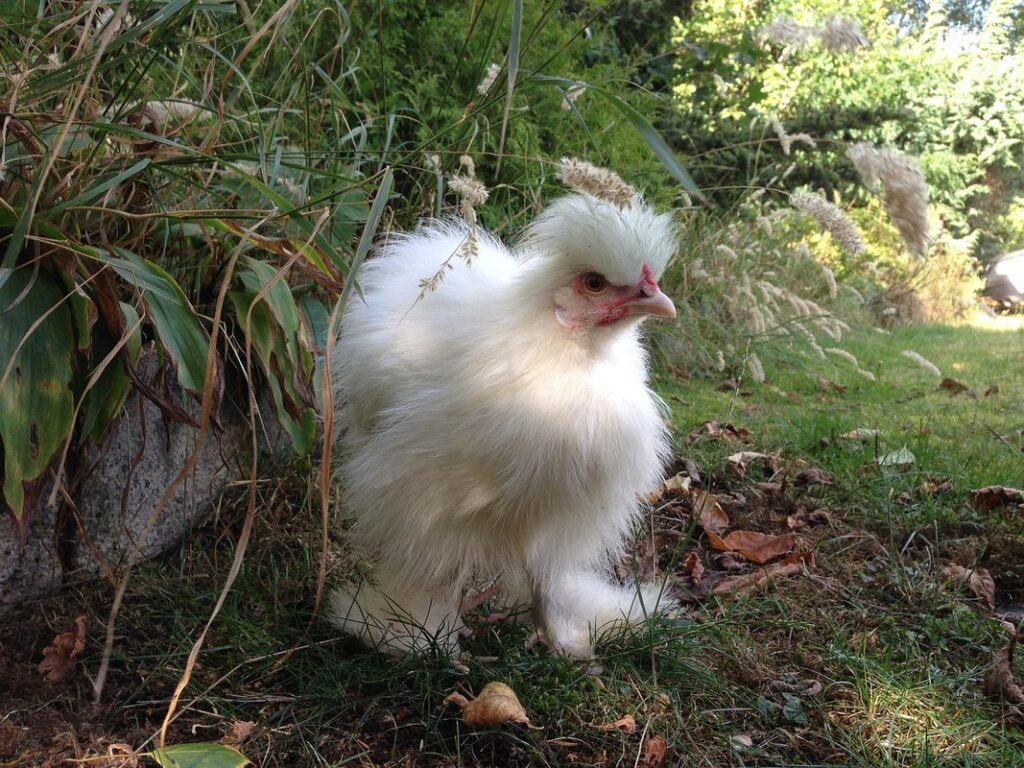
Overview of the Bantam Orpington
The Bantam Orpington is a delightful breed, known for its gentle nature and adorable size, making it an ideal choice for backyard flocks. Here’s what you need to know about this charming chicken.
History and Origins of the Breed
The Bantam Orpington breed has its roots deeply embedded in the United Kingdom’s rich history of poultry development. The Orpington itself was first bred in the 19th century by William Cook, an English poultry breeder from Kent. Cook aimed to create a chicken that combined good egg-laying abilities with desirable meat qualities. He crossed various breeds, including the Black Langshan and the Old English Game Fowl, to produce the original Orpington.
As for the Bantam Orpington specifically, it emerged in the early 20th century as a smaller counterpart to its full-sized cousin. Breeders were looking to create a miniature version that retained the larger bird’s gentle disposition, rich plumage, and good egg-laying abilities. The resulting breed was the Bantam Orpington, which has since become renowned for its unique characteristics.
The British Poultry Standards of 1909 first recognized the Orpington as an official breed, acknowledging its merits in both size and temperament. From there, various poultry registries worldwide have continued to recognize and refine the standards for the Bantam Orpington.
Physical Characteristics of the Bantam Orpington
The Bantam Orpington’s physical characteristics set it apart from other chicken breeds. One of its most distinctive features is its size: despite being a part of the Orpington breed family, bantams are significantly smaller than their standard counterparts. Males weigh around 2-3 pounds and stand approximately 10 inches tall, while females reach about 1.5-2 pounds and 9 inches in height.
Their plumage is another defining trait: soft, fluffy, and dense, with a silky texture that’s both appealing to the eye and pleasant to touch. Bantams have a broad range of color variations, including black, white, blue, and spangled – each one boasts rich, vibrant tones that make for stunning visual displays.
In terms of beak shape and comb type, bantams exhibit moderate features: their beaks are medium-sized, straight, and relatively thin. Their combs are small to medium in size, usually being single-staked or having a slight curve, rather than the typical rose comb found on larger Orpingtons.
Overall, the Bantam Orpington’s unique combination of size, plumage, beak shape, and comb type contributes significantly to its allure as a charming and visually captivating chicken breed.
Temperament and Personality of the Bantam Orpington
Bantam Orpingtons are known for their friendly, docile nature, making them a great choice for families and beginners in backyard chicken keeping. They’re also surprisingly affectionate and love human interaction.
Friendliness and Docility
The Bantam Orpington’s friendly and docile nature makes it an excellent choice for families with children or experienced backyard chicken keepers. One of the most distinctive characteristics of this breed is its gentle disposition, which allows them to thrive in a variety of environments.
In fact, many owners have reported that their Bantam Orpingtons will often follow them around the yard, seeking attention and affection. This friendly behavior makes them an ideal choice for families with young children who want to learn about responsibility and animal care. With proper handling and socialization from an early age, Bantam Orpingtons can become extremely tame and enjoy human interaction.
To encourage this docile nature in your Bantam Orpington, make sure to spend quality time with them daily, providing treats and gentle petting sessions. Start with short interactions and gradually increase the duration as they become more comfortable with your presence. This breed’s friendly personality is just one of the many reasons why backyard chicken keepers adore the Bantam Orpington, making it a wonderful addition to any flock.
Feeding and Nutrition Needs
When it comes to feeding and nutrition needs of Bantam Orpingtons, it’s essential to provide a balanced diet that meets their unique requirements. As a small breed, they have high metabolisms and require more calories per pound of body weight compared to larger breeds.
A good quality starter or grower feed should be the main staple of their diet, with a protein content of around 16-18%. You can also supplement their diet with fresh vegetables and fruits, such as leafy greens, carrots, and berries. However, it’s crucial to introduce new foods gradually to prevent digestive upset.
Portion sizes are also vital; aim for about 1/4 cup of feed per pound of body weight per day. For example, a small Bantam Orpington weighing around 2 pounds would require approximately 1/2 cup of feed per day. Make sure to provide fresh water at all times and consider offering oyster shells as a calcium supplement to support strong eggshell production.
Remember to adjust their diet according to the season; for instance, reduce the amount of grains during hot weather to prevent overheating. By following these guidelines, you can ensure your Bantam Orpingtons receive the nutrition they need to thrive and live long, healthy lives.
Care and Management of the Bantam Orpington
To ensure your bantams stay happy and healthy, it’s essential to understand their specific care requirements and how to manage their unique needs in a backyard flock. This includes feeding, grooming, and providing the right living conditions for these delightful birds.
Housing and Enclosure Requirements
When it comes to providing the perfect home for your Bantam Orpington, proper housing and enclosure requirements are essential. These little birds need a safe and comfortable space to roam around, exercise, and rest.
For at least 10 square feet of indoor coop space per bird is recommended, with adequate ventilation to ensure good air circulation. You can design the coop with vertical roosting bars and nesting boxes specifically tailored for bantams, taking into account their smaller size. Consider adding a covered outdoor run or enclosure to provide additional exercise space.
When it comes to choosing materials for your coop, opt for durable, weather-resistant options like wood or metal. Avoid using wooden shavings or other organic materials that can be prone to moisture accumulation and mold growth. To ensure proper ventilation, include windows, vents, or screened panels that allow fresh air in while keeping predators out.
In terms of size, a minimum of 2 feet by 3 feet (6 square feet) outdoor run space is recommended per bird, with adequate shelter from the elements.
Health Considerations and Common Issues
As you embark on caring for your Bantam Orpington, it’s essential to be aware of the breed’s common health issues. Respiratory problems can arise due to their compact size and large egg-laying capacity, leading to breathing difficulties. Regular ventilation in coops and providing a balanced diet rich in protein and calcium can help mitigate this issue.
Parasites like mites, lice, and fleas are another concern. Regular cleaning of the coop, dust baths for your birds, and using diatomaceous earth or other parasite control measures can prevent infestations. Be sure to inspect your flock regularly for signs of parasites.
Bantam Orpingtons can also be prone to reproductive issues like egg binding and prolapse due to their large size relative to their body mass. Providing a nesting box that’s at least 2 feet wide, ensuring proper ventilation in the coop, and offering a balanced diet rich in calcium can help prevent these issues.
Keep an eye out for signs of illness or discomfort in your birds and consult with a veterinarian if you notice any unusual behavior. Regular health checks, vaccinations, and parasite control measures will keep your Bantam Orpingtons happy and healthy.
Egg-Laying Ability and Production
When it comes to egg production, Bantam Orpingtons are prolific layers, producing an average of 100-120 small to medium-sized eggs per year. Their gentle nature makes them a pleasure to collect from daily.
Average Daily Egg Production
When it comes to egg-laying ability, Bantam Orpingtons are known for their moderate production. On average, a healthy adult hen will lay around 4-5 eggs per week, which translates to approximately 1-2 eggs per day. This is a respectable output considering the breed’s small size.
Peak egg-laying seasons usually occur in spring and summer months when daylight hours are longest, allowing hens to be more active and productive. It’s essential to provide your Bantam Orpingtons with adequate nutrition, including high-quality layer feed, fresh fruits, and vegetables, to support their egg production.
To maximize egg production, it’s crucial to maintain a clean and well-ventilated coop, ensuring the health and comfort of your hens. A dust bath area can also be beneficial in helping them relax and reduce stress, which can negatively impact egg-laying ability.
Some Bantam Orpington owners have reported that their hens’ egg production increases during the warmer months, sometimes laying up to 6 eggs per week. However, it’s essential to remember that every hen is unique, and individual results may vary. With proper care, attention, and nutrition, your Bantam Orpingtons can thrive and provide you with a steady supply of fresh eggs.
Egg Size and Quality
When it comes to egg production, Bantam Orpingtons are known for their moderate laying ability. They typically produce around 120-150 eggs per year, which is slightly lower than some other breeds. However, the size of these eggs can make up for this difference.
One of the unique characteristics of Bantam Orpington eggs is their small to medium size, weighing in at about 45-50 grams. This is smaller compared to large fowl breeds, but larger than many other bantam varieties. The shape of the egg is typically oval and smooth, with a slight curve.
The quality of the eggs laid by Bantam Orpingtons is also worth noting. They tend to have a thicker shell and more even texture than some other breeds, making them ideal for cooking and baking. Additionally, the yolks are rich in color and flavor, adding to their overall appeal.
If you’re considering keeping Bantam Orpingtons as egg producers, it’s essential to provide them with a balanced diet that includes plenty of calcium to support strong eggshell production. This can be achieved through a high-quality layer feed supplemented with fresh fruits and vegetables. By doing so, you’ll not only get more eggs but also enjoy their delightful size and quality.
Breeding and Raising Bantam Orpingtons
Breeding and raising bantam Orpingtons requires patience, dedication, and a good understanding of their unique needs and characteristics. With proper care, you can enjoy these adorable birds in your backyard flock.
Breeding Strategies and Best Practices
Breeding Bantam Orpingtons requires careful consideration to ensure the health and diversity of your flock. When selecting breeding stock, look for birds with excellent temperament, rich plumage, and robust constitution. Avoid breeding from birds that show signs of disease or weakness, as these traits can be passed on to offspring.
To maintain genetic diversity, it’s essential to breed from a variety of sources, including different bloodlines and regional strains. This will help prevent the development of inbreeding depression, which can lead to weakened immune systems and reduced fertility. Consider partnering with other breeders or attending poultry events to expand your gene pool.
Another critical aspect of breeding Bantam Orpingtons is managing line-breeding. This involves carefully selecting birds from within a specific family to emphasize desired traits while minimizing the risk of inbreeding depression. Start by identifying exceptional individuals and then selectively breed their offspring, keeping careful records of ancestry and performance.
When breeding Bantams, keep the goal of maintaining a robust and resilient flock top of mind. Avoid over-breeding, as this can lead to exhaustion and decreased fertility. Instead, focus on producing high-quality birds that will thrive in various environments and climates.
Tips for Raising Chicks and Young Pullets
When you bring home Bantam Orpington chicks or young pullets, it’s essential to provide them with proper care and attention to ensure they grow into healthy and happy birds. Nutrition plays a crucial role in their development, so make sure to feed them a high-quality starter feed specifically formulated for young chickens. You can also supplement their diet with fruits and vegetables like leafy greens, carrots, and berries.
For the first few weeks, monitor your chicks’ health closely by performing daily checks for signs of illness or stress. Look out for droopy wings, loss of appetite, or changes in behavior. Keep a separate brooder to prevent overcrowding and ensure adequate ventilation. As they grow, introduce them to a balanced mix of grains, proteins, and calcium-rich foods to support strong bone development.
Socialization is also vital during this critical period. Handle your chicks gently but frequently to help them become tame and confident around humans. Introduce them to other birds gradually, starting with calm and friendly companions, to prevent stress and aggression. By following these guidelines, you’ll be well on your way to raising robust and charming Bantam Orpingtons that will bring joy to your backyard flock for years to come.
Conclusion and Final Thoughts
In conclusion, the Bantam Orpington is a delightful addition to any backyard flock. With their gentle nature, soft feathers, and charming appearance, it’s no wonder they’ve captured the hearts of many chicken enthusiasts. If you’re considering bringing one home, remember to provide plenty of space for them to roam and exercise – a small yard or enclosure won’t suffice for these active birds.
As with any breed, proper care and attention will ensure your Bantam Orpington lives a long and happy life. Be prepared for their unique personalities to shine through, and don’t be surprised if they become the stars of your backyard show! With patience, love, and the right environment, you’ll find that these little birds bring immense joy and companionship into your life – and that’s what being a chicken keeper is all about.
Frequently Asked Questions
Can I keep Bantam Orpingtons as pets if I live in a small apartment?
No, while they are compact in size, Bantam Orpingtons still require regular exercise and space to move around. They need at least 2-3 square feet of outdoor space per bird, making them more suited for backyard flocks or large gardens.
How long do Bantam Orpingtons take to mature?
Bantam Orpingtons typically take around 16-20 weeks to reach maturity, which is relatively fast compared to other breeds. This means you can expect your chicks to start laying eggs in about 6 months.
Can I mix Bantam Orpingtons with other chicken breeds?
Yes, Bantam Orpingtons are known for their friendly and docile nature, making them an excellent addition to any flock. However, it’s essential to introduce them slowly and under close supervision to ensure a harmonious integration with your existing birds.
How often should I collect eggs from my Bantam Orpingtons?
Egg collection frequency depends on individual bird productivity. Typically, you can expect 280-300 eggs per year from each mature Bantam Orpington. Collecting eggs daily will help maintain egg production and prevent breakage.
Are Bantam Orpingtons good foragers, or do they require supplemental feed?
While Bantam Orpingtons are natural foragers, they also appreciate a balanced diet that includes high-quality commercial pellets supplemented with fruits, vegetables, and grains. Providing a variety of food sources will ensure their nutritional needs are met.