
If you’re thinking of adding some charm to your backyard, consider introducing Bantam Orpington chickens into your flock. These delightful birds are a favorite among chicken enthusiasts due to their friendly and affectionate nature. But before bringing them home, it’s essential to understand their specific needs and care requirements. In this article, we’ll delve into the world of Bantam Orpingtons, covering everything from housing and health checks to nutrition and breeding. Whether you’re a seasoned chicken owner or just starting out, our tips will help you raise these charming birds successfully. We’ll also explore the joys of showing your Bantam Orpingtons and how to make the most of having them in your backyard. Let’s get started on this journey into the wonderful world of Bantam Orpington chickens!
Characteristics and Origins
Bantam Orpingtons have a rich history, originating from England in the late 1800s as a result of selective breeding of traditional Orpington chickens. Let’s dive into their fascinating origins and distinct characteristics.
Brief History of the Breed
The origins of the Bantam Orpington breed can be traced back to the late 19th century in the UK. Developed by William Cook, an English poultry breeder, the breed was created by crossing the Black Orpington with other breeds to produce a smaller-sized chicken. The result was a compact, fluffy bird that retained the characteristic Orpington temperament and appearance.
In the early 20th century, Bantam Orpingtons gained popularity in Europe, particularly in Germany and France, where they were prized for their gentle nature and attractive plumage. Today, the breed is recognized by poultry associations around the world and remains a favorite among backyard chicken keepers.
Interestingly, Bantam Orpingtons were initially bred to be show birds, but their charm and affectionate personalities soon made them a staple in family flocks. Their friendly demeanor, combined with their small size and striking appearance, has earned them a special place in the hearts of many poultry enthusiasts.
Physical Characteristics
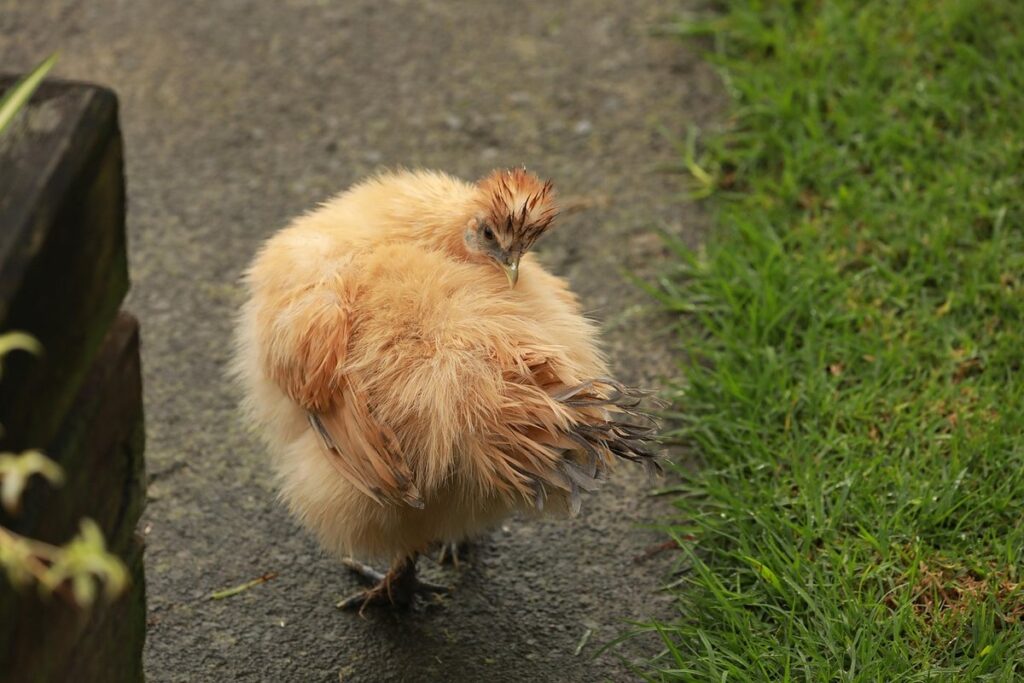
Bantam Orpingtons are known for their sturdy build and compact size. On average, they weigh between 2-3 pounds (0.9-1.4 kg) and stand about 10-12 inches (25-30 cm) tall. Their small stature makes them an excellent choice for backyard flocks or for those with limited space. When it comes to plumage, Bantam Orpingtons are renowned for their luscious coats, which come in a variety of colors such as black, blue, buff, and spangle. Their feathers are soft and fluffy, giving them a rounded appearance.
One of the most distinctive features of Bantam Orpingtons is their beak shape, which is short and broad. This unique feature sets them apart from other chicken breeds. In terms of eye color, Bantam Orpingtons typically have bright, dark eyes that are full of character. Whether you’re a seasoned breeder or a newcomer to the world of chickens, it’s hard not to be charmed by these tiny but mighty birds. With their endearing features and gentle nature, Bantam Orpingtons make an excellent addition to any flock.
Temperament and Personality
Bantam Orpingtons are renowned for their exceptional temperament and personality traits. These charming birds are known for their gentle nature, making them an ideal choice for families with children, elderly individuals, or even first-time chicken keepers. Their docile disposition allows them to adapt easily to different living situations, from small backyards to larger farms.
One of the most distinctive characteristics of Bantam Orpingtons is their friendly and affectionate nature. They love human interaction and will often follow you around the yard, seeking attention and scratches behind the ears. With proper socialization, they can become quite tame and enjoy being handled, making them a joy to have as pets.
In terms of adaptability, Bantam Orpingtons are surprisingly resilient. They thrive in a variety of environments, from cold climates to hot summers, as long as their basic needs are met. Their compact size also means they require less space than larger breeds, making them an excellent choice for small-scale chicken keepers.
When introducing a new Bantam Orpington to your flock, it’s essential to provide a stress-free environment. This can be achieved by housing them in a quiet area of the coop, away from dominant birds, and ensuring they have access to plenty of food, water, and dust baths. With proper care and attention, your Bantam Orpington will quickly become an integral member of your backyard flock, providing endless entertainment and companionship.
Housing and Care Requirements
When it comes to bringing home these adorable birds, making sure they have a safe and comfortable living space is crucial for their health and happiness. Here’s what you need to know about housing and care requirements.
Coop Design and Space Considerations
When designing a coop for your Bantam Orpingtons, it’s essential to consider their unique needs and characteristics. These small but adorable birds require a spacious and well-ventilated living area that meets their specific requirements.
The recommended minimum space for each Bantam Orpington is about 2-3 square feet per bird inside the coop. However, since they are social animals, it’s best to provide them with a larger enclosure or aviary where they can roam freely and interact with each other.
Proper ventilation is also crucial to prevent respiratory problems and keep your birds healthy. Ensure that your coop has adequate airflow by installing windows, vents, or even a small door that can be opened daily to let in fresh air.
In addition, consider adding some perches and roosting bars for your Bantam Orpingtons to exercise and rest comfortably. A good rule of thumb is to provide about 12-18 inches of roosting space per bird. By following these guidelines, you can create a happy and healthy environment for your beloved pets to thrive in.
Health Checks and Preventative Measures
Regular health checks are crucial for maintaining the overall well-being of your bantam Orpington flock. Set aside time each week to inspect your birds’ eyes, nostrils, and vents for signs of illness or injury. Check for redness, discharge, or unusual odors around these areas, which can indicate respiratory problems or infections.
Parasite control is also essential in preventing health issues. Regularly clean the coop and run by removing soiled bedding, manure, and droppings to prevent mites, lice, and other external parasites from taking hold. Consider treating your flock with a safe and effective parasite control method, such as diatomaceous earth or pour-on treatments.
Preventative measures can also help keep your flock healthy. Ensure access to clean water at all times, and provide a balanced diet rich in nutrients. A mix of high-quality commercial feed, fruits, and vegetables will support optimal health and egg production. By prioritizing regular health checks and taking proactive steps against parasites, you’ll be able to enjoy the many joys of raising bantam Orpington chickens for years to come.
Remember to always handle your birds gently and carefully when inspecting them to avoid causing unnecessary stress or injury.
Nutrition and Diet Requirements
When it comes to keeping your Bantam Orpingtons healthy and happy, providing them with a balanced diet is essential. These adorable birds require a nutritious mix of proteins, carbohydrates, and fats to maintain their energy levels and support growth.
For starters, offer your Bantam Orpingtons a high-quality commercial chicken feed as the main staple of their diet. Look for feeds specifically formulated for small breeds or layers, as these will provide the necessary nutrients without overfeeding. You can also supplement with oats, barley, or corn to add variety and fiber.
In addition to balanced feed, Bantam Orpingtons benefit from regular foraging opportunities. Provide a dust bath area where they can scratch and peck at soil and insects, and consider setting up a small enclosed garden or “chicken zone” where they can free-range and explore. This not only keeps them entertained but also allows them to forage for natural treats like grasses, weeds, and bugs.
Aim to provide around 1-2% of their body weight in feed daily, and consider adding a calcium supplement during egg-laying season to support strong bone growth.
Breeding and Hatching Bantam Orpington Chicks
Whether you’re a seasoned breeder or just starting out, learning to breed and hatch bantam Orpington chicks is an exciting challenge. This section will walk you through the process step-by-step.
Choosing a Breeder or Rooster
When selecting a reputable breeder or rooster for your Bantam Orpington flock, it’s essential to prioritize healthy genetics and desirable traits. A good breeder will have a clear understanding of the breed standard and can provide guidance on selecting birds with the characteristics you’re looking for.
To find a trustworthy breeder, start by researching local and national organizations dedicated to preserving heritage breeds like the Bantam Orpington. Look for breeders who are active members of these communities and who prioritize bloodline quality over quantity. You can also ask for referrals from experienced chicken keepers or check online review sites for recommendations.
When evaluating a breeder or rooster, consider factors such as temperament, egg-laying ability, and feather quality. A reputable breeder will be transparent about the bird’s ancestry and provide health clearances for any genetic issues that may affect the breed. Don’t be afraid to ask questions and request photos or videos of the birds in question to ensure you’re getting a high-quality specimen.
Ultimately, choosing the right breeder or rooster is crucial for maintaining the integrity of your flock’s genetics and ensuring that your Bantam Orpingtons thrive. By doing your research and prioritizing quality over convenience, you can build a happy and healthy flock that brings joy to your backyard.
Incubation and Hatching Processes
Incubating Bantam Orpington eggs requires careful attention to detail and precise temperature control. Before incubation begins, gently wash the eggs in warm water to remove any dirt or bacteria from the surface. Handle the eggs as little as possible to prevent damage to the developing embryo.
To maintain optimal temperature, set your incubator between 99°F (37°C) and 100°F (38°C). Ensure accurate temperature control by calibrating your thermometer regularly. For the first 18 days of incubation, the relative humidity should remain around 50-60%. On day 18, increase the humidity to 70% for the remaining two days.
Monitor the eggs closely during hatching, as this is a critical period. You’ll notice the chicks starting to pip (break out of their shells) on the fourth day after incubation began. If you’re using an automatic egg turner, make sure it’s set correctly to avoid over-turning or under-turning.
Once pipping occurs, keep the incubator at 100°F (38°C), but reduce humidity slightly to prevent respiratory problems. Keep a close eye on the chicks as they dry off and begin fluffing their feathers after hatching. This will ensure a smooth transition from egg to chick.
Raising Chicks: Tips for Success
Raising Bantam Orpington chicks requires careful attention to their needs during the critical brooding period. When bringing home new arrivals, it’s essential to provide a warm and safe environment for them to grow. A good quality heat lamp or ceramic heat emitter can maintain an optimal temperature of around 90-95°F (32-35°C) for the first week.
Feeding your Bantam Orpington chicks is also crucial. Start with a starter feed specifically formulated for young chickens, and make sure to provide fresh water at all times. A good rule of thumb is to provide 1/4 cup of starter feed per chick per day, divided into several small meals.
Monitoring their health is another critical aspect of raising Bantam Orpington chicks. Keep an eye out for signs of illness such as labored breathing, lethargy, or loss of appetite. Be sure to also check for any mites or lice, which can be prevalent in young birds. By paying close attention to their needs and watching for potential health issues, you’ll set your chicks up for a healthy and thriving start in life.
Showing and Enjoying Your Bantam Orpingtons
If you’re new to showing bantams, don’t worry if it seems daunting at first – we’ll walk you through what to expect and how to prepare your bird for a show. We’ll also cover some fun ways to enjoy your Bantam Orpingtons outside of competition.
Preparing for Shows: Tips and Tricks
When it’s showtime for your Bantam Orpingtons, you’ll want to make sure they’re looking and feeling their absolute best. Preparing for shows requires attention to grooming, handling, and etiquette – don’t worry, we’ve got you covered.
Grooming is a crucial aspect of showing Bantams, as it can greatly impact their overall appearance. Start by cleaning their eyes daily with a damp cloth to prevent staining and maintain clarity. Trim any stray feathers or beards to keep them neat and tidy. Pay particular attention to the face, legs, and feet – these areas should be immaculate. Use a high-quality conditioner to moisturize their plumage, keeping it healthy and shiny.
Handling is also vital for show success. Get your Bantams accustomed to being handled gently but firmly, starting at an early age. Practice lifting them securely, supporting their body and wings. This will not only help with show-day nerves but also strengthen the bond between you and your birds.
Keeping Your Flock Happy and Healthy
Creating a happy and healthy environment for your Bantam Orpington flock is crucial to their overall well-being. Socialization plays a vital role in maintaining a calm and harmonious flock. Ensure each bird has enough space to move around, roost comfortably, and engage with their surroundings. You can start by introducing new birds gradually, allowing them to get accustomed to one another’s presence.
Provide mental stimulation through enrichment activities such as scratching posts, foraging toys, or hidden treats. Rotate these items regularly to prevent boredom and keep your flock engaged. Bantam Orpingtons are known for their curious nature, so encourage exploration by placing new objects in the coop or run. A varied and nutritious diet is also essential; consider supplementing with treats like mealworms or sunflower seeds.
Parasite control is another aspect to focus on – use a combination of methods such as regular cleaning, dust bathing areas, and applying diatomaceous earth around the run to prevent mites and lice. Monitor your flock’s health closely and seek veterinary advice if you notice any unusual signs. By implementing these measures, you’ll create an ideal environment for your Bantam Orpingtons to thrive in, ensuring they stay happy and healthy throughout their lives.
The Benefits of Backyard Chickens: Why You Should Consider Raising Bantam Orpingtons
Raising backyard chickens can be an incredibly rewarding experience, and Bantam Orpingtons make excellent additions to many households. Not only do they provide a steady supply of fresh eggs, but they also offer entertainment value, educational opportunities, and the chance to connect with nature.
One of the most significant benefits of raising Bantam Orpingtons is their ability to entertain. These charming birds are known for their playful personalities and can be quite amusing to watch as they explore their surroundings. They’re also relatively low-maintenance pets, requiring only a small amount of space and basic care.
In addition to entertainment value, Bantam Orpingtons are prolific egg-layers, producing an average of 200-220 eggs per year. This makes them an excellent choice for families or individuals looking for a reliable source of fresh eggs. With proper care and attention, your Bantam Orpingtons can become a valuable addition to your household.
By raising backyard chickens like Bantam Orpingtons, you’re also providing a unique learning experience for children and adults alike. Watching these birds grow and thrive can be a great way to teach kids about responsibility, biology, and the importance of sustainable living.
Frequently Asked Questions
Can I raise Bantam Orpingtons with other breeds of chickens?
Yes, Bantam Orpingtons can be raised alongside other breeds, but it’s essential to consider their compatibility and size differences. Introducing multiple breeds into your flock requires careful planning to ensure a harmonious environment. Research the temperaments and characteristics of potential breed combinations before making a decision.
How do I determine if my Bantam Orpingtons are healthy?
Regular health checks are crucial for maintaining a healthy flock. Schedule weekly inspections, monitoring for signs of illness or injury. Keep an eye on their feathers, appetite, droppings, and overall behavior. Consult with a veterinarian experienced in poultry care to establish a baseline for your birds’ normal behavior.
What’s the best way to introduce new Bantam Orpington chicks to my existing flock?
Gradual introduction is key when integrating new chicks into your flock. Start by keeping them isolated for a few weeks, allowing them to become familiar with their surroundings and each other. Once they’re settled, introduce them to the rest of the flock in a neutral area under close supervision.
Can I show Bantam Orpingtons that have not been registered or certified?
While registration is not always necessary, most shows require certification from reputable registries like the American Bantam Association (ABA) or the British Poultry Standards. If you plan to participate in competitions, ensure your birds meet the required standards and follow the applicable guidelines for registration.
What’s the ideal climate for keeping Bantam Orpingtons as pets?
Bantam Orpingtons are relatively hardy but prefer cooler temperatures between 40°F (4°C) and 80°F (27°C). Avoid extreme heat or cold, providing shade and ventilation to maintain a comfortable environment. Consider your local climate when deciding whether this breed is suitable for your region and backyard.