
If you’re looking to add some unique charm to your backyard, consider introducing Bantam Polish chickens into your flock. These small but mighty birds have been delighting chicken enthusiasts for centuries with their friendly temperament and distinctive appearance. Hailing from 16th-century Poland, the Bantam Polish has a rich history that’s as fascinating as it is informative. But what makes them so special? For one, their compact size and stunning feathered crests make them a standout in any coop. And did you know that with proper care and attention, these birds can thrive and even become excellent egg-layers? In this article, we’ll delve into the world of Bantam Polish chickens, covering their origins, unique characteristics, and essential care tips to help you bring one home and experience its charm firsthand.
History and Origin of the Bantam Polish Chicken
The Bantam Polish Chicken has a rich and fascinating history that spans centuries, originating from Europe where it was highly valued for its unique characteristics. Let’s delve into the breed’s intriguing past!
Origins in Europe
The Bantam Polish chicken’s origins can be traced back to 16th-century Poland, where it was highly valued for its distinctive characteristics. The breed developed from the larger Polish fowl, which were brought to Europe by Polish traders and nobility. Over time, Polish farmers selectively bred these birds to create a smaller, more compact version that retained the unique features of its ancestors.
One of the key factors that contributed to the development of the Bantam Polish chicken was its use as a decorative bird. In 16th-century Poland, it was not uncommon for nobility and wealthy merchants to keep birds in their homes as ornamental pets. The Bantam Polish chicken’s small size, gentle nature, and striking appearance made it an ideal choice for this purpose.
As the breed gained popularity, Polish farmers began to develop specific characteristics that would set the Bantam Polish apart from other breeds. They selectively bred birds with certain markings, such as beards and muffs, which have since become a defining feature of the breed. By around 1600, the Bantam Polish chicken had taken on its modern form, and its popularity spread throughout Europe.
European Influence on the Breed
The Bantam Polish chicken breed has its roots in European poultry breeding, specifically in Poland and other Eastern European countries. It’s fascinating to note that the early Polish breeders were meticulous about developing chickens with a unique combination of physical characteristics, including small size and exceptional feather quality.
In fact, one of the primary goals of these breeders was to create a chicken breed that embodied the perfect balance between compact size and stunning plumage. To achieve this, they carefully selected birds with desirable traits such as pea combs, beards, and clean legs, all while maintaining a manageable weight. As a result, the Bantam Polish emerged as a distinct breed, admired for its beauty and charming personality.
European breeders also played a significant role in refining the Bantam Polish’s feather quality by introducing new genetic strains that enhanced their plumage’s texture, length, and color vibrancy. The focus on size and feather quality not only helped to solidify the breed but also paved the way for its global popularity among backyard chicken enthusiasts and show exhibitors alike.
Physical Characteristics and Appearance
The Bantam Polish chicken is a stunning sight, and it’s easy to see why they’re a favorite among backyard farmers. Let’s take a closer look at their beautiful feathers and unique physical characteristics.
Size and Weight
The Bantam Polish chicken is renowned for its compact frame, making it an ideal choice for backyard flocks and small farms. When it comes to size and weight, this breed is significantly smaller than its standard counterparts.
On average, a mature male Bantam Polish weighs around 1.5-2 pounds (0.7-0.9 kg), while females typically weigh between 1-1.8 pounds (0.5-0.8 kg). Despite their small stature, these birds have a sturdy build and a broad, flat breast.
One of the most distinctive features of the Bantam Polish is its compact body shape. Their short legs and tightly feathered bodies give them an endearing, rounded appearance. This unique frame makes them perfect for smaller coops or runs where space is limited.
When choosing a Bantam Polish, keep in mind their size and weight will influence your coop design and layout. Ensure your coop provides ample ventilation and adequate space for exercise, despite the bird’s compact nature. With proper care and attention, your Bantam Polish will thrive in its miniature home.
Feathers and Plumage
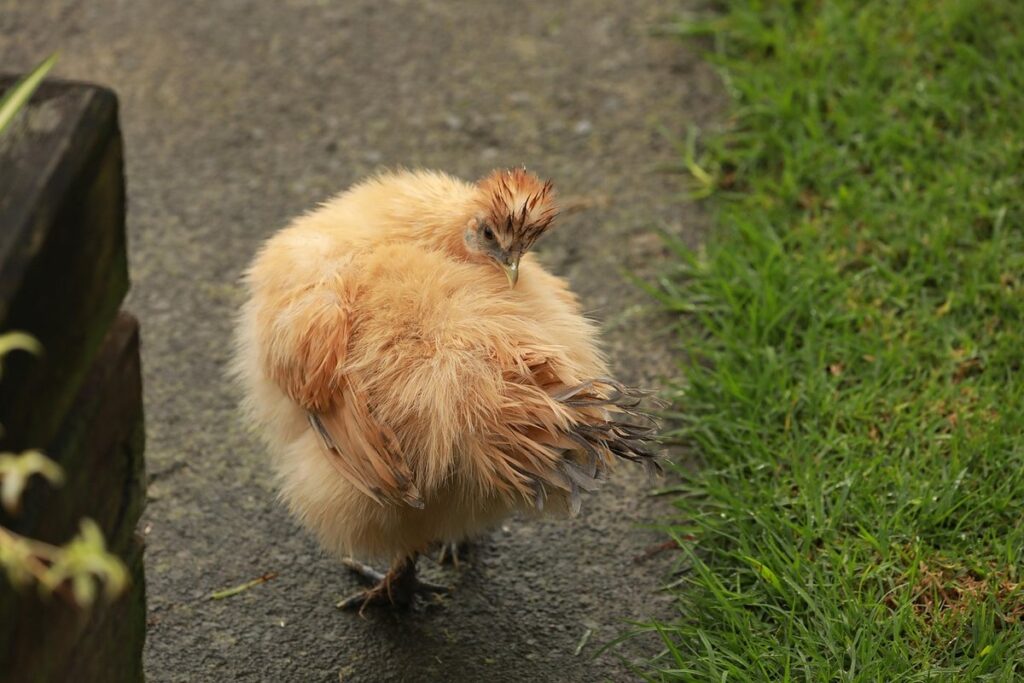
One of the most striking features of the Bantam Polish Chicken is its stunning plumage. These little birds are known for their incredibly long, flowing feathers that can reach up to 2-3 inches in length! The texture of their feathers is another distinctive feature – they’re soft and silky to the touch, with a gentle sheen that catches the light.
When it comes to color varieties, the Bantam Polish Chicken is truly a rainbow in motion. You’ll find them in an array of hues, from classic whites, creams, and blacks to more exotic shades like lavender, blue, and even copper! The breed’s feathers can also display intricate patterns, such as speckling or mottling, adding another layer of visual interest.
If you’re considering bringing a Bantam Polish Chicken into your flock, keep in mind that their feathers require regular maintenance. Be sure to gently brush out tangles and mats daily, especially after molting season. With proper care, these beautiful birds will continue to thrive and dazzle with their luscious plumage for years to come!
Head Shape and Beak Type
The Bantam Polish chicken’s head shape and beak type are two distinct characteristics that set them apart from other breeds. The Polish chicken is known for its unique “topknot” of feathers on top of the head, but it’s also worth noting that they have a distinctive head shape to match.
Their heads are round and compact, with a gentle slope from the crown to the beak. This rounded head shape gives them an endearing, almost doll-like appearance. The beak itself is short, straight, and strong, perfectly suited for pecking at grain or seeds.
In fact, one of the key identifying features of the Polish breed is their “beard” – a tuft of feathers that grows from the lower mandible (lower jaw). This adds to their endearing appearance, but it’s also worth noting that the beard can be prone to matting if not properly cared for. To keep your Polish chicken’s beard looking its best, make sure to gently brush it daily with a soft-bristled brush.
Overall, the combination of the Polish chicken’s rounded head shape and distinctive beak type makes them one of the most recognizable breeds in the world.
Temperament and Personality
When it comes to your bantam Polish chicken, understanding its temperament and personality is key to building a strong bond between you and your feathered friend. Let’s explore what to expect from this charming breed.
Known Traits
When it comes to temperament and personality, Bantam Polish chickens truly shine. Known for their endearing nature, these little birds have earned a reputation for being some of the friendliest backyard flock additions you’ll ever meet. They’re gentle, affectionate, and love being around humans – which makes them an excellent choice for families with children or those who enjoy interacting with their pets.
One of the most distinctive traits of Bantam Polish chickens is their love of human attention. They adore being petted, cuddled, and pampered, often going to great lengths to get your attention. In fact, it’s not uncommon for them to follow you around the yard or even sit on your lap while you’re reading a book! Their gentle nature also makes them an excellent choice for homes with other pets, as they tend to get along famously with dogs, cats, and even other chickens.
If you’re thinking of bringing a Bantam Polish chicken into your life, be prepared for a lifelong friendship. With their playful personalities, loving nature, and affectionate ways, it’s no wonder why these little birds have won the hearts of so many backyard flock enthusiasts.
Potential Challenges
When it comes to owning a Bantam Polish chicken, there are a few potential challenges you should be aware of. One of the most notable is their loud crowing, which can be a shock for first-time owners. While some people find the sound charming, others may find it too much to handle, especially in urban areas where noise restrictions are common.
Another issue that’s often reported by Bantam Polish chicken owners is aggression towards other birds or even humans. This breed has a strong personality and can be quite territorial, so proper socialization from an early age is crucial. To minimize the risk of aggression, it’s essential to introduce your new Bantam Polish chicken to its flock mates slowly and under close supervision.
To mitigate these challenges, consider providing a safe and secure coop with adequate space for your birds to move around. Regular exercise and mental stimulation through activities like foraging or puzzle toys can also help reduce stress and aggression. Additionally, research reputable breeders who prioritize temperament when breeding their chickens to increase the chances of getting a well-socialized bird.
Care and Management of Bantam Polish Chickens
Now that you’ve welcomed your Bantam Polish chickens home, it’s time to learn how to care for them properly. In this next section, we’ll cover all aspects of their daily needs and management.
Housing Requirements
When it comes to housing your Bantam Polish chickens, you’ll want to provide them with a safe and comfortable space that meets their unique needs. A good rule of thumb is to ensure the enclosure is at least 2×3 feet per bird, giving them enough room to move around and stretch their wings. However, if you have multiple birds, consider providing even more space to prevent overcrowding.
Proper ventilation is also crucial in preventing respiratory issues and maintaining a healthy environment. You can achieve this by installing windows or vents that allow fresh air to circulate through the enclosure. Keep in mind that Bantam Polish chickens are sensitive to extreme temperatures, so it’s essential to provide adequate insulation and shading to regulate their living conditions.
To create an ideal climate for your birds, maintain a temperature range of 40-80°F (4-27°C), which is slightly cooler than most chicken breeds. You can also add fans or misting systems to help control the temperature during hot summer months. By providing a spacious, well-ventilated enclosure with comfortable temperatures, you’ll be giving your Bantam Polish chickens the best possible living conditions to thrive.
Diet and Nutrition
When it comes to feeding your Bantam Polish chickens, it’s essential to provide them with a balanced diet that meets their unique nutritional needs. These small but lively birds require a nutrient-rich feed that supports their growth, energy levels, and overall health.
Start by choosing a high-quality commercial feed specifically formulated for bantams or small breeds. Look for feeds containing 16-18% protein, as this will help support muscle development and maintenance. You may also consider supplementing with calcium-rich foods like crushed eggshells or dark leafy greens to promote strong bone growth.
As Bantam Polishes are prone to obesity, it’s crucial to monitor their food intake and prevent overeating. Limit treats to no more than 10% of their daily diet, and opt for nutrient-dense options like fruits and vegetables instead of processed snacks. Fresh water should always be available, and consider adding a probiotic supplement to support gut health.
Remember to adjust your feed type and quantity based on the age and season of your birds. Young chickens require more protein-rich feeds, while older birds may benefit from reduced caloric intake. By providing a well-balanced diet and regular monitoring, you’ll help keep your Bantam Polish flock happy, healthy, and thriving.
Health Considerations
When it comes to caring for your Bantam Polish chickens, it’s essential to be aware of their potential health concerns. One of the most significant issues facing this breed is their susceptibility to diseases such as respiratory infections and mites. Respiratory problems can be caused by poor ventilation in the coop or inadequate care, so make sure to provide plenty of fresh air and maintain good hygiene.
Regular checks for signs of disease are crucial; look out for symptoms like coughing, sneezing, or labored breathing. If you suspect a problem, consult with a veterinarian experienced in poultry health. Mites can also be a significant issue, especially if your flock is not regularly treated or cleaned. Check for signs of mite infestations, such as thinning feathers or lethargy.
To minimize the risk of disease, ensure that your coop and run are clean and well-maintained. Provide a balanced diet and fresh water at all times. Additionally, keep an eye out for parasites like lice, which can be a problem in areas with poor sanitation. By being proactive about health checks and maintaining good hygiene, you’ll significantly reduce the risk of illness affecting your beloved Bantam Polish chickens.
Breeding and Showing the Bantam Polish
When it comes to breeding and showing your Bantam Polish, knowing the right techniques and standards is essential for success. Let’s dive into the ins and outs of preparing your feathered friends for the show ring!
Breeder Selection
When selecting a reputable breeder for your Bantam Polish chicken, it’s essential to prioritize their health and well-being. A responsible breeder will not only provide you with a healthy bird but also ensure that the parents are kept in optimal conditions.
Look for breeders who are transparent about their breeding practices, including the health testing of their birds. You can ask questions like “What health tests do you perform on your chickens?” or “Can I see the parents of the bird I’m interested in purchasing?”
Reputable breeders will also be willing to provide you with documentation of their birds’ ancestry and health clearances. Check for certifications from organizations such as the American Bantam Association (ABA) or the Bantam Polish Club.
Additionally, pay attention to the breeder’s facilities and living conditions. A clean, spacious coop with adequate ventilation is a sign of a responsible breeder. You can also ask if you can visit their farm to see the birds firsthand.
Showing Tips and Tricks
When it comes to showing your Bantam Polish in a poultry exhibition, presentation and handling are key. A well-presented bird can make all the difference between winning and losing. To showcase your bird’s unique features, focus on clean, neat plumage and a symmetrical build. Ensure the bird is free of any visible imperfections or blemishes.
When handling your Bantam Polish, practice gentle yet firm movements to avoid stressing the bird. Hold it securely but not too tightly, with one hand supporting its body and the other cradling its wings. Move slowly and deliberately, letting the judge get a good look at the bird’s features.
For example, when presenting your Bantam Polish in front of the judge, stand confidently with the bird held in a comfortable position. Keep an eye on the judge’s attention to ensure they’re taking note of your bird’s exceptional characteristics. Practice makes perfect, so make sure to rehearse handling and presentation techniques before the big day.
Some additional tips include:
* Keeping the coop and run clean to reduce stress on the birds
* Regular grooming sessions to maintain plumage quality
* Acclimating your Bantam Polish to being handled from an early age
Conclusion: Is the Bantam Polish Chicken Right for You?
So, you’ve learned all about the charming Bantam Polish chicken – now it’s time to consider whether one of these tiny birds is right for your backyard flock. Let’s weigh the pros and cons together.
Assessing Suitability
Before bringing home a Bantam Polish Chicken, it’s essential to assess whether this breed is suitable for you. Start by considering your experience level with chickens. Are you a seasoned chicken keeper or a beginner? The Bantam Polish requires regular attention and care, including daily feeding, cleaning of the coop, and monitoring of health.
If you’re new to chicken keeping, it’s crucial to start with breeds that are more forgiving. However, if you have some experience under your belt, the Bantam Polish can be a delightful addition to your flock.
Next, think about the available space on your property. Bantams may be small, but they need room to roam and exercise. Ensure you have enough space for a coop and run that provides adequate ventilation and protection from predators.
Lastly, consider your personal preferences. Do you want a breed with unique characteristics or are you looking for something more low-maintenance? The Bantam Polish is known for its gentle nature and striking appearance, making it an excellent choice for those who appreciate its quirks.
Final Thoughts on the Bantam Polish
As you’ve reached the end of our journey through the wonderful world of Bantam Polish chickens, it’s time to reflect on what makes this breed truly special. From their compact size and adorable faces to their gentle nature and affectionate personalities, there are so many reasons why the Bantam Polish is a fantastic choice for backyard chicken keepers.
Let’s recap some of the key points we’ve discussed: these birds are surprisingly quiet, despite their large eyes and floppy ears; they’re incredibly friendly and social, making them perfect for families or those who want to interact with their flock regularly; and they require minimal space and maintenance, making them ideal for small backyards or apartments. With proper care and attention, Bantam Polish chickens can thrive in a variety of settings and provide endless entertainment and companionship.
If you’re considering bringing a Bantam Polish into your life, remember that patience and gentle handling are key to building trust with these sensitive birds. Provide them with plenty of space to roam, nutritious food, and regular attention, and you’ll be rewarded with years of loving companionship from one of the most charming breeds around.
Frequently Asked Questions
Can Bantam Polish chickens be kept with larger breeds?
Yes, Bantam Polish chickens can be integrated into a flock with larger breeds, but it’s essential to ensure that the housing is spacious enough for all birds to move comfortably. A general rule of thumb is to provide at least 3-4 square feet per bird inside the coop and 8-10 square feet in the run. With proper introduction and supervision, Bantam Polish can thrive in a multi-breed flock.
How do I care for my Bantam Polish chicken’s unique crested feathers?
Bantam Polish chickens require regular maintenance to keep their crest clean and free from debris. Gently brush the crest daily with a soft-bristled brush, and trim any overgrown feathers as needed. It’s also essential to provide adequate ventilation in the coop to prevent moisture buildup, which can lead to health issues.
Can I show my Bantam Polish chicken at local poultry shows?
Yes, Bantam Polish chickens are recognized by many poultry associations and can be shown in various categories, such as light breed, miniature breed, or crested breed. Research your local poultry association’s rules and regulations regarding breed classification and exhibition requirements.
What are some potential health considerations when owning a Bantam Polish chicken?
Bantam Polish chickens can be prone to certain health issues due to their unique physical characteristics. Regularly monitor their weight, as obesity can lead to mobility problems. Additionally, keep an eye out for respiratory issues, such as asthma or bronchitis, and ensure proper ventilation in the coop.
How long does it take to breed Bantam Polish chickens successfully?
Breeding Bantam Polish chickens requires patience and experience. It’s essential to select suitable breeding stock from reputable breeders and follow best practices for breeding and management. With dedication and expertise, you can expect to see results within 1-2 years, but it may take longer depending on individual circumstances and the goal of your breeding program.