
Are you considering adding some charm to your backyard flock? Look no further than the Bantam Polish chicken! These diminutive birds have captured the hearts of many with their unique appearance and loving personalities. But before you bring one home, it’s essential to understand what makes them tick.
In this comprehensive guide, we’ll delve into the origins of Bantam Polish chickens, exploring how they came to be and what sets them apart from other breeds. We’ll also discuss their temperament – are they friendly and social or more reserved? And, as any chicken keeper knows, it’s not just about love; you’ve got to consider their care requirements too. From feeding and housing to health and maintenance, we’ll cover all the essential details to ensure your Bantam Polish chickens thrive in their new home.
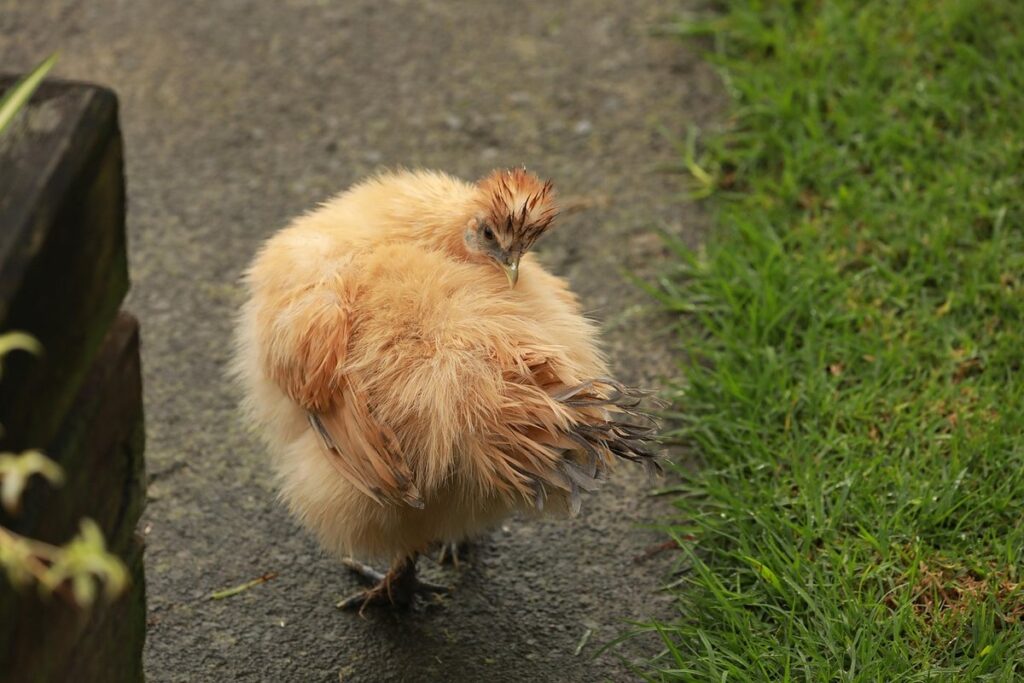
Origins and History
Let’s delve into the fascinating history of bantam Polish chickens, tracing their roots back to 17th-century Poland. Their origins are steeped in legend and intrigue.
Early Development
The Bantam Polish chicken breed has a rich history that dates back to 16th century Poland. The early development of this breed is attributed to the Polish breeders who crossed small Polish chickens with other bantam breeds, such as the Dutch and the Belgian Bearded d’Anvers. This combination resulted in a unique bird that combined the best characteristics of its parents.
As we delve into the history of the Bantam Polish, it’s fascinating to note how this breed was initially developed for entertainment purposes. The small size, playful personalities, and colorful plumage made them an instant hit among royal courts and nobility. In fact, the Bantam Polish became a favorite among European aristocrats, who prized their gentle nature and affectionate behavior.
During this time, Poland’s royal court was instrumental in developing the breed further by carefully selecting and breeding birds that showcased desirable traits such as compact size, rich plumage, and calm demeanor. This meticulous selection process laid the foundation for the modern-day Bantam Polish we know today.
19th-Century Popularity
In the 19th century, the Bantam Polish chicken breed experienced a significant surge in popularity, particularly in England. This can be attributed to the growing interest in exotic and unusual breeds among poultry enthusiasts. The breed’s unique characteristics, such as its crested topknot, feathered face, and compact size, made it an attractive addition to many backyard flocks.
As a result of their increasing popularity, Bantam Polish chickens became widely available at poultry shows and exhibitions throughout England. Breeders and owners took great pride in showcasing these birds, often adorning them with elaborate decorations to accentuate their already impressive features. This was not only a testament to the breed’s appeal but also a reflection of the passion and dedication of its enthusiasts.
By the mid-19th century, the Bantam Polish had gained a reputation as one of the most sought-after breeds among poultry fanciers in England. Its popularity was further fueled by the publication of various poultry journals and books, which featured articles and illustrations highlighting the breed’s unique characteristics.
Impact on Chicken Breeding
The Bantam Polish has left an indelible mark on modern chicken breeding, and its influence can be seen in many breeds today. One of the key factors that contributed to this impact was its unique combination of miniature size, stunning crest, and friendly temperament. Breeders were drawn to these characteristics, and as a result, began to experiment with incorporating them into other breeds.
Today, we see evidence of this influence in breeds like the Japanese Bantam and the Dutch Bantam, which share similarities with the Polish in terms of their small size and crested heads. However, it’s worth noting that many breeders have also chosen to focus on preserving the Polish’s distinctive characteristics rather than attempting to hybridize them.
If you’re a breeder looking to incorporate some of these unique traits into your own flock, consider focusing on developing birds with impressive crests or compact, muscular bodies. Remember to prioritize health and temperament when making breeding decisions – after all, the Bantam Polish’s enduring popularity is a testament to its friendly, outgoing nature.
Physical Characteristics
Bantam Polish chickens are a delight to behold, and it’s not just their charming personalities that make them so lovable – their physical characteristics are equally impressive. Let’s take a closer look at what makes them so adorable.
Size and Weight
The Bantam Polish chicken is one of the smallest breeds of chickens you can keep as pets. On average, they weigh between 1.5 and 2 pounds (0.7 to 0.9 kg), with some individuals weighing even less. In comparison, other small breeds like the Silkie or the Japanese Bantam typically weigh around 3-4 pounds.
To put this into perspective, a standard egg-laying chicken can weigh anywhere from 5-8 pounds, so it’s easy to see why the Bantam Polish is considered a miniature breed. Their compact size makes them an ideal choice for backyard flocks or even urban homesteads where space is limited.
In terms of length, Bantam Polishes typically range between 6-9 inches (15-23 cm), with some individuals reaching up to 10 inches in height. Their small stature also means they require less food and care than larger breeds, making them a popular choice for novice chicken keepers.
Feathers and Plumage
Bantam Polish chickens are renowned for their breathtaking plumage, which sets them apart from other breeds. Their feathers are one of the most distinctive characteristics of this breed, with a multitude of color varieties and patterns to admire.
The plumage of Bantam Polish chickens is typically long and flowing, with feathers reaching down to the ground in some cases. They often have a “muff” around their faces, which adds to their endearing appearance. In terms of color variety, Bantam Polishes come in an astonishing array of hues, including solid colors like white, black, and red, as well as bi-colors, tri-colors, and even silvers and lavenders.
Some of the most striking patterns found on Bantam Polish chickens include frills, which are long feathers that grow from the neck area, and beards, which can be short or long. When it comes to maintaining your Bantam Polish’s stunning plumage, regular grooming is essential. You’ll want to gently brush their feathers daily to prevent matting and tangling, and provide a balanced diet rich in omega-3 fatty acids to keep their coat healthy and shiny.
Whether you’re a seasoned chicken keeper or just starting out, the unique appearance of Bantam Polish chickens is sure to captivate. With proper care and attention, these birds will reward you with stunning plumage that’s truly one-of-a-kind.
Comb and Wattles
The Bantam Polish’s comb and wattles are two of its most distinctive physical characteristics. The comb is a fan-shaped growth on top of the chicken’s head, while the wattles are long, hanging pieces of skin under the chin. One of the key features that distinguish the Bantam Polish from other breeds is its unique comb shape, which is typically pea comb or rose comb in type. This type of comb allows for better heat dissipation and can help to protect the chicken from frostbite.
In terms of wattles, the Bantam Polish’s are usually quite long and may require regular trimming to prevent them from becoming too cumbersome for the bird. It’s essential to learn how to trim your Polish’s wattles correctly to avoid causing any discomfort or pain. To do this, simply use a pair of sharp scissors or clippers and snip off any excess skin, being careful not to cut too close to the chicken’s throat.
Regular trimming can also help to prevent matting and tangling of the wattles, which can be unsightly and uncomfortable for the bird. By keeping your Polish’s comb and wattles well-maintained, you’ll be able to enjoy their unique appearance and ensure that they remain healthy and happy.
Temperament and Personality
Bantam Polish chickens are known for their playful, affectionate nature, making them a great fit for families and first-time backyard chicken keepers. Let’s dive into what you can expect from their temperament and personality.
Friendliness and Docility
The Bantam Polish’s temperament is one of its most endearing qualities. These chickens are renowned for their gentle and docile nature, making them an ideal choice for families with children and backyard chicken keepers who want a low-maintenance pet. Their friendly disposition means they quickly form bonds with their owners, and they thrive on attention and interaction.
One key characteristic of the Bantam Polish is its calm demeanor. They are not easily stressed or anxious, even in the presence of loud noises or new environments. This makes them an excellent choice for families who want a pet that can adapt to their lifestyle. For example, if you have young children, a Bantam Polish will be happy to play with them and tolerate their energetic antics.
To build a strong relationship with your Bantam Polish, spend time with it daily, handling it gently and speaking softly. They love treats, so use these as rewards for good behavior. With patience and consistency, you’ll find that your Bantam Polish becomes an integral part of the family, providing companionship and joy to all who interact with them.
Noise Level and Activity
When it comes to noise level and activity, Bantam Polish chickens are surprisingly well-suited for urban or suburban living. Unlike some other breeds, they’re not excessively vocal, making them a great choice for those who live in close proximity to neighbors.
In fact, their gentle clucking is often described as soothing rather than annoying. This makes them an ideal breed for city dwellers who want the companionship of chickens without the noise complaints. On average, Bantam Polish chickens will make around 20-30 clucks per day, which is significantly less than some other breeds.
In terms of activity level, Bantam Polish chickens are relatively low-maintenance and don’t require a lot of space to roam. They’re happy with a small enclosure or even a large aviary, making them perfect for backyard chicken keepers with limited space. With regular exercise and playtime, they’ll stay happy and healthy, but they’re not high-energy birds that need to be let out into the yard every day.
Overall, Bantam Polish chickens are a great choice for those who want a quiet and low-maintenance pet that’s perfect for small spaces.
Egg-Laying Ability
When it comes to egg-laying ability, Bantam Polish chickens are known for their moderate production. On average, a healthy adult Bantam Polish will lay around 200-220 eggs per year, which translates to about 5-6 eggs per week. This is slightly higher than other small breeds like the Silkie or the Japanese Bantam.
One of the reasons why Bantam Polishes are decent egg layers is due to their active lifestyle. They love foraging and scratching in the dirt, which keeps them engaged and stimulated. This activity helps to maintain a healthy metabolism, which in turn supports strong reproductive health. Additionally, Bantams tend to be relatively low-maintenance birds when it comes to feeding. A balanced diet with plenty of protein will encourage regular egg production.
If you’re looking to raise Bantam Polish chickens for eggs, consider providing a nutritious layer feed supplemented with fresh fruits and vegetables. Keep in mind that individual egg-laying capacity can vary depending on factors such as age, nutrition, and overall health.
Health Considerations
When considering bantam Polish chickens for your flock, it’s essential to think about their specific health needs, which can be different from larger breeds. Let’s explore some key factors to keep in mind.
Common Health Issues
Bantam Polish chickens are known for their playful and affectionate nature, but like all breeds, they can be prone to certain health issues. As a responsible owner, it’s essential to be aware of the common health problems that may affect your feathered friends.
Some of the most common health issues affecting Bantam Polishes include respiratory problems, such as bronchitis and pneumonia, which can be caused by drafts or damp conditions. To prevent this, make sure their coop is well-ventilated and kept clean. Regular dusting with a HEPA air purifier can also help reduce allergens and irritants.
Other health issues to watch out for include eye problems, such as squinting or tearing, which can be caused by genetics, environment, or even allergies. Keep an eye on their eyes regularly, and consult a veterinarian if you notice any unusual behavior.
Regular check-ups with a veterinarian are crucial in detecting potential health issues early on. A healthy diet, plenty of fresh water, and regular cleaning of the coop will also help keep your Bantam Polish happy and healthy.
Nutrition and Diet
When it comes to providing the best possible care for your Bantam Polish chickens, their diet plays a crucial role in maintaining optimal health. A well-balanced diet ensures that they receive all the necessary nutrients for growth, egg production, and overall well-being.
A mix of high-quality layer feed, oats, barley, and corn should form the basis of their diet. You can also supplement with fresh fruits and vegetables to provide essential vitamins and minerals. Leafy greens like kale and spinach are particularly beneficial, as they’re rich in calcium for strong eggshell production.
However, it’s essential to avoid giving them foods that can be toxic or cause digestive issues. Avocado skins and pits, onions, garlic, and raw beans should all be avoided. Fresh water must always be available, and a grit-rich feed will help with their digestion of seeds and grains.
Keep in mind that Bantam Polish chickens have different nutritional requirements depending on their age and health status. It’s best to consult with a veterinarian or experienced breeder for personalized dietary advice. Regular monitoring of their weight, appetite, and droppings can also help you identify any potential diet-related issues early on.
Environmental Factors
When it comes to raising Bantam Polish chickens, environmental factors play a significant role in their overall well-being. A properly designed and maintained coop is essential for the health and happiness of these birds. Adequate ventilation is crucial to prevent ammonia buildup from droppings and maintain a healthy temperature range.
A good rule of thumb is to provide at least 3-4 square feet of space per bird inside the coop, with additional room for exercise and movement outside. This will help reduce stress and prevent health issues associated with over-crowding. It’s also essential to ensure proper lighting, both natural and artificial, as Bantam Polish chickens need around 14 hours of daylight to maintain their circadian rhythms.
To keep your coop clean and well-maintained, establish a regular cleaning schedule, removing soiled bedding materials and replacing them with fresh ones. This will help prevent the spread of diseases and parasites. Consider adding features like roosts, nesting boxes, and easy-to-clean surfaces to make upkeep more efficient.
A well-designed coop that addresses environmental factors will not only promote the health of your Bantam Polish chickens but also provide a safe and comfortable living space for them.
Care and Management
To keep your bantam Polish chickens happy and healthy, you’ll want to focus on providing regular care and management, including a balanced diet and proper coop maintenance. This is crucial for their well-being.
Housing Requirements
When it comes to housing your Bantam Polish chickens, you’ll want to provide them with a coop that meets their specific needs. A good rule of thumb is to allow at least 2-4 square feet of space per bird inside the coop. This will give them room to move around comfortably and prevent overcrowding.
In addition to adequate space, ventilation is also crucial for your Bantam Polishes’ health and well-being. You’ll want to ensure that your coop has proper airflow to prevent ammonia buildup from their droppings. Consider adding windows or vents to allow fresh air to circulate inside the coop. This will not only keep your birds healthy but also reduce odors.
Predator protection is another essential aspect of housing your Bantam Polish chickens. Make sure your coop is secure and protected from predators such as raccoons, foxes, and hawks. You can achieve this by using hardware cloth or chicken wire around the enclosure and securing it to the ground with rocks or weights. A covered run or fenced area will also provide a safe space for your birds to exercise and roam while keeping them protected.
Feeding and Nutrition
When it comes to feeding and nutrition for your Bantam Polish chickens, providing them with a balanced diet is essential for their overall health and well-being. Bantams have high metabolisms and require more food per pound of body weight than larger breeds, so be sure to plan accordingly.
A good quality layer feed or starter feed can provide the necessary nutrients for growth and maintenance. However, it’s also important to supplement with treats such as fruits and vegetables to ensure a varied diet. Some recommended treats include dark leafy greens like kale and spinach, carrots, apples, and berries. Aim to provide about 10-15% of your Bantam Polish’s daily calories through treats.
A general rule of thumb is to provide about 1/4 pound of feed per bird per day for the first year, then gradually reduce to about 1/8 pound as they mature. Keep in mind that individual needs may vary depending on factors such as age, sex, and activity level. Be sure to monitor your birds’ weight and adjust their feeding accordingly to prevent overeating or malnutrition. Regularly rotating feed can also help ensure a balanced intake of essential nutrients.
Health Monitoring and Maintenance
Regular health checks and maintenance tasks are essential for ensuring the overall well-being of your Bantam Polish chickens. A healthy chicken is not only a happy chicken but also a productive one.
To start with, it’s crucial to get to know your birds’ unique characteristics, habits, and quirks. This will help you detect any potential health issues early on. For instance, if you notice that one of your Bantams has a sudden change in appetite or is lagging behind its flockmates during exercise time, don’t hesitate to investigate further.
Regular tasks such as cleaning their coop and run, providing fresh water, and a balanced diet will go a long way in maintaining their health. Also, make sure they have access to adequate ventilation, lighting, and space to move around freely. Regular inspections of their living area can help you identify potential hazards or unsanitary conditions that could compromise their health.
Some key things to check during your regular health checks include:
• The overall condition of the coop and run
• Feeders and water containers for cleanliness and accessibility
• Egg-laying performance (if applicable)
Conclusion
If you’re considering adding bantam Polish chickens to your flock, I’m sure by now you’ve got a good sense of their unique charm and characteristics. In this post, we’ve explored their gentle nature, striking appearances, and relatively low-maintenance needs. From their adorable crests to their lively personalities, it’s easy to see why these little birds have captured the hearts of so many backyard chicken enthusiasts. Now that you know more about what makes bantam Polish chickens special, it’s time to think about whether they might be a good fit for your family. Consider factors like space, noise level, and experience – will your yard and lifestyle accommodate these feathered friends? With the right setup and care, I’m confident you’ll fall in love with these sweet birds just as many of us have!
Frequently Asked Questions
Can Bantam Polish chickens thrive in small backyards or apartments with limited space?
Yes, these diminutive birds can adapt to smaller spaces as long as you provide a suitable coop and enclosure that meets their needs for exercise and movement. However, consider the size of your yard and ensure it’s enough for them to roam freely without feeling confined.
How do I introduce Bantam Polish chickens to my existing flock, especially if they’re larger breeds?
When introducing new birds to an existing flock, it’s essential to do it slowly and under close supervision. Start by keeping the Bantams separate at first and then gradually introduce them to each other in a neutral area. Monitor their behavior and body language, ensuring that everyone gets along.
What are some common health issues I should be aware of in Bantam Polish chickens?
Common health issues affecting this breed include respiratory problems, tumors, and obesity due to overeating. Regular health checks, proper nutrition, and regular exercise can help prevent these issues. Keep an eye out for signs of illness, such as lethargy or changes in appetite.
Can I keep Bantam Polish chickens with other pets, like dogs or cats?
While it’s possible to keep them together, supervision is key to ensure everyone gets along peacefully. Start with a slow introduction and monitor their behavior closely. Provide separate areas for each pet and plenty of resources so they don’t compete.
How often should I collect eggs from my Bantam Polish hens, and what are some tips for maintaining egg-laying health?
Collect eggs regularly to encourage the birds to continue laying. For optimal egg production, ensure a balanced diet rich in protein and calcium. Also, provide enough light exposure and maintain good hygiene around the nesting box to prevent health issues.