
Are you looking for a charming and low-maintenance addition to your backyard or small farm? Look no further than the delightful Bantam Polish hen! With their unique appearance, gentle nature, and affectionate personalities, it’s no wonder these little birds have captured the hearts of many. But what makes them such great pets or additions to small farms?
In this article, we’ll delve into the history and characteristics of Bantam Polish hens, exploring why they’ve become a favorite among backyard chicken enthusiasts. We’ll also cover their specific care requirements, including diet, housing, and health considerations. Whether you’re new to raising chickens or just looking for a new pet, learning about the benefits and joys of owning Bantam Polish hens is sure to be informative and entertaining!
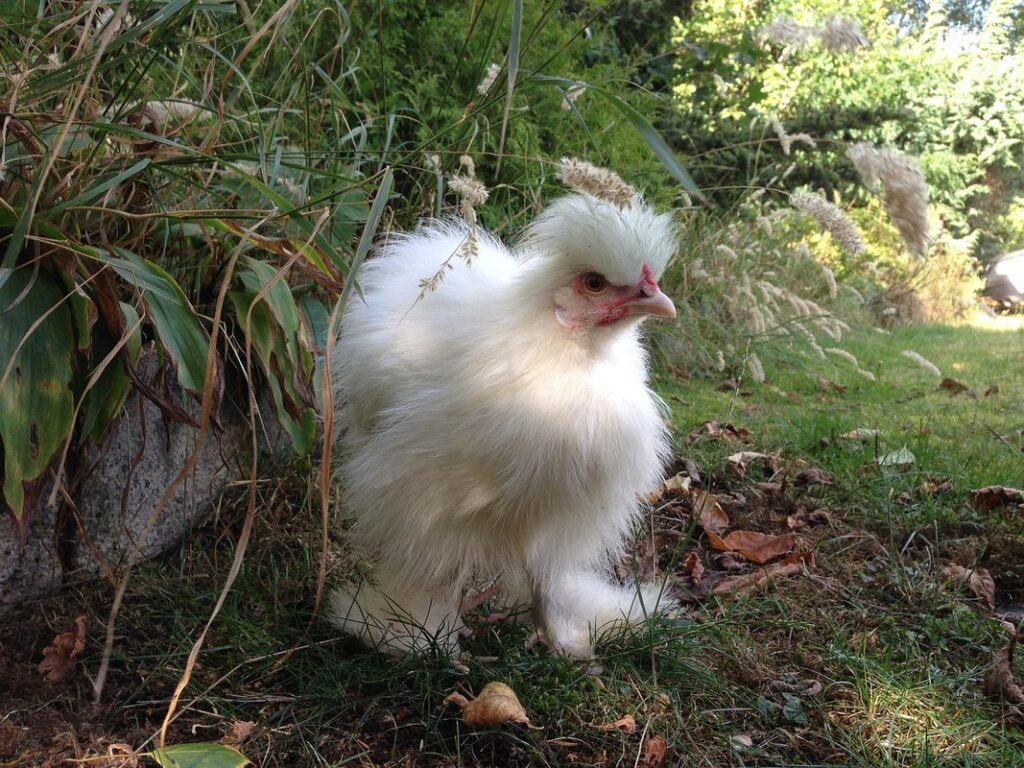
History and Origins of Bantam Polish Hens
Let’s dive into the fascinating history behind these lovable birds, exploring where they originated and how their unique characteristics evolved over time. Their ancestry is full of surprises!
Origin Story
The Bantam Polish Hen breed has its roots in Europe, specifically in Poland and England, where it’s believed to have originated. To understand the development of this delightful breed, let’s take a step back in time. The Bantam Polish Hen is a descendant of the Polish Fowl, which was first introduced to England in the 16th century. At that time, English farmers were looking for smaller, more manageable birds that could thrive on their land.
From these early beginnings, breeders began selecting and breeding birds with specific characteristics, including compact size, friendly temperament, and striking plumage patterns. Over time, the Bantam Polish Hen emerged as a distinct breed within its own right. Today’s Bantam Polish Hens are an endearing mix of their ancestors’ hardiness, intelligence, and charm.
One interesting fact about the origins of Bantam Polish Hens is that they were initially bred for hunting and game purposes. However, their friendly nature and small size made them more suited to being kept as pets or in backyard flocks.
Breed Development and Standardization
The Bantam Polish Hen’s breed development is a fascinating story that spans centuries. To meet specific standards for size, temperament, and appearance, breeders selectively bred these tiny birds to create the charming Polish hens we know today. The American Bantam Association (ABA) played a significant role in standardizing the breed through its breeding programs and strict guidelines.
To achieve the signature crest on top of the head, breeders experimented with various methods, including selective breeding and careful selection of eggs for incubation. This attention to detail led to the development of distinct Polish characteristics, such as their round, plump bodies, short legs, and docile nature.
The ABA’s emphasis on standardization ensured that Bantam Polish hens meet specific requirements in terms of size (typically weighing between 1-2 pounds), temperament (known for being friendly and gentle), and appearance (characterized by their distinctive crest). By following these guidelines, breeders can create birds that not only excel in competition but also make wonderful pets for backyard chicken enthusiasts.
Characteristics of Bantam Polish Hens
Bantam Polish hens are known for their endearing physical characteristics, which set them apart from other chicken breeds. Let’s take a closer look at what makes these tiny birds so special.
Size and Build
When it comes to their size and build, Bantam Polish hens are truly tiny but mighty birds. According to breed standards, these charming creatures typically weigh between 1 pound 8 ounces to 2 pounds (680-900 grams) and measure about 10-12 inches (25-30 cm) in length.
Their small stature is a result of selective breeding, which has led to their unique body type. Bantam Polish hens have a compact, rounded build with a short, broad beak and a tiny comb on top of their heads. Their feathers are soft and silky, often in a variety of colors including white, black, blue, or red.
One of the defining features of Bantam Polish hens is their “muff” – a fluffy tuft of feathers around their faces. This adorable feature gives them an endearing and playful appearance that’s hard to resist. If you’re considering bringing home a Bantam Polish hen, be prepared for plenty of snuggles and admiration from friends and family!
Temperament and Personality
One of the key reasons Bantam Polish hens have captured the hearts of backyard chicken keepers is their exceptional temperament and personality. These tiny birds are renowned for their friendly nature, making them an excellent choice for families with children or for those who want a low-maintenance yet affectionate pet.
When it comes to interacting with humans, Bantam Polish hens are incredibly docile. They are known to follow their owners around the yard, seeking attention and treats. Their gentle disposition makes them an ideal breed for people with limited experience in chicken keeping. In fact, many Bantam Polish owners report that these birds will often perch on their laps or even snuggle up against them.
In addition to their friendly nature towards humans, Bantam Polish hens also get along surprisingly well with other animals in the backyard, including dogs and cats. With proper introduction and socialization, these birds can thrive in multi-species households, providing endless entertainment for family members.
Their calm demeanor also makes them an excellent choice for small backyards or urban settings where space is limited. With their compact size and peaceful nature, Bantam Polish hens are the perfect addition to any backyard flock.
Egg-Laying and Feeding Habits
When it comes to egg-laying and feeding habits, Bantam Polish hens are surprisingly productive given their small size. On average, a healthy Bantam Polish hen will lay around 200-220 eggs per year, with most of them being white or tinted eggs. However, this number can vary depending on the individual hen’s breed quality, nutrition, and overall health.
In terms of daily production, you can expect your Bantam Polish hen to lay about 5-6 eggs per week during peak laying season. It’s essential to note that these hens tend to slow down their egg production as they age, typically around 3-4 years old. To maximize their productivity and ensure a steady supply of eggs, provide them with a balanced diet rich in proteins, vitamins, and minerals.
When it comes to feeding your Bantam Polish hen, remember that they are small but energetic birds and require about 1/4 cup of layer feed per day. Supplementing their diet with fresh fruits and vegetables is also essential for maintaining their overall health and well-being. Consider offering treats like mealworms or sunflower seeds to keep them engaged and active.
To ensure your Bantam Polish hen stays healthy, avoid overfeeding, as this can lead to obesity and related health issues. Stick to a consistent feeding schedule and provide access to fresh water at all times. With proper care and attention, your Bantam Polish hen will reward you with an abundance of eggs and endless entertainment.
Health Considerations for Bantam Polish Hens
When it comes to caring for your bantam Polish hens, health considerations are crucial to ensure their well-being and longevity. Let’s explore some essential tips for keeping them happy and healthy.
Common Health Issues
As you care for your Bantam Polish hens, it’s essential to be aware of the common health issues that can affect them. Respiratory problems are a common issue, particularly during cold weather or when the birds are stressed. To prevent this, ensure good ventilation in their coop and keep it clean by removing soiled bedding regularly. You should also avoid overcrowding your flock as this can lead to respiratory issues.
Eye infections are another concern for Bantam Polish hens. These infections can be caused by a dirty environment or poor hygiene practices. Make sure to provide your birds with adequate space, fresh water, and clean food dishes at all times. Regularly inspect their eyes for any signs of discharge or redness, and seek veterinary attention if you notice anything unusual.
Parasites are another common health issue that can affect Bantam Polish hens. To prevent parasites, ensure regular cleaning of the coop and run, as well as providing a balanced diet rich in nutrients. Consider using natural dewormers or consulting with a veterinarian for guidance on parasite control.
Nutritional Requirements and Diet
Bantam Polish hens require a nutrient-rich diet to maintain their tiny but mighty bodies. When it comes to protein, they need about 16-18% of their daily calories to come from high-quality protein sources like chicken feed or insects. Calcium is also crucial for these birds, especially as they age and their bones become more dense. A calcium supplement can be added to their diet, but be careful not to overdo it – excessive calcium can lead to kidney stones.
In addition to protein and calcium, Bantam Polish hens need a balanced mix of other essential nutrients like vitamins A, D, E, K, and B-complex. They also require adequate amounts of minerals such as phosphorus, magnesium, and potassium. To ensure your Bantam Polish hen is getting all the necessary nutrients, provide a high-quality commercial layer feed as the main staple of their diet.
You can also supplement with fresh fruits and vegetables like leafy greens, carrots, and apples. However, make sure to introduce new foods gradually to prevent digestive upset. A general rule of thumb is to offer 1-2 tablespoons of treats per hen per day. Always provide fresh water, and consider adding a calcium-rich crushed eggshell or oyster shell supplement as needed.
Breeding and Raising Bantam Polish Hens
Breeding and raising bantam Polish hens requires careful consideration of genetics, nutrition, and environment to produce healthy, thriving birds. This section will walk you through each step of this process.
Choosing the Right Stock
When it comes to choosing the right stock for breeding Bantam Polish Hens, you want to ensure that you’re selecting healthy birds with desirable traits. This is crucial if you’re looking to produce high-quality chicks and maintain a strong bloodline.
Start by identifying reputable breeders who specialize in Bantam Polish Hens. Look for breeders who are transparent about their breeding program, provide health guarantees, and have a good reputation among other poultry enthusiasts. When selecting eggs or chicks from these breeders, inspect them carefully for any signs of cracking, unusual shapes, or visible defects.
In terms of identifying potential issues in adult birds, pay attention to posture, feather quality, and overall demeanor. A healthy Bantam Polish Hen should have a straight back, shiny feathers, and be active and alert. Avoid selecting breeding pairs with undesirable traits such as aggression, lethargy, or poor egg-laying habits.
When choosing a breeding pair, consider factors such as temperament, plumage color, and productivity. Select birds that are friendly, curious, and laid-back, as these traits will be passed down to their offspring. Also, look for pairs with a good balance of characteristics, such as size, feather quality, and egg-laying ability.
Brooding and Rearing Chicks
When you bring home Bantam Polish hen chicks for the first time, it’s essential to provide them with a safe and nurturing environment. This is known as brooding, and it’s critical for their growth and development during the first few weeks of life.
A suitable temperature range for brooding Bantam Polish chicks is between 90°F and 95°F (32°C to 35°C) for the first week, gradually decreasing by 5°F each subsequent week. You can achieve this by using a heat source such as a heat lamp or ceramic heat emitters placed near the chick’s enclosure.
In terms of feeding, Bantam Polish chicks require high-quality starter feed that is specifically formulated for young poultry. A good rule of thumb is to provide unlimited access to fresh water and offer 1-2 cups of starter feed per chick daily. Additionally, ensure that your chicks have adequate ventilation, proper lighting, and a clean living environment to prevent disease.
For the first few weeks, you’ll also need to monitor their growth closely, weighing them regularly to check for any potential health issues. By providing optimal care during this critical period, you’ll set your Bantam Polish hens up for a happy and healthy life.
Tips for Keeping Bantam Polish Hens Happy and Healthy
To keep your bantam Polish hens thriving, it’s essential to provide them with a stimulating environment that meets their unique needs. Let’s dive into some valuable tips for ensuring they live happy and healthy lives.
Housing Requirements
When it comes to keeping Bantam Polish hens happy and healthy, providing adequate housing is essential. These tiny birds need a safe and comfortable environment that meets their specific needs. One of the most important features of their coop should be roosting bars. Bantams love to roost at night, so ensure there are sturdy perches for them to climb up on. A good rule of thumb is to provide one roosting bar for every two hens.
In addition to roosting bars, Bantam Polish hens require nesting boxes where they can lay their eggs in peace. The ideal size for a nesting box is about 8-10 inches square and should be positioned at least three feet off the ground to prevent drafts. Scratching areas are also crucial as Bantams love to scratch and peck at the floor to keep themselves entertained and exercised.
To create a comfortable environment, consider adding some hiding places like cardboard boxes or small shelters for your hens to retreat into when feeling stressed or overwhelmed. A dust bath area is another must-have feature – this will help them maintain their feathers in top condition.
Exercise and Socialization
Providing regular exercise and socialization is crucial for the happiness and well-being of Bantam Polish hens. These tiny birds were bred to be active and need space to roam and engage in natural behaviors. To meet their needs, create a stimulating environment by incorporating dust baths, which not only keep them clean but also provide mental stimulation.
Introduce perches at different heights to allow your girls to exercise their legs and stretch their wings. Consider adding a few toys or scratching posts to encourage foraging behavior and keep their beaks trimmed. Social interaction is just as vital; introduce your Bantam Polish hens to other friendly animals, such as calm cats or goats, in a controlled environment.
If you have the space, consider building a safe run where they can roam freely. This will not only provide them with much-needed exercise but also allow them to engage in natural behaviors like pecking and scratching. With proper care and attention, your Bantam Polish hens will thrive, providing endless entertainment and joy for years to come.
Conclusion
In conclusion, bantam Polish hens have stolen your heart, haven’t they? You’ve learned about their fascinating history, unique characteristics, and charming personalities. Now that you’re convinced of their lovable nature, it’s time to consider bringing one (or two, or three) home! Before making a decision, take stock of your available space, lifestyle, and commitment level. Ask yourself: Can I provide the necessary attention and care for these tiny but mighty birds? Do I have enough space in my coop and run to accommodate them comfortably?
By carefully considering these factors, you’ll be well on your way to creating a happy and harmonious home for your new bantam Polish hen friends. With proper care and attention, they’ll reward you with their affectionate nature, entertaining antics, and delicious eggs. So go ahead, take the plunge, and welcome one (or two) of these delightful birds into your flock!
Frequently Asked Questions
How do I ensure my Bantam Polish Hens get enough exercise?
Providing enough space for your hens to roam is crucial. Aim for at least 2-3 square feet of indoor space and a fenced area of about 10-15 square feet per bird outside. You can also consider adding toys or perches to keep them entertained.
What are some common health issues I should watch out for in Bantam Polish Hens?
Bantams can be prone to respiratory problems, so make sure their coop is well-ventilated and draft-free. Regularly check for signs of mites, lice, or feather pecking. Schedule annual check-ups with a veterinarian familiar with backyard chickens.
Can I keep Bantam Polish Hens in a small apartment?
While they’re adaptable to smaller spaces, Bantams still require regular exercise and socialization. Consider consulting with a local animal welfare organization for advice on keeping hens in urban areas. Make sure you have a suitable coop or enclosure that provides adequate space.
How do I care for my Bantam Polish Hens during extreme weather conditions?
During hot summer months, ensure their coop is shaded and provide plenty of fresh water. In colder climates, consider adding insulation to their coop and providing a heat source if necessary. Always check the temperature and humidity levels in their enclosure.
Can I breed Bantam Polish Hens with other breeds, or are they suitable for keeping as pets?
Bantams can be crossed with other breeds, but it’s essential to research compatibility and desired traits beforehand. As pets, they’re relatively low-maintenance and affectionate. However, if you plan on breeding them, consider consulting a reputable breeder or poultry expert for guidance.