
Are you fascinated by small but mighty birds? Look no further than the Bantam Polish rooster, a true gem in the world of poultry. With their stunning crested heads and gentle demeanor, it’s easy to see why these miniature marvels have captured the hearts of chicken enthusiasts everywhere. But owning a Bantam Polish rooster requires more than just admiration – you’ll need to know how to care for them properly, breed them successfully, and even show off their unique characteristics in competitions. In this comprehensive guide, we’ll delve into the ins and outs of raising and training your own Bantam Polish rooster, covering everything from temperament and habits to breeding and showing techniques. Whether you’re a seasoned poultry expert or just starting out, our expert advice will help you bring home these majestic birds and enjoy all they have to offer.
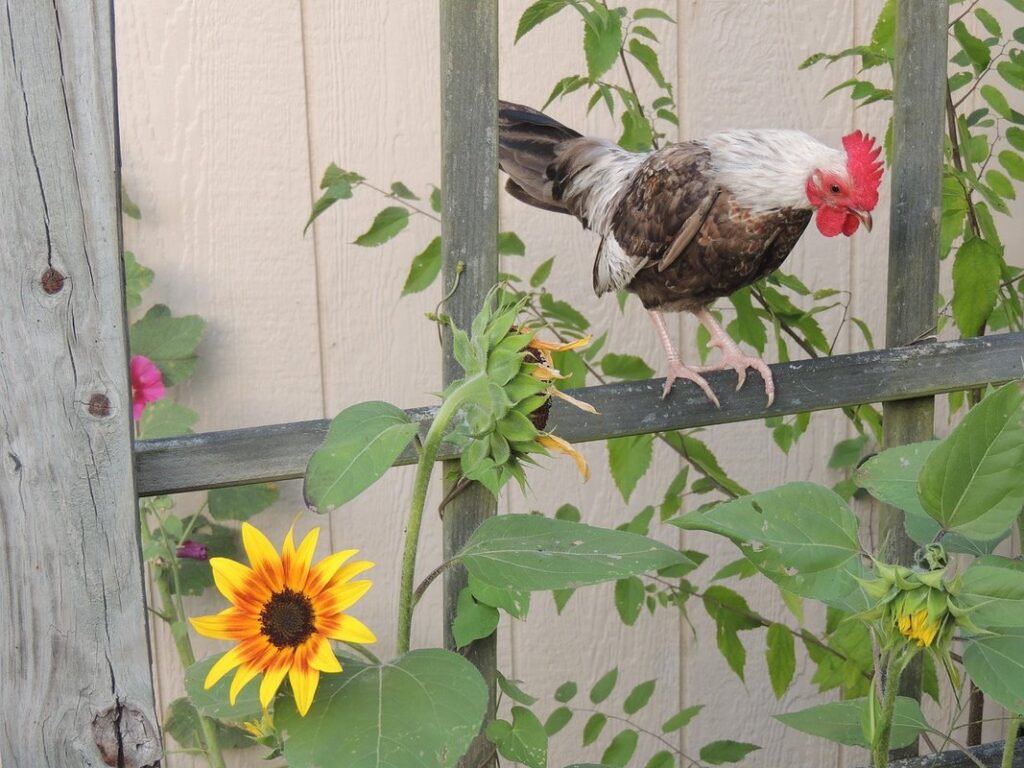
Characteristics and Origins
The Bantam Polish Rooster has a rich history, and understanding its origins and key characteristics is essential to appreciating its unique qualities. Let’s dive into what makes this breed so special.
History of the Breed
The Bantam Polish rooster’s rich history dates back to its origins in Poland, where it was bred for centuries as a prized companion bird. Its ancestors were likely brought to the region by nomadic tribes from the Middle East and Asia during the Middle Ages. Over time, these early birds interbred with native fowl, resulting in the development of the Polish topknot breed. The distinctive crest on the Bantam Polish’s head is a key identifier of this breed.
As trade and cultural exchange flourished along the Silk Road, the Polish topknot made its way to other parts of Europe, where it was bred into various sizes, including the miniature bantam. In Poland itself, breeders selectively bred their birds for smaller size, resulting in the Bantam Polish we know today. By the 19th century, the Bantam Polish had become a staple of European poultry shows, prized for its striking appearance and friendly temperament.
Throughout history, the Bantam Polish has maintained a strong connection to its Polish heritage. If you’re interested in bringing this charming breed into your flock, be sure to research reputable breeders who prioritize preserving the breed’s traditional characteristics.
Physical Characteristics
When it comes to physical characteristics, the Bantam Polish rooster is truly one of a kind. One of its most distinctive features is its size – Bantams are much smaller than regular chickens, with adults typically weighing around 1-2 pounds (0.5-1 kg). Despite their small stature, they still manage to pack a big punch when it comes to personality.
Their plumage is another standout feature, with vibrant colors and intricate patterns that make each bird a unique individual. The Bantam Polish rooster’s feathers are long and flowing, with an emphasis on the lower back and tail areas. When they fan out their tails, it creates a stunning display of color and texture that’s sure to turn heads.
Another notable feature is the rooster’s comb – it’s small but prominent, sitting atop the head in a distinctive triangular shape. And let’s not forget about those eyes – bright, alert, and always on the lookout for potential threats or treats.
In terms of practical advice, if you’re thinking of bringing home a Bantam Polish rooster, be prepared to provide plenty of space for them to roam and exercise. Despite their small size, they still need room to move around and engage in natural behaviors like scratching and dust-bathing. With proper care and attention, your Bantam Polish rooster is sure to thrive and become a beloved member of the flock.
Temperament and Personality
When it comes to owning a Bantam Polish Rooster, understanding their temperament and personality is crucial for creating a harmonious household. Let’s dive into what makes these birds tick!
Temperament Traits
Bantam Polish roosters are known for their amiable nature and affection towards humans. They make excellent companions and can thrive in backyard flocks with proper socialization. However, it’s essential to note that some individuals may exhibit a more aggressive temperament, especially if not handled carefully from an early age.
In terms of social behavior around other birds, Bantam Polish roosters can be quite territorial and may engage in dominance displays when interacting with hens or larger breeds. This is why introducing them to existing flocks should be done gradually and under close supervision.
Friendliness levels vary among individuals, but most Bantam Polish roosters are friendly and outgoing. They have been known to bond strongly with their owners and can be quite playful, especially if provided with adequate space and mental stimulation.
When choosing a Bantam Polish rooster, look for one that is calm and docile in the presence of people and other birds. This can help reduce aggression levels and ensure a harmonious flock dynamic.
Training and Handling
Building trust with your Bantam Polish rooster is crucial for effective training and handling. Start by getting to know their unique personality. They are known to be friendly, curious, and energetic birds, but can also be territorial and feisty at times. To establish a strong bond, spend quality time with them in a safe environment, offering treats and interacting gently.
When introducing yourself, move slowly and calmly around your rooster, letting him get accustomed to your presence. Be patient and let him approach you on his own terms. Avoid sudden movements or loud noises that may scare him away. Establish clear boundaries early on by setting up designated spaces for feeding, resting, and socializing. This will help prevent territorial conflicts and ensure a peaceful coexistence.
Some common mistakes to avoid include handling your rooster too roughly or frequently, which can lead to stress and aggression. Instead, focus on building trust through gentle interactions and rewarding good behavior. By understanding their unique needs and temperaments, you’ll be better equipped to handle any challenging situations that may arise during training and handling.
Health Considerations
When keeping bantam Polish roosters as pets, it’s essential to consider their health needs, including potential health issues and necessary vaccinations. Regular check-ups can help prevent problems from arising.
Common Health Issues
As a responsible owner of a Bantam Polish rooster, it’s essential to be aware of potential health issues that may affect your feathered friend. One common problem is respiratory issues, which can arise from the breed’s compact build and short beak. These birds are prone to breathing difficulties due to their narrow airways, making them more susceptible to conditions like pneumonia.
Feather conditions are another concern for Bantam Polish roosters. Their beautiful, fluffy plumage requires regular maintenance to prevent mites, lice, and other external parasites from taking hold. Regular grooming is crucial to detecting any issues early on.
Parasite infestations can be a significant problem if not monitored closely. Make sure to check your bird’s feathers regularly for signs of mites or lice. You can also use a flea comb to remove external parasites. Additionally, provide a clean and spacious environment for your rooster, ensuring good airflow to reduce the risk of respiratory problems.
It’s also crucial to have a veterinarian experienced in caring for poultry visit your flock periodically to detect any potential health issues early on. By staying vigilant and taking preventative measures, you can ensure the overall well-being of your Bantam Polish rooster.
Nutrition and Diet
When it comes to providing optimal nutrition for your Bantam Polish rooster, understanding their dietary needs is crucial. These birds require a balanced diet that includes a mix of grains, fruits, and vegetables.
Grains should make up the bulk of their diet, with options like oats, barley, and wheat being suitable choices. However, avoid filling them up too much on just grains alone – you’ll also need to provide a variety of fruits and vegetables daily. Fresh produce such as carrots, apples, and leafy greens like spinach are all great options.
In addition to these basic food groups, Bantam Polish roosters may require supplements depending on their age and health status. For example, calcium supplements can be beneficial for young birds or those showing signs of weakness in their legs. A well-balanced feed specifically formulated for poultry can also be a good idea, as it will ensure that all necessary nutrients are covered.
To maintain a balanced diet, consider the following tips: always provide fresh water and a clean feeding area; rotate fruits and vegetables regularly to prevent boredom and nutritional deficiencies; and avoid overfeeding, which can lead to obesity. By following these guidelines, you’ll be well on your way to keeping your Bantam Polish rooster healthy and thriving.
Breeding and Hatching
Breeding a Bantam Polish Rooster is a delicate process, but understanding its intricacies can help you produce healthy and vibrant offspring. Here’s what you need to know about breeding and hatching these stunning birds.
Breeding Basics
When it comes to breeding Bantam Polish roosters, understanding the basics is crucial for success. Selecting suitable mates is a critical first step. When choosing a mate for your Bantam Polish hen, look for a rooster that shares similar characteristics, such as size, temperament, and plumage quality. This will help ensure healthy offspring with desirable traits.
It’s also essential to understand the reproduction cycles of your birds. Bantam Polish roosters are polygynous, meaning they can mate with multiple hens during their breeding season, which typically lasts from spring to fall. Keep an eye out for signs of fertility in both the rooster and hen, such as full plumage, active behavior, and regular molting cycles.
To determine if your birds are fertile, look for the following signs:
* The rooster’s saddle feathers should be fully grown and in good condition.
* The hen’s cloaca should be free from any visible signs of illness or injury.
* Both birds should exhibit normal behavior, including mating and nesting behaviors.
By paying attention to these basic breeding principles, you can increase your chances of successful breeding and raise healthy, thriving Bantam Polish roosters.
Incubation and Brooding
When it comes to breeding and hatching Bantam Polish roosters, one of the most critical stages is incubation. Incubating eggs from a Bantam Polish rooster requires attention to detail and a controlled environment to ensure healthy chick development.
To start, it’s essential to choose fertile eggs from a reputable breeder or collect them from your own flock if you’re experienced in breeding. Store the eggs in a cool, dry place for 7-10 days before incubation to allow any weak embryos to abort, ensuring healthier chicks.
For incubation, use an accurate thermometer and hygrometer to maintain optimal temperatures between 99-100°F (37-38°C) and humidity levels around 50-60%. Turn the eggs 3-5 times a day to prevent sticking and ensure even development. Monitor the eggs closely for any signs of weakness or death.
Creating an ideal brood environment is also crucial for healthy chick development. Provide a clean, draft-free area with adequate ventilation and maintain a temperature range between 90-95°F (32-35°C) during the first week after hatching. Keep the chicks in a secure enclosure to prevent escapes and provide access to fresh food and water at all times.
Show Preparation and Tips
Now that you have a better understanding of your Bantam Polish Rooster’s characteristics, it’s time to prepare for showing! Let’s dive into some essential tips and tricks to get you started.
Grooming and Presentation
When preparing your Bantam Polish rooster for showing, its grooming and presentation are crucial factors that can make or break its chances of winning. A well-groomed bird not only looks stunning but also exudes confidence and health.
Start by gently washing the rooster with a mild soap specifically designed for poultry, paying extra attention to the undercarriage and legs. Use a soft-bristled brush to remove any dirt or debris from the feathers, being careful not to pull or damage them. For the comb, use a special oil or conditioner to keep it supple and prevent drying out.
Daily care of the rooster’s feathers is essential for maintaining their natural sheen and preventing matting. Regularly brush through the feathers with a soft-bristled brush, working from the body outwards towards the tail. Also, take note of any signs of feather pecking or damage, which can be caused by stress or nutritional deficiencies.
In a show setting, present your rooster in an upright stance, with its head held high and its wings spread slightly to showcase its plumage. Practice holding your rooster confidently, making sure it’s comfortable with being handled and posed in different positions.
Handling Competition Stress
Showing a Bantam Polish rooster can be an exhilarating experience, but it’s natural to feel some level of stress when competing against other birds. To help your feathered friend perform at its best, you’ll want to focus on managing competition stress. This begins with proper training and socialization.
Start by familiarizing your bird with the show environment through regular visits to the venue. This can include getting used to the sights, sounds, and smells of a typical poultry show. You can also practice handling and posing exercises in front of a mirror or with a friend.
Visualization techniques are another effective way to reduce competition stress. Imagine yourself and your Bantam Polish rooster confidently walking into the show ring, receiving accolades from judges and spectators alike. Visualize the positive outcomes and focus on building confidence rather than anxiety.
By incorporating these strategies into your training routine, you can help your Bantam Polish rooster feel more relaxed and poised when competing against other birds.
Conclusion
In conclusion, owning a Bantam Polish Rooster can be an incredibly rewarding experience. These small but mighty birds bring joy and charm to any backyard or aviary. If you’re considering adding one to your flock, remember that they require attention and social interaction. Make sure to provide them with plenty of space to roam and exercise, as well as a balanced diet and regular veterinary check-ups.
To ensure a happy and healthy Bantam Polish Rooster, be prepared to invest time and effort into their care. With proper attention and love, these birds can thrive and become beloved pets. Don’t be discouraged if they can be loud or assertive at times – it’s just part of their charming personality! By being patient and understanding, you’ll build a strong bond with your new feathered friend.
Frequently Asked Questions
Can I keep a single Bantam Polish rooster without having to get multiple hens?
Yes, you can keep a single Bantam Polish rooster as they are social birds but don’t require a flock to be happy. However, it’s essential to provide plenty of attention and stimulation to prevent boredom and stress.
How often should I clean my Bantam Polish rooster’s living area to maintain their health?
A clean coop is crucial for your bird’s well-being. Aim to clean the coop at least once a week, removing soiled bedding and replacing it with fresh material. Regular cleaning will help reduce the risk of diseases and keep your bird healthy.
What are some common mistakes beginners make when breeding Bantam Polish roosters?
New breeders often overlook the importance of maintaining accurate records, which can lead to difficulties in tracking lineage and progress. Start keeping a comprehensive record from the beginning, including notes on nutrition, health, and behavior, to ensure success in your breeding program.
How do I handle my Bantam Polish rooster during competitions without stressing them out?
When showing your bird, keep handling sessions short and gentle to avoid causing undue stress. Make sure they’re well-rested before the event and consider practicing presentation techniques beforehand to build their confidence.
Can I breed Bantam Polish roosters with other breeds, or are they best suited for breeding within their own kind?
While it’s technically possible to crossbreed, it’s not recommended unless you have extensive experience in poultry genetics. The unique characteristics of the Bantam Polish rooster may be lost when crossed with other breeds, so it’s generally best to breed within the breed to preserve its distinct traits.