
Are you considering adding some majestic flair to your backyard flock with Bantam Polish roosters? These stunning birds have been delighting breeders and owners for centuries, but there’s more to them than meets the eye. Originating from Poland, Bantam Polish roosters have a rich history that sets them apart from other breeds. But what makes them such beloved companions? In this article, we’ll delve into their temperament, exploring why they’re often described as friendly and docile. We’ll also cover essential health considerations, providing valuable insights for breeders and owners alike. Plus, if you’re eager to show off your Polish rooster‘s magnificence or plan a breeding program, we’ve got expert advice on how to do it successfully – all in one informative guide.
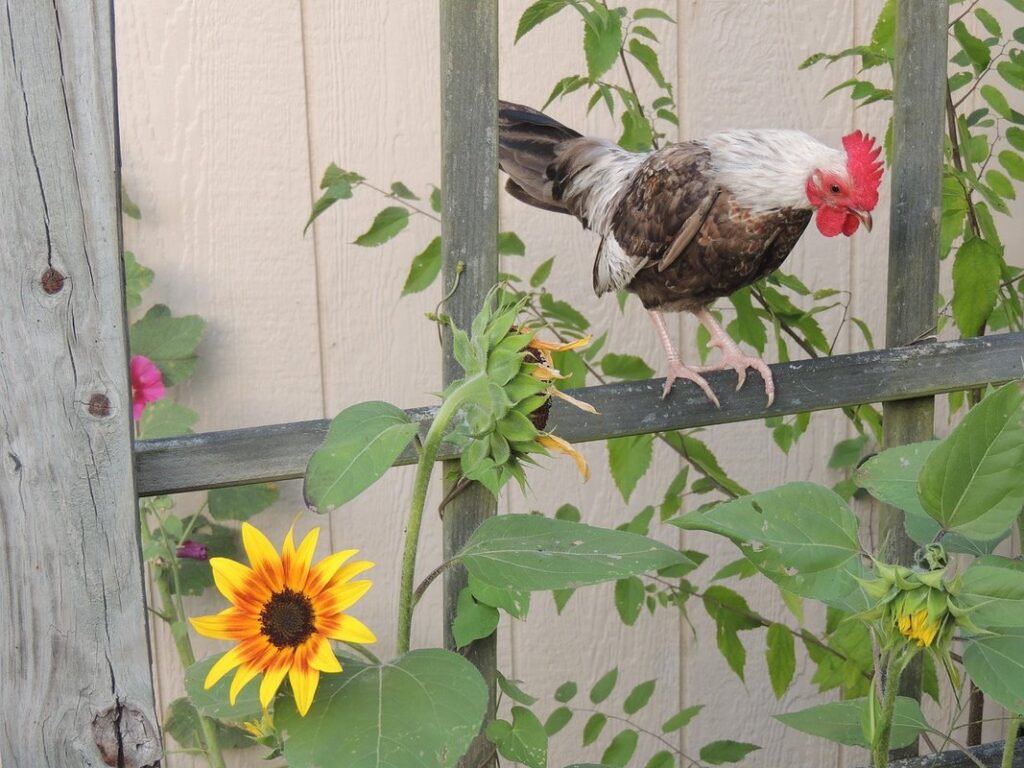
Understanding the Breed
To truly appreciate these charming birds, it’s essential to understand their unique characteristics and temperament as a breed. Let’s dive into what makes Bantam Polish Roosters so special.
Origins and History of the Bantam Polish
The Bantam Polish rooster‘s rich history is deeply rooted in European heritage. Originating from Poland and other parts of Eastern Europe, this breed has undergone significant changes over time to become the majestic bird we admire today.
The exact origins of the Bantam Polish are unclear, but it’s believed that they were brought to Britain by Polish immigrants during the 16th century. Early descriptions of the breed mentioned their small size and unique crest, which set them apart from other roosters. These early birds were often kept as pets or used for cockfighting due to their aggressive nature.
As the breed gained popularity in Europe, selective breeding led to the development of various subtypes, including the modern Bantam Polish. This process began around the 19th century and continued well into the 20th century, resulting in the distinct characteristics we see in today’s Bantam Polish roosters. Their evolution has been marked by a focus on refining their appearance, temperament, and performance, ultimately making them a sought-after addition to any backyard flock or exhibition show.
The Bantam Polish’s ancestry is a testament to the power of selective breeding and the dedication of poultry enthusiasts across centuries. Understanding this history allows us to appreciate the unique qualities that make each Bantam Polish rooster so remarkable.
Key Characteristics of the Bantam Polish Rooster
One of the most distinctive features of the Bantam Polish rooster is its unique physical characteristics. When it comes to size, Bantam Polish roosters are, as their name suggests, a miniature breed. They typically weigh between 1-2 pounds and stand about 9-12 inches tall at the shoulder, making them an ideal choice for backyard flocks where space is limited.
In terms of plumage, Bantam Polish roosters have a stunning appearance with their fluffy, crested head feathers that give them a distinctive “pom-pom” effect. Their hackle feathers are long and flowing, while their saddle feathers are short and rounded, creating a neat and compact silhouette. The overall color of the Bantam Polish rooster can range from silver, white, and black to various shades of brown and red.
The comb type is another distinguishing feature of the Bantam Polish rooster. They have a single comb, which means it’s a single piece of skin on top of the head that forms the shape of the comb. This characteristic sets them apart from other breeds with more complex or ornate combs. Overall, the physical characteristics of the Bantam Polish rooster make them a standout breed among backyard flocks.
Temperament and Personality
When it comes to the majestic Bantam Polish Rooster, their temperament and personality are just as charming as they are. You’ll fall in love with their affectionate nature and playful antics.
Social Nature of the Bantam Polish Rooster
When it comes to their human caregivers, Bantam Polish roosters are known for their affectionate and social nature. They thrive on interaction and attention from their owners, making them an ideal choice for families and experienced chicken keepers alike. These birds are incredibly friendly and docile, often seeking out human companionship and forming strong bonds with their caregivers.
One of the standout characteristics of Bantam Polish roosters is their trainability. With patience and consistency, they can learn to perform a variety of tricks and behaviors, from simple tasks like coming when called to more complex actions like navigating obstacle courses. They are also known to be relatively quiet, making them a great choice for backyard flocks where noise levels need to be kept in check.
To encourage a strong social bond with your Bantam Polish rooster, try spending time with him daily, offering treats and praise when he exhibits desired behaviors. With gentle handling and positive reinforcement, these birds can become trusting and loving companions, providing hours of entertainment and joy for their owners.
Combining Bantam Polish Roosters in Flocks
Introducing multiple Bantam Polish roosters to a flock can be a delicate process. When establishing dominance hierarchies, it’s essential to remember that these birds are naturally inclined towards pecking order. A general rule of thumb is to introduce new birds gradually, starting with one and then adding the others at a later stage. This allows for a smooth transition and minimizes the likelihood of aggression.
When introducing multiple roosters, ensure they have adequate space and resources. A minimum of 10 square feet per bird is recommended, but ideally more. Providing enough space reduces tension and stress among birds.
Establishing clear pecking order can be tricky, especially if you’re starting with a flock from scratch. One way to encourage natural dominance hierarchies is by separating new birds for a while before reintroducing them together. This allows each bird to establish its place within the group without feeling threatened or intimidated.
By doing this, and following general guidelines for introducing multiple roosters, you can prevent aggression and ensure a harmonious flock dynamic.
Health Considerations for the Bantam Polish Rooster
When bringing a bantam Polish rooster into your family, it’s essential to consider potential health issues that may arise due to their unique characteristics and breed-specific traits. We’ll explore some common health considerations you should be aware of when owning one of these magnificent birds.
Common Health Issues Affecting the Breed
As a responsible owner of a majestic Bantam Polish rooster, it’s essential to be aware of the potential health issues that can affect this breed. Unfortunately, Bantam Polishes are prone to respiratory problems due to their compact bodies and short, curved beaks. This can lead to difficulties breathing, wheezing, or even pneumonia if left untreated.
Another common issue affecting Bantam Polish roosters is feather pecking. This behavioral problem occurs when birds peck at each other’s feathers, leading to stress, injuries, and potentially life-threatening complications. To prevent feather pecking, provide a balanced diet, ensure adequate space for exercise, and rotate your flock regularly.
Additionally, Bantam Polishes may be susceptible to obesity due to their love for food and relatively small size. Monitor your rooster’s weight closely and limit treats to avoid contributing to this condition.
Regular health checks with a veterinarian experienced in poultry care can help identify potential issues early on. By being proactive about your Bantam Polish rooster’s health, you can enjoy many happy years together.
Preventative Measures and First Aid
Maintaining good health is crucial for your Bantam Polish rooster’s well-being and longevity. A balanced diet is essential to prevent nutritional deficiencies and related health issues. Provide a high-quality layer feed as the main staple, supplemented with fresh fruits and vegetables daily. Limit treats like table scraps and sugary foods, which can lead to obesity and other problems.
Regular exercise is also vital for your Bantam Polish rooster’s physical and mental health. Ensure they have sufficient space to roam and engage in natural behaviors like pecking and scratching. Aim for at least 8 hours of free-range time daily, but be mindful of extreme temperatures and predators.
Regular veterinary care is another key aspect of preventative measures. Schedule annual check-ups with a qualified avian veterinarian to monitor your rooster’s health and catch any potential issues early. Keep an eye out for signs of illness or injury, such as changes in droppings, appetite, or behavior, and seek immediate attention if you notice anything unusual.
Proper husbandry practices also play a significant role in maintaining your Bantam Polish rooster’s health. Ensure their living space is clean and well-ventilated, with adequate nesting boxes for roosting and egg-laying (if applicable). Regularly disinfect food and water containers to prevent bacterial growth.
Caring for Your Bantam Polish Rooster
To ensure your bantam Polish rooster stays happy and healthy, it’s essential to provide proper care and attention to its specific needs, which we’ll cover next.
Providing a Suitable Environment
When it comes to providing a suitable environment for your Bantam Polish rooster, getting the basics right is crucial. First and foremost, consider the size of their enclosure. A minimum of 2×4 feet (60×120 cm) per bird is recommended, but more space is always better. You can either build or purchase a coop that meets these dimensions, ensuring your rooster has ample room to move around.
Climate control is also essential in keeping your Bantam Polish rooster happy and healthy. A well-ventilated enclosure with adequate protection from extreme temperatures (both hot and cold) will help prevent heat stress and related issues. Make sure the coop is placed in a spot that receives partial shade, especially during peak sun hours.
In terms of enrichment activities, your Bantam Polish rooster needs mental and physical stimulation to thrive. Provide scratching posts, perches, and toys to keep them entertained and active throughout the day. You can also create a foraging area with hiding spots and treats to encourage natural behaviors like hunting and pecking.
Nutritional Requirements of the Bantam Polish
A well-balanced diet is essential for maintaining the health and vitality of your Bantam Polish rooster. As a small bird breed, they have distinct nutritional requirements that differ from larger birds.
Firstly, Bantam Polish roosters require a high-quality commercial poultry feed as their main staple. This should contain around 16-18% protein to support their growth and maintenance needs. However, a balanced diet also includes a variety of fruits and vegetables to provide essential vitamins and minerals. Offer leafy greens like kale and spinach, along with fresh berries such as strawberries and blueberries.
It’s also crucial to avoid overfeeding your Bantam Polish rooster, especially since they are prone to obesity due to their compact size. A good rule of thumb is to feed them 1-2 tablespoons of food per pound of body weight daily. Make sure to divide the ration into two meals to prevent gorging and promote healthy digestion.
Always ensure access to fresh water for your Bantam Polish rooster, changing it frequently to keep their drinking area clean and free from bacteria. By following these simple dietary guidelines, you can help maintain your rooster’s optimal health and encourage a vibrant plumage.
Showing and Breeding Bantam Polish Roosters
When it comes to showing and breeding bantam Polish roosters, choosing the right males for the job is crucial. Here’s what you need to know about selecting a top-notch breeder and show bird.
Preparing for a Show or Exhibition
When it’s time for your majestic Bantam Polish rooster to strut its stuff on the show circuit, preparation is key. As you know, a well-groomed and well-handled bird can make all the difference in catching the judges’ eye.
First and foremost, grooming is crucial. Start by carefully cleaning your rooster’s plumage with a soft-bristled brush or a grooming glove to remove any dirt or debris that may have accumulated during travel or storage. Pay particular attention to areas prone to matting, such as around the vent and under the tail feathers. Trim any overgrown nails and ensure the beak is well-maintained.
In terms of handling techniques, it’s essential to get your rooster accustomed to being handled regularly. This means gentle yet firm touch, rewarding calm behavior, and desensitizing him to loud noises and new environments. Practice holding your rooster securely but not too tightly, with one hand supporting the body and the other gently guiding the wings.
Some key tips to keep in mind: avoid touching the rooster’s eyes or face, as this can cause stress; work on building trust by offering treats and rewards for calm behavior; and practice handling in different locations to simulate show-day conditions. With patience and consistency, your Bantam Polish rooster will be a pro in no time!
Best Practices in Breeding the Bantam Polish
When it comes to breeding Bantam Polish roosters, responsible practices are essential for maintaining the health and integrity of this majestic breed. Selecting suitable mates is a crucial step in ensuring the success of your breeding program. To start, choose birds that exhibit excellent physical characteristics, such as well-proportioned bodies, good feather quality, and vibrant plumage.
When selecting mates, consider the genetics of your birds to avoid perpetuating inherited defects or traits that may not be desirable in your breeding line. For example, if you’re aiming to breed roosters with a specific comb type, make sure both parents carry the dominant gene for that trait.
To manage genetics effectively, keep detailed records of your birds’ lineage and health data. This will help you identify patterns and trends in your flock’s genetic makeup, allowing you to make informed decisions about future breeding pairs. By adopting responsible breeding practices, you’ll be able to produce high-quality Bantam Polish roosters that excel in the show ring while maintaining a strong foundation for future generations.
Conclusion: The Rewards of Owning a Bantam Polish Rooster
In conclusion, owning a bantam Polish rooster can be an incredibly rewarding experience. Not only do these charming birds bring a touch of elegance and sophistication to your backyard, but they also offer companionship and entertainment for the whole family. With their striking appearance, unique personality, and relatively low-maintenance care requirements, it’s no wonder why many poultry enthusiasts are drawn to these magnificent birds. As you’ve learned throughout this guide, with proper attention and care, a bantam Polish rooster can thrive and become a beloved member of your flock.
By investing time in getting to know your rooster’s individual personality and needs, you’ll unlock the full potential of your bird and reap the rewards that come with owning a majestic bantam Polish rooster. Whether it’s watching them strut around their enclosure or simply enjoying their gentle clucks, every day spent with these birds is sure to bring a smile to your face.
Frequently Asked Questions
What’s the ideal size of my backyard to accommodate a Bantam Polish rooster comfortably?
The ideal size of your backyard depends on various factors, including local regulations, available space for movement and exercise, and the overall health and well-being of your birds. A minimum of 2×4 feet of outdoor space per bird is recommended. However, it’s essential to consider the specific needs of your flock and ensure you provide enough room for them to roam freely and engage in natural behavior.
Can Bantam Polish roosters be kept alone or do they require a flock?
While Bantam Polish roosters are known for their friendly nature, it’s not recommended to keep them alone. Social interaction is crucial for these birds’ mental health, so consider introducing them to other friendly breeds or keeping multiple roosters together. However, be cautious when combining different breeds and ensure you’re aware of potential pecking orders.
How do I introduce a new Bantam Polish rooster to my existing flock?
When introducing a new rooster, it’s essential to do so gradually to prevent stress and aggression within the flock. Start by keeping the new bird isolated for a few days before introducing them to the rest of the flock under close supervision. Monitor body language and behavior, ensuring a smooth transition.
Can Bantam Polish roosters be used in breeding programs?
Yes, Bantam Polish roosters are suitable for breeding programs due to their friendly temperament and impressive plumage. When selecting birds for breeding, prioritize those with desirable traits such as vibrant coloring and exceptional health. Regularly monitor the flock’s genetic diversity to maintain a healthy population.
How often should I trim my Bantam Polish rooster’s feathers?
Regular feather trimming is necessary to prevent overgrowth and maintain your bird’s overall appearance. Trim their feathers every 6-8 weeks, taking care not to damage the underlying skin or cause discomfort.