
Raising a bantam rooster can be a delightful experience, but it also requires attention to detail. These small, yet feisty birds need specialized care that’s different from their larger counterparts. As a beginner or an experienced poultry keeper, you might wonder what goes into caring for your bantam rooster.
In this article, we’ll cover everything you need to know about raising happy and healthy bantams. From providing the right housing and nutrition to understanding their unique health considerations and socialization needs, our expert advice will guide you through the process. Whether you’re looking to raise a lone rooster or keep them with hens, we’ll share valuable tips on how to create an ideal environment for your feathered friend. By following these comprehensive bantam rooster care tips, you can enjoy a stress-free and enjoyable experience raising your small but mighty birds.
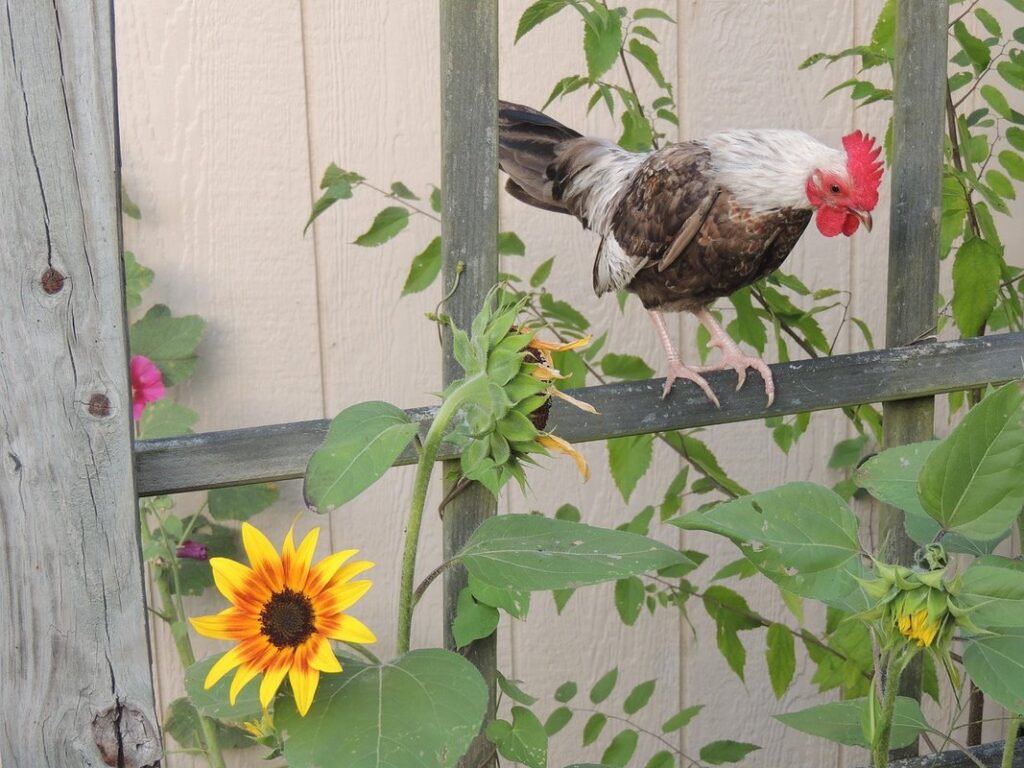
Understanding Bantam Roosters
When it comes to bantam rooster care, understanding their unique characteristics and needs is crucial for a harmonious flock dynamic. Let’s dive into what makes these little guys tick.
Characteristics of Bantam Roosters
Bantam roosters are known for their unique characteristics that set them apart from larger rooster breeds. In terms of size, bantams are significantly smaller, typically weighing between 1 and 4 pounds (0.5 to 2 kilograms). However, despite their compact stature, they pack a lot of personality into their tiny bodies.
Temperament-wise, bantam roosters can be quite feisty and territorial, which is why it’s essential to introduce them to your flock carefully. They tend to be more aggressive than hens, especially during mating season or when protecting their territory. Some popular breed varieties include the Silkie, Polish, and Japanese bantams, each with its own distinct appearance.
When choosing a bantam rooster for your backyard flock, consider factors such as noise level, egg production (if applicable), and overall temperament. Not all bantam breeds are created equal, so research specific characteristics of the breed you’re interested in to ensure it’s a good fit for your farm or homestead.
Bantams can thrive with proper care and attention, making them an excellent choice for small-scale poultry keepers. With their unique charm and energetic personalities, they’ll undoubtedly bring a new level of excitement to your backyard flock.
Importance of Proper Care for Bantam Roosters
Proper care is essential for the health and well-being of bantam roosters. These small birds require regular attention to thrive, and neglecting their needs can lead to serious health issues. One critical factor affecting their lifespan is diet. A balanced diet that includes a mix of grains, proteins, and fruits is crucial. However, overfeeding can lead to obesity, which significantly reduces their lifespan.
Environmental factors also play a significant role in determining the lifespan of bantam roosters. Providing them with adequate space to move around and exercise is vital. A lack of physical activity can cause stress, leading to health problems such as feather pecking and cannibalism. Regular cleaning of their enclosure is also necessary to prevent the spread of diseases.
Regular health checks are essential in detecting any potential health issues early on. Keeping a bantam rooster’s wings clipped can prevent accidents caused by flying injuries. Maintaining a healthy environment, coupled with regular veterinary check-ups, will contribute significantly to extending the lifespan of your bantam rooster.
Housing Bantam Roosters
When it comes to housing bantam roosters, you’ll want to provide them with a safe and spacious environment that meets their unique needs. This section will walk you through the essential considerations for creating a happy home.
Providing Adequate Space
When it comes to housing bantam roosters, providing adequate space is crucial for their overall health and well-being. Bantams are active birds that require room to move around comfortably, engage in natural behaviors, and exercise regularly.
A good rule of thumb is to allocate at least 2-3 square feet of floor space per bird inside the coop. For a small flock of bantam roosters, this means having a minimum coop size of around 4-6 square feet (1.2-1.8 meters). However, if you can provide more space, it will undoubtedly benefit their physical and mental health.
In addition to the coop, ensure that your outdoor area is safe and secure for your bantams to roam freely. A fenced enclosure or run with a minimum size of 10 square feet (3 square meters) per bird is recommended. This allows them to exercise, stretch their wings, and engage in natural behaviors like foraging and scratching.
Remember, overcrowding can lead to stress, disease, and behavioral problems. Prioritize providing ample space for your bantam roosters to thrive.
Safety Considerations for Coop Design
When designing a coop for your bantam roosters, safety considerations are paramount to ensure their well-being and security. Predators like foxes, coyotes, and hawks pose a significant threat to these small birds, so it’s essential to build or modify an existing coop with robust defenses.
To start, consider the coop’s location. Ideally, place it at least 10 feet away from any structures that could provide shelter for predators. A secure roof and walls made from durable materials like hardware cloth, chicken wire, or metal are also crucial in preventing escape and predator entry. The openings should be small enough to prevent large animals from getting through but large enough for your bantams to comfortably exit.
Another critical aspect is ventilation. Ensure proper airflow by installing windows or vents that allow for cross-ventilation to keep the coop well-ventilated and free from ammonia buildup. Finally, remember to secure any potential entry points around doors, windows, and roof lines using hardware cloth or chicken wire with openings of 1 inch or less.
In addition to physical security measures, don’t underestimate the importance of weatherproofing your coop. Regularly inspect the structure for signs of wear and tear, especially during harsh weather conditions like heavy rain or extreme temperatures. Regular cleaning and maintenance will also help prevent health issues that can arise from unsanitary living conditions.
Nutrition and Feeding Habits of Bantam Roosters
When it comes to keeping your bantam rooster healthy, feeding him a balanced diet is crucial. Proper nutrition will also help prevent behavioral problems and ensure he lives a long, happy life.
Balanced Diet for Optimal Health
When it comes to feeding your bantam roosters, providing a balanced diet is crucial for their optimal health. Unlike chickens, which require more protein and calcium for egg production, bantam roosters don’t need as much of these nutrients since they won’t be laying eggs.
A good quality layer feed should still form the base of your bantam’s diet, but you can look for a feed specifically formulated for non-laying birds to reduce their phosphorus intake. Aim to provide around 1/4 cup of feed per bird per day, adjusting as needed based on individual appetites and activity levels.
For protein sources, include treats like mealworms, suet, or hard-boiled eggs in moderation (about 10% of their total diet). You can also offer fresh vegetables daily, such as leafy greens, carrots, and squash. Avoid overfeeding by limiting treats to about 2-3 times a week and sticking to small portions.
When it comes to choosing treats, prioritize options low in added sugars and high in nutritional value. For example, dried fruit like cranberries or apricots can be a healthy option in moderation, but avoid giving them too frequently due to their sugar content. By keeping your bantam’s diet balanced and varied, you’ll help ensure they stay happy and healthy.
Water Quality and Access
When it comes to bantam rooster care, providing access to fresh water at all times is crucial for their health and well-being. A steady supply of clean drinking water helps maintain the overall cleanliness of the coop and run, reducing the risk of disease transmission.
To ensure a reliable water source, consider installing a gravity-fed watering system or a waterer that allows you to easily refill it without disturbing your birds. This can be especially helpful in areas prone to harsh weather conditions. Change the water frequently, ideally daily, to prevent bacterial growth and contamination.
A good rule of thumb is to provide one gallon of water per bantam rooster per day. You can also add a splash of apple cider vinegar or a few drops of unscented dish soap to help maintain clean water quality. Monitor your birds’ behavior; if they appear hesitant to drink from their waterer, it’s likely due to contamination.
Clean the water system regularly by scrubbing all surfaces with mild soap and allowing them to air dry before refilling. This will prevent algae growth and bacterial buildup, ensuring your bantam roosters always have access to fresh drinking water.
Health Considerations and Common Issues
As you care for your bantam rooster, it’s essential to be aware of potential health issues that can arise, such as respiratory problems and feather pecking. These common concerns require attention from a young age.
Identifying Potential Health Problems
When it comes to bantam roosters, being aware of potential health problems is crucial for their well-being. Respiratory issues are a common concern, particularly during hot weather or in dusty environments. Signs of respiratory distress may include labored breathing, coughing, or wheezing.
Parasites can also be a significant issue for bantam roosters. Internal parasites like worms and external parasites such as mites, lice, and fleas can cause discomfort and lead to health problems if left untreated. Regular cleaning of the coop, checking birds daily for signs of infestation, and using appropriate parasite control measures are essential.
Diseases like avian pox, fowlpox, and Marek’s disease can be prevalent in bantam roosters. These diseases can cause lesions, swelling, or anemia. Keeping your flock up-to-date with vaccinations, practicing good hygiene, and monitoring for signs of illness can help prevent the spread of these diseases.
If you notice any unusual behavior or symptoms in your bantam rooster, it’s essential to consult a veterinarian as soon as possible to prevent further complications and ensure proper care.
Preventative Measures and First Aid
When it comes to keeping your bantam roosters healthy, preventative measures and first aid procedures are crucial. Regular vaccinations are essential to protect against common diseases such as Newcastle disease and Infectious Bronchitis. Consult with a veterinarian to determine the best vaccination schedule for your flock.
Common injuries or illnesses can be prevented by providing a safe and clean environment. This includes ensuring that fencing is secure, feeders and waterers are well-maintained, and nesting boxes are easily accessible. Keep an eye out for signs of illness such as labored breathing, lethargy, or discharge around the eyes or nostrils.
If you do encounter an injured or ill bird, it’s essential to know how to provide proper first aid. In the event of a broken wing or leg, gently immobilize the affected area using a towel or bandage. Provide plenty of fresh water and electrolytes to help with recovery. Keep in mind that if your bantam rooster is showing severe signs of illness or injury, it’s always best to seek veterinary care as soon as possible.
Socialization and Handling Bantam Roosters
Socializing your bantam rooster is crucial for its behavior and interaction with humans, so let’s dive into how to do it effectively. With gentle handling, you can build a strong bond with your feathered friend.
Importance of Early Socialization
Socialization is crucial for bantam roosters from an early age. It helps them develop good behavior and interact with their human caregivers and other animals harmoniously. Socialized roosters are less aggressive, more manageable, and easier to handle.
When bantam roosters are not socialized properly, they may become fearful or even aggressive towards humans. This can lead to behavioral problems such as pecking at people, flapping their wings, or even attacking when threatened. Socialization helps prevent these issues by introducing the rooster to various environments, people, and other animals.
To socialize your bantam rooster effectively:
* Handle them gently but frequently from day one
* Introduce them to new sights, sounds, and smells gradually
* Expose them to different textures and surfaces, such as grass, wood shavings, or concrete
* Gradually introduce them to other animals, including chickens, ducks, and even dogs
Remember that socialization is an ongoing process. It’s essential to continue interacting with your bantam rooster regularly throughout its life to maintain good behavior and strengthen the bond between you and your pet.
Tips for Safe Handling and Restraint
When handling and restraining bantam roosters, it’s essential to be gentle yet firm. They are naturally alert birds and can become aggressive if frightened or threatened. To pick up a bantam rooster safely, stand behind the bird and gently scoop it up with one hand supporting its body and the other under its wings. Make sure to keep your movements slow and deliberate to avoid startling the bird.
When holding a bantam rooster, support its body and hold it snugly against your chest. Keep your hands away from its tail feathers, as these can be sensitive areas. If you need to restrain the bird for veterinary procedures, use a towel or cloth to wrap around its body, making sure not to constrict its movement. Always handle the rooster with care, especially if it’s not familiar with human interaction.
During veterinary procedures, having an assistant to help hold the rooster can be beneficial. If this is not possible, make sure the room is well-ventilated and the bird has a clear escape route. This will help minimize stress for both the bird and the handler.
Introduction and Integration of Bantam Roosters into Existing Flocks
If you’re thinking of adding a bantam rooster to your existing flock, it’s essential to consider their introduction carefully to ensure a harmonious and stress-free environment. Here, we’ll walk you through the key steps for successful integration.
Gradual Introduction Process
When introducing new bantam roosters to an existing flock, it’s essential to do so gradually to minimize stress and aggression. This can be a challenging process, but with patience and the right approach, you can ensure a smooth transition for all birds.
Start by keeping the new rooster isolated from the rest of the flock for a few days to allow him to adjust to his new surroundings. Observe his behavior, personality, and any signs of stress or aggression. Once he appears settled, introduce him to the flock in a neutral area, such as a spare run or enclosure.
To avoid conflicts, consider introducing one new rooster at a time. Monitor the birds’ behavior closely, especially during feeding times and mating seasons, when tensions can rise. Keep an eye out for signs of aggression, such as chasing, pecking, or squawking, and intervene promptly if necessary. By introducing bantam roosters gradually and under close supervision, you can help create a harmonious and stress-free environment within your flock.
Managing Dominance Hierarchies
When introducing a bantam rooster to an existing flock, it’s essential to manage dominance hierarchies to prevent conflicts and ensure a peaceful coexistence. Dominance hierarchies are established when birds compete for resources such as food, water, and mating rights. Signs of conflict include aggressive behavior like crowing, flapping, or even attacking other birds.
To recognize signs of dominance in your flock:
* Monitor the birds’ body language: look for raised hackles, puffed chests, or direct stares
* Observe feeding patterns: dominant birds often eat first and claim the best resources
* Notice changes in vocalizations: bantam roosters may crow more frequently to assert their dominance
To resolve conflicts, introduce new birds gradually, allowing them to establish a pecking order naturally. Provide separate areas for each bird to eat, drink, and nest, reducing competition for resources. Supervise interactions closely, intervening promptly if you notice aggression or bullying.
By being aware of these signs and implementing strategies for conflict resolution, you can create a harmonious flock where all birds thrive under the gentle guidance of their bantam rooster leader.
Frequently Asked Questions
What if I notice my bantam rooster is aggressive towards other birds or humans? Is this normal behavior?
Aggression can be a common issue with bantam roosters, especially during mating season or when they feel territorial. Yes, it’s not uncommon for these little guys to become feisty! To address aggression, ensure your coop design includes separate areas for feeding, nesting, and perching to reduce stress and competition. Also, provide adequate space (at least 2-3 square feet per bird) and engage in early socialization from a young age.
How do I introduce my bantam rooster to existing hens without causing conflict?
When introducing a new rooster to your flock, it’s essential to do so gradually. Start by keeping them separated at first, allowing them to get used to each other’s scents and sounds. Then, under close supervision, begin supervised interactions while providing plenty of food and treats. This will help establish a pecking order and reduce the likelihood of conflict.
What are some common health issues I should be aware of in bantam roosters?
Bantams can be prone to respiratory problems due to their compact size and breeding history. Be on the lookout for signs like wheezing, coughing, or labored breathing. Regular vaccinations, a balanced diet, and a clean coop environment will help prevent these issues.
Can I keep my bantam rooster with smaller pets, such as rabbits or guinea pigs?
While it’s technically possible to keep them together, it’s not always the best idea. Bantams have strong predatory instincts and may view small animals as prey. To ensure safety for both species, consider separating them or providing a secure enclosure to prevent any potential harm.
How do I recognize if my bantam rooster is getting enough exercise?
Bantam roosters require regular physical activity to stay healthy. Signs of adequate exercise include regular scratching and pecking at the ground, as well as visible wing movement when running or flapping their wings. Ensure they have ample space (at least 2-3 square feet per bird) for exercise and provide toys or enrichment activities to stimulate their natural behavior.