
If you’re a chicken enthusiast or just starting out with backyard chickens, you might have heard of the adorable Bantam Silkie breed. But where did these fluffy friends come from? What makes them so unique and sought after by collectors and breeders alike? In this comprehensive guide, we’ll delve into the origins, characteristics, care, and breeding of Bantam Silkies. Whether you’re looking to raise happy and healthy pets or show animals, this article will cover everything you need to know to make informed decisions about your new feathered friends. From their soft, fluffy feathers to their playful personalities, we’ll explore what makes Silkie chickens so endearing to many, and provide expert advice on how to care for them in your home or backyard coop.
Origins and History
The origins of bantam silkie chickens are steeped in mystery, but their history spans thousands of years, with evidence of these charming birds dating back to ancient Asia. Let’s dig into their fascinating past!
The Early Beginnings of Bantams
Bantam chickens have been around for centuries, and their history is deeply rooted in Southeast Asia. The earliest recorded mention of bantams dates back to the 13th century in Indonesia, where they were highly prized by local farmers for their unique characteristics and small size.
It’s believed that these early bantams were introduced to Europe through trade routes, particularly the Silk Road, which connected China with the Mediterranean region. By the 15th century, bantam chickens had become a popular addition to European farms, where they were bred for their eggs, meat, and ornamental value.
One of the key factors that contributed to the success of bantams in Europe was their adaptability. Unlike larger breeds, bantams required less space, food, and care, making them an attractive option for small-scale farmers and backyard enthusiasts. As a result, bantam chickens quickly gained popularity among European nobility and commoners alike.
The introduction of bantams to Europe also marked the beginning of selective breeding programs aimed at developing specific characteristics, such as feather quality, temperament, and egg-laying abilities. This selective breeding laid the foundation for the diverse range of bantam breeds we see today, including the Silkie breed that’s the star of our ultimate guide.
Silkie Breed Development
The development of the silkie breed within the bantam category is a fascinating story that spans centuries. It’s believed to have originated from the Chinese Silkies, which were brought back to Europe by British officers after the Boxer Rebellion in 1900. These birds were highly valued for their unique feathering and endearing personalities.
As the popularity of Silkie chickens grew, breeders began experimenting with smaller varieties, leading to the development of the Bantam Silkie. This selective breeding process was influenced by the likes of Rev. Bernard Egan, who played a significant role in shaping the modern silkie breed.
Key milestones include the establishment of the British Poultry Club’s Bantam Standard in 1906 and the introduction of new genetics from other breeds like the Japanese Silkies. Today, Silkie breeding is all about preserving these distinctive characteristics while enhancing their overall health and vigor.
To ensure you’re getting the best possible bird, look for breeders who have prioritized genetic diversity and selection.
Bantam Silkie Characteristics
When it comes to these adorable birds, understanding their unique characteristics is essential for any new owner. Let’s dive into what sets bantam Silkies apart from other breeds.
Unique Feathers and Coat Patterns
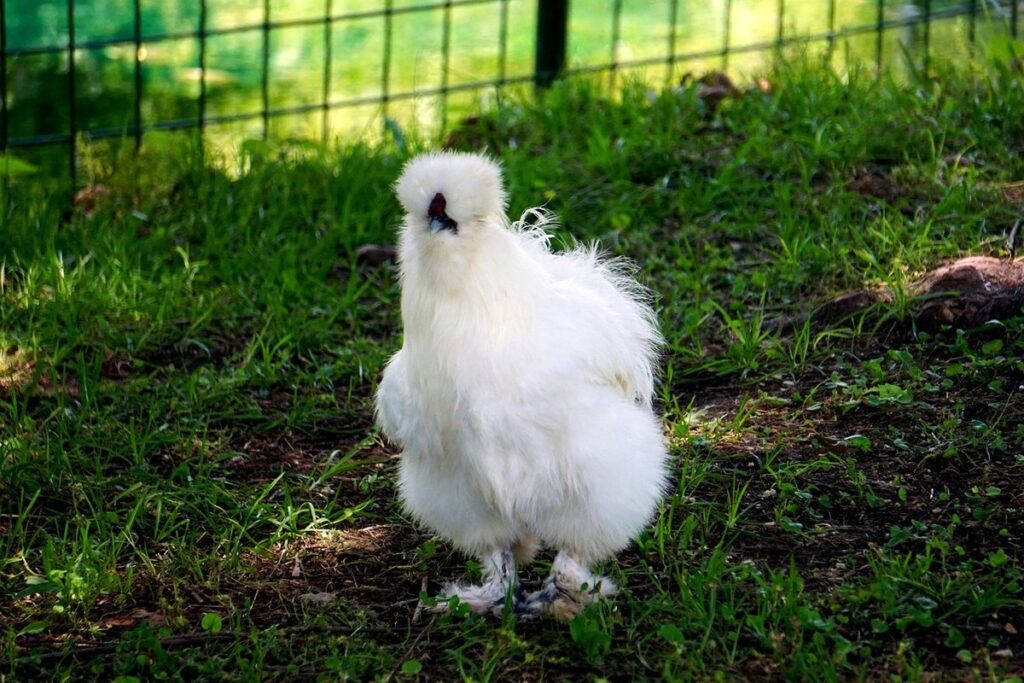
Bantam Silkies are renowned for their show-stopping plumage and coat patterns. The most distinctive feature of this breed is their fluffy skin, which feels like silk to the touch. This unique characteristic has led to the name ‘Silkie’. The skin color can vary from white to buff or even beaded, giving it a textured appearance.
One of the most striking aspects of Bantam Silkies is their coat pattern. They come in a variety of colors and patterns, including solid, parti-colored, or even pied. Some notable patterns include the ‘Mille Fleur’ (thousand flowers), which features tiny white spots on a colored background, and the ‘Cuckoo’, where large white patches are scattered over a dark base.
The color palette for Bantam Silkies includes an impressive range of hues such as black, blue, brown, gold, lavender, silver, and white. The combination of these colors with their unique coat patterns creates a stunning visual effect that’s hard to resist. Whether you’re an experienced chicken keeper or just starting out, the striking appearance of Bantam Silkies is sure to captivate you.
Size and Build
One of the most distinctive features of bantam silkies is their compact and rounded body shape. As a breed, they are naturally smaller than standard-sized chickens, but what sets them apart is their unique physique. On average, bantam silkie roosters will weigh around 1-2 pounds (0.5-1 kg) and stand about 6-8 inches (15-20 cm) tall at the shoulder. Hens are slightly smaller, weighing in at around 1 pound (0.5 kg) and standing approximately 6 inches (15 cm) tall.
Their rounded body shape is due to their stocky build and short legs, which make them appear more like a plump ball of fluff than a typical chicken. This compact size makes bantam silkies ideal for small backyards or indoor spaces where space is limited. However, don’t let their size fool you – these little birds pack a big personality punch. Despite their small stature, they are known to be friendly and affectionate, making them a great addition to any flock.
When it comes to choosing a bantam silkie, look for one with a well-proportioned body that is in good health. A plump bird with a rounded tummy may indicate overeating, so make sure to check their overall condition before bringing them home.
Care and Management
To keep your bantam Silkies happy and healthy, it’s essential to learn proper care and management techniques, including feeding, grooming, and housing tips.
Housing and Enrichment
When it comes to providing suitable housing for your bantam silkie chickens, there are several key considerations to keep in mind. First and foremost, these tiny birds require plenty of space to move around comfortably. A good rule of thumb is to provide at least 2-3 square feet of floor space per bird, but the more space you can give them, the better.
Ventilation is also crucial for bantam silkies, as they are prone to respiratory problems in poorly ventilated environments. Make sure your coop has adequate airflow by installing windows or vents that allow fresh air to circulate freely. You should also ensure that your coop is well-ventilated at the base to prevent ammonia buildup from their droppings.
To keep your bantam silkies happy and stimulated, you’ll need to provide a variety of enrichment activities. This can include providing scratching posts or mats, offering treats like millet or sunflower seeds, and even setting up a “play” area with toys like bells or mirrors. By giving them plenty of space to roam and play, you’ll keep your bantam silkies healthy, happy, and thriving.
Diet and Nutrition
When it comes to feeding your bantam silkie chickens, providing them with a balanced diet is crucial for their health and well-being. Bantams have high metabolisms, so they require more frequent meals throughout the day. Start by offering a high-quality commercial layer feed as the main staple of their diet. However, supplementing with treats can be beneficial in moderation.
Treats like fruits, vegetables, and mealworms can provide essential nutrients and variety to your bantam silkie’s diet. For example, leafy greens such as kale and spinach are rich in calcium and vitamins A and K. Offer these treats sparingly, about 1-2 cups per week, to avoid overfeeding.
To avoid overfeeding, it’s essential to keep an eye on their food intake. Monitor their weight and adjust feeding amounts accordingly. As a general rule of thumb, bantams require about 1/4 cup of feed per pound of body weight per day. For instance, a 2-pound bantam silkie would need approximately 8 ounces of feed daily. Keep in mind that individual needs may vary depending on age, health, and activity level.
Health Considerations
When it comes to raising bantam Silkies, it’s essential to consider their specific health needs and potential vulnerabilities to ensure they live long and happy lives. Let’s explore some key factors to keep in mind.
Common Health Issues in Bantam Silkies
Bantam Silkies are prone to several health issues that can be detrimental to their well-being if left unattended. Respiratory problems are a common concern for this breed due to their flat face and compact bodies, which can make breathing difficult, especially during hot weather or high altitudes. Symptoms may include wheezing, coughing, and labored breathing.
Feather pecking is another health issue that affects Bantam Silkies. This behavior typically occurs when birds become bored or are not receiving enough mental stimulation, leading them to peck at their own feathers or those of other chickens. Feather loss can be painful for the bird and may lead to skin infections if left untreated.
Molting disorders are also prevalent in Bantam Silkies, causing stress and discomfort for the chicken as they experience excessive feather loss or difficulty shedding old feathers. To mitigate these health issues, it’s essential to provide regular veterinary check-ups, maintain a clean living environment, and ensure adequate nutrition and exercise for your flock.
Preventative Measures
When it comes to maintaining good flock health, preventative measures are crucial for keeping your Bantam Silkies happy and healthy. Start by consulting with a veterinarian experienced in poultry care to determine the best vaccination strategy for your flock. Typically, chickens require vaccinations against diseases such as Newcastle disease, infectious bronchitis, and Marek’s disease.
Regular parasite control is also essential to prevent internal and external parasites from taking hold. Use medicated feed or supplements containing ingredients like coccidiostats to control intestinal parasites, and administer deworming medication as recommended by your veterinarian. Monitor for signs of parasites, such as diarrhea, weight loss, and lethargy.
To catch any potential issues early on, regularly inspect your flock’s living conditions and watch for signs of illness, including changes in appetite, droopy wings, or labored breathing. Keep a close eye on individual birds that appear weak or stressed, and separate them from the rest of the flock to prevent the spread of disease. By staying proactive and taking these steps, you’ll be well-equipped to keep your Bantam Silkies thriving and healthy for years to come.
Breeding and Showing
If you’re planning to breed Bantam Silkies, or if you’re already a seasoned breeder looking to show off your prized birds, this is where you’ll find valuable advice. We’ll dive into the ins and outs of breeding and showing these lovable chickens.
Selecting the Perfect Bantam Silkie
When selecting a bantam silkie for breeding stock or as a pet, there are several desirable traits to look out for. First and foremost, it’s essential to evaluate the bird’s overall health and temperament. A healthy bantam silkie should have shiny, clean feathers, bright eyes, and a lively demeanor.
In terms of appearance, look for birds with well-defined silkie characteristics, such as soft, fluffy plumage and a rounded body shape. The beak and legs should be short and stout, typical of the breed.
Some key characteristics to consider include:
* Egg-laying ability: Bantam silkies are prolific layers, producing an average of 180-200 eggs per year.
* Temperament: Silkies are known for their gentle and friendly nature, making them an excellent choice for families with children or as pets in small backyards.
* Hardiness: Look for birds that can thrive in a variety of environments, from cold climates to hot summers.
When evaluating potential breeding stock, consider factors such as egg quality, fertility, and hatchability.
Show Ring Preparation
When it comes time to show off your bantam silkie’s unique charm, preparation is key. To ensure you and your feathered friend make a winning impression in the show ring, focus on three essential areas: grooming, handling, and ring etiquette.
Grooming tips are crucial for showcasing your silkie’s stunning appearance. Start by gently brushing their fluffy coat to prevent matting and tangling, working from head to tail. Pay extra attention to areas prone to knotting, such as the rump and base of the neck. Regular nail trimming and beak maintenance will also keep your bird looking its best.
Handling is just as important as grooming, as it greatly impacts your silkie’s confidence and overall demeanor in the show ring. Practice handling your bird regularly, getting them accustomed to being picked up, held, and examined from all sides. Reward calm behavior with treats and praise to reinforce positive associations.
In the show ring, remember that presentation is everything. Arrive early to secure a good position and take time to adjust your silkie’s plumage before entering the competition area. When presenting your bird, keep your movements deliberate and smooth, speaking clearly and confidently as you describe their breed characteristics.
Conclusion
Now that you’ve learned all about bantam Silkie chickens, let’s summarize what makes them so special and wrap up our ultimate guide. You’re now ready to welcome these lovable birds into your backyard!
Recap of Key Points
In conclusion of our comprehensive guide to bantam silkies, let’s recap the key points that will help you become a confident and successful breeder or owner. Bantam silkie chickens have their origins dating back to Asia, where they were prized for their unique appearance and gentle nature. These small birds boast distinctive silken feathers, fluffy plumage, and a friendly demeanor that makes them an excellent addition to any backyard flock.
When caring for your bantam silkies, it’s essential to provide a nutritious diet, plenty of fresh water, and regular health checks to prevent common issues like mites, respiratory problems, and egg binding. You should also be aware of the breed’s specific needs, such as requiring more frequent cleaning of their coop due to their tendency to shed feathers.
When breeding bantam silkies, it’s crucial to select healthy birds with desirable traits and follow proper breeding practices to ensure genetic diversity. By following these key takeaways, you’ll be well on your way to raising happy, healthy bantam silkie chickens that will bring joy and companionship to your life for years to come.
Final Thoughts on Raising Bantam Silkies
Raising bantam Silkies as pets or show animals is an incredibly rewarding experience. Not only do these charming birds bring endless joy to your daily life, but they also offer a chance to connect with nature and learn valuable lessons about responsibility and compassion.
As you’ve learned throughout this guide, Bantams are surprisingly low-maintenance compared to other breeds, making them perfect for busy households or families with young children. Their gentle and affectionate nature ensures that everyone in the family will fall in love with these birds.
One of the greatest joys of raising bantam Silkies is watching them grow and thrive under your care. Whether you’re showing them at local competitions or simply enjoying their company around the house, the bond you form with these animals is truly special.
As you embark on this journey, don’t be afraid to share your experiences with fellow breeders and enthusiasts. Join online forums, attend local shows, and connect with others who understand the unique joys of raising bantam Silkies.
Remember, every day spent with these birds is an opportunity to learn, grow, and appreciate the simple pleasures in life. So go ahead, get involved, and find your place within this wonderful community!
Frequently Asked Questions
Can Bantam Silkies adapt to cold climates?
Yes, despite their small size and fluffy feathers, Bantam Silkies are surprisingly hardy birds that can tolerate cold temperatures. However, it’s essential to provide them with proper shelter and protection from wind and moisture. A well-insulated coop with adequate ventilation will help keep your Silkie flock comfortable in chilly weather.
How do I ensure my Bantam Silkies receive the right nutrition?
Bantam Silkies have unique dietary needs due to their small size and high metabolism. Provide a balanced feed specifically formulated for bantams, supplemented with fresh fruits and vegetables. Avoid overfeeding, as this can lead to obesity and related health issues. Consider consulting with a veterinarian or poultry expert to determine the best feeding schedule for your flock.
Can I keep Bantam Silkies with other breeds of chickens?
While Bantam Silkies are social birds that thrive in flocks, introducing them to other breeds requires careful consideration. Start by housing them separately and letting them become familiar with each other’s presence before integrating them into the same coop. Be aware that some breeds may bully or harass Silkies due to their unique appearance.
How often should I clean my Bantam Silkie’s living area?
Maintaining a clean environment is crucial for your Bantam Silkie’s health and well-being. Clean the coop at least once a week, removing soiled bedding and replacing it with fresh material. Disinfect all surfaces and provide adequate ventilation to prevent ammonia buildup.
Are Bantam Silkies more prone to specific health issues?
Yes, due to their unique genetic makeup and small size, Bantam Silkies are susceptible to certain health issues, such as respiratory problems and eye infections. Regular veterinary check-ups, proper nutrition, and a clean living environment can help mitigate these risks. Keep an eye out for signs of illness, such as labored breathing or discharge around the eyes, and seek professional advice if you suspect any health concerns.