
Are you ready to welcome some fluffy friends into your flock? Bantam White Silkie chickens are a breed that’s sure to capture your heart with their gentle nature, unique characteristics, and stunning appearance. These small but mighty birds have gained popularity in recent years, not only for their charming personality but also for their exceptional egg-laying abilities.
If you’re thinking of bringing home some Bantam White Silkies or already have them on your farm, this article is for you. We’ll delve into the specific needs and requirements of these lovely birds, including breeding tips and care guidelines to ensure they thrive in their new environment. Whether you’re a seasoned breeder or a backyard farmer looking to add some diversity to your flock, we’ve got you covered with expert advice on how to raise and show Bantam White Silkie chickens successfully.
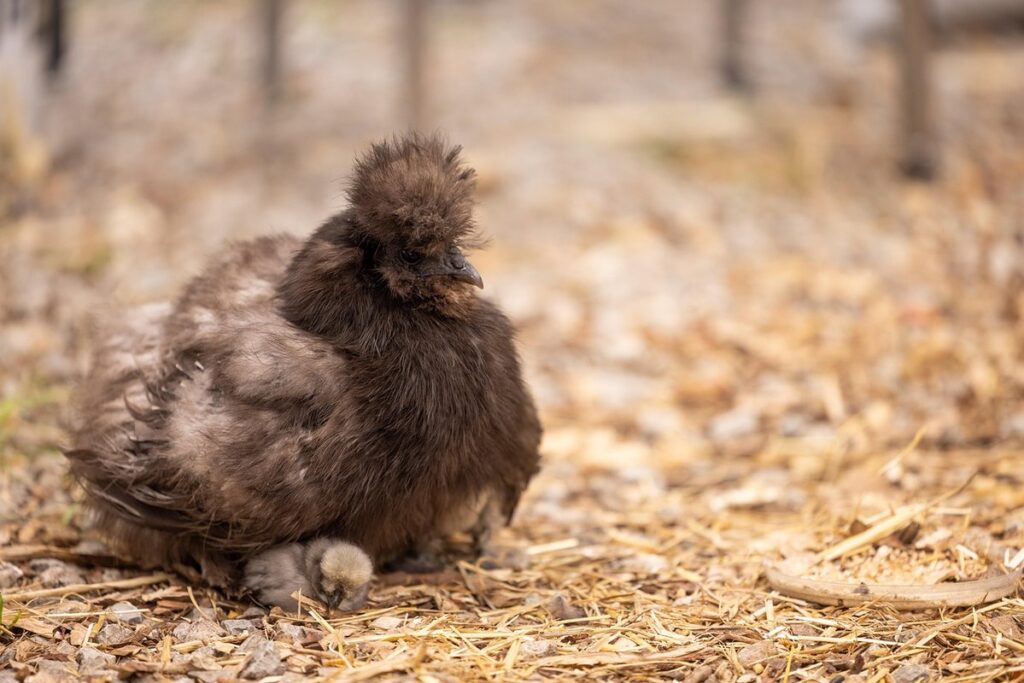
Introduction to Bantam White Silkies
Are you new to the wonderful world of bantam chickens? Let’s dive into the basics of these adorable, small, and fluffy birds, specifically the lovable Bantam White Silkies.
What are Bantam Chickens?
If you’re new to the world of backyard chickens, you might be wondering what exactly bantam chickens are. These small but mighty birds have been a popular choice for many chicken enthusiasts due to their compact size and unique characteristics.
Bantam chickens are essentially miniature versions of regular-sized chickens. They can weigh anywhere from 1-3 pounds (0.5-1.5 kg) and stand around 10-12 inches (25-30 cm) tall. One of the most distinctive features of bantams is their small size, which makes them perfect for smaller backyards or urban settings where space is limited.
But don’t let their size fool you – bantams are just as feisty and full of personality as their larger counterparts. They come in a wide range of breeds, each with its own unique characteristics and plumage patterns. When choosing a bantam breed, it’s essential to consider factors like egg-laying ability, temperament, and overall health.
In the case of Bantam White Silkies, you can expect them to be friendly, curious birds that will quickly become an integral part of your family. Their small size makes them easy to care for, but they still require regular attention to their diet, housing, and health. With proper care, bantams can live up to 10-15 years or more, making them a long-term companion in your backyard flock.
History and Origin of Silkies
Silkies have been a beloved breed for centuries, and their rich history is as fascinating as it is unique. Originating from Asia, specifically China and Mongolia, Silkies were first bred over 3,000 years ago. These charming birds quickly gained popularity among royal courts and nobility due to their soft, fluffy plumage and affectionate nature.
The name “Silkie” is believed to have originated from the Chinese word “silk,” which refers to the bird’s distinctive downy coat. In Asian cultures, Silkies were highly valued for their meat, eggs, and silk-producing feathers. They were often kept as pets by royalty and nobility, who cherished them for their gentle disposition and ability to produce soft, luxurious feathers.
It’s worth noting that Silkies were one of the earliest breeds to be developed through selective breeding. Their unique characteristics, such as their fluffy coats and small size, made them an attractive choice for many breeders. Over time, Silkies have spread globally, becoming a popular choice among backyard chicken enthusiasts due to their low-maintenance care and adorable appearance.
Why Keep Bantam White Silkies as Pets or for Show
Bantam White Silkies are truly one of a kind, making them an absolute delight to keep as pets or show in competitions. Their gentle nature is perhaps the most endearing quality of these adorable birds. Unlike other breeds, Silkies don’t have a strong prey drive, which means they’re less likely to cause stress or damage to their surroundings.
Their calm demeanor also makes them an excellent choice for families with children, as they can tolerate handling and interaction without getting overwhelmed or defensive. Imagine having a gentle companion that’s always eager to snuggle up in your lap – it’s not uncommon to see Silkies forming close bonds with their owners.
For those interested in showing their Silkies, the breed’s unique appearance is sure to turn heads. Their fluffy white plumage, bearded faces, and soft tufts of fur on their legs create a truly show-stopping look. With proper grooming and care, your Bantam White Silkie can become a proud winner at local or national poultry shows.
Breed Characteristics and Standards
When it comes to these adorable bantam white silkies, understanding their unique characteristics and breed standards is essential for any chicken enthusiast. Let’s dive into what makes them so special.
Physical Characteristics of Bantam White Silkies
Bantam White Silkies are a delightful breed to behold, with their unique physical characteristics making them instantly recognizable. When it comes to size, Bantam White Silkies are the smallest of the Silkie breeds, weighing around 1-2 pounds and measuring approximately 6-8 inches in height. This tiny stature makes them perfect for small backyards or even apartment living.
Their plumage is perhaps their most distinctive feature – soft, fluffy, and incredibly dense, with a gentle sheen to it. The feathers on their face, neck, and legs are particularly long and flowing, giving them an endearingly rumpled appearance. Their beak shape is also worth noting, as Silkies have a small, curved beak that’s perfectly suited for pecking at grains.
In terms of leg type, Bantam White Silkies have feathered legs, which add to their overall charm. The feathers on their legs are soft and fluffy, with a subtle sheen that matches the rest of their plumage. Overall, the physical characteristics of Bantam White Silkies make them a joy to behold – and a delight to care for in your backyard flock.
Temperament and Personality Traits
Bantam White Silkies are renowned for their gentle and affectionate nature, making them an ideal choice for backyard chicken keepers who desire a docile pet. These chickens are quick to bond with owners and thrive on attention and interaction. One of the most distinctive characteristics of Bantam White Silkies is their soft, melodious clucking, which they use to communicate with humans as much as other birds.
Their temperament allows them to get along well with children and other pets in the household, making them an excellent addition for families with a variety of animals. However, it’s essential to remember that Silkies are social birds and need plenty of companionship to prevent boredom and stress. To encourage bonding, spend quality time with your Bantam White Silkie daily, providing treats and affection.
When introducing new chickens or pets to your flock, do so slowly and under close supervision to ensure a smooth transition. With proper care and attention, Bantam White Silkies can become trusted companions and loyal friends in the backyard, bringing joy and entertainment to the family for years to come.
Egg-Laying Ability
When it comes to egg-laying ability, Bantam White Silkies are known for their moderate production rate. On average, a healthy and well-cared-for Bantam White Silkie will lay around 120-150 eggs per year. This may not be the highest number compared to other breeds, but it’s still a respectable amount considering their small size.
The egg size of Bantam White Silkies is generally smaller than that of larger chicken breeds, ranging from small to medium in size. You can expect an average egg weight of around 45-50 grams (1.6-1.8 oz). While this may not be ideal for large-scale egg production, it’s perfect for backyard chicken keepers who value the unique characteristics and personalities of these charming birds.
It’s worth noting that Bantam White Silkies are prolific layers from around 5-7 months of age, so you can start expecting eggs within a few months after introducing them to your flock. To encourage maximum egg production, make sure your girls have access to plenty of fresh water, nutritious feed, and adequate light exposure. With proper care and attention, Bantam White Silkies will reward you with a steady supply of small but delicious eggs throughout the year.
Breeding Bantam White Silkies: Tips and Considerations
When it comes to breeding bantam white silkies, knowing what traits to look for is crucial in maintaining their unique characteristics. Let’s dive into some essential tips to help you succeed.
Choosing the Right Breeders or Stock
When it comes to breeding Bantam White Silkies, selecting reputable breeders or stock is crucial for maintaining the integrity of this unique and beloved breed. Genetics play a vital role in determining the characteristics, temperament, and overall health of your flock.
It’s essential to research and identify breeders who prioritize genetics and bloodlines when breeding their Silkies. Look for breeders with extensive experience and knowledge of the breed’s history, as well as those who can provide detailed information about the ancestry of their birds. A reputable breeder will be transparent about the genetic makeup of their stock and willing to share this information with you.
When evaluating potential breeders or stock, consider factors such as:
* The breeder’s reputation within the poultry community
* The quality and diversity of their bloodlines
* The health and conformation of their birds
* Their willingness to provide detailed genetic information
By selecting stock from reputable breeders who prioritize genetics and bloodlines, you’ll be better equipped to produce high-quality Bantam White Silkies that meet your breeding goals.
Breeding Techniques and Methods
When it comes to breeding Bantam White Silkies, understanding proper techniques and methods is crucial for raising healthy and thriving flocks. One key aspect of breeding these chickens is handling chicks correctly from an early age. When dealing with tiny Bantam White Silkie chicks, be gentle but firm when picking them up to avoid injuring their fragile bodies. Keep the brooder clean and maintained at a comfortable temperature to ensure optimal growth.
To breed healthy Bantam White Silkies, maintain a balanced flock dynamics by providing adequate space for your birds. The rule of thumb is one square foot per bird inside the coop, but this may vary depending on breed and temperament. For example, if you’re raising several Bantam White Silkies in a small area, provide additional perches or nest boxes to minimize stress.
It’s essential to identify genetic disorders that can affect your flock’s health. Silkie chickens are prone to Marek’s disease, which is caused by a virus. Monitor your birds’ behavior and consult with an expert if you notice any symptoms such as lethargy or labored breathing.
Health Considerations in Bantam Chickens
As a breeder of Bantam White Silkies, it’s essential to be aware of the potential health issues that can affect this delightful breed. Marek’s disease is one common problem that can strike Bantams, causing symptoms such as lethargy, loss of appetite, and tremors. This viral disease is highly contagious and usually affects young birds, making vaccination a crucial step in prevention.
Respiratory problems are another concern for Bantam White Silkies, particularly those living in damp or drafty environments. To prevent respiratory issues, ensure your coop is well-ventilated and dry, and maintain good hygiene practices such as regular cleaning of the coop and feeding areas.
Regular health checks can also help identify potential problems early on. Keep an eye out for signs of illness, such as labored breathing, runny eyes or nose, or changes in droppings. If you suspect your birds are ill, consult a veterinarian experienced in poultry care for advice on treatment and medication.
It’s worth noting that Bantam White Silkies are generally hardy birds but can be prone to obesity if overfed. Monitor their diet and ensure they get plenty of exercise through free-range access or playtime.
Caring for Your Bantam White Silkie Flock
To keep your bantam white silkies happy and healthy, it’s essential to understand their unique care requirements, especially when it comes to diet, exercise, and coop management. Let’s dive into the specifics of caring for these lovely birds.
Housing Requirements and Recommendations
When it comes to providing suitable housing for your Bantam White Silkie flock, there are several key considerations to keep in mind. First and foremost, the coop should be well-ventilated, dry, and protected from harsh weather conditions. A good rule of thumb is to provide at least 3-4 square feet of space per bird inside the coop.
In terms of design, a vertical layout can be beneficial for Bantam White Silkies, as they are known to be active foragers and love to climb. Consider incorporating shelves or perches that allow them to exercise and scratch comfortably. The outdoor run should also be spacious enough for your flock to roam freely and engage in natural behaviors like dust bathing and flying.
When it comes to the size of the outdoor run, a general guideline is to provide at least 8-10 square feet of space per bird. However, this can vary depending on the size of your flock and the amount of time they spend outside. It’s also essential to ensure that the run is secure and predator-proofed to protect your birds from potential threats.
Nutrition and Feeding Guidelines
When it comes to feeding your Bantam White Silkies, it’s essential to provide them with a balanced diet that meets their unique nutritional requirements. These small but feisty birds have high energy needs due to their lively and curious nature. A good quality layer feed should be the main staple of their diet, providing around 16-18% protein.
In terms of feeding schedules, Bantam White Silkies require access to food at all times, especially in colder climates where they may need extra calories to stay warm. Aim for a ratio of 2/3 starter feed to 1/3 layer feed until they reach maturity, after which you can switch to a full layer feed.
As for supplements, consider adding calcium-rich foods like crushed oyster shells or dark leafy greens like kale and spinach to support strong eggshell production. Also, be sure to provide fresh water at all times, changing it frequently to keep it clean and free of bacteria. By following these guidelines, you’ll be well on your way to raising happy and healthy Bantam White Silkies!
Health Maintenance and First Aid
When it comes to caring for your bantam White Silkie flock, maintaining their health is of utmost importance. A healthy flock is a happy and productive one, which means you’ll get more eggs and enjoy watching them thrive. Regular vaccinations are not necessary for Silkies as they have natural immunity to many diseases.
However, it’s essential to keep an eye out for common issues that can affect this breed, such as mites, lice, and scaly leg problems. Check your birds regularly, especially in the warmer months when these pests thrive. Remove any debris or dust from their living quarters and ensure good ventilation to prevent respiratory problems.
In case of an emergency, it’s crucial to know basic first aid techniques. Keep a well-stocked first-aid kit on hand, including supplies like antibiotic ointment, bandages, and tweezers for removing ticks or mites. If you notice any signs of illness or injury in your birds, such as labored breathing or difficulty walking, contact a veterinarian experienced in caring for backyard chickens immediately.
A clean coop is also vital to maintaining good health. Regularly clean out the coop, replacing bedding material and disinfecting food and water containers to prevent bacterial growth.
Showing Your Bantam White Silkies: Tips and Advice
When it comes time to show off your stunning bantam white silkie chickens, knowing how to properly prepare them for the competition is crucial. Here are some valuable tips to get you started on the right track.
Understanding Breed Standards and Regulations
When showing your Bantam White Silkies, it’s essential to familiarize yourself with the breed standards and regulations that govern these shows. The American Poultry Association (APA) is one of the primary organizations responsible for setting standards for Bantam White Silkie chickens.
According to APA guidelines, Bantam White Silkies must meet specific criteria in terms of size, plumage, and overall conformation. For example, hens must weigh between 20-24 ounces, while cocks should weigh between 22-26 ounces. Their plumage should be pure white with no markings or colors allowed.
Additionally, shows may have specific rules regarding beak trimming, foot trimming, and health testing. It’s crucial to check with the show organizers beforehand to understand their requirements. You can also consult the APA’s official breed standard for Bantam White Silkies for a detailed understanding of what judges will be looking for.
It’s worth noting that even if you’re an experienced breeder or owner, it’s always a good idea to brush up on the latest regulations and standards before showing your birds. This will help ensure you’re prepared for any questions or challenges that may arise during the competition process.
Preparing Your Birds for Competition
As you prepare to show off your Bantam White Silkies’ unique charm and characteristics, it’s essential to focus on their overall appearance and demeanor. Grooming plays a significant role in showcasing the breed’s stunning plumage. To begin with, make sure to keep your birds clean by regularly cleaning their coop and providing them with ample space for movement.
When it comes to specific grooming techniques, gently brush your Silkie’s feathers to remove any tangles or mats. Be careful not to pull on individual strands, as this can lead to breakage. Use a soft-bristled brush specifically designed for delicate birds like Silkies.
Handling is also crucial in the show ring, and it starts with getting your bird accustomed to human interaction from an early age. Handle them regularly, allowing them to become comfortable with being picked up, held, and examined. When presenting your birds, make sure they are in a calm state of mind; avoid stressing them out with loud noises or sudden movements.
Best Practices for Show Preparation
When it comes to showing your Bantam White Silkies, preparation is key. To ensure you and your bird make a great impression at the show, follow these best practices:
Before the big day, brush up on the breed standard for Bantam White Silkies to understand what judges will be looking for. Take note of any specific requirements or characteristics that are particularly important for this breed.
On the morning of the show, give your bird a gentle bath and trim its toenails to keep it looking its best. Use a soft-bristled brush to gently style its feathers, paying extra attention to the Silkies’ signature fluffy plumes.
Make sure to pack everything you need, including food, water, and any necessary medication or supplies. It’s also a good idea to bring a backup plan in case of unexpected weather changes or other show-day setbacks.
Finally, arrive at the show early to give yourself plenty of time to get settled and get your bird comfortable before judging begins. Take a few moments to collect your thoughts and make sure you’re both feeling confident and ready to shine!
Conclusion: The Joy of Keeping Bantam White Silkie Chickens
As you near the end of your journey into the world of bantam white silkie chickens, let’s reflect on the simple joys they bring to our lives. We’ll revisit why these adorable birds have captured our hearts.
Recap of Key Points
When it comes to raising bantam white silkie chickens, there’s a lot to consider. Let’s recap some of the key points we’ve covered. First and foremost, these delightful birds make wonderful pets due to their gentle nature and affectionate personalities.
We discussed the importance of proper care and management, including providing adequate space, nutrition, and health checks. It’s also crucial to understand their unique needs, such as regular grooming to prevent matting and tangling of their beautiful feathers.
Another essential point we touched on is the need for patience when it comes to handling these birds. Silkies can be skittish at first, but with gentle hands and consistent interaction, they’ll become your closest feathered friends.
To ensure a harmonious household, it’s vital to introduce them gradually to other pets and family members. By doing so, you’ll avoid any potential stress or conflict that might arise from sudden introductions.
Lastly, we highlighted the joys of bantam white silkie chickens as backyard companions, providing entertainment and joy for many hours on end. Whether you’re a seasoned chicken keeper or just starting out, these wonderful birds are sure to bring happiness into your life.
Encouragement to Try Raising Silkies
Are you considering adding some lovable Bantam White Silkies to your flock? If so, you’re in for a treat! These charming birds have captured the hearts of many backyard chicken enthusiasts, and it’s easy to see why. With their fluffy silkie feathers, friendly demeanor, and gentle nature, they make perfect additions to small farms or backyards.
One of the greatest rewards of raising Bantam White Silkies is their unique personalities. Each one has its own quirks and characteristics, making them truly entertaining to watch and interact with. They’re also incredibly social birds that thrive on attention and interaction, so be prepared for a lively and engaging experience.
If you’re new to chicken-keeping or unsure about the challenges of raising Silkies, don’t worry! With proper care and attention, they are relatively low-maintenance pets that can provide endless joy and entertainment. So why not take the plunge and give Bantam White Silkies a try? You won’t regret it!
In fact, many Silkie owners would agree that the bond formed between themselves and their feathered friends is truly special. With their affectionate nature and ability to recognize and respond to individual names, they’ll soon become your new best friends.
Frequently Asked Questions
How do I ensure my Bantam White Silkies get enough protein to support their growth and egg-laying abilities?
It’s essential to provide your Silkies with a balanced diet rich in protein, especially during the first few months after hatching. A good quality layer feed or a homemade mix of grains, fruits, and vegetables can help meet their nutritional needs. Aim for a diet that contains around 16-18% protein content. Also, consider supplementing with mealworms or crickets to provide an extra source of protein.
What’s the ideal temperature range for Bantam White Silkie chicks and adult birds?
Bantam White Silkie chicks require a warm environment, ideally between 90°F to 100°F (32°C to 38°C), during their first few weeks. As they grow, you can gradually decrease the temperature by 5-10°F (3-6°C) each week until they reach adulthood. Adult Silkies prefer a comfortable temperature range of around 60°F to 70°F (16°C to 21°C).
Can I keep Bantam White Silkies as pets if I have small children or other pets in the household?
Yes, Bantam White Silkies are known for their gentle nature and can make great family pets. However, it’s crucial to supervise interactions between children and birds, especially when they’re young. Also, ensure that your other pets get along with the Silkies by introducing them slowly and under close supervision.
How often should I collect eggs from my Bantam White Silkie flock?
It’s recommended to collect eggs daily to encourage continued laying and prevent damage to the nest or surrounding area. If you’re unable to collect eggs daily, aim for every other day at least. Also, make sure to provide a clean and dry nesting box to promote healthy egg-laying habits.
What are some common health issues I should watch out for in my Bantam White Silkie flock?
Regularly monitoring your flock’s overall health is crucial. Be on the lookout for signs of respiratory problems, mites, or lice. Keep their living quarters clean and well-ventilated to prevent disease. Also, ensure they have access to fresh water at all times and provide a balanced diet to maintain their immune system.