
If you’re thinking of adding a new feathered friend to your backyard flock, you might be considering one of the most beloved breeds around: the Barred Plymouth Rock. But before making that decision, it’s essential to know what makes this breed so special. Not only are they stunning with their striking barred feathers, but they also boast impressive physical characteristics and a temperament that’s hard to beat.
In this article, we’ll delve into the history of the Barred Plymouth Rock breed, exploring its origins and evolution over time. We’ll also take a closer look at what you can expect from these birds in terms of their health needs, care requirements, and personality traits. Whether you’re an experienced chicken keeper or just starting out, this article will provide you with the inside scoop on whether the Barred Plymouth Rock is right for your flock.
What is a Barred Plymouth Rock Chicken?
So, you want to know what makes these chickens so special? This section will give you an insider’s look at the characteristics and traits of the beloved Barred Plymouth Rock breed.
Origin and History of the Breed
The Barred Plymouth Rock breed has its roots in the United States in the mid-19th century. Developed by William Cook, a Massachusetts farmer, the breed was created to be a dual-purpose chicken, exceling both in egg production and meat quality. Initially called the “Black Java” or “White Duroc-Jersey”, it wasn’t until 1885 that the breed was officially recognized as the Barred Plymouth Rock by the American Poultry Association.
One of the key factors contributing to its popularity is its exceptional temperament. Known for being friendly, docile, and easy-going, the Barred Plymouth Rock has become a favorite among backyard chicken keepers and farmers alike. In fact, it’s one of the most popular breeds in the United States, with over 1 million birds registered with the American Bantam Association.
By the early 20th century, the breed had gained widespread recognition for its superior egg-laying abilities, producing an average of 200-220 brown eggs per year. This impressive feat made it a staple on many farms and homesteads across the country.
Physical Characteristics of the Barred Plymouth Rock
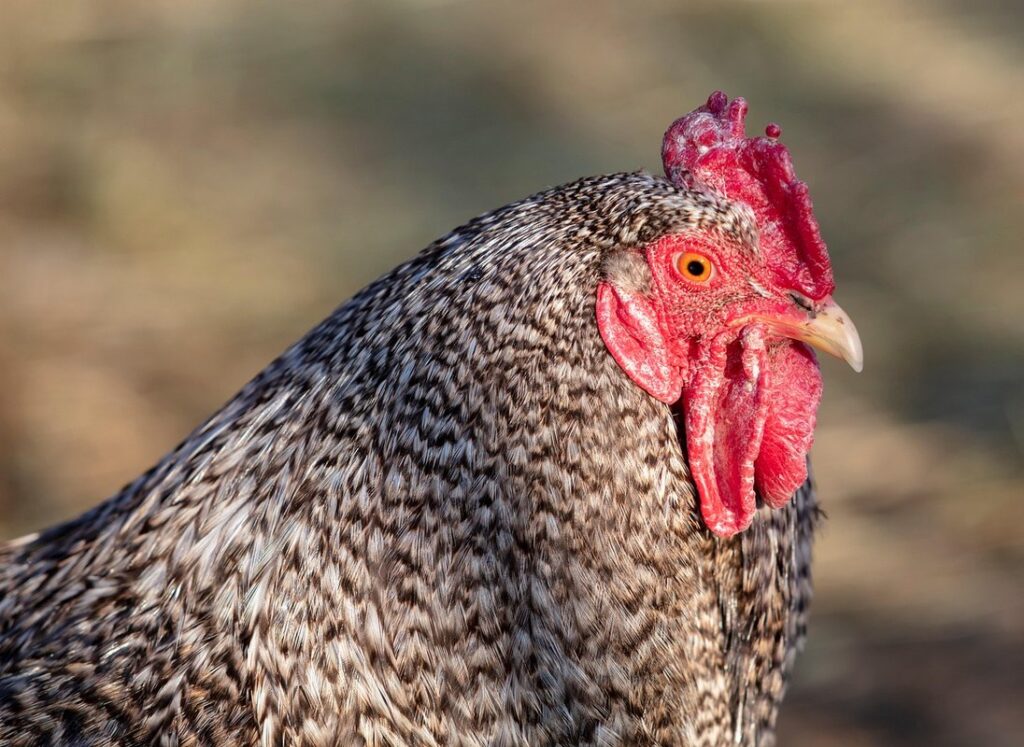
The Barred Plymouth Rock breed is known for its distinctive physical characteristics that set it apart from other chicken breeds. One of the most recognizable features of this breed is its striking barred plumage, which gives it a unique mottled appearance. The feathers are predominantly black with white stripes, creating a beautiful and eye-catching effect.
In terms of size, Barred Plymouth Rocks are considered a medium-sized breed, weighing between 8-11 pounds for hens and up to 14 pounds for roosters. They have a sturdy build, with a broad chest and strong legs that enable them to move around easily. Their beak is medium in length and curved slightly upwards, which is typical of many chicken breeds.
The eyes of the Barred Plymouth Rock are a warm, dark brown color that adds to their overall charm. Overall, this breed’s physical characteristics make it an attractive addition to any backyard flock, and with proper care, they can thrive in a variety of environments.
Temperament and Personality of Barred Plymouth Rocks
When it comes to their temperament, Barred Plymouth Rocks are known for being friendly and docile, making them a great choice for families and backyard flocks. They’re also surprisingly curious and playful birds.
Friendliness and Docility
One of the standout characteristics of the Barred Plymouth Rock breed is its exceptional temperament. This makes them an excellent choice for families and backyard flocks. They are known to be friendly, docile, and gentle, which means they get along well with both children and other animals.
In fact, their calm nature allows them to adapt easily to new environments, making them a great option for those who want to introduce new birds to the flock without causing stress or tension. Their docility also makes them an excellent choice for those who are new to chicken keeping, as they are relatively easy to handle and manage.
When it comes to interacting with their human caregivers, Barred Plymouth Rocks are known to be affectionate and social. They will often follow you around the yard and enjoy being petted and handled. However, it’s essential to remember that chickens, like any other animal, require proper handling and care from an early age to ensure they become tame and trusting of humans.
If you’re looking to add some Barred Plymouth Rocks to your flock, consider starting with chicks and socializing them regularly from a young age. This will help them develop into confident, friendly adults that are a joy to have around. With proper care and attention, these birds can become beloved members of the family, providing hours of entertainment and companionship.
Trainability and Intelligence
When it comes to trainability and intelligence, Barred Plymouth Rocks truly shine. These birds are highly responsive to commands and can be easily taught to perform a variety of tricks. In fact, they’re one of the most intelligent breeds among backyard chickens.
Their high intelligence means that Barred Plymoth Rocks can learn to do everything from simple tasks like coming when called or retrieving items, to more complex behaviors like navigating obstacle courses or even performing simple arithmetic calculations. With patience and positive reinforcement, your Barred Plymouth Rock can become a skilled performer in its own right.
But trainability isn’t just about tricks – it’s also essential for everyday care and management. For example, teaching your bird to return to its coop at night not only keeps it safe but also helps prevent escape attempts. And by training your Barred Plymouth Rock to follow simple commands like “stay” or “wait,” you can make caring for it much easier.
If you’re new to keeping chickens, the trainability of the Barred Plymouth Rock makes them an ideal choice. With their eagerness to please and learn, they’ll quickly become a beloved member of your flock – and with a little practice, even a star performer!
Health and Nutrition for Barred Plymouth Rocks
When it comes to raising healthy Barred Plymouth Rock chickens, providing them with a balanced diet and optimal living conditions is crucial for their well-being. Let’s dive into some essential health and nutrition tips.
Common Health Issues in the Breed
As a responsible breed owner, it’s essential to be aware of the potential health issues that can affect your Barred Plymouth Rock. While this breed is generally known for its hardiness and robustness, there are some common health concerns that you should be mindful of.
One of the most significant health issues in Barred Plymouth Rocks is obesity. This breed tends to put on weight easily, which can lead to a range of problems including heart disease, diabetes, and joint issues. To prevent this, make sure your bird gets plenty of exercise and provides a balanced diet that’s tailored to their specific needs.
Leg problems are also common in Barred Plymouth Rocks, particularly issues with the joints and bones. This is often due to genetics or poor nutrition, so it’s crucial to provide your bird with a well-rounded diet rich in calcium and vitamin D. Regular exercise can also help strengthen your bird’s legs and reduce the risk of injury.
Heart disease is another potential issue that you should be aware of. While relatively rare, it’s essential to monitor your bird’s overall health and watch for signs such as lethargy, difficulty breathing, or pale combs. Consult with a veterinarian if you notice any unusual behavior in your Barred Plymouth Rock.
To minimize the risk of these health issues, make sure to provide your Barred Plymouth Rock with a balanced diet, regular exercise, and plenty of fresh water. Regular check-ups with a veterinarian will also help identify any potential problems early on, allowing for prompt treatment and care.
Nutritional Needs and Recommendations
As you work to ensure the optimal health of your Barred Plymouth Rocks, providing them with a balanced diet is crucial. These birds are medium-sized fowl, requiring a suitable amount of protein and calories to maintain their weight. For layers, you’ll want to provide around 16-18% protein in their feed, while growers will need closer to 20%. A mix of pellets or crumbles along with whole grains like oats and barley can help meet these needs.
When it comes to feeding your Barred Plymouth Rocks, consider free-ranging them during the day. This allows them to forage for insects, seeds, and fruits, which provide essential nutrients and aid in maintaining a healthy weight. Supplement their diet with calcium-rich foods such as crushed eggshells or dark leafy greens like kale and spinach.
It’s also essential to monitor your birds’ food intake, ensuring they’re not overeating. Aim for 1-2% of body weight daily in terms of feed consumption. For example, a 5-pound bird would need around 50 grams of feed per day. By striking this balance between nutrition and portion control, you can keep your Barred Plymouth Rocks thriving and healthy throughout their lives.
Raising and Caring for Your Barred Plymouth Rock Chickens
If you’re thinking of raising barred plymouth rock chickens, you’ll want to know how to provide them with the best possible care from day-old chicks to mature hens. This section covers the essential basics of raising and caring for your flock.
Housing and Coop Requirements
When it comes to keeping your Barred Plymouth Rocks happy and healthy, providing a suitable housing and coop environment is essential. First and foremost, ensure that the coop is spacious enough for your flock. A general rule of thumb is to provide at least 3-4 square feet of space per chicken inside the coop. This will give them room to move around comfortably.
It’s also crucial to consider ventilation and lighting in the coop. Adequate airflow helps prevent ammonia buildup from droppings, which can lead to respiratory problems. Install windows or vents to ensure proper air circulation. In addition, provide natural light through skylights or larger windows to regulate the chicken’s circadian rhythms.
In terms of coop design, consider incorporating nesting boxes and perches. Barred Plymouth Rocks are known for their strong flying ability, so ensure that the coop is secure and predator-proof. A well-designed coop will not only keep your chickens safe but also make their lives more comfortable and enjoyable.
Egg Production and Management
As an owner of Barred Plymouth Rock chickens, you’re likely eager to know what to expect from their egg-laying capabilities. This breed is renowned for its high productivity, and with proper management, you can reap the rewards of a bountiful harvest. On average, a healthy Barred Plymouth Rock hen will lay around 200-220 large brown eggs per year. However, this number can vary depending on factors such as nutrition, health, and living conditions.
To optimize egg production, it’s essential to provide your girls with a balanced diet rich in protein, calcium, and vitamins. Ensure access to fresh water at all times and maintain a clean coop to prevent disease. Regular health checks will also help identify any issues early on, allowing you to take corrective action. Consider integrating foraging activities into their daily routine, as this can stimulate egg production and overall well-being.
Additionally, consider implementing a 4:1 ratio of hens to roosters in your flock. This balance helps maintain social harmony and reduces stress, both of which are crucial for maximum productivity. With proper care and management, you’ll be enjoying an abundance of fresh eggs from your Barred Plymouth Rock ladies in no time!
Breeding and Showing Barred Plymouth Rock Chickens
If you’re interested in raising show-quality Barred Plymouth Rocks, understanding breeding and showing principles is crucial to developing a winning flock. This section will guide you through the process of breeding and showcasing these lovely birds.
Selection and Breeding Programs
When it comes to breeding and showing Barred Plymouth Rock chickens, selecting the right birds for your program is crucial. This involves identifying individuals that exhibit exceptional characteristics, such as vibrant barred plumage, robust build, and friendly temperament. To achieve this, you’ll want to focus on birds with excellent conformation, feather quality, and breed-specific traits.
Developing a comprehensive selection program starts by setting clear goals and breeding objectives. Determine what traits you value most in your flock, whether it’s egg-laying ability, meat production, or exhibition potential. This will help guide your selection process and ensure that you’re choosing birds that align with your vision.
Breeding programs also involve maintaining genetic diversity to prevent inbreeding and related health issues. This can be achieved through outcrossing, where you introduce new bloodlines into your flock. Another essential aspect is regular record-keeping to track pedigree information, breeding history, and performance data.
Show Standards and Best Practices
When it comes to showing your Barred Plymouth Rocks, understanding the breed standard is crucial. The American Poultry Association (APA) sets the standards for the breed, which includes a scorecard that judges are guided by when evaluating chickens.
To prepare your birds for competition, start by familiarizing yourself with the breed standard. Pay attention to key characteristics such as size, weight, and plumage quality. For Barred Plymouth Rocks, males should weigh between 7-9 pounds, while females should weigh between 6-8 pounds.
When preparing your birds for show, ensure their feathers are clean and well-groomed. Remove any debris or dirt from the bird’s plumage, paying particular attention to the hackles (feathers around the neck) and saddle (area just above the tail).
Practice walking your birds before a competition to help them get accustomed to wearing hobbles and being handled by judges. This will also help you gauge their temperament and trainability.
At shows, be prepared to discuss your bird’s ancestry and characteristics with judges. Having detailed records of your bird’s lineage and health history can be beneficial when explaining its strengths and weaknesses.
Conclusion: Why the Barred Plymouth Rock is an Excellent Choice
Now that we’ve explored the characteristics and care of the Barred Plymouth Rock breed, let’s discuss why it makes a fantastic addition to any backyard flock. Whether you’re a seasoned chicken keeper or just starting out.
Summary of Key Points
In conclusion, we’ve explored the wonderful world of Barred Plymouth Rocks, and it’s clear that this breed is an excellent choice for many flock types. Let’s recap the key points to reinforce why they’re a great fit.
Firstly, their gentle and friendly nature makes them an ideal addition to families with children or for small farms where handling chickens daily is necessary. Their calm temperament also means they’re less likely to cause trouble in the coop, making them a great choice for backyard flocks.
Their high egg-laying capabilities are another significant advantage. Barred Plymouth Rocks are known to produce around 200-220 eggs per year, which is above average for many breeds. This makes them an excellent choice for small-scale egg producers or those looking to supplement their family’s dietary needs with fresh eggs.
Additionally, they’re relatively low-maintenance when it comes to feed and care requirements. They’re hardy birds that can thrive on a balanced diet of commercial chicken feed, which means owners don’t need to worry about providing them with exotic or specialized food.
Another significant benefit is their ability to adapt to different living conditions. Barred Plymouth Rocks are known to be tolerant of heat and cold extremes, making them suitable for farms in various climates.
Their broodiness also makes them an attractive choice for breeders looking to hatch chicks naturally. Female Barred Plymouth Rocks will readily go broody on their eggs, which can lead to successful hatches without the need for incubators or artificial hatching methods.
Finally, they’re relatively easy to recognize due to their striking black and white striped feathers, making identification a breeze.
Considering these strengths and advantages, it’s clear that Barred Plymouth Rocks are an excellent choice for many flock types. Whether you’re a seasoned breeder or a beginner looking to start your own backyard flock, this breed is definitely worth considering.
Frequently Asked Questions
Can I breed Barred Plymouth Rock chickens if I’m a beginner?
Yes, while it’s true that breeding requires more expertise than raising chickens for eggs or meat, some beginner-friendly aspects of the Barred Plymouth Rock breed make them an excellent choice for inexperienced chicken keepers. Focus on selecting birds with desirable traits and following proper husbandry practices to lay a solid foundation for future breeding endeavors.
How can I provide adequate housing and coop requirements for my flock?
To ensure your Barred Plymouth Rocks receive the best possible care, consider building or purchasing a sturdy coop that’s at least 2-3 square feet per bird in size. Include features like roosting bars, nesting boxes, and adequate ventilation to keep your flock healthy and happy.
Are there any specific health concerns I should be aware of when raising Barred Plymouth Rocks?
While generally a hardy breed, Barred Plymouth Rocks can be prone to certain health issues like Marek’s disease and respiratory problems. Make sure to vaccinate against Marek’s, maintain good hygiene practices, and provide access to fresh air and exercise to minimize these risks.
How long will it take for my Barred Plymouth Rock hens to reach full egg-laying potential?
Barred Plymouth Rocks typically begin laying eggs at around 18-24 weeks of age. It may take some time (up to several months) for them to reach their peak production, but with proper nutrition and care, you can expect your flock to produce around 200-220 large brown eggs per year.
Can I keep Barred Plymouth Rocks as pets or do they require too much space?
While Barred Plymouth Rocks are an excellent choice for backyard flocks due to their friendly nature and high egg production, they still require adequate space to roam and exercise. If you’re considering keeping them as pets, make sure you have at least a 4×8 foot enclosure with suitable shelter and amenities to keep your flock happy and healthy.