
Are you looking for a friendly and loyal companion to join your family? Look no further than the Barred Plymouth Rock chicken breed! This charming bird has captured the hearts of many backyard farmers and pet enthusiasts alike, and it’s easy to see why. With its rich history dating back to the early 20th century, the Barred Plymouth Rock has become a staple in many poultry flocks.
But what makes this breed so special? In this article, we’ll delve into the characteristics that make the Barred Plymouth Rock an ideal choice for families and first-time chicken keepers. We’ll cover its history, unique features, care requirements, and more. Whether you’re looking to add some feathered friends to your backyard or simply want to learn more about this beloved breed, you’re in the right place. Let’s explore what makes the Barred Plymouth Rock such a perfect pet!
History and Origins
The origins of the Barred Plymouth Rock chicken breed date back to 19th-century America, where it was developed from other popular breeds. Let’s delve into its fascinating history together!
Early Beginnings in America
In the early 20th century, the Barred Plymouth Rock chicken breed was developed in the United States through a deliberate breeding program. The goal was to create a dual-purpose chicken that excelled in both egg-laying and meat production. This project involved crossing various breeds, including the Old English Game Fowl, the Cochin, and the Dominique.
One of the key figures behind the development of the Barred Plymouth Rock was William Bullard, who founded the Massachusetts State Hatchery in 1888. Bullard aimed to create a breed that would thrive on the small farms characteristic of New England at the time. The resulting chickens were robust, friendly, and adaptable, making them ideal for the region’s farming conditions.
The breeding program focused on selecting birds with desirable traits such as strong egg-laying capacity, high fertility rates, and exceptional broodiness. The resulting Barred Plymouth Rock breed quickly gained popularity among American farmers due to its impressive performance in both meat and egg production.
Influences from Other Breeds
As you explore the rich history of the Barred Plymouth Rock chicken breed, it’s fascinating to note that its development was heavily influenced by other breeds. Specifically, the Dominique and Cochin breeds played a significant role in shaping the characteristics of this beloved breed.
The Dominique breed, known for its distinctive black-and-white markings, is often credited with introducing the “barred” pattern to the Plymouth Rock lineage. This unique appearance has become synonymous with the Barred Plymouth Rock, making it an attractive choice for backyard chicken enthusiasts and farmers alike. The Cochin breed, on the other hand, contributed to the development of the breed’s robust size and gentle temperament.
It’s worth noting that while the Dominique and Cochin breeds had a significant impact on the Barred Plymouth Rock’s physical characteristics, they also brought desirable traits such as hardiness, adaptability, and high fertility. This blend of genetics has enabled the Barred Plymouth Rock to thrive in a variety of environments, making it an ideal choice for small-scale farmers, homesteaders, and hobbyists. By understanding the influences of other breeds on its development, you can better appreciate the unique qualities that make the Barred Plymouth Rock such a valuable addition to any flock.
Characteristics and Appearance
When it comes to identifying a Barred Plymouth Rock chicken, there are several key characteristics and physical traits you should look for. Let’s take a closer look at what makes them stand out visually.
Size and Build
When it comes to the physical attributes of the Barred Plymouth Rock chicken breed, they are known for their sturdy build and impressive size. On average, roosters typically weigh around 8-10 pounds (3.6-4.5 kg), while hens usually tip the scales at 6-8 pounds (2.7-3.6 kg). As for height, they can grow up to 18-22 inches (45-55 cm) in length.
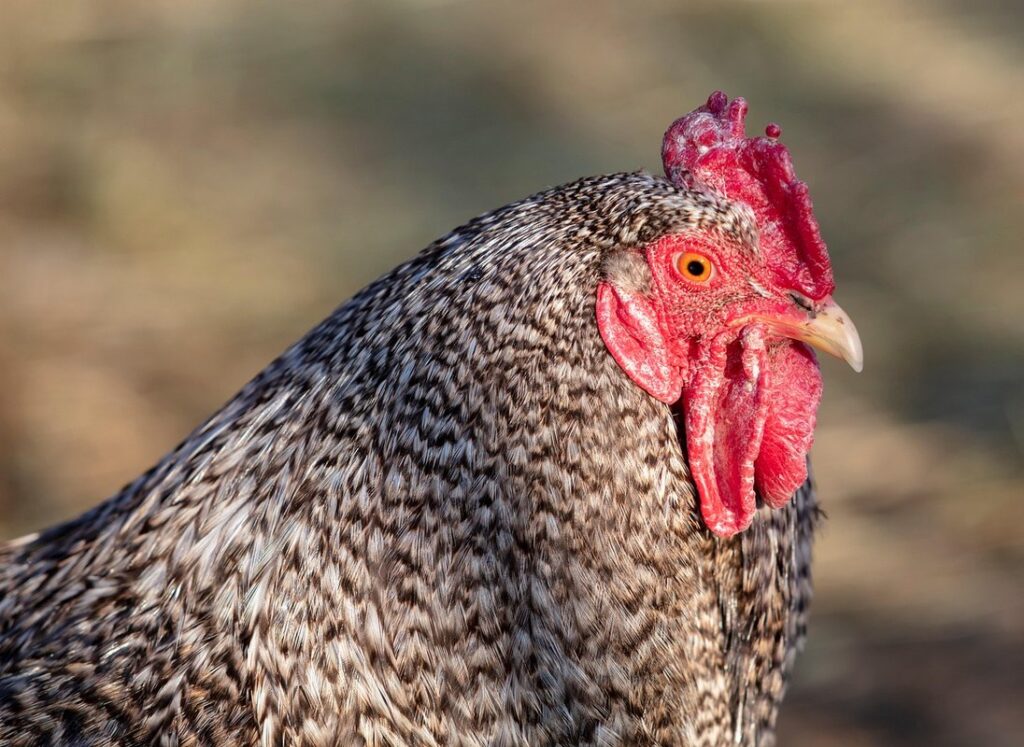
The Barred Plymouth Rock chicken breed boasts a medium-sized body type, with a broad chest and well-sprung ribs. Their feathers are short and smooth, with the iconic barred pattern being one of their most distinctive features. The breed’s plumage can vary in intensity from light to dark, but it’s always characterized by a striking black-and-white striped effect.
When selecting a Barred Plymouth Rock chicken for your backyard flock, keep in mind that they come in a range of sizes and weights, depending on the sex and individual characteristics. Roosters are generally larger and more muscular than hens, so make sure to choose a bird that suits your needs and available space.
Feathers and Plumage
One of the most distinctive features of the Barred Plymouth Rock chicken breed is its striking appearance. The breed’s plumage pattern is a classic example of barred feathers, characterized by alternating bands of black and white feathers that create a stunning visual effect. This unique pattern is not only visually appealing but also serves as a vital identifier for breed enthusiasts.
When it comes to individual birds, you may notice some variation in the intensity or uniformity of the bars. However, overall, the Barred Plymouth Rock’s barred feathers are one of its most defining characteristics. The breed’s plumage is relatively easy to maintain, requiring only regular cleaning and preening to keep it looking its best.
When choosing a Barred Plymouth Rock for your flock, take note of the bird’s feather quality and pattern. A well-defined, even pattern is a good indicator of overall health and genetics. By selecting birds with superior plumage, you’ll be more likely to end up with a flock that boasts this iconic appearance.
Temperament and Personality
When it comes to getting to know a Barred Plymouth Rock, understanding their temperament and personality is key. They’re known for being friendly, docile, and adaptable, making them a great fit for many backyard flocks.
Friendly and Docile Nature
One of the most attractive characteristics of the Barred Plymouth Rock chicken breed is its exceptional temperament. Known for being friendly and docile, this breed makes an excellent choice for families with children, as well as for backyard chicken keepers who want a low-maintenance pet.
Their calm nature allows them to adapt easily to new environments and situations, making them ideal for busy owners who may not have the time to devote extensive attention to their flock. In fact, many owners report that their Barred Plymouth Rocks become quite tame and enjoy human interaction, often seeking out attention and treats.
If you’re planning to raise a flock of Barred Plymouth Rocks, it’s essential to socialize them from an early age to ensure they develop good temperaments. Start by introducing them to new environments, people, and other animals gradually, allowing them to become confident and secure in their surroundings. With proper care and attention, your Barred Plymouth Rock chickens will reward you with years of gentle companionship and egg-laying excellence.
Energetic but Not Hyperactive
If you’re considering bringing a new flock member into your family, it’s essential to think about their energy levels and how they’ll mesh with yours. The Barred Plymouth Rock chicken breed is an excellent choice for families with children due to its moderate energy levels. They’re not hyperactive, but they still require regular exercise and mental stimulation.
These birds love to roam around, explore their surroundings, and engage in activities like scratching and pecking at the ground. A daily routine that includes some form of physical activity, such as a fenced-in run or supervised free-range time, will keep your Barred Plymouth Rock happy and healthy. This breed also loves to forage, so providing them with treats like sunflower seeds or oats can help satisfy their natural instincts.
With proper care and attention, your Barred Plymouth Rock chickens will thrive in a family environment. They’re relatively easy-going and adaptable, making them an excellent choice for first-time chicken owners. By understanding their needs and providing the right balance of exercise and relaxation, you’ll create a harmonious home for both humans and animals alike.
Health Considerations
When choosing a chicken breed for your backyard flock, it’s essential to consider their overall health and how well they’ll adapt to your climate. This includes potential health issues specific to Barred Plymouth Rocks.
Common Health Issues
As with many breeds, the Barred Plymouth Rock is not immune to certain health issues that can affect their overall well-being. One common problem facing this breed is obesity, which can be caused by overfeeding or a lack of adequate exercise. To prevent obesity, it’s essential to maintain a balanced diet and ensure your chickens have access to plenty of space to roam. A good rule of thumb is to provide at least 2-3 square feet of space per chicken inside the coop and 8-10 square feet outside.
Reproductive problems are another concern for Barred Plymouth Rock hens. These issues can range from egg binding, where eggs become stuck in the hen’s vent, to reproductive tract infections. To minimize the risk of these problems, it’s crucial to provide a clean and safe living environment. Ensure your coop is well-ventilated, dry, and free from predators that may cause stress to your hens.
In addition to maintaining a clean coop, regular health checks can help identify any potential issues early on. Keep an eye out for changes in behavior or appetite, and consult with a veterinarian if you notice anything unusual.
Breeding for Health
When breeding Barred Plymouth Rock chickens, responsible practices are essential to minimize inherited health issues. This includes selecting parents with a clean bill of health and monitoring their genetic diversity to avoid over-breeding within close family lines.
To reduce the risk of inherited diseases such as Marek’s disease or Avian Influenza, breeders should implement a breeding program that prioritizes health over production traits. This can be achieved by incorporating healthy individuals from diverse genetic backgrounds into your flock and selecting for birds with robust immune systems.
One key strategy is to maintain a large enough population size to allow for natural selection and random mating events. This will help prevent inbreeding depression, which can lead to weakened immunity and increased susceptibility to disease.
Breeders should also keep accurate records of their birds’ health, including vaccinations, deworming treatments, and any diseases they’ve contracted. Regular health checks by a veterinarian or experienced poultry expert are crucial in identifying potential health issues early on.
By adopting these responsible breeding practices, you can minimize the risk of inherited health problems in your Barred Plymouth Rock flock and enjoy healthier birds for years to come.
Care and Management
To keep your Barred Plymouth Rock chickens happy and healthy, it’s essential to understand their specific care needs, from feeding and watering to health checks and parasite control.
Nutrition and Diet
To ensure that your Barred Plymouth Rock chickens remain healthy and thrive, it’s essential to provide them with a balanced diet that meets their nutritional needs. As heavy egg-layers, they require a mix of protein, vitamins, and minerals to maintain optimal health.
A good starting point is to feed them a high-quality commercial layer feed as the main staple, supplemented with fresh fruits and vegetables daily. Aim for 1-2 cups of fruits and veggies per chicken, varying the types to ensure a broad spectrum of nutrients. Leafy greens like kale, spinach, and collard greens are excellent choices, while also providing essential minerals like calcium and phosphorus.
In terms of protein sources, consider adding cooked eggs, mealworms, or crickets for an extra boost. However, avoid giving them avocados, onions, garlic, or raw beans as they can be toxic to chickens. Rotate their feed regularly to prevent boredom and ensure they receive the necessary vitamins and minerals. By following these feeding tips and maintaining a balanced diet, you’ll be well on your way to raising happy and healthy Barred Plymouth Rock chickens.
Exercise Needs
Regular exercise is crucial for maintaining the physical and mental well-being of Barred Plymouth Rock chickens. These birds are known to be energetic and curious, requiring regular activity to prevent boredom, obesity, and other health issues.
Aim to provide at least 2-3 hours of exercise per day, either through free-ranging or enclosed activities such as running on a chicken ladder, foraging in a designated area, or engaging in playtime with toys. For example, you can place a few scattered treats around the enclosure to encourage your chickens to search and forage.
In addition to physical activity, provide mental stimulation by introducing new objects, materials, or activities on a regular basis. This will help keep your Barred Plymouth Rocks engaged and active, reducing stress and preventing behavioral problems. For instance, try adding a new perch or ladder to the enclosure, or providing a scratching post filled with treats.
Remember to tailor exercise plans according to age, size, and ability of individual chickens, especially if you have older or injured birds in your flock.
Raising Barred Plymouth Rock Chicks
When it comes to raising healthy and happy barred plymouth rock chicks, there are several key considerations to keep in mind from day one. Let’s dive into the specifics of chick care for this beloved breed.
Starting with Healthy Chicks
When starting with healthy chicks, it’s essential to prioritize their well-being. When selecting Barred Plymouth Rock chicks, look for lively and alert birds with clean, dry feathers and bright eyes. Avoid chicks that appear lethargic, have labored breathing, or exhibit signs of mites or fleas.
Upon arrival, inspect the chicks’ living conditions to ensure they are being cared for properly. A reputable breeder or hatchery should provide a clean, well-ventilated environment with adequate feed and water. Check for any signs of overcrowding, which can lead to health issues in young chickens.
To promote optimal chick development, maintain a consistent temperature between 90°F to 95°F (32°C to 35°C) during the first week. Gradually reduce the temperature by 5°F (3°C) each week until it reaches around 70°F (21°C). Ensure adequate ventilation and provide a shallow dish of water for drinking.
Keep in mind that proper chick care is crucial for developing healthy birds. With attention to these details, you’ll set your chicks up for success and establish a strong foundation for their future growth and well-being.
Growing and Training
Growing and training young Barred Plymouth Rock pullets into mature hens requires patience, consistency, and a well-planned approach. As they grow from 0 to 18 weeks of age, it’s essential to provide them with the right environment and opportunities for development. Start by introducing your chicks to their surroundings gradually, allowing them to explore and get accustomed to their new home.
At around 4-6 weeks old, begin to introduce foraging activities to encourage natural behavior. Hide treats or mealworms around the coop or run to stimulate their hunting instinct. As they grow older, provide more complex forage options like seed bell toys or puzzle feeders. This not only keeps them engaged but also helps develop problem-solving skills.
Be sure to establish a routine for handling and socialization during this critical period. Spend at least 15 minutes daily interacting with your pullets, observing their behavior, and gently handling them to build trust. By doing so, you’ll create calm, confident hens that are more receptive to training later on.
Show and Exhibition Potential
If you’re looking to showcase your Barred Plymouth Rock’s unique charm, consider entering them into local shows or exhibitions where their vibrant plumage is sure to shine.
Standard Breed Characteristics
When it comes to show and exhibition potential, the Barred Plymouth Rock breed consistently meets and often exceeds standard breed characteristics. One of the key factors that contribute to their success is their robust build, which is a hallmark of the breed. They typically weigh between 8-12 pounds and stand around 20 inches tall, making them a sturdy presence in the show ring.
Their plumage is another area where they excel, with a distinctive barred pattern on their feathers that adds visual interest to their appearance. Judges often praise their clean lines, well-defined breast, and robust wings, which are all characteristic of a well-bred Barred Plymouth Rock. In terms of temperament, they are known for being friendly, docile, and easy-going, making them a pleasure to handle in the show ring.
In fact, many breeders and owners have reported great success with their Barred Plymouth Rocks in shows and exhibitions, often taking home awards and accolades for their impressive appearance and charming personalities.
Tips for Successful Showing
If you’re new to showing your Barred Plymouth Rock chickens, it’s essential to know what to expect and how to prepare. One of the most critical aspects of successful showing is proper handling techniques. To avoid stressing out your birds, make sure to handle them gently but firmly, supporting their body and wings.
Before a show, practice handling your birds in a way that feels natural for both you and your chickens. Get them accustomed to being handled on a table or stand, as well as moving around with a leash. This will not only help reduce stress but also make the experience more enjoyable for both of you.
When showing your Barred Plymouth Rock chickens, pay attention to their posture and overall appearance. Make sure they are clean, well-groomed, and present themselves confidently. Avoid over-handling them just before the show, as this can cause them to become anxious or tired. Instead, keep them calm and focused by offering a familiar treat or toy.
Remember, it’s all about building trust and confidence between you and your birds. By practicing proper handling techniques and preparing them well in advance, you’ll be well on your way to successful showing experiences with your Barred Plymouth Rock chickens.
Frequently Asked Questions
What are some tips for raising healthy Barred Plymouth Rock chicks?
When starting with healthy chicks, make sure to provide a clean and draft-free brooder area with adequate ventilation. Keep the temperature around 90-100°F (32-38°C) during the first week and gradually decrease it by 5°F (3°C) each week until they’re about four weeks old.
Can Barred Plymouth Rock chickens be used for egg production in cold climates?
Yes, these hardy birds can adapt to cold temperatures. They’ll still require adequate shelter and protection from wind and rain, but their robust build allows them to thrive in cooler conditions. Ensure they have access to a warm, dry spot during extreme weather.
How often should I provide fresh water for my Barred Plymouth Rock chickens?
Fresh water is essential for your flock’s health! Change the water daily, or at least every other day, depending on the climate and consumption rate. Use a clean container and ensure it’s free from contaminants to prevent bacterial growth and disease transmission.
Can I keep Barred Plymouth Rock chickens in a small backyard?
Yes, these birds are perfect for smaller spaces due to their docile nature and moderate size. However, consider the space needed for your flock to roam freely and exercise. A minimum of 2-3 square feet per bird inside the coop and at least 8-10 square feet per bird in the run is recommended.
What are some common health issues associated with Barred Plymouth Rock chickens?
These birds can be prone to respiratory issues, especially in cold or dusty environments. Regular vaccinations, good ventilation, and maintaining a clean living space will help prevent these problems. Consult a veterinarian experienced in poultry care for guidance on managing specific health concerns.