
Are you looking to add some excitement to your backyard flock or boost productivity on your farm? Look no further than the renowned Barred Plymouth Rock chicken breed. This hardy and prolific layer has been a favorite among farmers and backyard enthusiasts for generations, and it’s easy to see why.
With their striking barred plumage and friendly disposition, Barred Plymouth Rocks are not only visually appealing but also highly productive. They’re known for laying an impressive number of large brown eggs per year, making them a valuable addition to any flock. But what sets them apart from other breeds? In this article, we’ll delve into the history, characteristics, and care requirements of the Barred Plymouth Rock chicken breed, giving you everything you need to know to successfully incorporate these amazing birds into your flock.
History and Origins
The Barred Plymouth Rock chicken has a rich history that spans centuries, originating from New England in the 1800s. Let’s explore its fascinating beginnings together.
Early Beginnings of the Breed
The Barred Plymouth Rock chicken has its roots in the United States, dating back to the late 1800s. The breed was developed by William Cook of Massachusetts, who crossed a Black Java fowl with a Cochin bantam to create a bird that excelled at egg-laying and foraging abilities. Cook’s innovative breeding led to the creation of the first Barred Plymouth Rock chickens in 1881.
These birds quickly gained popularity among farmers due to their impressive characteristics: hardiness, friendly disposition, and high fertility rate. They were also known for their ability to thrive in a variety of environments, from small backyards to large commercial farms. The breed’s early success can be attributed to its unique combination of size, egg-laying capacity, and adaptability, making it an ideal choice for farm families.
By the mid-1900s, the Barred Plymouth Rock chicken had become one of the most sought-after breeds in the country. Its popularity was fueled by its ability to produce large numbers of high-quality eggs while being relatively low maintenance. Today, this breed remains a staple among backyard chicken keepers and commercial farmers alike due to its enduring charm and practicality.
Development and Refining of the Breed
The development of the modern-day Barred Plymouth Rock chicken is a fascinating story that spans over a century. In the early 1800s, the Dorking and Old English Game chickens were crossed to create the foundation for this breed. These birds were prized for their excellent egg-laying abilities and robust health.
Through selective breeding, breeders aimed to refine the characteristics of these initial crosses. They sought to enhance the size, temperament, and overall appearance of the bird. By carefully selecting and breeding individual chickens with desirable traits, breeders gradually developed the distinct features we associate with the Barred Plymouth Rock today.
The development process was not without its challenges, however. Breeding for specific characteristics can lead to unintended consequences, such as reduced fertility or increased susceptibility to disease. To avoid these pitfalls, breeders worked closely together to share knowledge and best practices. This collaborative approach ultimately led to the creation of a robust and resilient breed that is capable of thriving in various environments.
The end result of this selective breeding process was a breed that boasted impressive egg-laying capabilities, with some hens producing up to 200 eggs per year. The Barred Plymouth Rock’s friendly demeanor and adaptability also made it an ideal choice for backyard flocks.
Physical Characteristics and Traits
One of the first things you’ll notice when meeting a Barred Plymouth Rock chicken is their distinctive appearance, which we’ll delve into further below. Let’s take a closer look at what makes them so unique visually.
Body Type and Size
When it comes to the physical characteristics of the Barred Plymouth Rock chicken, one of its most distinctive features is its robust body type. These birds are known for their muscular build and broad chest, which sets them apart from other breeds. On average, a mature male Barred Plymouth Rock can weigh anywhere from 7-11 pounds (3.2-5 kg), while females typically tip the scales at around 6-9 pounds (2.7-4 kg).
Their compact yet sturdy frame makes them well-suited for both backyard flocks and commercial production systems. The broad chest and strong legs of the Barred Plymouth Rock enable it to forage efficiently, making it an excellent choice for farmers looking to raise healthy birds on pasture or in free-range settings.
In terms of size, Barred Plymouth Rocks are considered a medium to large breed, but their compact proportions mean they don’t take up as much space as larger breeds. This makes them a popular choice for small-scale poultry keepers who want to raise a hardy and productive flock without breaking the bank on infrastructure.
Plumage and Coloration
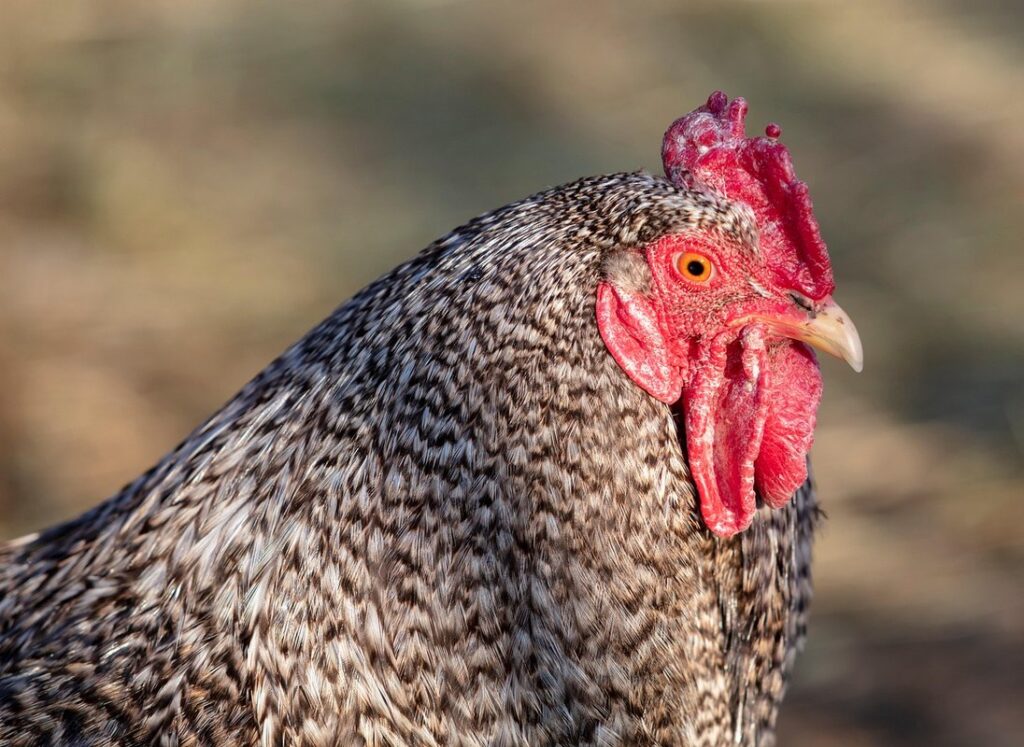
One of the most recognizable and beloved features of the Barred Plymouth Rock chicken is its distinctive barred plumage pattern. Characterized by a black and white striped effect, this striking appearance has become synonymous with the breed. But what sets the Barred Plymouth Rock’s coloration apart from other breeds? The answer lies in the intensity and uniformity of its coloring.
The bar pattern itself covers the entire body, including the wings, tail feathers, and face, creating a clean and crisp visual effect. Notably, the black stripes are not just random streaks but rather precise and evenly spaced, giving the impression of a well-defined grid. The color intensity is also noteworthy, with deep blacks contrasting beautifully against snowy whites.
Feather length is another notable aspect of the Barred Plymouth Rock’s plumage, with long, flowing feathers that create a soft, gentle appearance. Quality-wise, the breed boasts dense and well-fitted plumage that resists matting and tangling, making them a joy to handle and care for. Whether you’re a seasoned chicken enthusiast or just starting out, it’s hard not to be captivated by the Barred Plymouth Rock’s stunning looks.
Temperament and Behavior
So, you’re wondering what these Barred Plymouth Rock chickens are really like? Their temperament and behavior make them a joy to have as pets and are a crucial aspect of their charm.
Friendliness and Docility
One of the most endearing qualities of the Barred Plymouth Rock chicken is its temperament. These birds are renowned for their exceptional friendliness and docility, making them an excellent choice for families with children or for backyard flocks where social interaction is essential.
In terms of human interaction, Barred Plymouth Rocks are known to be gentle and affectionate. They will often follow you around the yard, eager to receive pets and scratches behind the ears. This friendly nature makes them a joy to keep as pets, and they can even become quite attached to their owners. However, it’s essential to remember that, like any chicken, they require proper handling and socialization from an early age.
When it comes to interactions with other animals, Barred Plymouth Rocks are generally peaceful and get along well with other breeds. They will often tolerate the presence of cats, dogs, and even horses, making them a great addition to multi-species farms or homesteads. With proper introduction and socialization, you can expect your Barred Plymouth Rock to integrate harmoniously into your existing animal community.
Hardiness and Adaptability
One of the key strengths of the Barred Plymouth Rock chicken breed is its hardiness and adaptability. These traits make it an ideal choice for farmers and backyard enthusiasts who want a low-maintenance yet resilient bird.
Whether you’re raising chickens in extreme temperatures, varying humidity levels, or different altitudes, the Barred Plymouth Rock can thrive in nearly any climate. Their robust constitution and well-developed immune system enable them to withstand heat stress, cold snaps, and disease outbreaks with relative ease.
This adaptability extends to management systems as well. The breed is suitable for both free-range and confinement systems, making it a great choice for farmers who want to offer their birds the freedom to roam while also controlling costs.
In addition, Barred Plymouth Rocks are known to be prolific egg layers, producing around 200-220 eggs per year. This makes them an excellent choice for small-scale farming operations or homesteads looking to supplement their food supply.
Overall, the Barred Plymouth Rock’s hardiness and adaptability make it a versatile breed that can excel in various climates, management systems, and farming practices.
Productivity and Egg-Laying Abilities
If you’re looking for a chicken breed that can deliver on both productivity and egg-laying prowess, the Barred Plymouth Rock is an excellent choice. Let’s dive into what makes this breed stand out in these areas.
Egg Production Capacity
One of the most impressive aspects of the Barred Plymouth Rock chicken is its exceptional egg-laying abilities. On average, a healthy Barred Plymouth Rock hen will produce around 200-220 large brown eggs per year, making them an excellent choice for small-scale farmers and backyard flock owners.
In terms of peak production rates, these hens typically reach their maximum egg-laying capacity within the first two years of life. At this stage, they can lay up to 280-300 eggs annually, with some individual birds exceeding 320 eggs per year. Factors such as diet, nutrition, and overall health can influence an individual hen’s egg production levels.
To maximize your Barred Plymouth Rock hens‘ egg-laying potential, ensure they receive a balanced and nutritious diet that includes plenty of high-quality protein sources, calcium-rich foods, and fresh water at all times. Regular exercise and adequate space to roam will also contribute to their overall health and productivity. By providing optimal care and conditions, you can expect your Barred Plymouth Rock flock to thrive and deliver an impressive number of eggs every year.
Egg Size and Quality
Barred Plymouth Rock chickens are prolific layers, known for their high egg production and consistent quality. On average, a healthy Barred Plymouth Rock hen will lay around 280-300 large to extra-large eggs per year, making them an excellent choice for small-scale farmers and backyard flock owners.
In terms of egg size, Barred Plymouth Rocks typically produce eggs that range from Large to Extra-Large in size, with some hens producing eggs as big as 2.5 inches in length and 1.75 inches in width. The shape of their eggs is usually oval or slightly elongated, with a smooth, rounded appearance.
When it comes to egg quality, Barred Plymouth Rocks are known for producing clean, white eggs with a moderate shell thickness and texture. Some breeders have reported that the shells of their eggs can be quite strong and less prone to cracking than other breeds.
If you’re looking to optimize your flock’s egg production, make sure to provide them with a balanced diet rich in calcium and protein, as well as a clean and safe living environment. Regular health checks and proper management practices will also help ensure that your Barred Plymouth Rock hens stay healthy and productive throughout their laying careers.
Health and Nutrition Considerations
When it comes to raising healthy Barred Plymouth Rock chickens, their nutritional needs are crucial to consider. This includes a balanced diet that meets their unique requirements as they grow.
Common Health Issues
As you care for your Barred Plymouth Rock chickens, it’s essential to be aware of common health issues that can affect their well-being. One of the most critical concerns is brooder pneumonia, a condition that can be prevented by maintaining proper ventilation and hygiene in the coop.
Another significant issue is Marek’s disease, a viral infection that can cause tumors and lesions on internal organs. To prevent this, make sure your flock is vaccinated regularly, keep them away from stressed birds, and maintain cleanliness.
Bumblefoot, also known as pododermatitis, is another common problem affecting Barred Plymouth Rock chickens. This condition arises when the birds stand on wire or hard surfaces for extended periods, causing lesions on their feet. To prevent bumblefoot, provide a comfortable roosting area with soft bedding and avoid confining your flock to small spaces.
Regular monitoring of your birds’ behavior and health is crucial in detecting these issues early on. Be aware of any changes in appetite, droppings, or overall demeanor, and take prompt action if you notice anything unusual.
Nutritional Requirements
As you care for your Barred Plymouth Rock chickens, it’s essential to provide them with a well-balanced diet that meets their nutritional requirements. These birds are known for their high egg production and rapid growth rate, which makes them more demanding when it comes to nutrition.
To support optimal growth and production, ensure that your flock receives adequate protein sources such as cracked corn, oats, and soybeans. A minimum of 16-18% protein is recommended in layer feed, while starter feed should have around 20% protein content. It’s also crucial to provide energy-rich foods like wheat, barley, or alfalfa meal to maintain their high activity levels.
Don’t forget to supplement with essential nutrients like calcium, phosphorus, and vitamin D3 to support strong bone growth and eggshell production. A balanced feed specifically formulated for laying hens will help ensure your flock gets all the necessary nutrients in one convenient source. Consider offering fresh fruits and vegetables as treats to provide variety and additional nutrition, but limit them to 10% of their daily diet to avoid upsetting their digestive balance.
A good rule of thumb is to consult with a veterinarian or poultry expert to determine the best feeding strategy for your flock based on age, size, and production level. By meeting your Barred Plymouth Rock chickens’ nutritional requirements, you’ll be well on your way to raising healthy, productive birds that bring joy to your farm or backyard flock.
Raising and Caring for Barred Plymouth Rock Chickens
If you’re bringing home a new flock of barred plymouth rock chickens, it’s essential to know how to raise them from day-old chicks to healthy laying hens. This section will cover their specific needs and care requirements.
Housing and Coop Requirements
When it comes to housing and cooping for your Barred Plymouth Rock chickens, you’ll want to provide them with a safe and comfortable space that meets their needs. The ideal coop should be well-ventilated, protected from predators, and offer enough room for the birds to move around.
For a healthy flock of 3-5 Barred Plymouth Rocks, we recommend a coop size of at least 2×4 feet per bird, with adequate nesting boxes (one box per 3-4 hens) and easy access to roosting bars. Don’t forget to install windows for natural light and consider adding a sloping roof to allow snow to slide off easily.
When it comes to ventilation, ensure that your coop has good airflow by providing at least two square inches of vent space per square foot of floor area. This will help keep the air fresh and prevent ammonia buildup from droppings. Consider using wire mesh or hardware cloth to protect your birds from predators like raccoons, foxes, and hawks.
For a budget-friendly option, repurpose an old shed or build a simple coop using reclaimed wood. Just remember to provide adequate protection against harsh weather conditions, such as strong winds, heavy rain, and extreme temperatures.
Diet and Feeding Guidelines
When it comes to feeding and caring for your Barred Plymouth Rock chickens, a well-planned diet is crucial for their overall health and productivity. As you start your flock, it’s essential to provide high-quality starter feed that meets the nutritional needs of young chicks. Look for a starter feed that contains around 20% protein, which will help them grow and develop strong bones and muscles.
As your chickens mature, they’ll need a layer feed with slightly lower protein content (around 16-18%). This type of feed is formulated to support egg production and maintain their overall health. It’s also essential to provide fresh water at all times and ensure access to oyster shells or grit to help them digest their food.
When it comes to treats, be sure to limit them to around 10% of your chicken’s daily diet. Fresh fruits and vegetables can make great additions, but avoid giving them too many high-fat or high-sugar foods that can lead to health issues. A few examples of healthy treats include leafy greens like kale and spinach, as well as chopped carrots and apples.
Conclusion
In conclusion, the Barred Plymouth Rock chicken is an excellent addition to any backyard flock. Their hardiness, docility, and prolific egg-laying abilities make them a great choice for beginners and experienced farmers alike. If you’re new to raising chickens, consider starting with just a few Barreds to get a feel for the responsibility of caring for your own flock. Once you’ve got the hang of it, you can expand your flock to include other breeds that complement the characteristics of your Barred Plymouth Rocks.
When introducing your Barreds to your backyard or existing flock, be sure to provide a safe and welcoming environment by setting up adequate shelter, feeding stations, and water sources. With proper care and attention, your Barreds will thrive and become beloved members of your family.
Frequently Asked Questions
Can I raise Barred Plymouth Rock chickens for meat production as well?
Yes, while they are primarily known for their egg-laying abilities, Barred Plymouth Rocks can also be raised for meat production. They are a dual-purpose breed, meaning they can provide both eggs and meat. However, it’s essential to note that they may not grow as quickly as some other breeds specifically bred for meat production.
How do I ensure my Barred Plymouth Rock chickens get enough calcium for strong eggshell production?
Calcium is crucial for healthy eggshell production in laying hens. You can provide oyster shells or crushed eggshells as a supplement to their diet, which are rich in calcium. Ensure fresh water and a balanced feed specifically formulated for layers also support your flock’s calcium needs.
Are Barred Plymouth Rock chickens suitable for small backyard flocks?
Yes, due to their friendly disposition and adaptability, Barred Plymouth Rock chickens make excellent choices for small backyard flocks. They require minimal space but do benefit from regular exercise outside the coop. Providing enough room for scratching, dust bathing, and flying can help keep them happy and healthy.
Can I breed Barred Plymouth Rock chickens myself?
Breeding your own poultry requires specific knowledge of genetics, health testing, and breeding standards. Before attempting to breed Barred Plymouth Rocks or any other breed, it’s essential to research local regulations, ensure you have the necessary facilities and expertise, and consider purchasing stock from reputable breeders.
How often should I collect eggs from my Barred Plymouth Rock flock?
Regular egg collection is not only a way to prevent over-accumulation of eggs but also helps monitor your hens’ health. You can expect to collect eggs daily during peak production seasons, typically morning and late afternoon when most hens lay their eggs.