
Are you a proud Barred Rock chicken owner, curious about the secrets behind your feathered friend’s eggs? Have you ever wondered why some eggs turn out blue or green while others remain a lovely shade of brown? The answer lies in genetics, and understanding it can be fascinating. But beyond just curiosity, knowing how to record and maintain accurate data on eggshell colors is crucial for backyard chicken keepers like you. With the right information, you can identify common and rare hues, make informed breeding decisions, and even track your flock’s health. In this article, we’ll explore the Barred Rock chicken egg color chart in-depth, decoding the genetic secrets behind these beautiful eggs and providing tips on how to accurately record their colors.
Introduction to Barred Rock Chickens
Welcome to our guide on barred rock chicken eggs! In this section, we’ll introduce you to the unique characteristics of these beautiful birds and their eggs.
Overview of the Breed
The Barred Rock chicken breed has been a favorite among backyard flock enthusiasts for decades. Originating from New York State in the early 20th century, this hardy and friendly breed was developed to thrive in the state’s challenging climate. One of the reasons for its popularity is its stunning appearance, with distinctive black and white stripes running along its back, hence the name “Barred Rock.”
As a popular choice among small-scale farmers and homesteaders, Barred Rocks are prized for their gentle nature, high egg production, and adaptability to various living conditions. They are relatively low maintenance birds that can tolerate cold climates, making them an excellent option for those who live in areas with harsh winters.
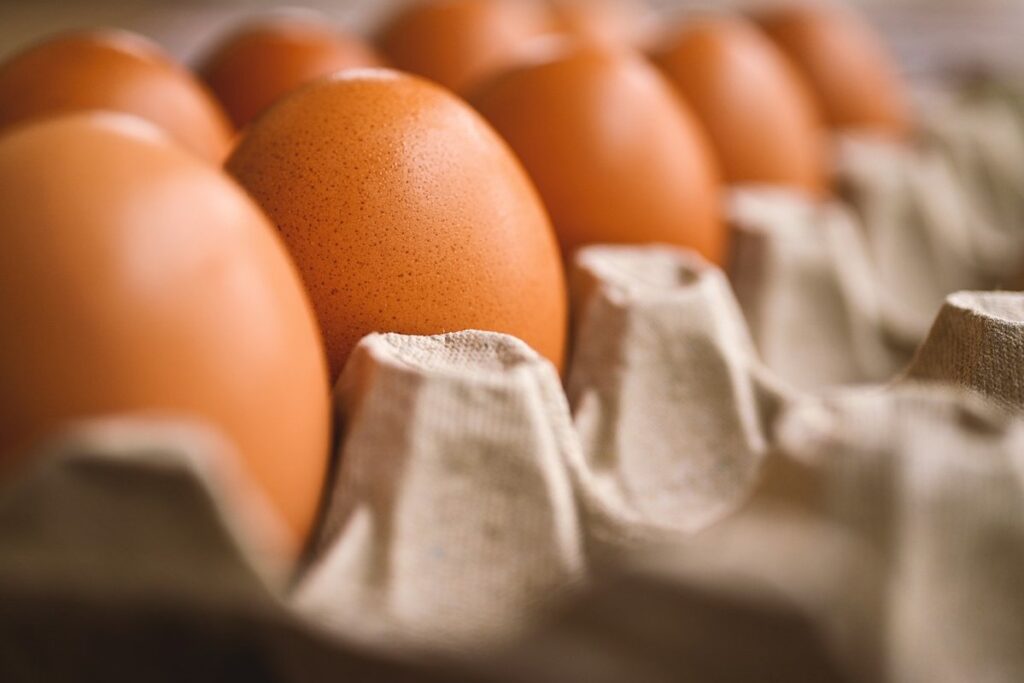
In terms of egg laying, Barred Rock hens are prolific producers, often laying around 200-220 brown eggs per year. Their eggs are known for being large and symmetrical, with a rich, dark-brown color that’s both beautiful to look at and perfect for cooking or baking.
Importance of Egg Color Diversity
When it comes to Barred Rock chickens, egg color diversity is more than just a pleasant variation – it’s a crucial aspect for breeders and enthusiasts alike. Knowing the egg color of a specific Barred Rock chicken can make all the difference in determining its genetic background, overall health, and even its value as a breeding stock.
A significant advantage of being aware of egg color is that it allows breeders to identify potential genetic issues early on. For instance, eggs with unusual colors or markings may indicate a underlying health concern, such as a vitamin deficiency or an inherited trait. By monitoring the egg color, breeders can take proactive steps to address these issues and ensure the overall well-being of their flock.
Furthermore, understanding egg color diversity is essential for enthusiasts looking to preserve the unique characteristics of this beloved breed. By recognizing the genetic variations that contribute to different egg colors, breeders can make informed decisions when selecting breeding stock, ultimately helping to maintain the integrity and diversity of the Barred Rock chicken population.
Understanding Barred Rock Chicken Genetics
Now that we’ve covered the basics of egg color, let’s dive deeper into the genetics behind your Barred Rock chicken’s colorful eggs. This section will explore what influences those hues.
Mendelian Genetics and Inheritance Patterns
Genetics play a crucial role in determining the eggshell color of your Barred Rock chickens. In simple terms, genetics are like a blueprint that dictates the characteristics of an individual bird, including its egg-laying abilities. The concept of dominant and recessive traits is essential to understanding how genetics influence eggshell color.
Dominant traits will always be expressed if an individual has one copy of the gene, while recessive traits require two copies of the gene for expression. In the context of Barred Rock chickens, the gene that controls eggshell color is inherited in an autosomal dominant manner. This means a bird only needs to inherit one copy of the gene for it to be expressed.
To illustrate this concept, let’s consider an example: If you breed two birds with different genotypes (genetic makeup) for eggshell color, you may end up with offspring that display a combination of traits. For instance, if you cross a bird with a genotype “Bb” (where B represents the dominant gene and b represents the recessive gene) with another bird also having the genotype “Bb”, there’s a 25% chance their chicks will be homozygous dominant (BB), 50% chance they’ll be heterozygous (Bb), and 25% chance they’ll be homozygous recessive (bb). Understanding these genetic principles can help you predict the eggshell color of your flock’s offspring.
The Role of Genotype and Phenotype
When it comes to understanding the genetics behind Barred Rock chicken egg color, it’s essential to grasp the difference between genotype and phenotype. The genotype refers to the actual genetic makeup of your bird, including its DNA sequence. On the other hand, the phenotype is the physical expression of those genes, such as the color of their feathers or eggs.
In the case of eggshell color, the phenotype is what you see – the beautiful shades of brown and white that are characteristic of Barred Rock chickens. However, the genotype determines how that color is produced in the first place. Think of it like a recipe book: the genotype provides the ingredients (the genes), while the phenotype is the final dish (the eggshell color).
To illustrate this concept, consider a simple example. A hen with the genotype BB will always lay brown eggs, regardless of its environment or nutrition. However, if another hen has the genotype Bb, it may lay eggs that are lighter or darker depending on various factors. Understanding your bird’s genotype can help you predict and manage eggshell color more effectively.
Barred Rock Chicken Egg Color Chart: Breed-Specific Traits
As you’re learning more about your Barred Rock hens, let’s dive into their breed-specific egg-laying traits to help you predict what colors to expect. We’ll explore the characteristics that influence their eggshell hues.
Genetic Factors Contributing to Eggshell Color
When it comes to the genetics of eggshell color in Barred Rock chickens, things can get a bit complex. But don’t worry, we’ll break it down for you in simple terms. The genetics of eggshell color involve multiple genes interacting with each other, much like a intricate puzzle.
Two main genes are responsible for determining eggshell color: the OCA2 gene and the TYRP1 gene. The OCA2 gene codes for a protein that helps produce eumelanin, a pigment responsible for brown and black colors. On the other hand, the TYRP1 gene is involved in the production of pheomelanin, which produces red and yellow pigments.
In Barred Rock chickens, the combination of these genes determines the eggshell color. For example, if a chicken has a dominant allele (form) of the OCA2 gene, it will produce more eumelanin and result in darker brown or black eggs. However, if it inherits a recessive allele, the eggshells may appear lighter. It’s essential to note that individual chickens can have unique genetic combinations, making their eggshell color unpredictable.
In practice, this means that even if you know your Barred Rock chicken has a certain genotype (genetic makeup), there’s still no guarantee of a specific eggshell color. But with time and observation, you’ll get a better sense of how genetics influence the color of your chickens’ eggs.
Dominant and Recessive Genes in Eggshell Color Determination
When it comes to determining eggshell color in Barred Rock chickens, genetics play a crucial role. Dominant and recessive genes interact to produce the characteristic brown or tinted eggs associated with this breed. Let’s break down how these genetic interactions influence eggshell color.
The dominant gene for brown pigmentation is denoted as ‘B’. When an individual possesses at least one copy of the ‘B’ allele, they will express a brown eggshell color. Conversely, if an individual lacks the ‘B’ allele or carries only recessive alleles, their eggs will be tinted or have a lighter shade of brown.
To understand how these genes interact, consider this example: If a hen has one ‘B’ allele and one recessive allele for eggshell color (let’s call it ‘b’), she will express a brown eggshell color. However, if her offspring inherit two recessive alleles (‘bb’), they may produce eggs with a lighter tint or even be white.
Understanding the interplay between dominant and recessive genes can help you predict the possible eggshell colors of your Barred Rock hens. By recognizing these genetic patterns, you can make informed breeding decisions to achieve your desired outcome. Keep in mind that genetics is just one factor influencing eggshell color; other variables like nutrition and environment also come into play.
Factors Affecting Eggshell Color
When it comes to eggshell color, several factors come into play, affecting the appearance of those beautiful eggs from your Barred Rock hens. Let’s explore what influences their unique hues.
Nutritional Influence on Eggshell Color
When it comes to barred rock chicken egg color, diet plays a significant role in determining the final shade. A balanced and nutrient-rich feed is essential for producing healthy eggs with vibrant colors.
A deficiency in certain nutrients can lead to pale or washed-out eggshells. For instance, a lack of calcium can result in soft or fragile eggshells, while an insufficiency of iron can cause a reduction in the production of porphyrins, which are responsible for the red and yellow pigments in eggs.
On the other hand, excessive intake of certain nutrients can also impact eggshell color. High levels of sulfur, for example, can lead to dark green or blue-gray eggshells due to an overproduction of biliverdin, a pigment that’s often associated with these colors.
To optimize eggshell color, provide your barred rock hens with a well-rounded diet that includes a mix of grains, fruits, and vegetables. Consider supplementing their feed with calcium and iron-rich ingredients like crushed oyster shells or dark leafy greens to support robust pigmentation.
Environmental Conditions and Stress Impact
Environmental conditions and stress can have a significant impact on the eggshell color of Barred Rock chickens. Temperature fluctuations, for instance, can cause eggs to be laid with more pronounced markings. This is particularly noticeable during periods of extreme heat or cold, when eggs may exhibit a deeper or lighter brown hue.
Stress can also play a role in altering eggshell color. If your hens are experiencing stress due to factors like overcrowding, poor ventilation, or changes in their environment, it’s not uncommon for eggs to take on a more washed-out appearance or have fewer markings altogether.
It’s worth noting that these changes can be temporary and reversible once the environmental conditions improve or the source of stress is addressed. To minimize the impact of environmental factors on your flock’s eggshell color, ensure they have access to fresh air, adequate feed, and clean living quarters. Regularly monitoring their health and adjusting their environment as needed can help maintain a consistent egg-laying schedule and vibrant eggshell colors.
Breed-Specific Eggshell Colors
Let’s take a closer look at how eggshell color can vary depending on your Barred Rock chicken’s lineage and breeding history, revealing unique patterns.
Overview of Common Eggshell Colors Found in Barred Rocks
When it comes to eggshell colors, Barred Rock chickens are known for their diverse and vibrant range. Among the most common colors found in these eggs are cream, light brown, pinkish-brown, pale yellow, white, and blue-green. It’s worth noting that while some of these colors may appear similar, they can be distinguished by subtle variations in hue and saturation.
Cream-colored eggs, for instance, tend to have a rich, buttery tone, while those with a light brown or pinkish-brown tint often display a slightly warmer or cooler undertone. Pale yellow eggs usually have a bright, sunshine-like quality, whereas white eggs are, unsurprisingly, pure in their color. Blue-green eggs can range from a pale turquoise to a deeper teal, depending on individual bird characteristics.
It’s essential to remember that eggshell colors can be influenced by various factors, including the chicken’s diet, age, and overall health. To encourage a diverse range of colors, consider providing your flock with a balanced and varied diet rich in nutrients.
Unusual or Rare Eggshell Colors in Barred Rocks
While Barred Rocks are known for their classic brown eggs, some owners have reported laying eggs with unusual or rare shell colors. These variations can occur due to a combination of genetic and environmental factors.
Some rare eggshell colors reported in Barred Rock hens include lavender, blue, and olive green. These hues may be the result of genetic diversity within the breed, as well as exposure to certain minerals or nutritional deficiencies. For instance, eggs with a bluish tint may be caused by high levels of iron or manganese in their diet.
While these rare eggshell colors are intriguing, they don’t necessarily indicate any health issues in the hen. However, it’s essential to monitor your flock’s overall health and ensure they’re receiving a balanced diet to minimize the risk of nutritional deficiencies. If you notice unusual eggshell colors, take note of your bird’s overall behavior, production, and nutrition to rule out any potential health concerns.
In some cases, rare eggshell colors may be an indication of genetic diversity within your flock. If you’re interested in breeding for these unique traits, consider consulting with a poultry expert or experienced breeder to guide you through the process.
Collecting and Recording Data on Barred Rock Chicken Eggs
To accurately record your egg-laying stats, you’ll need to collect data on every egg laid by your Barred Rocks. Set up a system for tracking egg color, size, and any other characteristics you’d like to monitor over time.
Tips for Accurately Recording Eggshell Color
When collecting and recording data on Barred Rock chicken eggs, accurately documenting the eggshell color is crucial. To ensure consistency and accuracy, it’s essential to establish a standardized method for recording eggshell colors.
Start by familiarizing yourself with the official American Poultry Association (APA) color standards for chicken eggshells. This will provide a common reference point when describing eggshell colors. When examining each egg, look at the overall color and pattern, taking note of any unique characteristics such as freckles or patches.
To accurately record the eggshell color, use a descriptive system that includes both the main color and any secondary colors present. For example, if an egg has a brown base with orange-brown speckles, you would record it as “Brown-Orange.” Consider using a color wheel to help identify and categorize specific shades.
When documenting your findings, make sure to include clear photographs of each egg to supplement your written descriptions. This will provide visual evidence and help prevent misinterpretation.
Best Practices for Maintaining a Detailed Breed Record Book
Maintaining accurate records of eggshell colors is crucial for breeders to track their flock’s performance and identify potential issues. A detailed Breed Record Book helps you keep track of the egg-laying history of individual birds, including their eggshell color.
To organize data on eggshell colors, start by creating a standardized system for recording information. This can include using a chart or table with columns for date, bird ID, eggshell color, and any notable observations. Use a consistent notation system to describe eggshell colors, such as “Barred” for solid eggs or “Speckled” for eggs with small spots.
When documenting data, take note of the frequency and consistency of each eggshell color. For example, if one bird consistently lays barred eggs while another lays speckled eggs, this can help you identify potential genetic variations within your flock. Regularly reviewing your records will also allow you to adjust breeding strategies to meet your desired goals. By maintaining accurate records, you’ll be better equipped to make informed decisions about your flock’s future.
Frequently Asked Questions
What if I’m new to recording eggshell colors? How can I start keeping track of my Barred Rock chicken eggs?
To begin, get a good quality marker or colored pencils for easy recording. Keep a dedicated notebook for tracking eggshell colors and include space for notes on nutrition, health, and other relevant factors. Label each entry with the date, breed name, and any notable characteristics.
Can I use online resources to track my flock’s egg production, or is it best to stick with physical records?
Both methods have their advantages! Online tools can help you analyze data over time and identify trends. However, for detailed record-keeping, a physical notebook remains the most accurate method. Combine both approaches by scanning your physical records periodically to update your online tracking.
How can I ensure my Barred Rock chicken eggs are getting the right nutrients to produce healthy, colored eggs?
Provide a balanced diet rich in calcium and vitamins A and E. Ensure access to fresh water and rotate their feed every 6-8 weeks. Consult with a veterinarian or poultry expert for personalized advice on your flock’s nutritional needs.
What if I notice an unusual eggshell color – should I be concerned about my flock’s health?
Unusual colors can sometimes indicate underlying health issues. However, in many cases, they’re simply the result of genetic variation. Monitor your flock’s overall health and consult a veterinarian if you notice any signs of illness or stress.
Can I use the Barred Rock chicken egg color chart as a template for other breeds, or do I need separate charts?
The chart is breed-specific due to unique genetic factors contributing to eggshell colors in each breed. Use the same principles but create your own chart tailored to the specific breed you’re working with, taking into account its genetic characteristics and potential variations.