
If you’re considering bringing home some feathered friends to your backyard, chances are you’ve heard about Barred Rock chickens. These charming birds have been a favorite among chicken enthusiasts for their friendly nature and impressive egg-laying abilities. But did you know that Barred Rock eggs come in a stunning array of colors? From rich browns to creamy whites, the unique color patterns of these eggs make them not only nutritious but also a delight to behold. In this article, we’ll delve into the fascinating world of Barred Rock chicken eggs, exploring their origins, exceptional egg-laying habits, and, of course, the amazing variety of colors they come in. We’ll also share some expert tips on how to raise healthy hens and enjoy nutritious eggs from your very own flock.
What are Barred Rock Chickens?
Let’s get started with what makes these amazing birds so unique, and how their characteristics influence the eggs they lay. You might be wondering why some barred rock chicken eggs have a different color.
Origin and History of the Breed
The Barred Rock breed has its roots in New York State, where it was developed in the early 20th century by crossing Plymouth Rock chickens with other breeds. The goal was to create a robust and hardy bird that could thrive in cold climates and produce plenty of eggs.
As a result of this breeding program, the Barred Rock emerged as a popular choice for farmers looking for a reliable egg layer. One of the key characteristics of the breed is its distinctive black and white stripes, which give it a unique appearance. But beyond its good looks, the Barred Rock has proven itself to be an excellent choice for backyard chicken keepers.
In fact, many people have reported great success with Barred Rocks in their own backyards, praising them for their friendly personalities and high egg production. With proper care and attention, a single Barred Rock hen can lay around 200-220 eggs per year – that’s about an egg every day or two!
To give you an idea of just how popular the Barred Rock has become, consider this: according to the American Poultry Association, it was one of the top five most popular breeds in the country in 2019. Whether you’re a seasoned chicken keeper or just starting out, the Barred Rock is definitely worth considering for your flock.
Physical Characteristics of Barred Rocks
When it comes to identifying Barred Rock chickens, their physical characteristics are quite distinctive. One of the most noticeable features is their plumage, which consists of a predominantly black background with white stripes running horizontally across their feathers. This unique barred pattern is what gives them their name and is present in both males and females.
In terms of size, Barred Rocks are considered to be a medium-sized breed, with roosters weighing in at around 8-10 pounds (3.6-4.5 kg) and hens reaching weights of about 6-7 pounds (2.7-3.2 kg). Their overall body shape is sturdy and compact, making them well-suited for smaller backyards.
In addition to their size and plumage, Barred Rock chickens are also known for having a medium-sized beak that’s neither too long nor too short. The shape of the beak is relatively straight, which helps them in pecking at grain on the ground with ease.
Their overall appearance is quite attractive, making them a popular choice among backyard chicken enthusiasts.
Egg Laying Habits of Barred Rocks
When it comes to egg laying, one of the most fascinating aspects of owning a flock is understanding their individual habits. In this case, let’s take a closer look at how your barred rocks lay eggs.
Average Daily and Weekly Egg Production
If you’re new to raising Barred Rocks, one of the most common questions is about their egg-laying habits. On average, a healthy Barred Rock hen will lay around 280-300 large brown eggs per year, with some hens producing more and others less.
In terms of daily production, you can expect your Barred Rock to lay one egg every 26 hours or so, although this can vary depending on factors such as age, nutrition, and overall health. Some hens may start laying at around 18-20 weeks old, while others may not reach their full egg-laying potential until they’re closer to a year old.
Weekly production will typically be around 5-6 eggs per week, although this can vary depending on the individual hen’s productivity. Keep in mind that egg production slows down significantly after the first few years of laying, with most hens producing fewer eggs as they get older.
Factors such as diet, stress levels, and overall health can also impact your Barred Rock’s egg-laying abilities, so make sure to provide a balanced diet rich in calcium and ensure that your girls have plenty of space to roam and relax. By understanding these factors, you can encourage optimal egg production from your flock.
Factors Affecting Egg Size and Color
When it comes to egg size and color, there are several factors that can impact the quality of eggs laid by Barred Rock hens. One of the most significant factors is nutrition. A well-balanced diet rich in protein, calcium, and other essential nutrients will help promote healthy laying habits and larger, more vibrant eggs. However, a diet lacking in these key nutrients can result in smaller, less desirable eggs.
Age is another factor that affects egg size and color. Barred Rock hens typically begin laying eggs at around 18-20 weeks of age, and their egg production will peak between 1-2 years old. As they mature, their eggs may become larger and more consistent in color. However, if a hen is not receiving the proper nutrition or is experiencing health issues, her egg production may suffer.
Maintaining good health is also crucial for optimal egg size and color. Stress, disease, and parasites can all impact a hen’s ability to lay healthy eggs. Regular check-ups with a veterinarian, providing a clean and safe living environment, and ensuring access to fresh water and nutritious feed will help keep your Barred Rock hens in top condition.
In terms of specific nutrients that impact egg size and color, calcium is particularly important. It helps strengthen the shell and promotes larger eggs. Vitamin D3 is also essential for maintaining strong bones and regulating calcium levels. Providing a balanced layer feed or supplementing with oyster shells or crushed eggshells can help ensure your hens are getting enough of these vital nutrients.
In addition to nutrition, age, and health, environmental factors such as climate, light exposure, and humidity can also impact egg size and color. For example, if your flock is exposed to extreme temperatures or lack of light, their eggs may be smaller or less consistent in color. Keeping your coop well-ventilated, providing adequate lighting, and maintaining a comfortable temperature range will help promote healthy laying habits.
It’s worth noting that some breeds, including the Barred Rock, are naturally more prone to egg-laying variations than others. However, with proper care and attention to nutrition, age, health, and environmental factors, you can still expect high-quality eggs from your flock.
To optimize egg size and color in your Barred Rock hens, consider the following tips:
• Ensure access to fresh water at all times
• Provide a balanced layer feed that meets their nutritional needs
• Supplement with calcium-rich foods such as oyster shells or crushed eggshells
• Maintain good health through regular check-ups and preventative measures
• Keep your coop clean and well-ventilated
• Monitor climate, light exposure, and humidity levels in the coop
By paying attention to these factors and making adjustments as needed, you can help promote healthy laying habits and enjoy larger, more vibrant eggs from your Barred Rock hens.
The Unique Egg Color of Barred Rocks
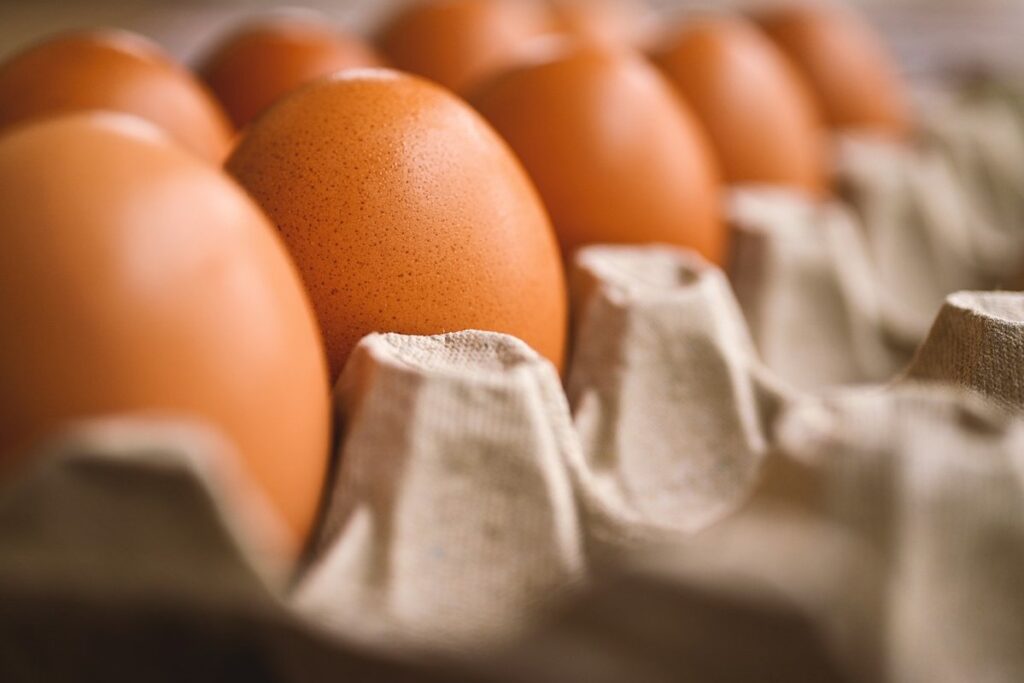
One of the most notable characteristics of Barred Rock chickens is the unique color of their eggs, which can vary from a light brown to a rich chocolate. Let’s dive into what makes these egg colors so distinctive.
What Causes the Brown and White Striped Pattern?
The genetics behind the brown and white striped pattern on Barred Rock chicken eggs is a fascinating topic. It’s all about the interaction between two types of melanin: eumelanin and pheomelanin. Eumelanin produces black and dark brown pigment, while pheomelanin produces red and yellow pigment. In Barred Rocks, the combination of these two types of melanin creates a unique pattern.
The white areas on the eggs are the result of little to no melanin production in those spots. Meanwhile, the brown stripes are produced by eumelanin, which accumulates in specific areas of the eggshell. The genetics that control this pattern are complex and involve multiple genes working together. It’s a bit like a puzzle: each gene contributes its piece, and when all the pieces fit together just right, you get the beautiful striped pattern we see on Barred Rock eggs.
As breeders, if you want to produce Barred Rocks with this distinctive eggshell pattern, you’ll need to focus on breeding for the specific combination of genes that create it. This involves a deep understanding of genetics and careful selection of birds with the desired traits.
Comparison with Other Chicken Breeds’ Eggs
When it comes to egg color, Barred Rocks stand out from other popular breeds. Let’s take a look at some of their closest competitors: Leghorns, Rhode Island Reds, and Marans.
Leghorn eggs are typically white or very light brown, with no visible shell texture. In contrast, Barred Rock eggs have a rich brown color with subtle blue undertones. This unique hue is a result of the breed’s mixed ancestry, which combines the vigor of Dominiques with the gentle disposition of Rocks.
Rhode Island Reds lay brown eggs with a slightly lighter tint than those of Barred Rocks. While they’re often associated with backyard chicken-keeping due to their hardiness and high egg production, Rhode Island Reds lack the distinctive blue undertones found in Barred Rock eggs.
Marans eggs are known for their dark, chocolate-brown color. Like Barred Rocks, Marans have a unique genetic makeup that produces this striking hue. However, the texture of Marans eggs is typically smoother than those of Barred Rocks, which often display visible shell markings.
If you’re considering adding Barred Rock chickens to your flock, don’t be surprised if their eggs stand out from those laid by other breeds.
Health Benefits of Eating Barred Rock Eggs
When it comes to barred rock eggs, many people are curious about their taste and nutritional value. Let’s explore the surprising health benefits of incorporating these eggs into your diet!
Nutritional Content and Benefits
When it comes to eating eggs from Barred Rock hens, you can rest assured that you’re getting an excellent source of nutrition. One of the key benefits of Barred Rock eggs is their high-quality protein content. Eggs are an ideal source of protein for anyone looking to build or repair muscle tissue, making them a popular choice among fitness enthusiasts and athletes.
In addition to protein, Barred Rock eggs are also rich in vitamins and minerals such as vitamin D, B12, and iron. Vitamin D is essential for maintaining strong bones and immune function, while vitamin B12 plays a crucial role in energy production and nerve function. Iron, on the other hand, helps to transport oxygen throughout the body, making it vital for healthy red blood cells.
When incorporating Barred Rock eggs into your diet, aim to eat them in moderation as part of a balanced meal. Try boiling or poaching your eggs instead of frying them to retain more nutrients. You can also use egg yolks as a creamy base for homemade salad dressings or sauces, making the most of their nutrient-dense goodness. With their impressive nutritional profile and versatility in cooking, it’s no wonder why Barred Rock eggs have become a favorite among health-conscious consumers.
Comparison with Store-Bought Eggs
When it comes to nutrition and quality, Barred Rock eggs are often compared to store-bought eggs. But what’s the real difference? Let’s dive into a comparison of the two.
In terms of nutritional content, both types of eggs are relatively similar. However, Barred Rock eggs tend to have higher levels of certain nutrients like vitamin A, E, and B12 due to their unique diet and living conditions. According to a study published in the Journal of Agricultural and Food Chemistry, pasture-raised eggs like those from Barred Rock chickens contain 2-3 times more omega-3 fatty acids than store-bought eggs.
One key difference between the two is the yolk quality. Store-bought eggs often have paler yolks due to the diet of the hens being fed primarily corn and soybeans, which can lead to lower levels of carotenoids like lutein and zeaxanthin. In contrast, Barred Rock eggs have richer, darker yolks thanks to their natural foraging habits.
To reap the benefits of Barred Rock eggs, consider purchasing from local farmers who raise their chickens on pasture. This will ensure that your eggs are not only higher in quality but also more nutritious and sustainable.
Tips for Raising Healthy Barred Rock Hens
To ensure your Barred Rock hens are thriving and laying plenty of beautiful eggs, it’s essential to provide them with optimal care. Here are some valuable tips for raising healthy Barred Rock hens.
Nutrition and Diet Requirements
As you’re raising healthy Barred Rock hens for their delicious eggs, it’s essential to ensure they receive a balanced diet that supports their egg-laying abilities and overall health. A well-planned nutrition plan is crucial for maintaining optimal egg production, feather quality, and overall well-being.
Barred Rock hens are medium-sized birds with moderate energy requirements. They need access to high-quality protein sources like layer feed or pellets, supplemented with fresh vegetables and fruits. Aim to provide about 16-18% of protein in their diet, which can be achieved by mixing commercial layer feed with grains like oats or barley.
In addition to a balanced commercial feed, consider adding the following items to your hens’ diet:
* Leafy greens like kale, spinach, or collard greens (rich in calcium and vitamins)
* Fresh fruits like berries, apples, or melons
* Oyster shells or crushed eggshells for added calcium
* Mealworms or chopped nuts as a source of protein
Remember to provide fresh water at all times and ensure a constant supply of grit to aid digestion. By following these guidelines, you’ll be well on your way to raising healthy Barred Rock hens that will reward you with an abundance of delicious eggs.
Health Issues Common in Barred Rocks
As a Barred Rock owner, it’s essential to be aware of the potential health issues that may affect your hens. While they are generally hardy birds, some common health problems can arise. Respiratory issues, for example, can be triggered by stress, dust, or mold in the coop. Symptoms include wheezing, coughing, and labored breathing. To prevent respiratory problems, ensure good ventilation in your coop, keep it clean, and provide a balanced diet.
Another issue that may affect Barred Rocks is broodiness. Some hens can become overly focused on incubating eggs, refusing to eat or drink, and leading to malnutrition. If you notice this behavior, try providing a fake egg or separating the hen from the rest of the flock for a few days. It’s also crucial to provide enough calcium and protein in their diet to prevent egg-binding issues.
Regular check-ups with a veterinarian can help identify any potential health issues early on, allowing for prompt treatment and prevention of more severe problems. Keep an eye out for any unusual behaviors or symptoms, and don’t hesitate to seek professional advice if you notice anything amiss.
Frequently Asked Questions
Can I expect consistent egg color from my Barred Rock hens?
Yes, while individual eggs may vary in shade, the overall pattern of brown and white stripes is a result of pigment deposition during eggshell formation. With proper nutrition and care, most Barred Rocks will consistently produce eggs with this characteristic striped pattern.
How do I ensure my Barred Rock chickens get enough nutrients for optimal egg production?
A balanced diet rich in protein, calcium, and other essential vitamins and minerals is crucial for healthy Barred Rock hens. Provide a high-quality layer feed as the main staple, supplemented with fresh fruits and vegetables to meet their nutritional needs.
Can I mix different breeds of chickens to create unique egg colors like those from Barred Rocks?
While you can crossbreed chickens to produce eggs with varying characteristics, replicating the exact brown-and-white striped pattern of Barred Rock eggs is challenging. The genetic combination that yields this specific trait is a result of careful breeding and selection within the Barred Rock breed.
How often should I collect eggs from my coop to maintain egg production?
Collecting eggs daily or every other day will not only keep your coop clean but also encourage hens to continue laying eggs. Make sure to handle the eggs gently to avoid damaging them, and consider using an egg carton to store them safely until you’re ready to use or sell them.
Can I raise Barred Rock chickens in colder climates without affecting their egg-laying abilities?
Yes, Barred Rocks are bred to thrive in cold climates, making them a suitable choice for backyard flocks in areas with harsh winters. However, ensure your coop provides adequate protection from wind and weather extremes, and take steps to maintain the health and well-being of your hens during these periods.