
Are you thinking of adding a new feathered friend to your backyard flock? If so, you might want to consider bringing home a Barred Rock hen. These charming birds have been a favorite among chicken enthusiasts for decades, and it’s easy to see why. With their distinctive black and white stripes, friendly personalities, and impressive egg-laying abilities, Barred Rock hens are a great choice for both beginners and experienced chicken keepers.
In this article, we’ll take a closer look at the origins, characteristics, health, and egg-laying habits of these lovely birds. We’ll cover everything you need to know about raising happy and healthy Barred Rock chickens in your backyard, from their nutritional needs to their potential for laying eggs. By the end of this guide, you’ll be well-equipped to welcome a new Barred Rock hen into your family and enjoy the many benefits they have to offer.
Understanding the Breed
As you consider bringing a Barred Rock chicken into your backyard flock, it’s essential to understand their unique characteristics and traits. Let’s delve into what makes these hens so special and suitable for many families.
Origin and History of the Barred Rock
The Barred Rock is an American breed that originated in the late 19th century. Developed from Black Java and White Cochin chickens, this breed was created to be a sturdy, egg-laying workhorse for small farms and homesteads. Its distinctive black and white striped plumage, also known as “barred” or “striped,” is one of its most recognizable features.
The Barred Rock’s history dates back to the 1880s when chicken breeding was at its peak in America. Breeders were seeking to create chickens that would thrive on small farms and homesteads, providing a steady supply of eggs without requiring too much space or feed. The result was the Barred Rock, a hardy and prolific layer that quickly gained popularity among backyard chicken keepers.
Today, the Barred Rock remains a beloved breed for its friendly demeanor, cold-hardiness, and impressive egg-laying abilities. With an average annual production of 200-220 large brown eggs, it’s no wonder why many small farmers and homesteaders swear by this reliable breed. If you’re considering adding a Barred Rock to your flock, be prepared for a loyal companion that will reward you with plenty of fresh eggs and affectionate personality!
Characteristics of the Barred Rock
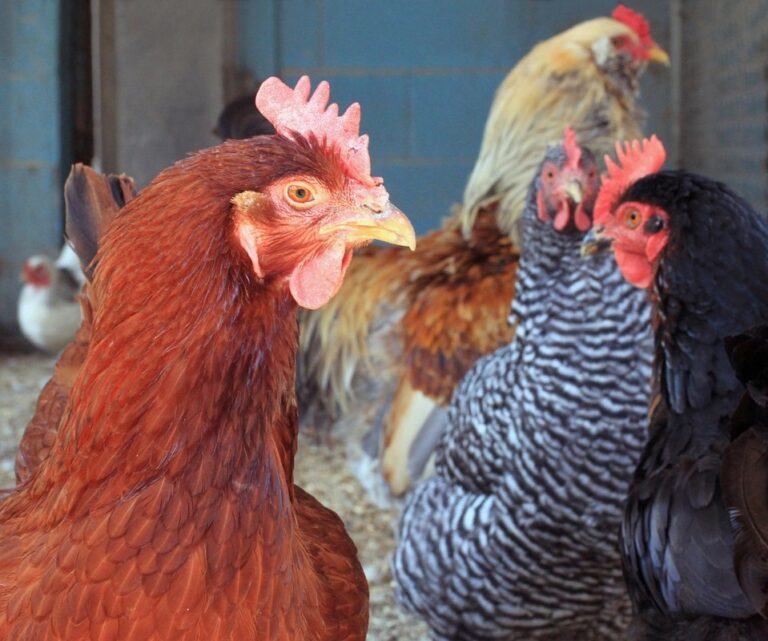
The Barred Rock hen is a beloved breed among backyard chicken keepers and farmers alike. Physically, this stunning bird stands out with its striking plumage. The most distinctive feature of the Barred Rock is its black and white striped feathers, reminiscent of a classic barber pole. This unique color pattern covers the entire body, from the sleek neck to the robust wings.
One of the notable characteristics of the Barred Rock hen is its impressive size. Mature hens typically weigh between 6-8 pounds (2.7-3.6 kg) and reach heights of about 20-24 inches (50-60 cm). Their sturdy build makes them well-suited for foraging and free-ranging.
But it’s not just their physical presence that sets the Barred Rock apart – their personality traits are equally endearing. Known for being friendly, docile, and easy-going, these hens make excellent additions to family farms or small-scale poultry operations. They’re also surprisingly hardy, capable of withstanding harsh weather conditions and adapting to various living arrangements. Whether you’re a seasoned farmer or an enthusiastic beginner, the Barred Rock hen is sure to become a cherished member of your flock.
Health and Nutrition
When it comes to keeping a happy and healthy Barred Rock chicken hen, nutrition plays a huge role in her overall well-being. In this section, we’ll explore essential dietary needs.
Diet and Feeding Requirements for Barred Rock Hens
As you provide for your Barred Rock hens’ dietary needs, it’s essential to ensure they receive a balanced diet that meets their nutritional requirements. A layer feed specifically formulated for laying hens should be the foundation of their diet. This type of feed is designed to support egg production and provides the necessary nutrients for optimal health.
However, you may also want to consider supplementing with calcium-rich foods like crushed oyster shells or dark leafy greens to promote strong bone growth and prevent shell deformities. Avoid over-supplementing, as this can lead to an imbalance in their diet.
Treats should be given in moderation – about 10% of their daily intake – and should include nutrient-dense options like fruits, vegetables, and whole grains. Some examples of healthy treats for your Barred Rock hens include: chopped carrots, sliced apples, and cooked brown rice. Avoid giving them high-sugar foods or processed snacks.
By following these guidelines, you can help ensure that your Barred Rock hens receive a well-rounded diet that supports their overall health and egg production.
Common Health Issues Affecting Barred Rock Hens
As a Barred Rock hen owner, it’s essential to be aware of potential health issues that may affect your feathered friends. One common problem is parasites like mites and lice, which can cause discomfort, stress, and even lead to secondary infections if left untreated. Regularly check for signs of these pests, such as excessive preening or restlessness, and take prompt action with a suitable treatment.
Diseases are another significant concern for Barred Rock hens. Marek’s disease is a viral condition that affects young chickens and can cause neurological symptoms like tremors, paralysis, and even death. Implementing vaccination protocols and maintaining strict biosecurity measures can help prevent the spread of this disease. Avian influenza is also a threat, particularly during outbreaks. Monitor local news and take immediate action if an outbreak occurs in your area.
If you notice any unusual behavior or physical changes in your hens, consult with a veterinarian experienced in poultry care to determine the best course of action. By staying informed and proactive, you can help protect your flock from these common health issues.
Breeding and Raising Barred Rock Chicks
Raising Barred Rock chicks requires careful planning and attention to detail, from incubation to hatching and beyond. In this next part of our guide, we’ll walk you through the process step by step.
Choosing the Right Mating Stock for Your Barred Rock Hen
When selecting breeding stock for your Barred Rock hen, it’s crucial to consider several key factors to ensure a successful and healthy flock. Breed compatibility is one of the most critical aspects to consider. If you’re looking to breed Barred Rock chicks, it’s best to use purebred or high-quality mixed-breed roosters that are known for their strong fertility and temperament.
Age is also an essential factor when choosing breeding stock. A mature rooster with good health and vigor is essential to produce healthy and robust chicks. Typically, a rooster should be at least two years old before being used as breeding stock. This allows him to reach his full potential in terms of fertility and overall health.
In addition to breed compatibility and age, it’s also vital to consider the health of your breeding stock. Look for birds that are free from genetic defects and have a strong immune system. Regular veterinary check-ups can help identify any potential health issues early on.
Raising Baby Chicks: Tips for Successful Hatch and Growth
Raising baby chicks requires careful attention to their environment and growth. Start by creating a safe brooding space with adequate ventilation, warmth, and humidity. A heat source is essential, but be cautious not to overheat the chicks. Aim for 90-100°F (32-38°C) in the first week, gradually reducing the temperature as they grow.
Monitor their growth closely, ensuring they have access to fresh water and a starter feed specifically formulated for young chickens. Introduce them to a flock when they’re around 4-5 weeks old, but do so gradually to prevent pecking order issues. To minimize cannibalism, provide plenty of space (about 2-3 square feet per bird) and ensure the chicks are evenly distributed among adult birds.
Some common problems can arise during this period. Be prepared for potential issues by knowing the signs of respiratory infections or stress-related problems. With a watchful eye and some basic knowledge, you’ll be well-equipped to raise healthy Barred Rock chicks that will thrive in your flock. Keep an eye on their behavior and adjust their environment as needed to prevent common problems from developing.
Egg Production and Laying Habits of Barred Rock Hens
When it comes to egg production, barred rock hens are a reliable choice, averaging around 200-220 brown eggs per year. Let’s take a closer look at their laying habits and what you can expect from your flock.
Average Egg Production Rate per Year
When it comes to egg production, mature Barred Rock hens are known for their impressive annual output. On average, a healthy and well-cared-for Barred Rock hen will lay around 280-300 large brown eggs per year. However, this number can vary depending on several factors.
Proper nutrition plays a significant role in influencing a hen’s egg-laying performance. A balanced diet rich in protein, calcium, and other essential nutrients is crucial for maintaining optimal health and fertility. For example, a study found that hens fed with a high-quality layer feed produced 10-15% more eggs than those on a standard feed.
Other factors such as lighting, temperature, and stress levels can also impact egg production. Providing your Barred Rock hens with adequate light, ventilation, and a calm living environment is essential for maintaining their reproductive health.
To maximize your Barred Rock hens’ egg-laying potential, make sure to provide them with the best possible care. This includes regular vaccinations, parasite control, and monitoring of their overall health.
Factors That Affect Egg-Laying Performance in Barred Rocks
A Barred Rock hen’s ability to produce eggs consistently is influenced by several key factors. Nutrition plays a crucial role, with a balanced diet rich in protein, calcium, and vitamins essential for healthy egg production. A hen that’s malnourished or lacking in essential nutrients may struggle to lay eggs regularly.
Health issues can also impact a Barred Rock’s egg-laying performance. Respiratory problems, parasites, and diseases like Marek’s disease can all affect a hen’s ability to produce eggs. Keeping your flock healthy through regular vaccinations, monitoring for signs of illness, and providing a clean and safe living environment is vital.
Age is another critical factor in determining a Barred Rock’s egg-laying performance. Most hens will begin laying eggs at around 18-24 weeks of age, with production peaking between one to two years old. As they get older, hens may slow down or stop producing eggs altogether.
Effective management practices are also essential for encouraging consistent egg-laying from your Barred Rock hens. Providing adequate light, space, and temperature can help optimize production. Regular egg collection and maintaining a clean coop will also help reduce stress and promote healthy behavior.
Tips for Keeping Healthy and Happy Barred Rock Hens
If you’re a proud owner of Barred Rock hens, keeping them healthy and happy is crucial to their well-being and your enjoyment of raising them. This section shares some valuable tips on doing just that.
Creating an Optimal Living Environment for Your Flock
When it comes to keeping your Barred Rock hens happy and healthy, providing an optimal living environment is crucial. A well-designed coop or run can make all the difference in their overall well-being. First and foremost, ventilation is key. Ensure that there are adequate windows and vents to allow for airflow and prevent the buildup of ammonia from droppings. Aim for at least 2-3 square feet of ventilation per hen.
Lighting is also essential, as Barred Rock hens require around 14 hours of daylight to maintain their natural circadian rhythms. Consider installing LED lights that mimic natural sunlight or providing supplemental lighting in the form of windows with a southern exposure. When it comes to space requirements, make sure each hen has at least 3-4 square feet of floor space and 5-6 feet of roosting bar. This will allow them to move around comfortably and prevent overcrowding.
Remember, a happy and healthy flock starts with a well-designed coop or run. Take the time to research and plan accordingly to create an optimal living environment for your Barred Rock hens.
How to Encourage Natural Behavior in Your Barred Rocks
When it comes to creating an environment that encourages natural behavior in your Barred Rock hens, there are several strategies you can implement. First and foremost, make sure they have access to plenty of space to roam and exercise. This will allow them to engage in essential behaviors like scratching and pecking.
Provide a designated dust bathing area where they can settle in and get dirty – this is crucial for their overall health and well-being. A shallow dish or pan filled with sand or a specialized dust bath mix works perfectly. You’ll also want to ensure that your hens have a variety of perches available, both horizontal and vertical, to allow them to stretch out and exercise their wings.
Incorporating natural elements like logs, branches, and leaves into the coop can also encourage foraging behavior, which is essential for their digestive health. By mimicking the outdoors, you’ll be creating an environment that stimulates your hens’ minds and keeps them active. Remember, a happy hen is a healthy one!
Common Questions About the Barred Rock Chicken Hen Answered
If you’re new to raising Barred Rocks, you might have some questions about these amazing hens. We’ll tackle some of the most common queries we’ve received from readers who are just starting out.
Frequently Asked Questions (FAQs)
Are Barred Rock chickens noisy and will they disturb my neighbors? One of the most common concerns for backyard chicken keepers is noise level. The good news is that while Barred Rocks do cluck, they are relatively quiet compared to some other breeds. They typically make around 30-40% less noise than Leghorns or other high-strung breeds.
Another question we get asked frequently is about egg production. Will my Barred Rock hen lay plenty of eggs? Yes! On average, a healthy adult Barred Rock hen will produce around 200 large brown eggs per year. They are considered prolific layers and are known for their consistent production throughout the year.
Can I keep just one Barred Rock as a pet or do they need to be in pairs or groups? While it’s possible to keep a single Barred Rock, they are social birds and thrive best in the company of others. Keeping at least two will provide entertainment, companionship, and make caring for them much easier.
If you’re new to chicken keeping, how can I ensure my Barred Rock is happy and healthy? Providing a safe and enriching environment with adequate space, fresh food, water, and regular social interaction will go a long way in keeping your flock happy and thriving.
Conclusion: Why Choose the Barred Rock Hen?
If you’re considering adding a new hen to your backyard flock or farm, we’ve hope you found this article informative and helpful. As we conclude our discussion about the Barred Rock chicken hen, let’s summarize some of the key points that make them an excellent choice for many backyard chicken keepers.
Their hardiness and reliability are just a few reasons why they’re such a great addition to any flock. With their robust build and calm demeanor, they can thrive in a variety of environments – from small backyards to larger farms. Plus, they’re relatively low-maintenance when it comes to health issues, making them a great choice for those new to chicken keeping.
Whether you’re looking to add some eggs to your daily routine or simply enjoy the companionship of these lovely birds, the Barred Rock hen is definitely worth considering. With proper care and attention, they can live up to 10-12 years, providing you with years of entertainment and delicious eggs to boot! So why not give them a try? We’re confident that once you’ve experienced life with a Barred Rock hen, you’ll wonder how you ever lived without one.
Frequently Asked Questions
What’s the ideal flock size for a Barred Rock hen?
A well-socialized Barred Rock hen can thrive in a small backyard flock of 2-3 hens, but if you have more space and resources, consider adding up to 5-6 birds. Just remember to provide enough feeders, waterers, and perches for each bird.
How often should I collect eggs from my Barred Rock hen?
As prolific layers, your Barred Rock hen will deposit an egg almost daily, so it’s essential to collect them frequently to prevent breakage and maintain cleanliness. Aim to collect eggs twice a day, ideally in the morning and late afternoon.
Can Barred Rock hens be kept alone if I have limited space?
While Barred Rocks are social birds, they can adapt to being kept solo if necessary. However, it’s crucial to provide plenty of enrichment activities, toys, and attention to prevent boredom and stress.
How do I identify potential health issues in my Barred Rock hen?
Regularly monitor your bird’s behavior, appetite, and droppings for signs of illness or discomfort. Look out for changes in egg production, lethargy, or difficulty breathing, which can indicate health problems like respiratory infections or reproductive issues.
Can I breed my Barred Rock hen with other breeds to create new hybrid offspring?
While it’s technically possible to crossbreed your Barred Rock hen with other breeds, the resulting offspring may not inherit desirable traits from both parents. It’s recommended to stick with purebred Barred Rocks or carefully select compatible breeds for better results.