
If you’re raising Barred Rock chickens for their beautiful eggs, you’re probably curious about the fascinating science behind their eggshell hues. The vibrant blue-green color of these eggs is more than just a visual delight – it’s also an indicator of your flock’s overall health and well-being. But have you ever wondered what factors contribute to this unique color? From the intricate dance of genetics to the subtle influences of environmental conditions, there are many variables at play. In this article, we’ll delve into the world of Barred Rock chickens egg color, exploring the complex interplay between genetic predisposition and external factors that affect their eggshell colors. By understanding what affects your flock’s eggs, you can take steps to optimize their production and beauty.
The Barred Rock Breed Overview
Let’s dive into what makes the Barred Rock breed so special, and explore their unique characteristics that affect their egg color. We’ll examine their history and origins to better understand this beloved breed.
Brief History of Barred Rock Chickens
The Barred Rock breed has its roots in England, where it was developed in the late 19th century. The exact origin is unclear, but it’s believed to be a cross between a Cochin and a Brahma breed. The goal was to create a hardy, dual-purpose chicken that excelled at both egg production and meat quality.
In the early 1900s, the Barred Rock made its way to North America, where it quickly gained popularity due to its impressive characteristics. American farmers appreciated its ability to thrive in various climates and adapt to different living conditions. The breed’s robust build and friendly demeanor also made it a favorite among backyard chicken keepers.
The introduction of the Barred Rock to North America marked the beginning of its journey as one of the most sought-after breeds in the country. Its popularity can be attributed to its unique egg-laying abilities, which we’ll explore further in this post. By understanding the breed’s history and origins, you’ll gain a deeper appreciation for why the Barred Rock is so well-suited for many backyard flocks.
Key Characteristics of Barred Rock Chickens
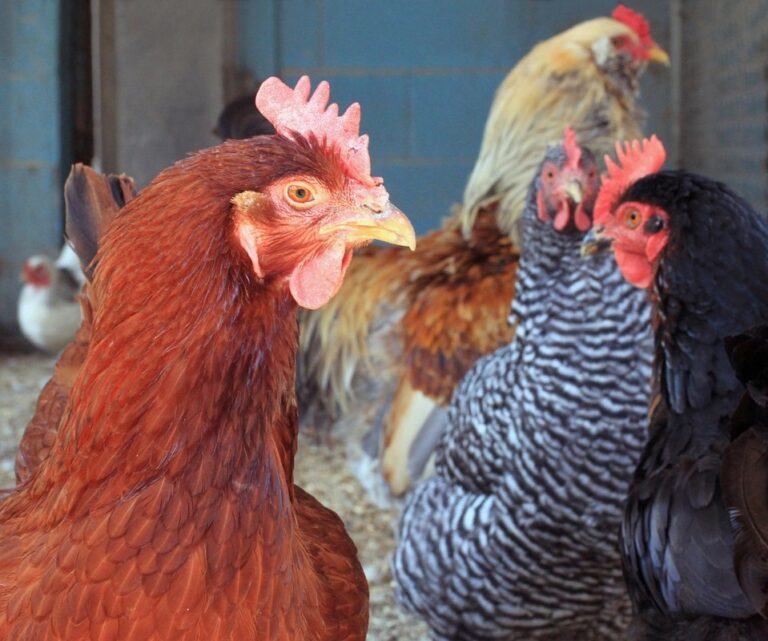
One of the most distinctive features of Barred Rock chickens is their unique black and white feather patterns. This striking coloration is a result of their genetics, with each bird having two types of melanin-producing cells that create the characteristic “barred” effect. The feathers have alternating bands of black and white, giving the birds an attractive mottled appearance.
In terms of body size, Barred Rocks are considered a medium-sized breed, weighing between 4-6 pounds (1.8-2.7 kg) for hens and 5-7 pounds (2.3-3.2 kg) for roosters. This makes them an excellent choice for backyard flocks or small farms, as they don’t require a lot of space to roam.
Temperament-wise, Barred Rocks are known for their friendly and docile nature. They’re often described as gentle giants, getting along well with other breeds and even children. With proper care and socialization, Barred Rock chickens can make wonderful pets or additions to your backyard flock.
Understanding Egg Color
So, you’re curious about why Barred Rock eggs come in a variety of colors? Let’s explore how breed, genetics, and nutrition influence the final egg color.
The Science Behind Eggshell Coloration
Eggshell coloration is determined by genetics, specifically the interaction between two pigments: oocyanin and porphyrins. Oocyanin produces brown pigment, responsible for the rich, dark tones seen in Barred Rock chicken eggs. Porphyrins, on the other hand, contribute to blue and green hues.
The combination of these pigments results in a wide range of eggshell colors. For instance, eggs with more oocyanin tend to be darker brown, while those with less have a lighter, creamier tone. Similarly, porphyrins influence the intensity of blue and green colors. In Barred Rock chickens, you’ll often see shades ranging from light tan to deep chocolate.
Interestingly, genetics also play a role in eggshell color variation within breeds. For example, some breeds like Araucanas lay blue eggs due to an excess of porphyrin pigmentation. However, the exact shade and intensity can vary significantly depending on individual genetic makeup.
To breed Barred Rock chickens with consistent, high-quality egg colors, focus on maintaining a diverse gene pool and selecting birds with desirable traits. By understanding the science behind eggshell coloration, you’ll be better equipped to make informed breeding decisions that enhance your flock’s overall health and fertility.
Factors Influencing Eggshell Color
Eggshell color is influenced by a complex interplay of genetic and environmental factors. As an owner of Barred Rock chickens, you may notice that their egg colors can vary due to changes in diet, age, and health status.
Diet plays a crucial role in determining the final hue of your eggs. For example, a diet rich in yellow or orange pigments can result in eggs with a more vibrant brown color. This is because these pigments are produced in the oviduct and deposited onto the eggshell as it passes through. In contrast, a diet low in these pigments may produce paler or lighter-colored eggs.
Age also affects eggshell color. Young hens tend to lay smaller, pale-colored eggs due to their still-developing reproductive systems. As they mature, their egg production increases and so does the intensity of the egg colors. Additionally, health issues such as stress, illness, or nutritional deficiencies can impact pigment production and result in abnormal egg colors.
Practically speaking, what can you do to encourage healthy, evenly colored eggs? Ensure your flock is getting a balanced diet rich in essential nutrients and maintain their overall health through regular vaccinations and parasite control.
Barred Rock Chickens’ Egg Color: What to Expect
So, you’re curious about the egg color of your Barred Rocks? Let’s dive into what you can realistically expect from their eggs in terms of color and consistency.
Average Egg Size and Weight
When it comes to Barred Rock chickens, one of the most frequently asked questions is about their egg size and weight. As a breeder or owner of these lovely birds, you’re likely curious to know what to expect from their eggs.
On average, Barred Rock eggs fall within the medium to large range in terms of size. You can typically expect them to be around 1.75 inches long and 2-3 ounces (57-85 grams) in weight. However, it’s not uncommon for some hens to lay larger or smaller eggs depending on various factors such as their age, nutrition, and health.
In fact, a study conducted by the University of California found that Barred Rock chickens laid an average of 280 large eggs per year. While this is impressive, it’s worth noting that individual birds can vary significantly in terms of egg size and weight. Some may lay smaller eggs, especially during their first year of laying, while others may consistently produce larger eggs.
If you’re keeping track of your Barred Rock hens‘ production, a good rule of thumb is to expect around 2-3% variation in egg size per month. This means that if an individual hen lays large eggs one month, she may lay smaller ones the next.
Frequency of Different Eggshell Colors
When it comes to Barred Rock chickens’ egg color, you might be wondering what kind of eggs to expect. While their distinctive barred feathers are a dead giveaway, the eggshell colors can vary from one flock to another.
Typically, about 70-80% of Barred Rocks lay brown eggs with varying shades of light to dark brown. These eggs tend to be speckled or have a reddish tint around the large end. If you’re lucky, some Barred Rock hens might even produce blue or green eggs, although this is less common and usually occurs when there’s a genetic variation in their eggshell production.
A small percentage of Barred Rocks (around 10-20%) may lay blue eggs with a more pronounced blue tint. These eggs are often described as “robin’s egg” blue, thanks to the vibrant color reminiscent of robins’ eggs.
It’s essential to note that eggshell colors can also be influenced by factors such as diet and nutrition, so it’s possible for your Barred Rock hens to lay different colored eggs depending on their environment.
Tips for Improving Egg Color
If you’re eager to upgrade your barred rock chicken eggs, we’ve got some insider tips on how to enhance their natural colors and add a pop of vibrancy to your collection.
Dietary Considerations for Enhanced Pigmentation
When it comes to enhancing eggshell pigmentation in Barred Rock chickens, dietary considerations play a crucial role. To produce eggs with vibrant colors, you’ll want to focus on feeding nutrient-rich foods and supplements that promote healthy pigmentation.
Start by incorporating dark-colored fruits and vegetables into your flock’s diet, such as leafy greens like kale or spinach, beets, and berries. These foods are rich in antioxidants and other beneficial compounds that support the production of melanin, the pigment responsible for eggshell coloration.
In addition to these foods, consider adding supplements specifically formulated for poultry health. Omega-3 fatty acids, vitamin E, and biotin are all essential nutrients that can help promote healthy pigmentation. You can also try adding crushed oyster shells or eggshells to your flock’s diet, as they contain calcium carbonate, a natural source of minerals that support strong eggshell development.
By making these dietary adjustments, you may notice an improvement in the color intensity and overall appearance of your Barred Rock chickens’ eggs. Remember to always provide a balanced and varied diet for your flock, and consult with a veterinarian or poultry expert if you have any concerns about their nutritional needs.
Health Factors Affecting Egg Quality
When it comes to maintaining optimal flock health and ensuring the quality of our Barred Rock chickens’ eggs, several key health factors come into play. One of the primary concerns is disease prevention. Healthy flocks are essential for producing high-quality eggs, and regular vaccinations and parasite control measures can help prevent common issues such as respiratory infections and mites.
Proper nutrition also plays a crucial role in egg quality. A well-balanced diet rich in nutrients will support the overall health of your flock, which in turn will translate to healthier eggs. Providing access to fresh water at all times is another vital consideration.
Inadequate care can lead to stress, which negatively impacts both the birds and their eggs. Monitor for signs of disease or discomfort and address any issues promptly. This may include adjusting feeding schedules or adding supplements as needed.
Regular health checks can also help identify potential problems early on. Keep a close eye on your flock’s overall health, and be prepared to seek professional advice if you notice any unusual changes.
Special Considerations for Barred Rock Breeders
If you’re planning to breed Barred Rocks, it’s essential to consider their unique genetic traits and temperament when creating a breeding program. This can help prevent potential health issues in your flock.
Selective Breeding for Desired Traits
Selective breeding has been a crucial factor in shaping the Barred Rock breed into what it is today. By carefully selecting individuals with desirable traits, breeders can influence the production of eggs with specific color characteristics. When breeding for egg color, breeders look for chickens that produce eggs with a high concentration of pigments such as porphyrins and protoporphyrins.
These pigments are responsible for giving eggs their characteristic blue or green tint. By selecting birds that lay eggs with these pigments, breeders can increase the chances of producing offspring that will lay eggs with similar color characteristics. For example, if a breeder is looking to produce more blue-green eggs, they may select parents that consistently lay eggs in this range.
Breeders can use various techniques to identify potential breeding stock, including monitoring egg production and observing the birds’ overall health. By doing so, breeders can make informed decisions about which individuals to breed together, increasing the likelihood of producing desired traits such as blue or green eggs.
Challenges and Opportunities in Improving Egg Color
Breeding for desirable egg color traits in Barred Rock chickens comes with its set of challenges. One major concern is maintaining the overall health of the flock while introducing new genetic variations. Selective breeding can lead to a narrowing of gene pools, making flocks more susceptible to diseases and reducing their adaptability to changing environments.
On the other hand, there are opportunities for innovation and improvement in egg color traits. For instance, breeders could explore incorporating genetic diversity from other breeds or using advanced technologies like DNA testing to identify genes associated with desirable traits. Another opportunity lies in focusing on overall flock health and well-being, which can indirectly impact egg color by creating a healthier and more resilient population.
By adopting a holistic approach that balances breeding goals with overall flock health, breeders can create Barred Rock chickens that not only lay beautiful eggs but also thrive as individuals. This involves regular health checks, maintaining open gene pools, and being mindful of linebreeding. By doing so, breeders can improve egg color while ensuring the long-term sustainability of their flocks.
Conclusion: Appreciating the Diversity of Barred Rock Eggs
As we’ve explored the unique characteristics that influence the color of Barred Rock eggs, let’s take a moment to appreciate their diversity and individuality. Each egg is a small masterpiece in its own right.
Recap of Key Points on Barred Rock Chickens’ Egg Color
As we conclude our exploration of Barred Rock chickens’ egg color, let’s recap the key points that have emerged. The eggshell coloration of these birds is influenced by a combination of genetic and environmental factors. From previous sections, we’ve learned that genetics play a significant role in determining eggshell color, with breed-specific genes contributing to the characteristic light brown or tan tint.
The interaction between genetics and environment also affects the final outcome. For instance, dietary intake can impact the shell’s hardness and pigmentation. A balanced diet rich in calcium, phosphorus, and other essential nutrients supports healthy shell development. Conversely, a deficiency in these nutrients may lead to softer, more fragile shells or altered coloration.
In terms of practical application, understanding these factors can help you predict and potentially influence your Barred Rock’s eggshell color. By providing a well-rounded diet and maintaining a clean, stress-free environment, you can support the development of healthy, attractive eggs. This knowledge will also enable you to make informed decisions when selecting breeding stock or choosing the right supplements for your flock.
Encouragement to Experiment and Observe
As you continue on this journey of exploring the world of Barred Rock chickens and their eggs, we encourage you to take the next step: experiment and observe for yourself. One of the most rewarding experiences is to collect data from your own flock or engage with breeding communities to gain hands-on experience with the complexities of egg color variation.
This might involve setting up a notebook to track egg colors, patterns, and shades as they emerge from your chickens’ nesting boxes. You’ll be surprised at how much information you can gather by simply observing and recording these details. For instance, are there certain breeds or combinations that produce more consistent results? Are there any noticeable correlations between diet, environment, or genetics?
Join online forums or visit local chicken-keeping communities to connect with fellow enthusiasts who have spent years studying the intricacies of egg color. Share your findings, ask questions, and learn from others who may have encountered similar challenges or successes. With patience and persistence, you’ll begin to unravel the mysteries behind the incredible diversity of Barred Rock eggs.
Frequently Asked Questions
How Can I Ensure Consistent Egg Color in My Flock?
Ensure consistent egg color by maintaining a balanced diet, providing access to fresh water, and ensuring proper ventilation in the coop. Additionally, consider supplementing with calcium-rich foods to promote strong eggshell production.
What Factors Contribute to Variable Eggshell Colors in Barred Rock Chickens?
Variable eggshell colors can be attributed to genetic variation within the flock, as well as external factors like diet, age, and stress levels. Maintaining a healthy balance of nutrients, minimizing stress, and providing access to fresh water can help regulate eggshell color.
Can I Use Supplements to Enhance Egg Color in My Barred Rock Chickens?
Yes, using supplements rich in omega-3 fatty acids or antioxidants may enhance egg color, but be cautious not to over-supplement. Consult with a veterinarian or poultry expert to determine the best approach for your flock’s specific needs.
How Do I Determine if Changes in My Flock’s Diet are Affecting Egg Color?
Monitor your flock’s diet and egg production closely, making adjustments as necessary. Consider keeping a record of dietary changes and corresponding egg color shifts to identify correlations.
Can Barred Rock Chickens with Different Egg Colors be Bred Together?
Breed selection is crucial when aiming for specific traits like egg color. While breeders can select for desired characteristics, breeding birds with distinct egg colors may not yield predictable results without careful genetic analysis and selection strategies.