
If you’re looking to add some charm and productivity to your backyard, consider introducing Barred Rock chickens pullets into your flock. These attractive and hardy birds have been a favorite among chicken keepers for decades, and it’s easy to see why – they’re excellent egg-layers, friendly, and relatively low-maintenance. But with so many breeds to choose from, how do you know if the Barred Rock is right for you? In this article, we’ll dive into the world of Barred Rock chickens pullets, exploring their history, characteristics, and specific needs when it comes to nutrition, health, housing, and more. Whether you’re a seasoned chicken keeper or just starting out, our expert advice will help you make the most of these fantastic birds and get the best egg-laying potential from your new additions.
Introduction to Barred Rock Chickens
Let’s start by learning more about these friendly and hardy birds, known for their distinctive appearance and gentle nature, making them a great addition to any backyard flock.
Origins and History of the Breed
The Barred Rock breed has its roots in the early 20th century, when chicken breeding was on the rise. Developed by William Cook in the state of Massachusetts in 1845, this hardy and versatile bird quickly gained popularity among farmers for its excellent egg-laying abilities and robust constitution. The breed’s unique appearance, characterized by distinctive black and white barred feathers, made it an attractive addition to backyard flocks.
As the demand for high-quality chicken breeds grew, Cook’s original strain of Barred Rocks was refined over time through careful breeding and selection. By the early 1900s, the breed had spread throughout the United States, becoming a staple among small-scale farmers and homesteaders due to its ease of management and adaptability.
Throughout the years, the Barred Rock has undergone some slight changes in appearance and temperament but remains largely true to its original form. Today, this beloved breed is cherished by backyard chicken enthusiasts for its friendly demeanor, high egg production, and low-maintenance care requirements. Whether you’re a seasoned farmer or a beginner looking to start your flock, the Barred Rock is an excellent choice that’s sure to bring joy and fresh eggs to your life.
Brief Overview of the Characteristics
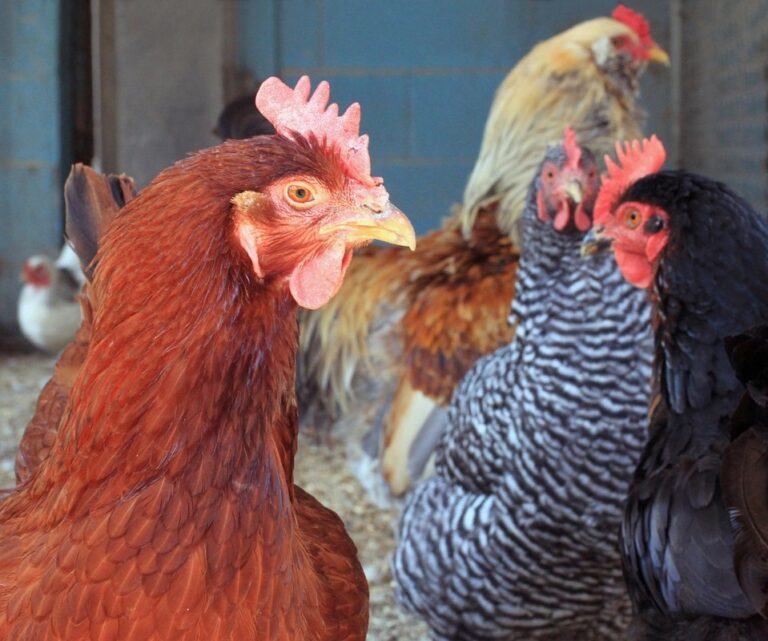
The Barred Rock chicken is a beloved breed among backyard flock owners and enthusiasts alike. One of the first things you’ll notice about this bird is its striking appearance. They have a distinctive black and white barred pattern on their feathers, which covers their entire body including their wings, tail, and head. This unique coloring makes them stand out in any coop or farmyard.
But it’s not just their looks that make Barred Rocks so special – their temperament is also a big part of their charm. These birds are known for being friendly, docile, and easy-going, making them an excellent choice for families with children or for beginners who want a low-maintenance flock member. They’re also relatively quiet compared to some other breeds, which makes them perfect for suburban areas.
In terms of hardiness, Barred Rocks are built to last. They’re disease-resistant and can thrive in a variety of climates, making them an excellent choice for farmers or homesteaders who need a reliable source of eggs and meat. With proper care and attention, these birds can live for 5-7 years, providing you with plenty of time to enjoy their companionship and benefits.
Choosing the Right Barred Rock Pullets
When selecting the perfect barred rock pullet for your flock, it’s essential to consider several key factors to ensure a harmonious and thriving environment. Let’s explore what makes a great barred rock pullet candidate.
Factors to Consider Before Purchasing
When selecting Barred Rock pullets for your flock, there are several key factors to consider before making a purchase. First and foremost, think about egg-laying potential. If you’re looking for a high-producing breed, the Barred Rock is a good choice, laying around 200-220 brown eggs per year. However, if you’re looking for a more laid-back breed that focuses on foraging, another breed might be a better fit.
Temperament is also an essential consideration when choosing your pullets. The Barred Rock is known for its friendly and docile nature, making it a great choice for families with children or for those who are new to backyard chicken keeping. They’re also relatively quiet compared to some other breeds, which can be a plus if you live in close proximity to neighbors.
Health considerations are another important factor to think about when selecting your pullets. Look for breeders who offer healthy birds with good immune systems and no signs of disease or parasites. Make sure to ask plenty of questions before purchasing, such as the parent stock used, vaccination history, and any health guarantees provided.
Where to Buy Healthy Barred Rock Pullets
When it comes to purchasing healthy Barred Rock pullets, it’s essential to find reputable sources that prioritize the well-being of their birds. One option is to contact local breeders directly. Reputable breeders will be transparent about their breeding practices and can provide you with a healthy selection of pullets. Look for breeders who offer guaranteed vaccinations, clean living conditions, and proper nutrition.
Another source is hatcheries that specialize in heritage breeds like the Barred Rock. These hatcheries typically have a wide range of birds available and often offer detailed information on their breeding practices and health guarantees. Some popular online hatcheries include Meyer Hatchery and Metzer Farms. Online marketplaces can also be a good option, but make sure to research the seller thoroughly before making a purchase.
When buying from any source, ensure that you’re getting pullets that are at least 16 weeks old and have been vaccinated against common diseases. Ask about health guarantees and return policies in case you receive birds with health issues.
Caring for Your Barred Rock Chickens
Now that you’ve brought your new Barred Rock pullets home, it’s essential to know how to care for them properly, ensuring they stay happy and healthy. In this section, we’ll cover the basics of their daily needs.
Nutrition and Feeding Requirements
When it comes to nutrition and feeding your Barred Rock pullets, you want to ensure they’re getting everything they need to stay healthy and thrive. A balanced diet is essential for growth, egg production, and overall well-being.
A good quality layer feed should make up the bulk of their diet, providing a mix of protein, vitamins, and minerals specifically formulated for laying hens. However, you can also supplement with fresh fruits and vegetables to add variety and ensure they’re getting all the nutrients they need. Leafy greens like kale and spinach are great options, as well as carrots, apples, and berries.
Feeding schedules can vary depending on their age and production level, but a general rule of thumb is to feed them twice a day until they’re about six months old. Then, you can switch to free-choice feeding, allowing them to graze throughout the day as needed. Remember to always provide fresh water and a source of calcium, such as crushed oyster shells or dark leafy greens, to support strong eggshell production.
When introducing new foods or supplements, do it gradually to prevent digestive upset. A 10-15% increase in food intake over time is also recommended to avoid overfeeding. By paying attention to your pullets’ individual needs and adjusting their diet accordingly, you’ll be well on your way to raising happy, healthy Barred Rock chickens.
Health Considerations and Common Issues
As a Barred Rock chicken owner, it’s essential to be aware of potential health issues that can affect your pullets. One common problem is parasites such as mites and lice, which can cause discomfort, stress, and even anemia if left unchecked. Regularly inspecting your birds’ feathers and checking for signs of these pests can help you catch them early.
Diseases like Marek’s disease and avian influenza are also a concern, especially in young chickens like pullets. Vaccinations and maintaining good biosecurity practices can reduce the risk of infection. However, even with precautions, it’s not uncommon for backyard flocks to experience minor health issues.
To prevent injuries, ensure your coop and run provide adequate space and protection from predators. This includes installing sturdy fencing, covering windows, and securing any loose objects that could cause harm. Regular cleaning and disinfecting can also help maintain a healthy environment for your birds. By being proactive about parasite control, vaccinations, and environmental factors, you can minimize the risk of health issues in your Barred Rock pullets.
Housing and Environmental Considerations
When it comes to raising barred rock chickens, providing a safe and healthy environment for your pullets is crucial. This includes setting up suitable housing and taking steps to minimize environmental impact on both birds and yard.
Providing Adequate Space and Ventilation
When it comes to housing your Barred Rock pullets, providing adequate space and ventilation is crucial for their health, happiness, and well-being. A cramped coop can lead to stress, disease, and a host of other problems that’ll make you regret getting chickens in the first place!
So, what does “adequate” mean? For a small flock like yours, a good rule of thumb is to allocate at least 3-4 square feet per bird inside the coop. This will give them enough room to move around comfortably and won’t make them feel claustrophobic or aggressive towards each other.
But space isn’t everything – ventilation is just as important! A well-ventilated coop will help keep your flock cool in summer, dry in winter, and reduce the risk of respiratory problems. Aim for at least 2 square feet of windows per bird to provide adequate airflow. Remember to position these windows wisely, so they catch both morning sun and prevailing breezes.
To maximize space and ventilation, consider a multi-level coop design or a clever use of nesting boxes and roosting bars. For example, you can install a ladder leading up to a loft area where your girls can escape the heat or dust below.
Tips for Creating a Safe and Comfortable Environment
When introducing barred rock chickens pullets to your backyard flock, it’s essential to create a safe and comfortable environment that promotes their well-being. This includes providing adequate nesting boxes, roosting bars, and perches.
For nesting boxes, consider installing one box for every 3-4 hens, with a minimum size of 12 inches wide x 12 inches deep x 18 inches tall. Place the boxes in a quiet, dry area where your pullets can feel secure laying eggs. You may also want to add some nesting material like straw or wood shavings to make them more appealing.
Roosting bars are crucial for barred rock chickens, allowing them to stretch their wings and take breaks from foraging. Install roosting bars at a height of about 3-4 feet off the ground, with enough space between each bar for your pullets to comfortably land and settle in. Perches should be sturdy and placed throughout the coop or run to provide additional perching options.
By following these tips, you can create a comfortable environment that promotes healthy growth and development in your barred rock chickens pullets.
Egg-Laying Potential and Expectations
As you consider bringing barred rock chickens into your flock, it’s essential to understand their egg-laying potential so you can plan accordingly. Let’s dive into what you can realistically expect from these lovely pullets.
Understanding Barred Rock Chickens’ Egg-Laying Cycle
As you wait for your Barred Rock pullets to mature and start laying eggs, it’s essential to understand their egg-laying cycle. This will not only help you manage expectations but also ensure that you’re providing the best possible care for your flock.
Barred Rock chickens are prolific layers, with an average production of around 280-300 large brown eggs per year. However, their productivity is influenced by several factors, including nutrition, health, and living conditions. A balanced diet rich in calcium, protein, and other essential nutrients will support optimal egg production.
Their peak laying period typically occurs between 18 to 24 months of age, although some Barred Rocks may start laying earlier or later depending on individual characteristics. To maximize their productivity, ensure that your birds have access to fresh water, a clean and spacious coop, and adequate light. A well-managed flock with regular health checks will also help prevent stress-related egg-laying decline.
By understanding the egg-laying cycle of Barred Rock chickens, you’ll be better equipped to provide the necessary care and attention to support their optimal productivity.
Managing Your Flock’s Egg Production for Optimal Results
As you continue to care for your Barred Rock pullets, it’s essential to manage their egg production to ensure optimal results. A healthy balance between laying eggs and maintaining the overall well-being of your flock is crucial.
To achieve this balance, start by providing a nutritious diet rich in protein and calcium. Barred Rocks are prolific layers, so they need adequate nutrition to support their egg-laying abilities. Consider supplementing with oyster shells or crushed eggshells to ensure they’re getting enough calcium.
Maintain a clean and comfortable coop environment that promotes restful sleep and reduces stress. Provide ample space for your girls to roam, exercise, and engage in natural behaviors. A happy and healthy flock is more likely to produce well.
Monitor their egg production closely, and make adjustments as needed. Keep track of individual bird’s laying patterns to identify any issues or health concerns early on. By striking this balance, you’ll be rewarded with a thriving flock that consistently produces high-quality eggs.
Frequently Asked Questions
Can I keep Barred Rock chickens pullets with other breeds, or do they need to be alone?
When introducing new birds to your flock, it’s essential to monitor their behavior and ensure compatibility. As friendly and docile as Barred Rocks are, some breeds may have different personalities or requirements that could impact cohabitation. Research the specific needs of any breed you’re considering adding, and start with a small group to observe interactions before expanding your flock.
How long does it take for Barred Rock chickens pullets to reach their full egg-laying potential?
Barred Rocks are known for their impressive egg production, but this doesn’t happen overnight. Pullets typically begin laying eggs at around 18-24 weeks of age, with peak production reached between 1-2 years old. Be patient and provide a balanced diet, proper care, and enough space to help your girls reach their full potential.
What are some common health issues I should watch out for in my Barred Rock chickens pullets?
While generally hardy, Barred Rocks can be prone to certain health issues, such as broodiness, mites, and respiratory problems. Regular veterinary check-ups, maintaining a clean coop, and providing adequate ventilation will help minimize the risk of these conditions. Keep an eye out for signs like unusual droppings or feather loss.
How often should I collect eggs from my Barred Rock chickens pullets?
Fresh eggs are one of the joys of backyard chicken keeping! Collecting eggs regularly is crucial to maintaining a healthy flock and preventing breakage or contamination. Aim to collect eggs at least once daily, especially in the morning when they’re most likely to be laid.
Can I raise Barred Rock chickens pullets indoors if I don’t have an outdoor coop?
While it’s possible to raise chicks indoors, this is not recommended for mature birds like pullets. They require sufficient space and natural light to maintain their physical health. Set up a safe and comfortable indoor area for your new additions until they’re ready to move into their permanent outdoor coop.