
If you’re an avid backyard chicken keeper or just starting out with your flock, one thing that might be puzzling is the varying colors and patterns on your Barred Rock eggs. A Barred Rock egg color chart can help demystify this process, but it’s not just about aesthetics – understanding these visual cues is crucial for identifying any potential health issues in your birds.
In this article, we’ll take a closer look at the different shades of brown and white you might see on your Barred Rock eggs, as well as some key indicators to watch out for. We’ll cover what’s normal and what might be cause for concern, including how to manage your flock for optimal health and productivity. Whether you’re trying to determine fertility or simply want to get the most from your girls’ laying abilities, this guide has got you covered.
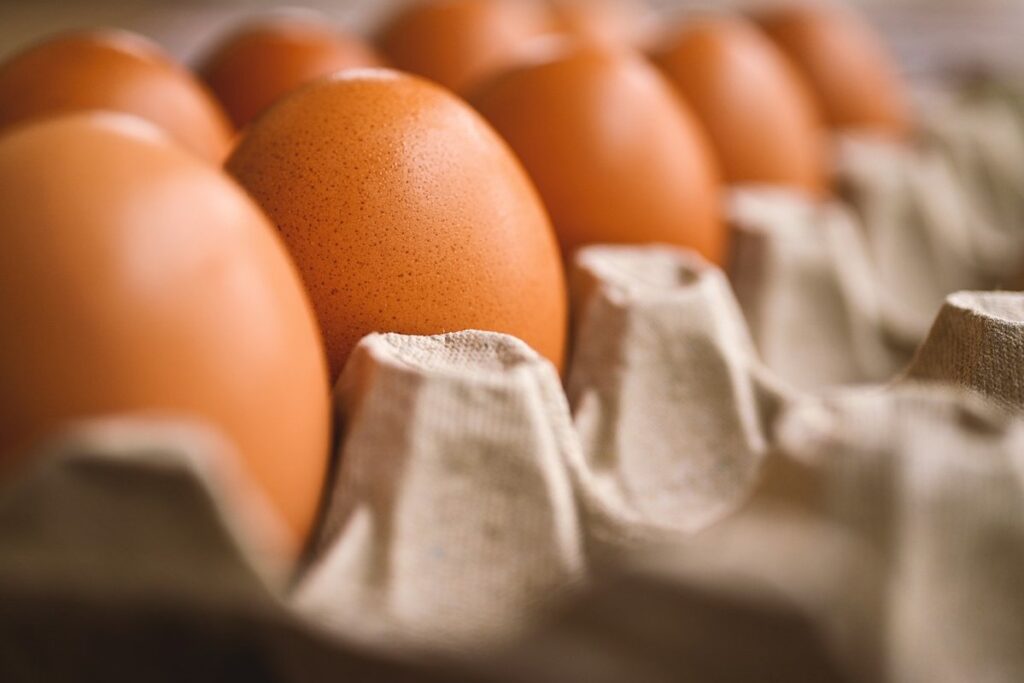
Introduction to Barred Rock Eggs
Welcome to our comprehensive guide, where we’ll take a closer look at the fascinating world of Barred Rock eggs, starting with their unique characteristics. Let’s dive into what makes these eggs so special.
Characteristics of Barred Rock Chickens
The Barred Rock breed has been around for over a century, originating in Massachusetts in 1880. Known for their distinctive appearance and friendly demeanor, this heritage breed has become a favorite among backyard chicken enthusiasts. One of the most recognizable characteristics of Barred Rocks is their unique plumage, featuring alternating black and white stripes that create a “barred” effect.
When it comes to temperament, Barred Rock chickens are known for being docile and gentle. They are easy to handle and make great pets for families with children. In fact, many breeders recommend them as a great choice for beginners due to their friendly nature. As for egg-laying habits, Barred Rocks are prolific producers, laying an average of 200-220 brown eggs per year. Their eggs are medium-sized and have a distinctive shape, which can be useful for identifying them in the fridge.
It’s worth noting that Barred Rock chickens are also relatively hardy birds, withstanding cold temperatures and handling stress well. This makes them a great choice for backyard flocks in areas with harsh winters or limited resources.
Benefits of Raising Barred Rock Chickens
Raising Barred Rock chickens can be a rewarding experience for backyard farmers and egg enthusiasts alike. One of the primary advantages of keeping Barred Rocks is their high egg production. On average, a healthy Barred Rock hen will lay around 280 eggs per year, making them an excellent choice for families or small farms looking to supplement their egg needs.
In addition to their impressive egg-laying abilities, Barred Rocks are also known for their friendly and docile nature. They make great pets for children and are relatively easy to care for, even for novice chicken keepers. With proper attention and nutrition, Barred Rock hens can live up to 8-10 years, providing a long-term source of fresh eggs.
If you’re new to chicken keeping, Barred Rocks are an excellent breed to start with due to their hardiness and adaptability. They thrive in a variety of environments and are relatively low-maintenance compared to other breeds. With proper care and attention, your Barred Rock hens will reward you with delicious, healthy eggs for years to come.
Egg Color Variations in Barred Rock Hens
As you collect eggs from your prized Barred Rock hens, you might wonder why some eggs have slightly different shades than others. This variation is a result of multiple factors that affect eggshell color production.
Reddish-Brown Eggs: A Common Phenomenon
If you’ve ever raised Barred Rock hens, you may have noticed that some of them produce eggs with a reddish-brown tint. This phenomenon can be attributed to the interaction between genetics and environmental factors.
In the case of Barred Rocks, the production of reddish-brown eggs is largely due to genetic diversity within the breed. While the ideal eggshell color for Barred Rock hens is white or pale cream, some individuals may inherit genes from their ancestors that influence the production of these more vibrant colors. Research suggests that genetics can play a significant role in determining eggshell pigmentation, with certain breeds exhibiting a greater likelihood of producing eggs with reddish-brown hues.
It’s worth noting that environmental factors such as diet and age can also impact egg color, but genetic predisposition is the primary factor at play here. So, if you’re one of the lucky owners of a Barred Rock hen that lays reddish-brown eggs, take heart – it’s likely due to your bird’s unique genetic makeup rather than any dietary or environmental factors.
Pink-White Eggs: An Unexpected Surprise
When it comes to Barred Rock hens, one might expect their eggs to be consistently white or cream-colored. However, some owners have reported finding pink-white eggs from these birds. This phenomenon can be attributed to various factors, including diet and health.
Diet plays a crucial role in eggshell pigmentation. A hen’s diet rich in beta-carotene, a precursor to vitamin A, can cause the formation of pink or reddish hues on the eggshell. Barred Rock hens fed a balanced diet with foods containing beta-carotene, such as leafy greens and orange vegetables, may lay eggs with these characteristics.
Health issues in hens can also contribute to the appearance of pink-white eggs. For instance, a lack of adequate calcium or an underlying health condition like mites or lice infestation can cause changes in eggshell pigmentation. In some cases, this might manifest as pink or white speckles on the eggs.
It’s essential for Barred Rock owners to monitor their hens’ diet and overall health closely to prevent any potential issues that could affect egg coloration. Regularly reviewing your flock’s nutrition and ensuring access to clean water can help minimize the likelihood of unusual eggshell pigmentation.
Factors Influencing Eggshell Color
Now that you’ve got a better understanding of what makes Barred Rock eggs unique, let’s dive into the fascinating factors that influence their beautiful eggshell colors. Genetics plays a significant role in determining an egg’s color and patterns.
Age and Developmental Stages
As you explore the world of Barred Rock eggs, it’s essential to consider how a chicken’s age affects the color and pattern of her eggshells. When young pullets first start laying eggs, their shells may appear lighter or more irregularly colored due to the immaturity of their shell glands. As they mature, around 18-24 weeks old, you can expect to see a more consistent and vibrant coloration.
Keep in mind that some Barred Rock hens may not reach their full egg-laying potential until they’re about a year old. During this time, you might notice changes in the intensity or pattern of the eggs. For example, a hen’s eggshells might transition from pale blue to more saturated shades as she matures.
As your flock ages, you’ll often observe that older hens tend to produce eggs with more subtle color variations. This is because their shell glands have reached maximum efficiency and are producing more uniform, matured eggshell material.
Nutrition and Diet Impact
The nutrition and diet of your Barred Rock hens play a significant role in determining the color and quality of their eggs. While genetics largely dictate eggshell color, adequate nutrition can influence the intensity and uniformity of the color. Let’s take a closer look at essential vitamins and minerals that impact eggshell color.
Vitamin A is crucial for maintaining healthy skin and mucous membranes, which are necessary for producing vibrant eggshell pigments. Hens require around 1-2% calcium in their diet to produce strong, colored eggshells. Phosphorus, on the other hand, helps regulate calcium metabolism and ensures proper shell development.
To promote desirable eggshell colors, it’s essential to provide your Barred Rock hens with a balanced diet rich in these nutrients. You can supplement their feed with crushed oyster shells or dark leafy greens like kale and spinach, which are rich in calcium and vitamins A and K. By paying attention to the nutritional needs of your flock, you can encourage the production of high-quality eggs with vibrant, attractive colors.
Health Issues and Their Effects
When it comes to barred rock eggs, their color can be influenced by various factors, including health issues. Certain health problems can cause changes in eggshell color, which is why it’s essential for backyard chicken keepers and farmers to monitor the health of their flock.
For instance, a diet deficient in calcium or protein can lead to eggs with weak shells that may appear dull or pale. On the other hand, an overabundance of certain nutrients like iron or copper can cause eggshells to become too dark or speckled. Fungal infections such as candidiasis or thrush can also impact eggshell color, resulting in a soft, crumbly appearance.
To mitigate these issues, ensure your barred rock hens have access to a balanced diet rich in calcium and other essential nutrients. Regular health checks and monitoring of egg production can help you detect any potential problems early on. By doing so, you’ll be able to maintain healthy birds that lay eggs with vibrant, consistent colors.
What Does Egg Color Indicate About a Chicken’s Health?
Understanding the subtle variations in egg color can be a good indicator of your Barred Rock chicken‘s overall health and well-being, so let’s dive into what it means.
Red Flags for Potential Health Issues
When collecting eggs from your Barred Rocks, it’s essential to pay attention not just to their color, but also for any signs that may indicate an underlying health problem. Here are some red flags to watch out for:
A pale or washed-out yolk can be a sign of a diet lacking in nutrients, particularly vitamin A and E. Ensure your chickens have access to a balanced feed or supplement with these essential vitamins if you notice this in their eggs. On the other hand, an egg with a greenish tint may indicate bacterial contamination, such as from Salmonella. Regularly clean and disinfect your coop and equipment to prevent this.
Additionally, an egg that’s too large or too small for its breed can be a sign of hormonal imbalances. Large eggs are often associated with Marek’s disease, while smaller eggs may point to hypothyroidism. Monitor your flock’s overall health and weight, and consult a veterinarian if you notice any significant variations in egg size.
Any abnormality in an egg’s shape or texture can also be cause for concern. Cracked, misshapen, or soft-shelled eggs are often signs of physical injuries, stress, or nutritional deficiencies. Take note of your chickens’ behavior and environment to identify potential causes, then make adjustments accordingly.
Why Consistency Matters
When managing a flock of Barred Rocks, maintaining consistency in egg color is crucial for several reasons. Firstly, consistent egg color can be an indicator of the overall health and well-being of the birds. Deviations from the expected color may signal underlying issues that need attention.
For instance, if your eggs suddenly start displaying unusual colors or shades, it could be a sign of nutritional deficiencies, stress, or even disease. By monitoring egg color consistently, you can quickly identify any potential problems and take corrective action to prevent them from escalating.
Moreover, consistent egg color also affects the market value of your eggs. Consumers expect certain characteristics, including uniformity in appearance. If your eggs vary significantly in color, it may impact their saleability and ultimately your profits.
To achieve consistency in egg color, make sure to maintain a balanced diet for your birds, provide clean living conditions, and monitor their health regularly. This will help you detect any issues early on and take proactive measures to prevent them from affecting the quality of your eggs.
Managing Flocks with Barred Rock Hens: Tips and Tricks
When it comes to managing a flock of Barred Rock hens, there are several key strategies to keep in mind for optimal health and egg production. Here’s how to get started.
Balancing Breed Selection and Egg Production Goals
When it comes to managing flocks with Barred Rock hens, one of the key considerations is balancing breed selection with egg production goals. As a Barred Rock owner, you’re likely looking for ways to optimize your flock’s output while maintaining the unique characteristics and traits that make these birds so endearing.
To achieve this balance, consider introducing breeds that complement the Barred Rock’s egg-laying abilities. For example, Australorp or Orpington hens are known for their high egg production rates and can be a great addition to your flock if you’re looking to increase overall output. On the other hand, if you prioritize the Barred Rock’s distinctive appearance, breeds like Buff Orpingtons or Plymouth Rocks can provide a striking contrast while still contributing to the overall egg count.
When selecting breeds to complement your Barred Rock hens, think about the specific needs and goals of your flock. Consider factors such as climate, feed quality, and management practices when choosing breeds that will thrive alongside your Barred Rocks. By thoughtfully integrating different breeds into your flock, you can create a harmonious and productive environment that meets both your egg production and aesthetic goals.
Strategies for Maximizing Egg Quality and Color Consistency
To maximize egg quality and color consistency from your Barred Rock hens, it’s essential to maintain a healthy and productive flock. A balanced diet is crucial; ensure they have access to a nutrient-rich layer feed, supplemented with fresh fruits and vegetables to meet their calcium requirements.
Maintain optimal lighting levels in the coop, as this affects egg production and color. Natural light during the day and supplemental lighting at night can help regulate hormones, leading to better egg quality. Provide enough space for your hens to roam and exercise; overcrowding can lead to stress, which negatively impacts egg production.
Keep an eye on your flock’s water intake and ensure it’s fresh and clean daily. Regular cleaning of the coop will also help prevent the spread of diseases that can affect egg quality. Monitor your hens’ behavior and health closely, taking prompt action if you notice any issues. By implementing these strategies, you’ll be well on your way to producing high-quality eggs with consistent coloration from your Barred Rock hens.
Conclusion and Next Steps
Now that you’ve seen the amazing diversity of Barred Rock eggs, it’s time to wrap up our chart and look ahead to what your next steps should be. We’ll summarize key takeaways and share some ideas for further exploration.
Recap of Key Points and Takeaways
To sum up, we’ve covered the key points to help you confidently identify and care for barred rock eggs. You now know that barred rock eggs can range from light brown to dark reddish-brown in color, with markings varying from few to many speckles or blotches. The size of the eggs typically falls between 180-200 grams.
You’ve also learned about the importance of proper egg handling and storage to maintain their quality and safety for consumption. We discussed how different environmental conditions can influence the appearance and texture of barred rock eggs, such as humidity levels and temperature fluctuations.
Additionally, we highlighted the value of creating a comprehensive chart or table to keep track of your flock’s egg-laying statistics, including color patterns and weights. This can help you identify any potential health issues or genetic variations within your flock.
By applying these key takeaways, you’ll be well-equipped to manage and care for your barred rock hens and enjoy the rewards of collecting fresh eggs from your backyard flock. Remember to regularly inspect your eggs and update your chart to make informed decisions about your flock’s health and performance.
Resources for Further Learning and Support
If you’re looking to learn more about Barred Rock eggs and their unique characteristics, there are several resources available that can provide valuable insights. For those interested in backyard chicken keeping, the American Poultry Association is a great starting point for learning about various breeds, including the Barred Rock.
The Backyard Chicken Keeper’s Handbook by Christopher Day offers practical advice on raising chickens, covering topics from building coops to health and nutrition. This book provides a comprehensive guide for beginners and experienced keepers alike.
For those who prefer online resources, websites like My Pet Chicken and Backyard Chickens offer a wealth of information on chicken breeds, care, and management. These forums also provide an opportunity to connect with other chicken enthusiasts and learn from their experiences.
Additionally, consider consulting local agricultural extension services or taking a poultry-keeping course in your area for hands-on guidance and expert advice. By leveraging these resources, you’ll be well-equipped to make informed decisions about raising healthy Barred Rock chickens and enjoying the benefits of backyard egg production.
Frequently Asked Questions
Can I apply the principles from this guide to other breeds, or are they specific to Barred Rocks?
While this article focuses on the unique characteristics of Barred Rock eggs, many of the principles discussed can be applied to other breeds as well. However, it’s essential to research and understand the specific egg-laying patterns and potential health issues associated with your flock’s breed(s). Be sure to consult reputable sources and consider factors like genetics, nutrition, and environmental conditions.
How often should I collect eggs from my Barred Rock hens to monitor their health and productivity?
Regular egg collection is crucial for monitoring your flock’s health and identifying any potential issues early on. Aim to collect eggs daily or at least every other day, depending on your flock’s size and laying schedule. This will not only help you detect any abnormalities in eggshell color or texture but also encourage hens to continue laying at optimal rates.
What should I do if my Barred Rock hen starts producing eggs with unusual colors or patterns?
If your hen is consistently laying eggs outside the normal range, it may be a sign of an underlying health issue. Consult with a veterinarian experienced in poultry care to rule out any nutritional deficiencies, parasites, or other potential causes. Keep in mind that occasional deviations from the norm are normal, but persistent irregularities warrant investigation.
Can I use online resources and egg color charts to diagnose health issues in my flock?
While online resources can provide valuable insights, they should not be relied upon as the sole diagnostic tool for health issues in your flock. Consult with a veterinarian or experienced poultry keeper who has hands-on knowledge of your birds’ specific needs and circumstances. Online resources can help guide you toward potential causes, but professional expertise is essential for accurate diagnosis and treatment.
How long does it typically take to notice changes in egg color or shell quality after introducing nutritional adjustments?
Changes in eggshell color or texture may not be immediately noticeable after adjusting nutrition. Be patient and allow at least 4-6 weeks for your hens to respond to dietary changes. Monitor their overall health, including their appetite, droppings, and feather condition, as these can indicate whether they’re responding positively to the new nutrition plan.