
If you’re considering adding some feathered friends to your backyard or farm, chances are you’ve heard of Barred Rock chickens. But how do you raise healthy hens and manage those energetic roosters? From breeding and health issues to expert advice on caring for your flock, this guide has got you covered.
Many backyard chicken keepers swear by the hardiness and friendly nature of these birds, making them an excellent choice for beginners. However, like any breed, Barred Rocks require attention to their specific needs. In this comprehensive guide, we’ll walk you through best practices for raising your Barred Rock hens, including tips on breeding, managing roosters, and common health issues that may arise. Whether you’re a seasoned chicken keeper or just starting out, our expert advice will help you build a happy and thriving flock.
Introduction to the Barred Rock Breed
Welcome to our comprehensive guide to the Barred Rock breed, and let’s start by exploring what makes these beautiful birds so beloved among backyard chicken enthusiasts. We’ll delve into their rich history and distinct characteristics.
Origin and History of the Breed
The origins of the Barred Rock breed can be traced back to England, where it was created through a deliberate breeding program aimed at producing a robust and fertile chicken. The foundation stock consisted of Black Orpingtons, which brought their impressive size and rich coloration to the table, while White Leghorns contributed their excellent egg-laying abilities and feisty temperament. This strategic crossbreeding not only resulted in a hardy bird but also one that would thrive under various environmental conditions.
As American poultry enthusiasts sought to improve their flocks’ productivity, they brought the Barred Rock breed to North America in the late 19th century. The breed quickly gained popularity for its high egg production and impressive broodiness, making it an ideal choice for both commercial farms and backyard chicken keepers. The introduction of the Barred Rock to North America marked a significant milestone in the development of modern poultry, as this hardy and versatile bird played a key role in shaping the industry’s future.
Key Characteristics of the Barred Rock
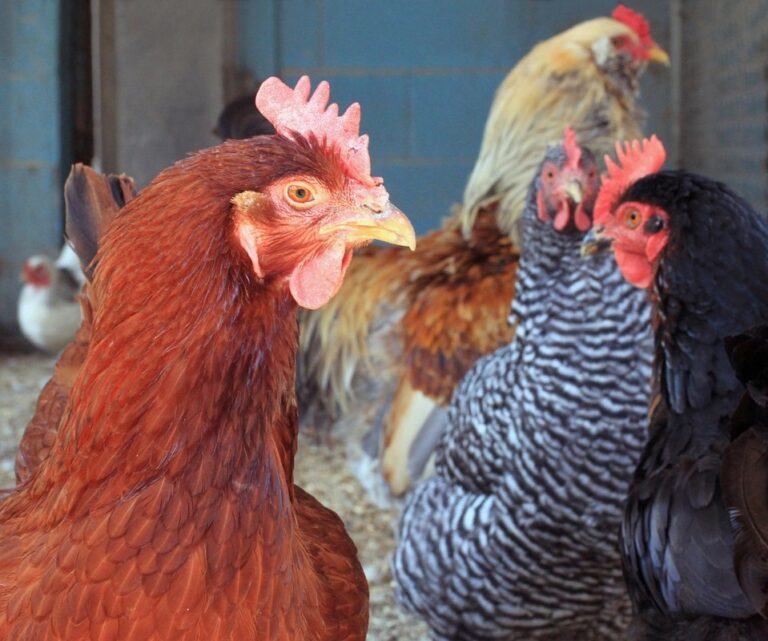
When it comes to identifying a true Barred Rock, there are several key physical characteristics that set them apart from other breeds. First and foremost, their plumage is perhaps the most distinctive feature of this breed. The Barred Rock’s feathers display a beautiful black and white striated pattern, often referred to as “barred” or “striped.” This unique coloring starts at the hen’s neck and continues down to her tail feathers, with the black bars alternating between wide and narrow depending on the individual bird.
In terms of size, Barred Rocks are generally a medium-weight breed, with hens typically weighing in around 6-7 pounds. Roosters tend to be slightly larger, tipping the scales at approximately 8-9 pounds. Their beak shape is also noteworthy, as it’s strong and straight, perfectly suited for scratching up seeds and grains.
One of the most important things to note when identifying a Barred Rock is that their physical characteristics can vary slightly depending on individual birds within the breed.
Raising Healthy Barred Rock Chicks
Raising healthy Barred Rock chicks requires a solid understanding of nutrition, vaccination schedules, and early socialization. Learn how to give your new additions a strong start in this life.
Brooding and Incubation
When raising healthy Barred Rock chicks, it’s essential to get their early development off to the right start. This begins with brooding and incubating their eggs. If you’re planning on hatching your own chicks, you’ll need to provide a safe and controlled environment for them to develop.
The ideal temperature for incubation is between 99°F and 100°F during the first 18 days of development. After that, it should be reduced by about 1-2 degrees per day until the eggs are ready to pip (around 22-24 hours before hatching). It’s also crucial to maintain a consistent turning schedule – we recommend rotating the eggs at least 5 times a day for the first 18 days.
This will help ensure even development and prevent the chicks from getting stuck in their shells. You can use an automatic egg turner or do it manually, whichever you find most convenient. By following these guidelines, you’ll be giving your Barred Rock chicks the best possible start in life – strong, healthy, and ready to thrive under your care.
Nutrition and Feed for Young Chicks
When it comes to raising healthy Barred Rock chicks, nutrition plays a vital role. Young chicks need a diet rich in protein and calories to support their rapid growth and development. Look for starter feeds specifically formulated for young poultry, containing around 18-20% protein and 3,000-4,000 IU of vitamin A per pound.
A high-quality commercial starter feed is usually the best option, but you can supplement with vitamins and minerals if needed. For example, crushed oyster shells provide a rich source of calcium, essential for strong bone development. You can also add a few drops of kelp meal to their water to ensure they’re getting enough iodine.
Start feeding your chicks starter feed at 1-2 days old, gradually introducing it over the first week or so. Make sure fresh water is always available, and change the water frequently to prevent bacterial growth. Keep an eye on their weight gain and adjust their diet as needed. With proper nutrition, your Barred Rock chicks will grow into strong, healthy pullets that are ready to lay eggs by 18-20 weeks old.
Caring for Mature Barred Rock Hens
As your hens get older, their care needs change too. In this section, we’ll cover the essential tips to keep your mature Barred Rock hen healthy and happy.
Foraging and Free-Range Opportunities
As mature Barred Rock hens age, they require a balanced diet that includes foraging opportunities to stay healthy and satisfied. Providing regular access to foraging areas allows them to supplement their commercial feed with essential nutrients, mental stimulation, and physical exercise.
Foraging is an instinctual behavior for chickens, and it’s crucial to incorporate this into your hen’s daily routine. Consider setting up a designated foraging area in the backyard or coop where they can scratch and peck at plants, insects, and grubs. This can include areas with native grasses, weeds, and wildflowers, as well as planted gardens.
When introducing foraging, start by offering fresh vegetables and fruits, such as leafy greens, carrots, and berries. You can also sprinkle mealworms or sunflower seeds on the ground to entice them to explore their surroundings. As they become more comfortable with foraging, you can gradually increase the complexity of the environment by adding obstacles, hiding places, and new textures.
Remember to monitor your hens’ health and adjust the foraging opportunities accordingly. Some Barred Rock hens may have specific dietary needs or allergies, so it’s essential to keep a close eye on their behavior and adjust their foraging routine as needed.
Health Issues in Adult Hens
As your mature Barred Rock hens age, they may be more susceptible to certain health issues that can impact their quality of life. One common problem is parasites, which can lead to weight loss, lethargy, and even death if left untreated. Internal parasites like mites, lice, and worms can infest a hen’s digestive system, causing malabsorption and nutrient deficiencies. Regularly checking your hens for signs of parasite infestation, such as excessive dust-bathing or feather pecking, is crucial to catching the issue early.
Reproductive problems are another common health concern in mature Barred Rock hens. Hens may experience egg binding, which occurs when an egg gets stuck in the hen’s oviduct and prevents her from laying further eggs. In some cases, a veterinarian may need to perform surgery to remove the impacted egg. To minimize the risk of reproductive issues, ensure your hens are getting enough calcium and have access to a clean, dry nesting box.
Other health issues that can affect mature Barred Rock hens include osteoporosis, respiratory problems, and cancer. Keeping your flock active with regular exercise and providing a balanced diet rich in nutrients can help mitigate these risks.
Breeding and Raising Barred Rock Chicks
Breeding and raising barred rock chicks requires careful planning, attention to detail, and a solid understanding of poultry husbandry best practices. If you’re new to backyard chicken keeping, don’t worry, we’ll walk you through it step by step.
Selecting a Rooster or Hen for Breeding
When it comes to selecting a rooster or hen for breeding, there are several factors to consider. The first and most obvious consideration is breed purity. You want to ensure that the bird you choose is 100% Barred Rock, without any dilution from other breeds. This will guarantee that your offspring have the same desirable traits as their parents.
Another key factor is temperament. A rooster’s aggression level can greatly impact the stress and well-being of the hens in his flock. Look for a rooster with a calm demeanor who won’t become overly aggressive during breeding season. Hens, on the other hand, should be friendly and docile.
In terms of health, it’s essential to choose birds that are free from inherited diseases or genetic defects. Check for any signs of illness or injury in the bird’s history, and make sure they have been regularly vaccinated. Finally, consider the rooster’s fertility and sperm quality. A healthy rooster with high-quality sperm will significantly increase your chances of successful breeding.
Caring for Young Chicks After Hatching
When it comes to raising Barred Rock chicks, the first few weeks after hatching are crucial. As soon as they pip out of their eggs, you’ll want to provide a safe and healthy environment for them to grow. One of the most important things to consider is vaccinations. While not all areas require vaccination, it’s essential to check with local authorities to determine if any specific vaccines are necessary.
In terms of caring for your young chicks, make sure they’re receiving adequate nutrition by providing high-quality starter feed and a clean source of fresh water at all times. Monitor their growth rates closely, looking for signs of health issues such as lethargy or labored breathing. Keep the brooder area draft-free and maintain a comfortable temperature between 90-100°F (32-38°C) during the first few weeks.
It’s also essential to keep an eye on your chicks’ overall behavior, watching for any signs of stress or illness. With proper care and attention, your Barred Rock chicks should thrive in their new environment. Keep a close watch over them, and be prepared to make adjustments as needed to ensure they grow into healthy, happy hens and roosters.
Barred Rock Roosters: Behavior and Management
When it comes to managing a rooster, understanding their behavior is crucial for a harmonious flock. In this section, we’ll explore how to care for and interact with your Barred Rock roosters.
Aggression in Roosters
Aggression in roosters is a common concern for backyard chicken keepers. Barred Rock roosters, like many breeds, can develop aggressive behavior due to various factors. Genetics play a significant role, as some breeds are more prone to aggression than others. Additionally, environmental influences such as overbreeding, inadequate socialization, and insufficient space can contribute to an increase in aggression.
To identify potential signs of aggression, watch for body language cues like raised hackles, aggressive posturing, or violent outbursts towards other birds or even humans. Roosters may become more aggressive during mating season due to natural instincts, but this doesn’t excuse any harm caused.
Managing aggression requires patience and understanding. Provide a safe space for your rooster by separating him from hens during peak breeding seasons. Introduce new birds slowly and under close supervision to prevent conflicts. Consider providing individual exercise areas or enriching activities to keep your rooster stimulated.
Integrating Roosters into Flocks
Introducing a new rooster to an existing flock can be a daunting task. It’s essential to do it slowly and carefully to avoid stressing out the birds. Start by keeping the new rooster separate from the flock for a few days, allowing them to become familiar with each other’s sounds and scents. Once you feel they’re ready, introduce them in a neutral area where they can get acquainted under close supervision.
Begin by letting them see each other but not interact directly. Feed them on opposite sides of a fence or divider, so they associate the new rooster with food and positive reinforcement. Gradually increase their interaction time, always monitoring for signs of aggression or stress. It’s also crucial to introduce the new rooster at a young age or when the existing flock is relatively calm and stable.
When introducing multiple new roosters to an established flock, it’s best to do it one by one, allowing each bird to adjust and assert its dominance before adding another. Keep in mind that some Barred Rock Roosters may be more territorial than others, so be prepared for a possible learning curve during the integration process.
Common Health Issues in Barred Rock Birds
As a Barred Rock owner, it’s essential to be aware of common health issues that may affect your birds, from respiratory problems to egg binding. Let’s take a closer look at some potential health concerns you should watch out for.
Identifying Signs of Illness
As a responsible barred rock hen and rooster owner, it’s essential to recognize early signs of illness to provide prompt treatment and prevent the spread of disease. Regular monitoring is key to catching potential health issues before they escalate.
Look for changes in behavior, such as lethargy, loss of appetite, or difficulty breathing. Changes in droppings can also indicate a problem – if you notice an unusual color, consistency, or frequency, investigate further. Check the bird’s plumage regularly; dullness, ruffled feathers, or excessive shedding may signal illness.
Monitor your barred rock hen and rooster’s stool for signs of internal parasites, such as worms, which can cause weight loss, lethargy, and digestive issues. If you suspect an issue, consult with a veterinarian to determine the best course of action.
Regular health checks will help you identify potential problems early on, allowing for timely intervention and reducing the risk of disease spread within your flock. Keep a keen eye out for unusual signs or behaviors in your barred rock birds to ensure they stay healthy and thriving.
Managing Common Ailments
Managing common ailments is crucial to maintaining the health and well-being of your Barred Rock birds. One of the most common issues you’ll encounter is parasitic infestations from mites and lice. These tiny pests feed on the bird’s blood, causing discomfort, stress, and even anemia. Regular inspections of your birds’ feathers, beaks, and eyes will help detect these unwanted critters early.
To treat mite and lice infestations, use a gentle medicated powder or spray specifically designed for poultry. Follow the product instructions carefully to avoid over-exposure to chemicals. Remove soiled bedding and thoroughly clean the coop to prevent re-infestation. Respiratory problems are another common issue in Barred Rock birds, often caused by dust, dry air, or poor ventilation.
Monitor your birds’ respiratory health closely during cold snaps or times of stress. Make sure their environment is well-ventilated, with adequate space for movement and exercise. Keep their waterers clean and free from debris to prevent bacterial growth that can exacerbate respiratory issues.
Conclusion: Nurturing Your Barred Rock Flock
As you’ve learned about the unique characteristics of your Barred Rock hen and rooster, it’s essential to nurture their health, happiness, and well-being. Provide a balanced diet rich in protein and calcium to support egg production and bone growth. Ensure fresh water is always available, and offer a variety of vegetables and fruits to promote digestive health. Make time for regular exercise and mental stimulation through playtime and social interaction with other flock members.
By investing in your Barred Rock’s care, you’ll be rewarded with a thriving flock that brings joy and eggs to your homestead. With patience, dedication, and proper care, your Barred Rocks will become an integral part of your family’s life, providing entertainment, companionship, and fresh produce.
Frequently Asked Questions
How do I introduce new Barred Rock chickens to my existing flock?
When integrating new birds, start by keeping them separated from the main flock for a few days to allow them to get familiar with their surroundings. Then, begin supervised interactions and monitor body language. If necessary, use pheromone sprays or a divider to prevent aggression.
What are some common health issues in adult Barred Rock hens?
Look out for respiratory problems like bronchitis and pneumonia, as well as mites, lice, and internal parasites. Regular check-ups with a veterinarian will help identify potential issues early on. Keep your coop clean, provide adequate ventilation, and offer a balanced diet to minimize the risk of health problems.
Can I raise Barred Rock chicks in a broody hen’s nest?
While it’s possible, this method can be challenging due to temperature fluctuations and potential predation risks. Instead, consider using an incubator or purchasing sexed chicks from a reputable breeder for better results. Monitor your broody hen closely to ensure the health of both her eggs and any young chicks.
How do I know if my Barred Rock rooster is exhibiting aggression?
Be aware of aggressive behavior such as lunging, flapping, or crowing excessively. Consult with an experienced chicken keeper or a veterinarian for advice on managing aggressive roosters. Consider separating the bird from the flock or rehoming it to prevent harm to other birds.
What’s the ideal size of my coop and run for Barred Rock chickens?
Aim for about 3-4 square feet per bird inside the coop and at least 8-10 square feet outside in the run. Ensure adequate ventilation, nesting boxes, and easy access to food and water. The larger your coop and run, the happier and healthier your birds will be.