
If you’re thinking of adding some friendly faces to your backyard flock, you might want to consider Barred Rock hens. These lovable birds have been a favorite among chicken keepers for generations, and it’s easy to see why. Originating in the United States, Barred Rocks were bred specifically for their hardiness and high egg production, making them an ideal choice for backyard flocks.
But what makes these girls so special? In this article, we’ll delve into the world of Barred Rock hens, covering everything from their origins and physical characteristics to breeding, egg production, and showing. We’ll also tackle common misconceptions about these birds, so you can raise your own Barred Rocks with confidence. Whether you’re a seasoned chicken keeper or just starting out, this guide will provide expert tips on caring for your flock and help you get the most out of these wonderful hens.
Characteristics and History
The Barred Rock Hen has a rich history that spans centuries, shaped by its adaptable nature and impressive egg-laying abilities. Let’s dive into some of its key characteristics and historical milestones.
Origins of the Barred Rock
The Barred Rock breed has its roots in England, where it was developed in the late 19th century. The breed’s origins can be attributed to a cross between an American Dominique and a Dorking chicken, resulting in a sturdy and robust bird with distinctive barred feathers. This unique combination of traits made the Barred Rock an attractive choice for farmers seeking hardy birds that could thrive in a variety of environments.
In 1874, the first batch of Barred Rocks was imported to the United States, where they quickly gained popularity among poultry enthusiasts. The breed’s introduction coincided with the rise of commercial egg production, and its high egg-laying capacity made it an ideal choice for farmers looking to increase their yields.
Today, the Barred Rock remains one of the most recognizable breeds in the US, prized for its rich history, striking appearance, and impressive laying ability. Whether you’re a seasoned farmer or just starting out with backyard chickens, the Barred Rock is definitely worth considering for your flock.
Physical Characteristics
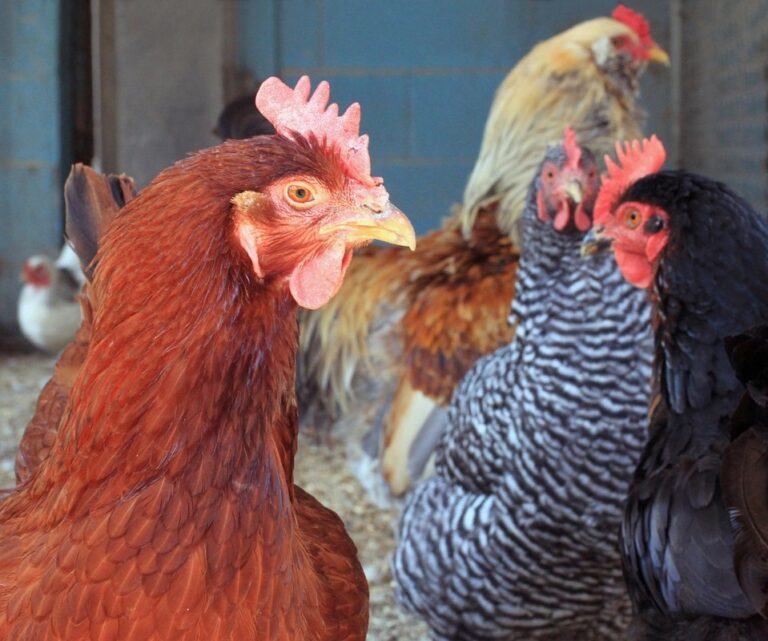
When it comes to physical characteristics, Barred Rock hens are easily recognizable. They boast a striking plumage pattern featuring alternating black and white stripes, known as “barred” feathers, which cover their entire body except for the face, wings, and tail. This unique appearance is one of the breed’s most distinctive features.
In terms of size, Barred Rocks are medium-sized hens, weighing between 6-8 pounds (2.7-3.6 kg). They typically stand around 28-30 inches (71-76 cm) tall, making them a manageable size for backyard chicken keepers. Their beaks are sturdy and black, perfect for pecking at grain and scratching in the soil.
One notable feature of Barred Rock hens is their calm demeanor. Unlike some other breeds, they’re known to be relatively quiet and docile, which makes them an excellent choice for families or apartment dwellers with limited space. Their gentle nature also makes them a great fit for those new to chicken-keeping. If you’re considering bringing home a Barred Rock hen, don’t worry – their friendly disposition will quickly win over your heart (and the rest of your flock!).
Temperament and Personality
When it comes to temperament and personality, Barred Rock hens are known for their friendly and outgoing nature. They make great additions to backyard flocks and are often described as gentle giants. One of the most notable traits of Barred Rocks is their affectionate behavior towards their owners – they love attention and will often follow you around the yard.
Barred Rocks are also known for being quite docile, making them an excellent choice for families with children or for those who want a low-maintenance pet. However, it’s essential to note that like any chicken breed, Barred Rocks can become aggressive if not handled correctly or if they feel threatened. To promote positive behavior, it’s recommended to start socializing your Barred Rock hen from an early age.
In terms of quirks, some owners have reported that Barred Rocks can be a bit noisy, especially in the morning and evening when they’re most active. However, this is usually not a concern for neighbors, as the sounds are generally music to their ears! With proper care and attention, Barred Rock hens will thrive and bring joy to your backyard flock.
Raising and Caring for Barred Rocks
If you’re new to raising barred rock hens, learning how to care for them is crucial for their health and happiness. This section will walk you through their specific needs and requirements.
Nutrition and Feeding Habits
When it comes to nutrition and feeding habits for Barred Rock hens, understanding their dietary needs is crucial for maintaining their health and productivity. As a popular breed, Barred Rocks have specific nutritional requirements that must be met through a balanced diet.
A high-quality layer feed should be the main staple of your hen’s diet, providing approximately 16-18% protein and 2-3% calcium content. Supplementing with oyster shells or crushed eggshells can help meet their calcium needs for strong eggshell production. However, a balanced feed alone may not provide all the necessary nutrients, so consider adding fresh fruits and vegetables to their diet.
For example, offering leafy greens like kale or spinach provides essential vitamins A and K, while sliced apples offer a boost of fiber and antioxidants. It’s also crucial to ensure access to clean water at all times to prevent dehydration. In terms of amounts, a general rule of thumb is to provide 1/4 pound of feed per hen per day for egg production, but adjust according to individual needs based on age, weight, and activity level.
When introducing new foods or supplements, do so gradually to avoid digestive upset. Also, be mindful of overfeeding, as this can lead to obesity and related health issues. A balanced diet is essential for maintaining the overall well-being and egg-laying abilities of your Barred Rock hens.
Health Considerations
As you raise and care for your Barred Rock hens, it’s essential to be aware of some common health issues that can affect this breed. Regular monitoring and preventative measures can help minimize the risk of these problems.
One issue that may arise is parasites, such as mites or lice, which can cause discomfort and stress in your hens. To prevent infestations, make sure to clean their coop regularly, removing any debris or waste that might attract pests. You can also treat them with a suitable parasite control product, following the manufacturer’s instructions carefully.
Respiratory problems are another concern for Barred Rock hens, particularly in areas with high humidity or during extreme weather conditions. Keep an eye out for signs such as labored breathing, coughing, or wheezing. If you suspect respiratory issues, provide a humidifier to help ease congestion and consider consulting a veterinarian for advice.
Reproductive problems can also occur in Barred Rock hens, especially if they’re not receiving adequate nutrition or are under stress. Ensure that your girls have access to a balanced diet and plenty of fresh water, and monitor their health closely during breeding season.
Housing and Living Conditions
When it comes to housing and living conditions for Barred Rock hens, there are several key factors to consider. First and foremost, provide a coop that’s spacious enough to accommodate all of the birds comfortably. Aim for at least 3-4 square feet per hen inside the coop, with additional space for nesting boxes and perches. This will give your girls ample room to move around, stretch their wings, and engage in natural behaviors.
Ventilation is also crucial, especially during hot summer months or humid climates. Ensure that your coop has adequate airflow by installing windows or vents that allow fresh air to circulate freely. Consider adding a roof overhang or awning to protect the coop from rain and sun exposure.
Predator protection should never be overlooked – Barred Rock hens are just as vulnerable to predators as any other breed. Secure your coop with sturdy wire mesh or hardware cloth, extending at least 12 inches below ground level to prevent burrowing predators like foxes and raccoons. Finally, consider adding a locked door or latch to prevent unwanted visitors from getting in. By prioritizing these elements, you’ll create a safe and comfortable living environment for your Barred Rock hens to thrive in.
Breeding and Egg Production
If you’re looking to breed or raise Barred Rock hens for eggs, understanding their reproductive habits is crucial. This section delves into the specifics of breeding and egg production in this popular breed.
Breeding Goals and Objectives
When it comes to breeding Barred Rocks, several factors come into play that influence decision-making. Breeders aim for a combination of desirable traits, high fertility, and optimal hatchability to produce healthy chicks.
Desired traits in Barred Rock hens include robust egg-laying capacity, hardiness, and attractive plumage. To achieve these characteristics, breeders select birds with outstanding performance in these areas. For instance, they may prioritize hens that lay 280-300 brown eggs per year or feature striking barred patterns on their feathers.
Breeders also focus on fertility and hatchability by monitoring the reproductive health of their roosters and ensuring proper mating ratios. A good ratio is crucial for successful breeding, as it directly impacts the number of fertile eggs produced. Typically, a 10:1 or 12:1 hen-to-rooster ratio is recommended.
By balancing desired traits with fertility and hatchability, breeders can produce high-quality Barred Rock chicks that grow into excellent laying hens.
Egg-Laying Capacity
Barred Rock hens are renowned for their impressive egg-laying capacity, making them a favorite among backyard chicken keepers and commercial farmers alike. On average, a healthy Barred Rock hen will produce around 200-220 eggs per year, with some exceptional individuals laying up to 280 eggs annually.
However, it’s essential to note that egg production is influenced by several factors, including age, nutrition, and environment. Younger hens typically take longer to mature and reach their full egg-laying potential, usually between 18-24 months of age. As they age, their productivity may slow down, with older hens laying around 180-200 eggs per year.
A well-balanced diet rich in essential nutrients is also crucial for maintaining optimal egg production. Ensure your Barred Rock hen has access to a high-quality layer feed that includes adequate protein, calcium, and vitamin D3. Additionally, provide fresh water and a nutritious supplement of fruits and vegetables to support their overall health.
By paying attention to these factors, you can help maximize the egg-laying capacity of your Barred Rock hens and enjoy an abundance of delicious, farm-fresh eggs all year round.
Tips for Increasing Fertility and Hatch Rates
When it comes to breeding and raising Barred Rock hens, optimizing fertility and hatch rates is crucial for successful programs. To achieve this, start by ensuring the health and well-being of your flock. Provide a balanced diet rich in nutrients, access to clean water, and adequate space for exercise. A healthy flock will result in better overall egg quality and reproductive performance.
Another key factor is selecting breeding stock from reputable sources or experienced breeders. Look for individuals with excellent conformation, temperament, and fertility records. Consider using artificial insemination (AI) techniques to improve accuracy and reduce the risk of disease transmission.
To boost fertility rates specifically, incorporate strategies like reducing stress during the breeding season, providing a consistent light-dark cycle, and ensuring adequate rooster-to-hen ratio. Monitor and adjust these factors regularly to optimize results. With attention to detail and a few simple adjustments, you can enhance fertility and hatch rates in your Barred Rock flock, ultimately leading to stronger, healthier birds.
Showing and Competition
When it comes to showcasing your Barred Rock hen’s unique qualities, exhibiting at poultry shows is a great way to connect with fellow enthusiasts and learn from experienced breeders. This section covers tips for competition success.
Show-Ready Condition
When it comes to showing your Barred Rock hen, presentation is everything. To ensure your bird makes a fantastic impression on judges and spectators alike, pay close attention to grooming, feather maintenance, and overall appearance standards.
Grooming is an essential aspect of getting your Barred Rock in show-ready condition. Regularly brush her feathers, especially around the wings, tail, and vent areas, to prevent matting and tangling. A soft-bristled brush or a slicker brush will work wonders for detangling those beautiful black and white feathers.
Maintaining healthy, shiny feathers is also crucial. Provide your hen with a balanced diet rich in essential vitamins and minerals, including protein, calcium, and omega-3 fatty acids. Ensure access to clean water at all times, and keep her coop well-ventilated to prevent moisture buildup, which can lead to fungal infections.
Some judges may have specific requirements for the length of feathers on the saddle, wings, or tail, so make sure you’re aware of these standards beforehand. Keep your hen’s beak trimmed regularly, about 1/4 inch from the tip, to prevent overgrowth and promote clear vision.
During show day, keep an eye on temperature extremes, as Barred Rocks can be sensitive to heat stress. Make sure she has a cool place to rest, preferably in a shaded area with adequate ventilation. A clean, dry carrier will also help her feel more comfortable during transport.
Competition Strategy and Techniques
When it comes to competing with your Barred Rock hen at a poultry show, understanding the judging criteria and breed standards is crucial for success. Familiarize yourself with the American Poultry Association’s (APA) guidelines, which outline specific characteristics for this breed, including its size, plumage, beak shape, and leg feathering.
To compete effectively, you’ll need to develop a solid showmanship technique. This includes presenting your hen confidently and proudly in front of judges, showcasing her features from all angles. Practice walking your hen around the coop or designated area to help her become accustomed to being handled and displayed.
In terms of competitor strategies, it’s essential to research and understand what makes a winning Barred Rock hen. Look for birds with excellent plumage quality, correct beak shape, and proper leg feathering. Attend shows and observe how experienced breeders present their birds, taking note of any techniques or tips that can benefit your own show experience.
To give yourself an edge in the competition, focus on developing a deep understanding of the APA’s breed standards for Barred Rock hens. This will enable you to confidently identify key characteristics that make a winning bird and showcase your hen accordingly.
Benefits of Showing Your Birds
Participating in poultry shows is an excellent way to engage with other enthusiasts and learn from their experiences. Not only does it provide a sense of community, but it also offers numerous benefits for both novice and seasoned breeders alike. One of the primary advantages of showing your birds is the opportunity to network with fellow breeders, judges, and experts in the field.
You’ll have the chance to share knowledge, exchange tips, and gain insights into best practices. This social aspect can lead to lasting connections and friendships that extend beyond the show circuit. Additionally, attending poultry shows allows you to stay up-to-date on industry trends, learn about new techniques, and discover innovative products and services.
For those who take home an award, there’s also the thrill of bragging rights! However, even if your birds don’t win a blue ribbon, the experience is still invaluable. You’ll gain confidence in handling and presenting your birds, as well as develop a better understanding of their characteristics, strengths, and weaknesses.
Unique Aspects and Tips
When it comes to caring for your Barred Rock hen, there are a few unique aspects to consider that’ll make your experience even more rewarding. We’ve got some valuable tips to share on how to bring out the best in this beloved breed.
Handling and Socialization
When it comes to handling and socializing Barred Rock hens, some owners may find them to be more reserved than other breeds. However, with patience and gentle interaction, they can become quite friendly and even affectionate.
To start, begin by letting the hen get accustomed to your presence in her enclosure. Move slowly and calmly around her, talking softly to help her feel more at ease. Once she appears relaxed, try offering treats by hand or through a feeding trough to encourage trust-building interactions. Be mindful of sudden movements, as this can startle even the most docile hen.
If you’re adopting an adult Barred Rock hen that hasn’t been socialized before, don’t be discouraged if progress is slow. Start with short daily sessions and gradually increase interaction time over several weeks. Provide a safe and comfortable environment, ensuring she has access to hiding spots and enrichment activities to help her cope with any stress or anxiety.
Remember, socialization should be done in small steps to avoid overwhelming your hen. With consistent effort and gentle handling, you can develop a strong bond with your Barred Rock hen and enjoy years of companionship together.
Integrating with Other Birds
When introducing a new Barred Rock hen to an existing flock or other breeds, it’s essential to do so gradually and under controlled circumstances. A sudden introduction can lead to stress and conflict among the birds, especially if they have different temperaments.
Begin by isolating the new bird in a separate enclosure for a few days before integrating her with the rest of the flock. This will allow you to monitor her behavior and adjust your strategy accordingly.
To minimize stress during integration, make sure to provide a familiar environment for both the new and existing birds. For example, keep their enclosures close together, allowing them to see each other without direct contact.
When it’s time to integrate the birds, do so gradually by removing dividers or fencing that separates them. Supervise closely, especially during the first few days, and intervene if necessary to prevent any conflicts.
Be prepared for some initial hissing and squawking as the birds adjust to their new companions. With patience and proper management, however, most Barred Rock hens will integrate well into existing flocks, adding variety and interest to your backyard flock’s social dynamics.
Common Misconceptions
Many people think that Barred Rock hens are not good layers, but this is simply not true. In reality, these birds can lay around 200 eggs per year, making them a great choice for backyard chicken keepers who want a reliable source of fresh eggs.
Another common misconception about Barred Rocks is that they are not friendly or docile. While it’s true that some individuals may have strong personalities, many breeders and owners will attest to the fact that these birds can be quite affectionate and social. With proper introduction and handling, your Barred Rock hen can become a trusted member of your flock.
It’s also worth noting that Barred Rocks are not as noise-prone as some other breeds. While they may make some noise, especially when alerting you to potential predators, they generally tend to be quieter than many other chicken varieties. By choosing the right breed and taking steps to minimize stress and noise, you can enjoy a peaceful backyard flock.
By being aware of these common misconceptions, you can avoid pitfalls and make more informed decisions about owning Barred Rock hens. With their friendly nature, reliable laying abilities, and relatively quiet demeanor, it’s no wonder why this breed is so popular among chicken enthusiasts.
Frequently Asked Questions
What’s the ideal age to introduce new Barred Rock hens to an existing flock?
When integrating new birds, it’s essential to consider their age and temperament. Generally, introducing adult hens (around 18-24 weeks) can help minimize stress for both the newcomers and the existing flock. However, if you’re introducing young pullets or chicks, start with a gentle introduction process to ensure a smooth transition.
How can I encourage my Barred Rock hens to lay more eggs?
To boost egg production, provide your girls with an optimal environment, including sufficient space, nutritious feed, and adequate lighting. Also, consider offering oyster shells or crushed limestone as a calcium source to support their skeletal health. Regularly cleaning the coop and providing fresh water will also contribute to improved fertility.
Can I raise Barred Rock hens for meat production?
While Barred Rocks are primarily raised for egg production, they can be suitable for dual-purpose farming if you’re looking for a robust bird with decent meat quality. However, consider their slower growth rate compared to breeds bred specifically for meat. Ensure your market is willing to accept eggs from the same flock.
What’s the best way to breed Barred Rock hens, considering genetic diversity?
Breeding a diverse gene pool is crucial for maintaining the health and vigor of your flock. To achieve this with Barred Rocks, you can incorporate other breeds into your breeding program or participate in heritage bird initiatives that promote genetic diversity through cross-breeding.
Can I show my backyard-raised Barred Rock hens if they’re not purebred?
While show standards often emphasize purity of breed, many shows allow exhibition of backyard birds. Research the specific regulations and requirements for the show you’re interested in entering. Prepare your girls for the judging process by ensuring their physical characteristics meet breed standards, and make sure to document their ancestry accurately.