
If you’re considering adding some new feathered friends to your backyard flock, you might want to consider the popular Barred Rock chicken breed. With their rich history and endearing personality, it’s no wonder why many chicken enthusiasts love keeping Barred Rocks on their property. But before bringing these beautiful birds home, it’s essential to understand their unique needs and requirements.
In this article, we’ll delve into the world of Barred Rock hens, covering everything from their temperament and egg production to health considerations and care tips. You’ll learn how to create a happy and healthy environment for your Barred Rocks, ensuring they thrive in your backyard flock. Whether you’re an experienced chicken keeper or just starting out, this guide will provide you with expert advice on raising successful and stress-free Barred Rock chickens.
History and Origin of the Barred Rock
Let’s dig into the fascinating history of the Barred Rock hen, a breed that has been delighting backyard chicken keepers for generations. From its humble beginnings to its modern-day popularity, we’ll explore where this beloved bird came from.
Early Development and Purpose
The development of the Barred Rock breed was influenced by several key factors that aimed to create a hardy and prolific egg-layer. In the early 20th century, there was a growing demand for chickens that could produce large quantities of eggs consistently. Breeders were on the lookout for birds with excellent egg-laying abilities, strong constitutions, and robust health.
To meet these requirements, breeders crossed New Hampshire Hens with White Plymouth Rock hens, resulting in a sturdy and dependable bird. The introduction of this new breed was met with excitement among farmers, as it promised to increase their egg production while reducing the costs associated with raising chickens.
As egg consumption continued to rise, particularly during World War I, the need for efficient and productive chicken breeds became even more pressing. The creation of the Barred Rock breed responded directly to these needs, offering a robust and reliable solution that quickly gained popularity among farmers and backyard chicken enthusiasts alike.
Key Characteristics and Traits
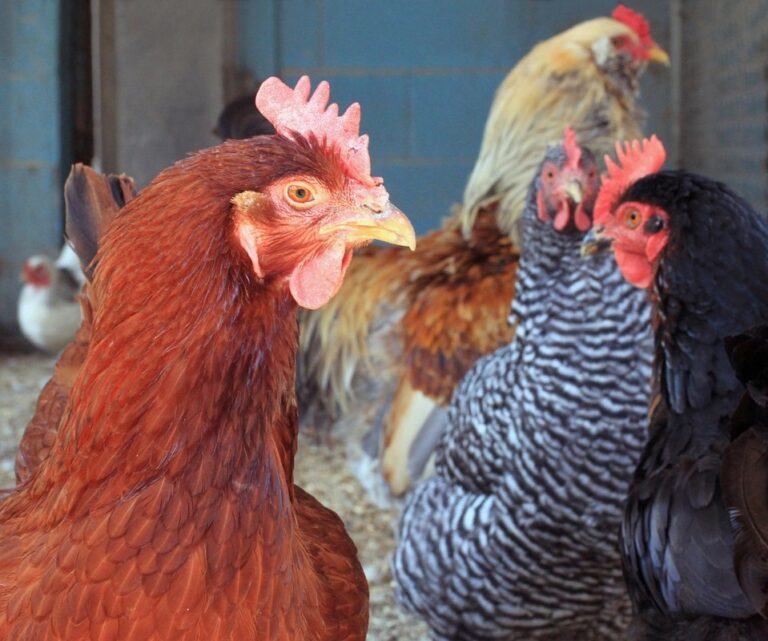
One of the main reasons why backyard chicken keepers love the Barred Rock is due to its distinct characteristics and traits. When it comes to looks, the Barred Rock is a stunning breed with a striking black-and-white striped pattern on its feathers. This unique appearance makes them stand out in any backyard flock.
In addition to their good looks, Barred Rocks are also known for being friendly, docile, and easy-going. They make great pets for families with children or for those who want a low-maintenance pet that’s still affectionate. One of the key characteristics of this breed is its high egg-laying capacity – hens can produce around 200-220 eggs per year.
If you’re looking to raise Barred Rocks, it’s essential to note that they are hardy birds and can thrive in a variety of climates. However, they do require regular exercise and a balanced diet to stay healthy and happy. With proper care, your Barred Rock hens will reward you with plenty of eggs and endless entertainment from their playful antics.
Physical Characteristics of the Barred Rock Hen
When it comes to identifying a Barred Rock hen, several key physical characteristics come into play, including her size and plumage. Let’s take a closer look at these distinguishing features.
Body Type and Size
When it comes to physical characteristics, mature Barred Rock hens are easy to identify due to their sturdy build and distinctive coloring. On average, a fully grown Barred Rock hen will weigh between 4-6 pounds (1.8-2.7 kg), with some individuals reaching up to 7 pounds (3.2 kg) or more.
Their body shape is medium in length, with a broad chest and well-sprung ribs, giving them a compact yet athletic appearance. The Barred Rock hen’s legs are strong and sturdy, ending in clean, white feathers that make for easy identification in the coop or run.
One of the most striking features of the Barred Rock hen is their distinctive barred pattern on their neck, back, and wings. This mottled effect gives them a dappled appearance that’s both handsome and eye-catching.
If you’re looking to raise Barred Rock hens yourself, be sure to provide enough space for them to roam – they require regular exercise to stay healthy and happy. With proper care and attention, these hardy girls will reward you with plenty of eggs and affection in return!
Feather Coloration and Patterns
The barred rock hen’s iconic appearance is unmistakable – its striking black and white striped plumage has captivated chicken enthusiasts for generations. This distinctive coloration is not only visually stunning but also serves a vital purpose: it helps the breed blend in with their surroundings, making them less visible to predators.
The black and white stripes that cover the hen’s body are arranged in a unique pattern, with the exact design varying slightly from one individual to another. The overall effect is one of contrast and visual interest, setting the barred rock hen apart from other breeds. If you’re raising barred rock hens on your farm or homestead, consider the following tips for showcasing their striking plumage:
* Place roosting bars near windows to maximize natural light and highlight the breed’s unique coloration.
* Provide a varied and colorful environment, incorporating plants with bright flowers and foliage to complement the hen’s black and white stripes.
* Consider creating a photo shoot featuring your barred rock hens – their distinctive appearance makes them perfect candidates for a fun and creative project.
Temperament and Personality Traits
Barred Rock hens are known for their friendly, outgoing personalities, making them a great choice for backyard flocks. Let’s take a closer look at what you can expect from these charming girls.
Friendly and Docile Nature
One of the most endearing qualities of Barred Rock hens is their calm and docile nature. They are known for being gentle giants, making them an excellent choice for families with children who want to introduce their little ones to chicken-keeping. In fact, novice chicken keepers often find it easy to care for Barred Rocks due to their laid-back temperament.
Their friendly demeanor also means they get along well with other birds and even pets in the household. This is especially great for households with multiple animals or those who want a harmonious backyard ecosystem. One of the best ways to encourage this friendly nature is through early socialization, starting from chickhood. By spending time with your chicks, handling them gently, and exposing them to various environments, you can develop a calm and trusting personality.
Their ability to adapt to new situations also makes them an ideal choice for those who are new to backyard chicken-keeping.
Social Behavior and Integration
When it comes to social behavior and integration, Barred Rock Hens have proven themselves to be excellent flock members. They are known to get along with other breeds, especially if they’re introduced at a young age. In fact, a study on poultry behavior found that Barred Rocks tend to form close bonds with their flock mates, often becoming the pecking order leaders.
This adaptability is crucial when integrating new birds into an existing flock. To ensure a smooth transition, it’s essential to introduce the new bird slowly and under close supervision. Start by placing the newcomer in a separate enclosure next to the main flock, allowing them to become familiar with each other’s presence and sounds. Once they seem comfortable, it’s time for a supervised introduction.
One Barred Rock owner reported that she successfully integrated three new birds into her existing flock of six, all of which were different breeds. She credits this success to introducing the newcomers gradually, starting with visual introductions, then progressing to scent markings, and finally, allowing them to interact under close supervision. With patience and proper introduction, Barred Rocks can thrive in even the most diverse flocks.
Health Considerations and Common Issues
When it comes to raising Barred Rock hens, understanding potential health issues is crucial for providing the best care. We’ll cover common problems you might encounter and how to address them here.
Prolific Egg Layers and Potential Problems
As you’ll soon discover, Barred Rock hens are renowned for their prolific egg-laying abilities, making them a popular choice among backyard chicken keepers. However, this remarkable productivity comes with some trade-offs. One of the most significant concerns is reproductive strain.
Prolonged high egg production can put a lot of pressure on your hen’s reproductive system, leading to issues such as ovarian cysts, reproductive tract infections, and even infertility. To mitigate these risks, make sure to provide your Barred Rock hens with a balanced diet rich in essential nutrients like calcium, protein, and omega-3 fatty acids.
Additionally, nutrient deficiencies can arise from over-reliance on commercial layer feed, which may not cater to the specific needs of egg-laying hens. Consider supplementing their diet with oyster shells or crushed eggshells to provide an extra boost of calcium, or add leafy greens like kale and spinach to ensure they’re getting enough essential vitamins.
By being aware of these potential issues and taking proactive steps to prevent them, you can help your Barred Rock hens maintain optimal health while enjoying their impressive egg-laying abilities.
Genetic Predispositions and Susceptibilities
Barred Rocks are generally a hardy breed, but like all chickens, they can be susceptible to certain health issues. One common concern is their predisposition to frostbite on their combs and wattles due to their relatively small size compared to other breeds. Additionally, Barred Rocks may be more prone to Marek’s disease, a viral illness that affects the nervous system of young chickens.
It’s essential for breeders and owners to keep an eye out for signs of respiratory issues, such as coughing or sneezing, which can be a sign of Mycoplasma gallisepticum (MG) infection. Regular vaccinations and proper management practices can help mitigate these risks.
To minimize the likelihood of disease susceptibility in your Barred Rock flock:
* Keep your coop clean and dry to prevent moisture buildup.
* Provide adequate ventilation to reduce ammonia levels and prevent respiratory problems.
* Ensure access to fresh water at all times, especially during hot weather.
* Regularly inspect your birds for signs of illness or stress.
Breeding and Raising Barred Rock Chicks
Breeding and raising Barred Rock chicks requires careful planning and attention to detail, but with a little know-how you can successfully raise healthy hens from day-old chicks.
Choosing Healthy Chicks and Starters
When selecting healthy chicks and starters for your Barred Rock flock, there are several factors to consider. Start by choosing reputable breeders who specialize in this particular breed. Look for chicks that have a good weight range (around 24-28 grams) and are well-feathered. Healthy chicks should be active, alert, and have bright eyes.
When setting up the brooder, provide adequate ventilation, temperature control, and space for your chicks to grow. A good rule of thumb is to start with 1 square foot of space per chick in the first week, increasing to 2-3 square feet as they mature. Keep the brooder clean by removing waste daily and disinfecting the surfaces regularly.
Monitor your chicks’ growth and adjust the temperature accordingly. A starter mix specifically designed for young chicks is essential for optimal growth. Provide a calcium supplement from day one to support strong bone development. With proper care, your Barred Rock chicks will thrive and grow into healthy, robust birds. Regularly inspect your flock for signs of disease or stress, taking action promptly if you notice any issues.
Nutrition and Care Requirements
Providing optimal nutrition and care is crucial for young Barred Rock chicks to grow into healthy adult birds. As soon as they hatch, chicks require a starter feed that’s high in protein (20-22%) and calories to fuel their growth. Offer a quality chick starter feed for the first 4-6 weeks, then gradually transition them to a grower feed with slightly lower protein content.
Regular vaccinations are also essential to prevent diseases such as Marek’s and coccidiosis. Consult with your veterinarian about vaccinating your chicks at the right age, usually around 3-4 weeks old. Make sure to follow vaccination guidelines carefully to avoid any adverse reactions.
Environmental considerations are just as important as dietary needs. Young Barred Rocks need a draft-free, well-ventilated area with adequate space for exercise and movement. Keep their coop clean and dry, providing a shallow dish of water and a nutritious layer feed once they’re around 18 weeks old. By meeting these basic needs, you’ll set your young chicks up for a happy and healthy life as adult birds.
Integrating Barred Rock Hens into Your Flock
When bringing home new Barred Rock hens, it’s essential to integrate them smoothly into your existing flock to prevent stress and potential conflicts. This section will walk you through a step-by-step guide on how to do so successfully.
Introduction to New Birds
When introducing new birds to an existing flock, it’s essential to do so gradually and with caution. This will help minimize stress on both the old and new hens, reducing the likelihood of conflict. Start by keeping the new arrivals separate from the main flock for a few days to allow them to settle in and become familiar with their surroundings.
Once they appear comfortable, it’s time to integrate them into the main group. Begin this process under close supervision, starting with short introductions in a neutral area where both flocks can interact without feeling territorial. Monitor body language carefully – if you notice any signs of aggression or fear, intervene promptly by separating the birds and allowing them to acclimate at their own pace.
A good rule of thumb is to introduce new hens one at a time, allowing each bird to establish its place within the flock before introducing another newcomer. By following this gradual approach, you can ensure a smooth transition for both your existing and new Barred Rock Hens.
Tips for Maintaining a Healthy and Happy Flock
When integrating Barred Rock Hens into your flock, it’s essential to create a harmonious and thriving chicken community. This begins with providing sufficient space for your birds to roam and exercise. Ensure that each bird has at least 4-5 square feet of space inside the coop and 8-10 square feet in the run.
Proper nutrition is also crucial for maintaining a healthy flock. Offer a balanced diet rich in protein, calcium, and vitamins. Consider using layer feed specifically formulated for hens’ needs, supplemented with fresh fruits and vegetables daily. Fresh water should always be available, changed regularly to prevent bacterial growth.
Social interaction plays a vital role in your flock’s happiness and well-being. Barred Rock Hens are known for their friendly nature, but it’s essential to introduce new birds slowly and under close supervision. Monitor body language and behavior; if you notice signs of stress or aggression, intervene promptly. Provide separate roosting areas to prevent overcrowding and create a stress-free environment.
By following these tips, you can maintain a happy and healthy flock that thrives with the addition of Barred Rock Hens.
Conclusion
Now that you’ve learned all about the wonderful characteristics and traits of Barred Rock hens, let’s summarize what we’ve covered so far. We’ll tie everything together with a few final thoughts on these amazing birds.
Recap of Key Takeaways
To ensure you retain the essential information about Barred Rock hens, let’s recap the key takeaways from this comprehensive guide. You now have a solid understanding of this popular chicken breed, their temperament, and unique characteristics.
In terms of physical appearance, you know that Barred Rocks are easily identifiable due to their distinctive black-and-white striped feathers. They come in both sex-linked and non-sex-linked varieties, with the former being more common. Their medium size makes them an excellent choice for backyard flocks or small farms.
One of the most notable aspects of Barred Rock hens is their friendly and docile nature. They are known to be approachable and curious, making them a great breed for children or those new to raising chickens. With proper care and nutrition, they can live up to 10-12 years, producing an average of 200-220 brown eggs per year.
Their hardiness and adaptability make them well-suited to various climates and living conditions. To ensure your Barred Rock hen thrives, focus on providing a balanced diet, adequate shelter, and regular health checks. By following these tips, you can enjoy the many benefits that this beloved breed has to offer.
Encouragement to Try the Barred Rock Breed
If you’re considering adding some new feathered friends to your backyard flock, I highly recommend giving the Barred Rock breed a try. These charming hens are sure to bring joy and excitement to your chicken-keeping experience.
One of the biggest advantages of the Barred Rock is their friendly and docile nature. They are known for being easy-going and tolerant, making them an excellent choice for families with children or for those who want a low-maintenance flock. Plus, they’re incredibly prolific layers, producing an average of 200 brown eggs per year – that’s around 5-6 eggs per week!
If you’re concerned about space, don’t worry – Barred Rocks are relatively small birds and can thrive in smaller backyards or even urban areas with a decent-sized coop. With proper care and attention, they’ll reward you with their unique appearance, affectionate personalities, and (of course) an abundance of fresh eggs. So why not give them a try? Your flock – and your family – will thank you!
Frequently Asked Questions
What’s the ideal flock size for introducing Barred Rock hens to maintain their friendly nature?
When integrating new birds, it’s essential to avoid overcrowding. A minimum of 10-12 square feet per bird is recommended. Introduce one or two Barred Rocks initially and gradually add more as they become familiar with each other.
How do I prevent common health issues in my flock, especially for prolific egg layers like the Barred Rock?
Regular health checks, a balanced diet, and clean living conditions are crucial. Ensure your birds have access to fresh water, nutritious feed, and adequate space to exercise. Regularly inspect their nests and provide prompt veterinary care if you notice any signs of illness or stress.
Can I breed my own Barred Rock chicks using a single rooster, or do I need multiple breeding stock?
To maintain genetic diversity and prevent inbreeding, it’s recommended to have at least two or more high-quality roosters from reputable sources. This will help you produce healthy offspring with desirable traits while minimizing the risk of inherited health issues.
How often should I provide enrichment activities for my Barred Rock hens to keep them engaged and stimulated?
Barred Rocks are intelligent birds that benefit from regular mental and physical stimulation. Provide a variety of toys, scratching posts, and nesting boxes to keep them occupied. Rotate these items regularly to prevent boredom and ensure they remain active and engaged.
Can I mix Barred Rock hens with other breeds in my flock, or should they be kept separate?
While friendly and docile, Barred Rocks may not always get along with other breeds due to size, temperament, or resource competition. Introduce new birds gradually and monitor their behavior closely. Provide enough space and resources for all birds to reduce conflicts and maintain a harmonious flock environment.