
Are you ready to learn about one of the most popular breeds of chickens? If so, then get excited because we’re diving into the wonderful world of Barred Rock chicken roosters! These magnificent birds have captured the hearts of many backyard chicken keepers and poultry enthusiasts alike. But what makes them so special? In this ultimate guide, we’ll explore the characteristics, temperament, and management needs of these beloved birds. We’ll cover everything from breeding and showing to caring for your Barred Rock rooster’s unique needs. Whether you’re a seasoned breeder or just starting out, you’ll learn how to bring out the best in your feathered friend. With their stunning good looks and charming personalities, it’s no wonder why Barred Rock chicken roosters are such a favorite among chicken keepers. Let’s get started on this fantastic journey!
Characteristics and Origins
Let’s dive into what makes Barred Rock roosters so unique, exploring their characteristics and origins to help you better understand these amazing birds.
History of the Breed
The Barred Rock chicken breed has its roots in America, specifically in the late 19th century. Developed from a cross between the Cochin and Brahmas breeds, the Barred Rock was designed to be a hardy and adaptable bird for both exhibition and production purposes.
In the early 20th century, the American Poultry Association recognized the breed, and it quickly gained popularity among backyard farmers and enthusiasts due to its friendly temperament and impressive egg-laying abilities. The breed’s signature barred feathers made them stand out in the coop, and their docile nature made them an excellent choice for family farms.
As a result of selective breeding, the Barred Rock has become one of the most recognizable breeds in the country. Their high egg production makes them a top choice for small-scale farmers, with some individuals laying up to 280 brown eggs per year. By understanding the breed’s history and development, backyard chicken keepers can appreciate the value of this hardy and reliable bird.
Physical Description and Markings
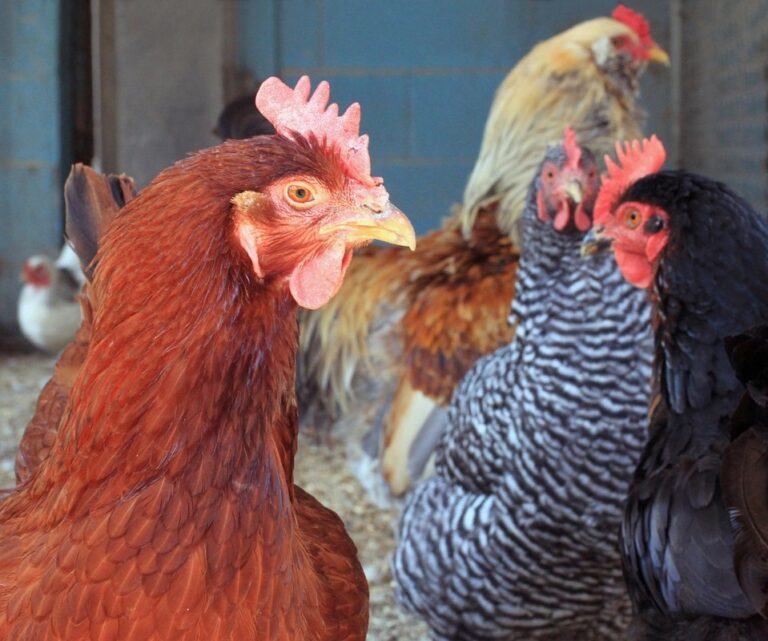
The Barred Rock rooster is an unmistakable sight on any farm or backyard flock. One of its most striking features is its plumage, characterized by a distinctive black and white striped pattern that covers its entire body. This unique coloration gives the breed its name, with the “barred” prefix referring to the horizontal stripes.
In terms of size, Barred Rock roosters are relatively large birds, weighing in at around 8-10 pounds (3.6-4.5 kg) and standing approximately 20-24 inches (51-61 cm) tall. This makes them a commanding presence in any coop or run. Notably, the breed’s size and plumage give it a rugged, robust appearance that belies its friendly and docile nature.
One of the most distinctive features of the Barred Rock rooster is its crest, which is typically erect and well-defined. Some individuals may also exhibit a slight curl to their tail feathers, adding an extra touch of drama to their already impressive plumage.
Temperament and Behavior
When it comes to owning a Barred Rock rooster, understanding his temperament and behavior is crucial for ensuring a harmonious household. We’ll delve into what makes these birds tick and how they interact with their flock.
Personality Traits and Intelligence
When it comes to personality traits and intelligence, Barred Rock chicken roosters are known for their amiable nature. These birds are friendly, docile, and relatively calm, making them an excellent choice for families with children or small farms where they’ll be handling the chickens regularly.
In terms of intelligence, Barred Rocks are considered average to above-average intelligent birds. They’re curious, active, and love to explore their surroundings. This trait makes them easy to train and manage, as they quickly learn to follow routines and respond to commands.
If you’re considering getting a Barred Rock rooster for your backyard flock or small farm, it’s essential to remember that these birds are not for everyone. Due to their friendly nature, they may become too trusting of strangers and potentially become aggressive if they feel threatened or territorial. To mitigate this risk, ensure you provide a secure coop with adequate space for the rooster to roam and exercise.
One way to promote good behavior in your Barred Rock rooster is by providing mental stimulation through activities like foraging games or puzzle toys filled with treats. This will help keep them engaged and prevent boredom-related behavioral issues.
Social Structure and Compatibility
When it comes to social structure and compatibility, Barred Rock roosters can make excellent additions to an existing flock. These birds are known for their friendly and docile nature, which makes them a great choice for backyard chicken keepers who want to integrate new birds into their coop.
In terms of interactions with hens, Barred Rock roosters tend to be gentle and even-tempered, making them an excellent match for most breeds. However, it’s essential to introduce them slowly and under close supervision to prevent any initial aggression or territorial behavior.
When integrating a new Barred Rock rooster into an existing flock, consider the following tips:
* Start by introducing him to one or two hens at a time, allowing him to become familiar with their scent and personality.
* Monitor body language and behavior closely, intervening if you notice any signs of aggression or stress.
* Make sure the coop is large enough to accommodate all birds comfortably, with adequate space for feeding, nesting, and roosting.
By following these guidelines, you can create a harmonious social environment that benefits both your Barred Rock rooster and other flock members.
Health and Nutrition
When it comes to keeping a healthy Barred Rock rooster, proper nutrition is key to preventing common health issues and promoting overall well-being. Here’s what you need to know.
Common Health Issues and Concerns
As you care for your Barred Rock rooster, it’s essential to be aware of the potential health issues that can affect this breed. Respiratory problems are common among chickens, and Barred Rocks are no exception. These issues often arise from dust, dampness, or mold in the coop, so ensure good ventilation and cleanliness. Regularly cleaning out droppings and providing a balanced diet rich in essential nutrients can help prevent respiratory issues.
Additionally, some genetic disorders specific to the Barred Rock breed include Marek’s disease, which causes immunosuppression, and gout, a condition that affects joints. Keep an eye out for symptoms such as lethargy, loss of appetite, or unexplained swelling. Vaccination against Marek’s is crucial, especially in areas with high incidence rates.
Monitoring your rooster’s behavior and physical condition closely will help you catch potential health issues early on. Ensure regular check-ups with a veterinarian familiar with poultry care to stay ahead of any potential problems.
Dietary Needs and Recommendations
When it comes to the dietary needs of Barred Rock chicken roosters, there are some essential requirements to consider for optimal health and egg production. As a backyard farmer or breeder, you’ll want to provide your birds with a balanced diet that includes a mix of protein, fat, carbohydrates, vitamins, and minerals.
A high-quality layer feed should be the foundation of their diet, providing about 16-18% protein and 3-4% calcium. However, it’s also crucial to supplement this with fresh fruits and vegetables daily, such as leafy greens like kale or spinach, carrots, and sweet potatoes. Limit treats like bread, pasta, and high-sodium snacks, as they can lead to malnutrition and health issues.
To support egg production in hens, ensure they have access to a calcium-rich feed or supplement, and provide an oyster shell or crushed eggshells for grit. Fresh water should always be available, and consider adding a probiotic or electrolyte supplement during hot weather to keep your birds hydrated and healthy. By following these dietary recommendations, you can help your Barred Rock roosters thrive and achieve optimal health.
Breeding and Management
As a responsible breeder, you’ll want to understand the essential aspects of breeding and managing your Barred Rock rooster, from health considerations to egg production. This section will guide you through these crucial factors.
Breeding Goals and Objectives
When breeding Barred Rock chicken roosters, it’s essential to have clear goals and objectives in mind. These birds are known for their distinctive barred feathers and friendly disposition, but breeders should aim to select for specific traits that enhance their characteristics while maintaining the breed standard.
To achieve this, you’ll need to define your breeding goals, such as improving fertility rates or enhancing egg production. For example, if you’re looking to create a more prolific breeder, focus on selecting roosters with high sperm count and vigorous mating behavior. On the other hand, if you prioritize meat production, concentrate on selecting birds with well-developed muscling and a robust frame.
In addition to these specific goals, it’s crucial to maintain breed standards that ensure the integrity of the Barred Rock breed. This includes adhering to established guidelines for size, plumage pattern, and temperament. By prioritizing desirable traits while upholding breed standards, you’ll be able to produce high-quality roosters that excel in their intended roles.
To get started, research the existing breed standard for Barred Rocks and identify areas where you can improve upon it. Then, develop a selection plan that outlines specific characteristics you’re looking for in your breeding stock. This will help you stay focused on your goals and make informed decisions throughout the breeding process.
Coop and Pen Requirements
When it comes to housing your Barred Rock rooster, providing a spacious and well-ventilated coop and pen is crucial for their overall health and happiness. As a rule of thumb, the National Association of State Departments of Agriculture recommends at least 2-4 square feet of space per chicken inside the coop, but for a rooster, you’ll want to aim for closer to 5-6 square feet.
In addition to ample space, ensure your coop has proper ventilation to keep your Barred Rock rooster cool and dry. This can be achieved with windows, vents, or even a simple screened-in area. Don’t forget to consider the local climate and adjust accordingly – for example, if you live in a hot and humid region, a roof overhang or misting system might be necessary.
In terms of enrichment, roosters need stimulation to prevent boredom and stress. Provide perches, nesting boxes (yes, even for males!), and scratch areas where your Barred Rock can exercise and engage their natural behaviors. A well-designed pen with adequate fencing will also help protect against predators and give your rooster the freedom to roam.
For a successful coop design, consider the following: include multiple levels or perches to promote movement and exercise, install easy-to-clean feeding and watering systems, and make sure there’s a dedicated area for bedding material (such as straw or wood shavings).
Show and Exhibition
If you’re considering showing off your Barred Rock rooster, it’s essential to know what to expect from a poultry show. We’ll walk you through the basics of getting your bird ready for the spotlight.
Showing and Judging Guidelines
When showing and judging Barred Rock chicken roosters, it’s essential to understand the breed standard. The ideal rooster should have a broad and deep chest, well-rounded ribcage, and strong, muscular legs. His back should be straight, with a slight slope from the shoulders to the tail.
In terms of movement, look for a confident and energetic gait. A Barred Rock rooster should move freely, with a smooth and fluid stride. Avoid roosters that are stiff or hesitant in their movements, as this can indicate underlying health issues.
To prepare your Barred Rock rooster for showing, practice handling him regularly to get him accustomed to being touched and handled by strangers. Make sure he’s well-groomed, with clean feathers and a neat appearance. Pay particular attention to his comb and wattle, which should be bright red and free of any signs of disease or injury.
When presenting your rooster for judging, stand behind him and let the judge approach from the side. This allows the judge to see his movement and overall structure without startling or spooking him.
Tips for First-Time Exhibitors
If you’re new to exhibiting Barred Rock roosters, it can be intimidating to navigate the process. To get started, first check with the specific poultry association or organization that is hosting the competition for their registration requirements and deadlines.
Typically, exhibitors will need to provide identification papers, such as an owner’s certificate or a transfer document, along with proof of age, which may involve submitting birth dates. It’s essential to review these requirements carefully to avoid last-minute scrambles.
When it comes to handling your Barred Rock rooster, practice makes perfect. Get familiar with the breed standard and learn how to hold and move your bird confidently. For beginners, consider partnering with an experienced handler or attending a poultry handling workshop.
At the show itself, remember that show etiquette is just as important as presentation quality. Arrive early, be respectful of other exhibitors and judges, and keep your rooster securely enclosed when not on display. By following these guidelines and staying informed about the specific competition rules, you’ll set yourself up for a successful first-time exhibiting experience with your Barred Rock rooster.
Frequently Asked Questions
What are the ideal housing requirements for Barred Rock roosters in hot climates?
In hot weather, it’s essential to provide shade and ventilation for your Barred Rock rooster. A covered area with plenty of airflow can help keep them cool. Consider using a coop with windows or a screened-in run to allow for natural air circulation.
How do I identify potential health issues in my Barred Rock rooster?
Regular check-ups with a veterinarian are crucial, but also monitor your rooster’s behavior and appetite. Look out for signs of respiratory problems, such as labored breathing or wheezing, and ensure they have access to fresh water and a balanced diet.
Can I keep multiple Barred Rock roosters together in the same coop?
While Barred Rocks are generally friendly, introducing multiple roosters can lead to aggression. Consider housing them separately or using a large enough space where each bird has its own territory. Make sure there’s adequate food, water, and resources for each rooster.
How often should I collect eggs from my Barred Rock hen, and what about the rooster?
Barred Rocks are prolific layers, but you’ll only need to worry about egg collection if you have a hen. If you’re keeping your rooster for breeding purposes or as a show bird, you won’t have to collect eggs.
What’s the best way to introduce a new Barred Rock rooster to an existing flock?
Introduce the new rooster slowly and under close supervision. Start by keeping them separated but allowing visual contact, then gradually increase their interaction time. Monitor the behavior of all birds, and be prepared to separate them if necessary to prevent any aggression issues.