
If you’re anything like me, you love learning about unique and versatile backyard birds. You might be surprised to know that Barred Rock rooster hens are not only charming additions to your flock but also exceptional egg-layers. These fascinating fowl have a rich history and distinct characteristics that make them an excellent choice for many backyard chicken keepers.
In this article, we’ll delve into the world of Barred Rock rooster hens, exploring their benefits, care requirements, and what sets them apart from other breeds. We’ll discuss everything you need to know about these remarkable birds, from their egg-laying capabilities to their temperament and hardiness. By the end of this post, you’ll have a better understanding of why Barred Rock rooster hens are an excellent addition to your backyard flock and how they can enhance your egg production and overall chicken-keeping experience.
The Basics of Barred Rock Chickens
Let’s start with the basics: what makes a rooster, well, a rooster and not just a hen, when it comes to the Barred Rock breed. We’ll break down their characteristics.
Origin and History of Barred Rocks
The Barred Rock breed has its roots in America, where it was developed in the early 20th century. Initially bred for their egg-laying abilities and hardiness, they quickly gained popularity among farmers and backyard chicken keepers due to their excellent temperament and robust constitution. Their ancestors were a mix of Plymouth Rock and Cochin breeds, which explains their striking black-and-white feather pattern.
One of the earliest recorded breeders of Barred Rocks was William Yarrow in 1887, who crossed his own Black Java fowl with a White Cochin hen to create a bird that combined the best traits of both parents. The result was a hardy, prolific egg-layer with a unique appearance and exceptional temperament.
As you consider adding Barred Rocks to your flock, keep their origins in mind when choosing whether or not they’re right for your operation. Their history as farmwork horses has left them well-suited to life outdoors and easy to care for, making them an excellent choice for those new to backyard chicken-keeping.
Physical Characteristics of Barred Rocks
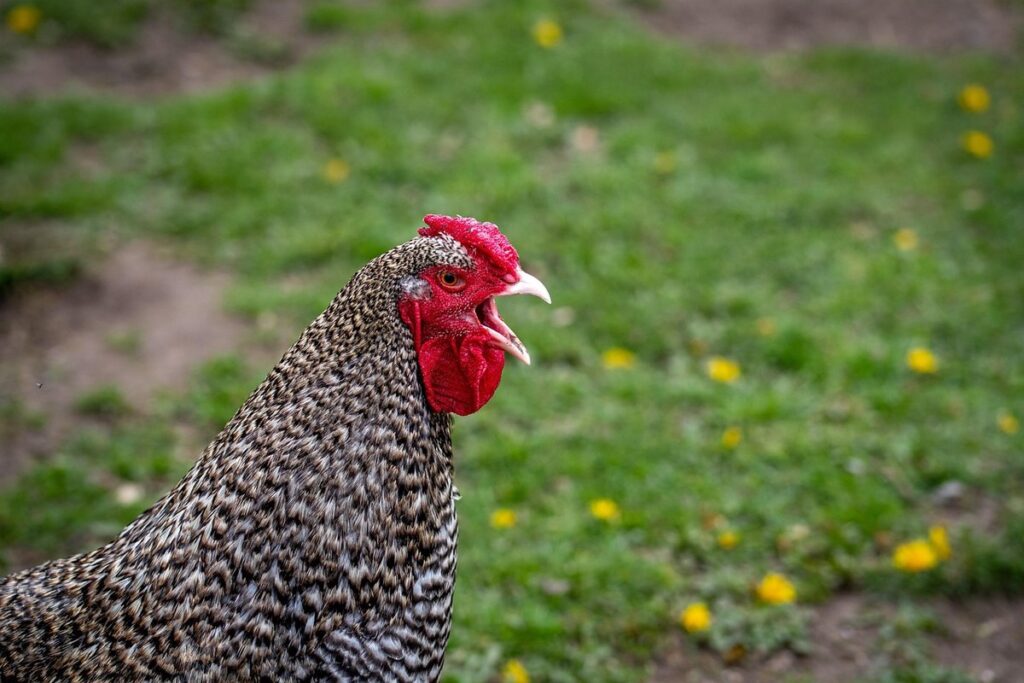
Barred Rocks are known for their distinctive physical characteristics that make them easily identifiable. One of the breed’s most notable features is its plumage, which consists of black and white stripes running horizontally across the body. This unique pattern gives the Barred Rock a sleek and striking appearance.
In terms of size, Barred Rocks are considered a medium to large breed, with roosters typically weighing between 8-10 pounds and hens weighing around 6-7 pounds. This makes them a great fit for small farms or backyard flocks where space is limited.
The body type of the Barred Rock is also worth noting. They have a sturdy build and a compact frame, which allows them to be agile and nimble in tight spaces. Their overall appearance is that of a robust and healthy bird, well-suited to both meat and egg production.
When selecting a Barred Rock for your flock, look for birds with clean feathers, bright eyes, and a lively demeanor. A well-cared-for Barred Rock should have a shiny coat and a strong, active posture.
Introduction to Rooster Hens: What You Need to Know
If you’re considering getting a Barred Rock rooster, understanding what to expect from these birds is essential for their health and well-being. In this section, we’ll cover the key characteristics of rooster hens.
Understanding Sex-Linked Breeding
When it comes to sex-linked breeding, you may have heard that some breeds of chicken are more suitable for backyard flocks than others. This is because certain breeds have been developed using specific techniques that can impact the characteristics of rooster hens. So, what exactly is sex-linked breeding? In simple terms, sex-linked breeding involves selecting for breeds that have distinct physical traits linked to their sex chromosomes.
For example, some breeds like the Silkie and Polish are naturally more inclined towards being hen-like in appearance, even if they’re actually males. On the other hand, breeds like the Barred Rock Rooster Hen are bred using a specific technique called male-friendly genetics. This means that the genetic traits that make them exhibit rooster characteristics are passed down from their father’s side. This results in birds that have a stronger tendency to be more aggressive and have certain physical features typically associated with males.
This understanding of sex-linked breeding is crucial when it comes to owning Barred Rock Rooster Hens, as they may behave differently than female Barred Rocks due to these genetic influences.
Pros and Cons of Barred Rock Rooster Hens
If you’re considering keeping Barred Rock rooster hens, it’s essential to weigh the pros and cons of doing so. One significant advantage is their egg-laying abilities – despite being roosters, they will still produce eggs, although fewer than hens. However, this can be a convenient bonus for backyard farmers or homesteaders with limited space.
On the other hand, one major con of keeping Barred Rock rooster hens is their potential aggression towards humans and other animals. They can become quite territorial and may attack if they feel threatened or if you approach them too quickly. This is especially true during mating season.
Another drawback to consider is noise – roosters are notorious for their loud crowing, which can be a disturbance to neighbors or family members who live nearby. If you’re concerned about keeping the peace, it’s crucial to research local ordinances regarding backyard chickens and take steps to mitigate any potential issues.
Caring for Your Barred Rock Rooster Hen
Caring for your Barred Rock rooster hen requires attention to its unique needs, particularly when it comes to nutrition and health. We’ll cover essential tips to keep them thriving.
Housing and Environment Requirements
When it comes to creating a suitable environment for your Barred Rock rooster hen, there are several key considerations to keep in mind. First and foremost, ensure that the coop is spacious enough for her to move around comfortably. A good rule of thumb is to provide at least 2-3 square feet of space per bird inside the coop, with an additional 8-10 square feet in the run.
Proper ventilation is also crucial to maintaining a healthy environment. Ensure that there are adequate windows and vents to allow for airflow, and consider installing a fan or two to circulate air during hot summer months. Additionally, allocate enough space in the coop for your hen to roost comfortably – ideally 6-8 inches of nesting box per bird.
Remember, a happy and healthy Barred Rock rooster hen is more likely to thrive when provided with a suitable environment. By following these simple tips, you can create a comfortable and inviting space that meets her needs and encourages her well-being.
Nutrition and Health Considerations
When it comes to caring for your Barred Rock rooster hen, their nutritional needs are crucial to maintaining optimal health. As a heavy breed, they require a balanced diet rich in protein and calories to support their growth and energy needs. A good starting point is to provide high-quality layer feed as the main staple of their diet, supplemented with fresh fruits and vegetables to ensure essential vitamins and minerals.
However, Barred Rock roosters are prone to respiratory problems due to their compact chest and long beak, which can lead to breathing difficulties. Regular cleaning of the coop and run is vital to reduce dust levels and prevent irritation in the respiratory tract. Ensure proper ventilation in the coop by installing windows or improving airflow with mesh panels.
Additionally, Barred Rocks may experience feather loss around the vent area due to excessive rubbing against perches. Providing wider perches or using ramps to encourage roosting on bars rather than beams can help alleviate this issue. Regular checks for any signs of respiratory distress, such as labored breathing or wheezing, will allow you to intervene early and prevent complications.
Breeding and Raising Barred Rock Rooster Hens
When it comes to breeding and raising your very own Barred Rock rooster hens, understanding their unique needs and characteristics is crucial for success. Let’s dive into the specifics of rearing these magnificent birds.
Sex-Linked Genetics in Barred Rocks
When it comes to breeding and raising Barred Rock rooster hens, understanding sex-linked genetics is crucial. Sex-linked genetics refers to the way genes are inherited by offspring based on their sex chromosomes. In chickens, this means that certain traits can be linked to specific sex chromosomes, making them easier to predict in chicks.
Barred Rocks, being a sex-linked breed, rely heavily on this principle for identifying rooster hens at hatch. The genetics behind Barred Rocks involve the presence of the barred gene, which is recessive and only appears when paired with another copy of itself (homozygous). When crossed with other breeds or strains, breeders can use sex-linked genetics to identify rooster hens early on.
In practice, this means that breeders can select for specific traits in their breeding program by choosing parents that have the desired sex-linked genes. For example, if a breeder wants to preserve the barred gene while eliminating unwanted characteristics, they can choose roosters with known sex-linked genetics and pair them with hens that carry the recessive alleles.
As you plan your breeding program for Barred Rock rooster hens, keep in mind that understanding sex-linked genetics is key to successfully identifying and raising these birds. By mastering this concept, you’ll be well on your way to producing high-quality rooster hens that showcase the distinctive characteristics of this beloved breed.
Managing Roosters in a Flock
Integrating rooster hens into an existing flock can be a delicate process. When introducing new birds to the mix, it’s essential to do so gradually to prevent stress and aggression. Begin by keeping the new roosters separate from the main flock for a few days to allow them to adjust to their new surroundings. Once they appear settled, start with visual introductions, such as allowing them to see each other through a fence or gate.
Once you’re confident that both groups are comfortable around each other, it’s time for a supervised introduction under close observation. Start by keeping the roosters separated and allowing them to interact through a barrier before gradually removing the obstacle. Monitor their behavior closely, intervening if necessary to prevent any conflicts. With patience and proper management, even the most dominant birds can coexist peacefully.
A key aspect of managing rooster hens is recognizing signs of aggression and taking action promptly. Watch for body language such as crowing loudly, strutting aggressively, or attempting to dominate food sources. If you notice these behaviors escalating, separate the aggressive bird from the rest of the flock to prevent harm.
Common Issues with Barred Rock Rooster Hens
You may have heard that Barred Rock rooster hens can be problematic, but what exactly do you need to watch out for in terms of behavior and health? Let’s explore some common issues you should be aware of.
Aggression and Dominance Behavior
Aggression and dominance behavior can be concerning issues with Barred Rock rooster hens. These birds are known for their friendly nature, but like all roosters, they can develop aggressive tendencies if not properly managed. One common problem is pecking, where a dominant bird will peck at others to assert its authority. This behavior often starts as a result of boredom or lack of stimulation.
To mitigate aggression and dominance behavior, it’s essential to establish a clear hierarchy within your flock. Provide enough space for your birds to roam and engage in natural behaviors like scratching and foraging. Make sure each bird has access to food, water, and perches without feeling threatened by others.
Consider introducing multiple roosters to the flock, as this can help distribute aggression and dominance among them. However, be cautious not to create too many dominant birds, as this can lead to more problems than it solves. Monitor your flock’s behavior closely and intervene early if you notice signs of aggression or pecking.
Health Concerns in Rooster Hens
As you’ve learned about the unique characteristics and needs of Barred Rock rooster hens, it’s essential to acknowledge some potential health concerns that can arise in these birds. One significant issue is reproductive problems, which are more common in males than females due to hormonal imbalances and anatomical differences. Roosters may experience testicular issues, such as tumors or undescended testicles, leading to infertility or painful conditions.
Parasites like mites, lice, and internal worms can also infest rooster hens, causing discomfort, anemia, and even death if left untreated. Regular health checks, proper sanitation, and parasite control measures are crucial in preventing these issues. In addition, maintaining a balanced diet that meets the nutritional needs of your Barred Rock roosters will help prevent health problems.
It’s also vital to recognize the signs of illness or discomfort in your birds, such as changes in appetite, drooping wings, or difficulty walking. If you notice any unusual behavior or physical symptoms, consult with a veterinarian experienced in poultry care to address these issues promptly and effectively.
Conclusion: Nurturing Your Barred Rock Rooster Hen
Now that you’ve learned how to care for your barred rock rooster hen, it’s time to nurture her and help her thrive in her new role as a productive member of your flock. This section offers final tips and advice on caring for your special bird.
Recap of Key Points
In this comprehensive guide, we’ve covered everything you need to know about Barred Rock rooster hens. One of the key takeaways is that while these birds can exhibit masculine characteristics, they are not necessarily aggressive or dominant. In fact, many Barred Rock roosters make wonderful pets due to their gentle and affectionate nature.
We discussed how to identify a Barred Rock rooster hen, including looking for male plumage, comb size, and behavior. We also touched on the importance of understanding your bird’s individual personality and needs, as this can greatly impact its overall well-being and happiness.
Another crucial point is that some breeders may mislabel birds or intentionally raise them as males to take advantage of higher prices. To avoid falling victim to these practices, it’s essential to research reputable breeders and purchase from them.
By keeping these key points in mind, you’ll be better equipped to identify and care for your Barred Rock rooster hen. Remember to provide a stimulating environment, plenty of social interaction, and regular veterinary check-ups to ensure your bird leads a long and healthy life.
Encouragement and Next Steps
As you’ve come to understand more about these unique birds, I hope you’re excited to integrate them into your flock and enjoy all the benefits they have to offer. Remember, a happy and healthy rooster hen is not only a joy to live with but also an essential member of your poultry family.
One of the most significant takeaways from this comprehensive guide is that Barred Rock Roosters are truly one-of-a-kind birds. Their intelligence, friendly nature, and adaptability make them an excellent choice for backyard chicken keepers. So, what’s next? Start by building a strong bond with your rooster hen, learn their individual personalities, and create a safe and welcoming environment for them to thrive.
If you’re new to keeping Barred Rock Roosters, consider joining online communities or forums where experienced owners share valuable insights, advice, and resources. This will help you stay up-to-date on best practices and address any specific challenges you may face along the way. Don’t be afraid to ask questions – after all, that’s how we learn and grow together!
Frequently Asked Questions
Can I start breeding Barred Rock rooster hens for profit if I already have a small flock?
Yes, you can start breeding Barred Rock rooster hens for profit, but it’s essential to understand sex-linked genetics and the specific needs of this breed. Make sure you have enough space, resources, and knowledge to raise healthy and thriving chicks.
How do I handle aggression or dominance behavior in my Barred Rock rooster hen?
Aggression or dominance behavior can be a challenge when managing roosters. Ensure your flock has ample space and provide separate areas for hens and roosters to reduce stress and competition. Also, consider introducing them at an early age and separating dominant birds from the rest of the flock.
Can I mix Barred Rock rooster hens with other breeds in my backyard flock?
You can definitely mix Barred Rock rooster hens with other breeds, but it’s crucial to understand their temperament and adaptability. Research the characteristics of each breed and ensure compatibility before introducing them together.
How do I tell if a Barred Rock chick is actually a hen or a rooster?
Determine sex through vent sexing by a qualified breeder or veterinarian, as this breed has some ambiguity in determining sex due to their sex-linked genetics. However, you can also monitor behavior and growth patterns as they mature.
Can I raise Barred Rock rooster hens without a roost or perching bars?
No, it’s crucial to provide adequate perches and nesting boxes for your hens, regardless of the breed. Ensure you offer sturdy roosts with sufficient space for them to roost comfortably and lay eggs safely in a well-designed coop.