
Are you considering adding some new feathered friends to your backyard flock, but struggling to decide between two popular breeds: Barred Rocks and Cuckoo Marans? These birds are known for their unique characteristics and striking appearances, making them a great choice for chicken enthusiasts. However, identifying the differences between these two breeds can be a challenge, especially if you’re new to raising chickens. In this article, we’ll delve into the key characteristics that set Barred Rocks and Cuckoo Marans apart, covering everything from breeding tips and health concerns to their distinctive markings and temperaments. By the end of this guide, you’ll have all the information you need to make an informed decision about which breed is right for your flock.
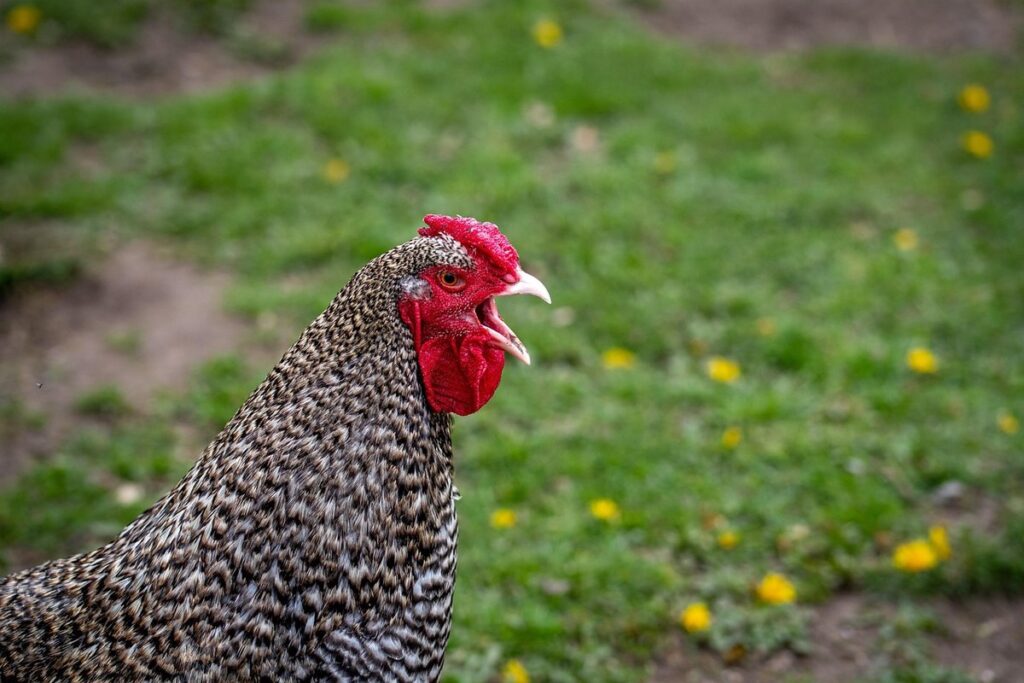
Key Differences Between Barred Rock and Cuckoo Marans
One of the most significant challenges when identifying these breeds is telling them apart, especially when they share similarities in plumage patterns. In this section, we’ll highlight the key differences that set Barred Rock and Cuckoo Marans apart.
Physical Characteristics of Barred Rocks
When it comes to identifying Barred Rock chickens, their physical characteristics are quite distinctive. One of the most noticeable features is their striking plumage, which consists of a black and white barred pattern that covers their entire body. The bars are evenly spaced and run horizontally across the feathers, giving them a unique and eye-catching appearance.
In terms of overall size, Barred Rock chickens are considered to be medium-sized birds. They typically weigh between 4-6 pounds (1.8-2.7 kg) and stand around 18-20 inches (45-50 cm) tall. Their beak shape is also worth noting – it’s relatively short and broad, with a slight curve at the tip.
When identifying Barred Rock chickens, pay attention to their overall size and plumage pattern. If you’re still unsure, take a closer look at their beak shape – if it’s short and broad with a slight curve, chances are you’re dealing with a Barred Rock.
Physical Characteristics of Cuckoo Marans
When it comes to identifying Cuckoo Marans chickens, their physical characteristics play a significant role. One of the most distinctive features of this breed is their dark eggshell color, which can range from dark brown to nearly black. This trait is not only unique but also indicates that the eggs will have a richer, more intense flavor.
In addition to their eggshell color, Cuckoo Marans chickens are also known for their distinctive markings. These birds typically feature a mix of black and white feathers, with intricate splashes and swirls of color across their bodies. The exact pattern can vary from one bird to another, but it’s not uncommon to see Cuckoo Marans chickens with patches or streaks of white on their wings, tails, or faces.
To identify a Cuckoo Marans chicken, look for these distinct markings and eggshell colors. With practice, you’ll be able to quickly distinguish them from other breeds like the Barred Rock. Keep in mind that some variation may occur within individual birds, so it’s essential to observe multiple characteristics before making a definitive identification.
Cuckoo Marans chickens are also known for their smaller size compared to other breeds, weighing around 5-6 pounds on average. This characteristic can be a helpful distinguishing factor when identifying these birds in the coop or at an auction.
History and Origins
Let’s take a step back in time to explore how these two breeds came to be, and where their unique characteristics originated from. This journey will give you insight into their fascinating pasts.
The Origin of Barred Rocks
The Barred Rock breed has its roots in the United States, where it was developed specifically for meat production. The breed’s origins date back to the early 20th century when farmers sought a hardy and prolific layer that could withstand the harsh conditions of American farms. To achieve this goal, breeders crossed various breeds, including the Plymouth Rock, which is known for its robust nature and high egg-laying capacity.
The result was a chicken that excelled in both meat and egg production. Barred Rocks are characterized by their distinctive black-and-white feathers, which make them easy to identify. In addition to their physical appearance, this breed is also valued for its friendly disposition, making it an excellent choice for backyard flocks. As a meat bird, the Barred Rock has been used extensively in the past, but today it’s also prized by many chicken enthusiasts for its rich flavor and versatility.
Interestingly, some breeders have found that crossing Barred Rocks with other breeds can enhance their desirable traits, such as increased egg-laying capacity or improved hardiness. However, this is not recommended for novice chicken keepers, as it requires a thorough understanding of genetics and breeding practices.
The Origin of Cuckoo Marans
Cuckoo Marans chickens have a rich history that dates back to Europe, where they were first bred for their exceptional egg-laying abilities. These birds are believed to have originated from the Marans breed, which is an ancient chicken breed hailing from the coastal regions of France and Belgium. Over time, breeders selectively bred these Marans to produce eggs with a distinctive dark brown color.
One theory behind the creation of Cuckoo Marans is that they were developed by crossing Marans with other breeds that produced cuckoo-patterned feathers. This unique feather pattern, characterized by white or pale markings on a darker background, was highly valued for its aesthetic appeal and ability to make the birds more visually striking. Despite their origins as egg-layers, Cuckoo Marans are now prized for both their attractive appearance and their friendly, docile nature.
If you’re considering adding Cuckoo Marans to your flock, be aware that they can lay around 150-200 large, dark brown eggs per year. This makes them a great choice for backyard chicken keepers looking to supplement their family’s egg supply with fresh, nutritious eggs.
Egg-Laying Habits
When it comes to identifying these two breeds, understanding their egg-laying habits can be a big help. Let’s take a look at how Barred Rocks and Cuckoo Marans compare in terms of egg production.
Egg Size and Color of Barred Rocks
When it comes to identifying Barred Rock eggs, their size and color can be quite distinct from those of Cuckoo Marans. On average, a Barred Rock egg measures around 28-30 grams (1 ounce) in weight and is roughly 2.25 inches (5.7 cm) long by 1.75 inches (4.4 cm) wide. However, it’s essential to note that these measurements can vary depending on factors such as the chicken’s age, nutrition, and individual breed characteristics.
In terms of color, Barred Rock eggs are often a pale brown or cream color with subtle swirling patterns. You might also notice some darker flecks or spots scattered across the eggshell. These markings can be quite unique to each bird, so keep an eye out for any distinguishing features that may help you identify your flock members.
To get a better sense of what Barred Rock eggs look like in real life, collect and compare several eggs from different hens. Observe their size, shape, and coloration – does one hen consistently lay larger or darker eggs? Take note of these differences to refine your identification skills.
Egg Size and Color of Cuckoo Marans
When it comes to identifying Cuckoo Marans eggs, one of the most distinctive characteristics is their large size. Measuring around 60-65mm in length and 45-48mm in width, these eggs are significantly larger than those laid by other chicken breeds. In fact, they’re often referred to as “giant” eggs due to their impressive dimensions.
But it’s not just the size that sets Cuckoo Marans eggs apart – their color is also quite unique. Dark brown in hue, with a subtle sheen to them, these eggs are almost black in appearance. This dark coloration can make them blend in with the nesting box or surrounding environment, which can be both an advantage and a disadvantage.
To identify a Cuckoo Marans egg, look for the distinctive large size and dark brown color. You may also notice that the egg has a slightly pointed end, which is another characteristic of these eggs. Keep in mind that some Cuckoo Marans hens may produce lighter-colored eggs, but the large size will usually be consistent. If you’re new to raising Cuckoo Marans, it’s worth noting that they can take up to 3-4 days to lay their first egg, so be patient!
Temperament and Personality
When it comes to identifying these two breeds, understanding their unique temperaments and personalities can be a game-changer. Let’s explore how each breed behaves in its own special way.
The Temperament of Barred Rocks
If you’re considering adding Barred Rocks to your backyard flock, you’ll quickly discover why they’re such a beloved breed. Friendly and docile are just two words that perfectly capture the temperament of these charming birds.
One of the most distinctive features of Barred Rocks is their calm demeanor. They’re not easily ruffled or stressed, making them an excellent choice for families with children or for those who want a low-maintenance flock. Their even-tempered nature also means they get along well with other breeds and can thrive in multi-chicken households.
Barred Rocks are also surprisingly social birds that love human interaction. They’ll often seek out attention from their owners, following them around the yard and napping at their feet. With proper care and handling, these chickens will become loving companions to your family. Just remember to establish clear boundaries and provide a balanced environment, including adequate space for exercise and mental stimulation.
By incorporating Barred Rocks into your flock, you’ll not only enjoy their delightful personalities but also benefit from their easy-going nature, making them an excellent choice for backyard chicken keepers of all skill levels.
The Temperament of Cuckoo Marans
If you’re considering adding Cuckoo Marans to your flock, one of their most appealing traits is their temperament. These gentle birds are known for being calm and laid-back, making them an excellent choice for families with children. Unlike some other breeds that can be skittish or territorial, Cuckoo Marans tend to be more relaxed and easy-going.
Their gentle nature means they’re less likely to fight back if handled roughly, which makes them perfect for young children who may not have the finesse needed to handle birds gently. In fact, with proper introduction and socialization, Cuckoo Marans can become quite tame and enjoy human interaction.
One key aspect of their temperament is their adaptability. They’re happy to live in small spaces, making them ideal for urban or suburban backyards where space may be limited. With regular exercise and mental stimulation, they’ll thrive in even the most compact environments. This adaptability also means they can get along with other breeds, especially if introduced gradually and under close supervision.
Overall, Cuckoo Marans’ calm temperament makes them a wonderful addition to any family flock, offering a unique blend of charm and friendliness that’s hard to resist.
Breeding and Raising Tips
If you’re thinking of breeding Barred Rock or Cuckoo Marans chickens, understanding their unique characteristics is crucial to raising healthy offspring. This section offers practical tips for successful breeding and hatching.
Tips for Breeding Barred Rocks
When breeding Barred Rocks, it’s essential to select high-quality parents that will produce healthy and robust offspring. Start by choosing two birds with excellent temperament, egg-laying ability, and feather quality. Look for individuals with well-defined black bars on their feathers, a key characteristic of the breed.
To maintain a healthy breeding program, ensure your flock is free from diseases and parasites. Regularly check for signs of illness, such as labored breathing or lethargy, and quarantine any affected birds. Vaccinations can also help prevent common chicken diseases like Marek’s disease.
When selecting parents, consider their egg-laying ability. Barred Rocks are known to be prolific layers, producing an average of 200 large brown eggs per year. However, some birds may lay more than others, so select parents with a consistent laying record.
To improve your chances of breeding successful offspring, breed pairs that have similar characteristics and traits. This will help you maintain the integrity of the breed while also reducing the risk of genetic disorders.
Tips for Breeding Cuckoo Marans
Breeding Cuckoo Marans requires attention to their unique characteristics and needs. First, consider their genetic makeup as they are a result of crossing Barnevelders with Marans. This blend can make them prone to certain health issues, such as poor fertility and reproductive problems. To mitigate this, it’s essential to select breeding stock from reputable sources.
When breeding Cuckoo Marans, also keep in mind that they have a high egg-laying capacity, often producing up to 200 eggs per year. However, this can lead to exhaustion if not managed properly. Make sure to provide them with adequate space and nutrients to maintain their health.
One crucial aspect of breeding Cuckoo Marans is identifying sex at a young age, as males can be more aggressive than females. A simple way to do this is by observing their behavior or checking for vent characteristics around 4-6 weeks old.
To breed successful Cuckoo Marans, choose birds that exhibit desirable traits such as good egg-laying ability and friendly temperament. Monitor their health closely, and intervene if you notice any signs of disease or stress. By being mindful of these factors, you can increase the chances of raising healthy chicks with the desired characteristics.
Common Health Issues
As you work on identifying your Barred Rock and Cuckoo Marans, it’s essential to be aware of common health issues that can affect these breeds, from respiratory problems to mites.
Health Concerns in Barred Rocks
As you consider adding Barred Rock chickens to your flock, it’s essential to be aware of some common health concerns that can affect this breed. Obesity is a significant issue for Barred Rocks, particularly if they’re not provided with enough space to roam and exercise. This can lead to a range of problems, including joint issues, reduced egg-laying, and increased susceptibility to diseases like fatty liver syndrome.
Respiratory problems are another concern for Barred Rock chickens, particularly in areas with high humidity or poor ventilation. Conditions such as bronchitis and tracheal stenosis can be serious and may require veterinary attention. To mitigate these risks, ensure that your coop has adequate ventilation and consider providing a dust bath to help keep your birds’ respiratory systems healthy.
Regular monitoring of your flock’s diet and exercise habits is crucial in preventing obesity and other health issues. Make sure to provide plenty of fresh water and feed a balanced diet that meets your birds’ nutritional needs. Additionally, ensure that your coop is well-maintained and provides enough space for your birds to move around comfortably.
Health Concerns in Cuckoo Marans
Cuckoo Marans chickens are known for their stunning black feathers with splashes of white, but did you know that they’re also prone to certain health issues? As a responsible chicken owner, it’s essential to be aware of these potential problems so you can take preventative measures.
One common health concern in Cuckoo Marans is Marek’s disease. This viral infection affects the nervous system and can lead to symptoms like paralysis, lethargy, and even death. To minimize the risk, make sure your flock has access to a balanced diet, plenty of fresh water, and regular vaccinations.
Another issue that may affect Cuckoo Marans is obesity. These birds are naturally foragers, so they need plenty of space to roam and exercise. Provide them with a large coop and run area where they can move around freely. You should also ensure their diet is well-balanced and not too rich in calories.
Regular check-ups with a veterinarian will help you identify any health issues early on. With proper care and attention, your Cuckoo Marans flock can stay healthy and thrive for years to come.
Conclusion: Choosing Between Barred Rock and Cuckoo Marans
Now that we’ve identified these two breeds, it’s time to make a decision – which one will you choose for your backyard flock? This section helps you weigh the differences.
Factors to Consider When Selecting a Breed
When it comes to deciding between Barred Rock and Cuckoo Marans, several factors come into play. First and foremost is egg-laying ability. If you’re looking for a breed that will provide a steady supply of eggs, the Barred Rock may be the better choice. They are known for their high egg production, laying an average of 280-300 brown eggs per year. In contrast, Cuckoo Marans are prolific layers as well, but they tend to produce fewer eggs, around 200-220.
Temperament is another essential consideration. If you have children or other pets in the household, a calm and docile breed like the Barred Rock may be more suitable. However, if you’re looking for a breed that’s a bit more energetic and playful, the Cuckoo Marans might be a better fit.
Finally, appearance is also a key factor to consider. Both breeds have unique characteristics – the Barred Rock’s distinctive barred feathers and the Cuckoo Marans’ dark, speckled plumage – but it ultimately comes down to personal preference. Consider what you’re looking for in a breed and choose accordingly.
Final Thoughts on Barred Rocks vs Cuckoo Marans
When it comes down to making a decision between these two popular breeds, it’s essential to remember that both Barred Rocks and Cuckoo Marans have their unique strengths. If you’re looking for a breed that excels at egg production, the Barred Rock might be the better choice, with an average of 200-220 eggs per year. On the other hand, if you prioritize temperament and hardiness, the Cuckoo Marans is an excellent option, known for being friendly, docile, and adaptable to various environments.
Ultimately, it’s crucial to consider your personal preferences, climate, and lifestyle when deciding between these two breeds. If you live in a colder region or have limited space, the Barred Rock’s robust nature might make them more suitable. However, if you’re looking for a breed that thrives on minimal care and attention, the Cuckoo Marans is an excellent choice.
Consider your needs and don’t be afraid to try both breeds before making a final decision. Keep in mind that these are just two of many factors to consider when choosing a chicken breed.
Frequently Asked Questions
Can I mix Barred Rock and Cuckoo Marans breeds to create hybrid chickens?
Yes, you can crossbreed these two breeds, but it’s essential to consider the potential effects on egg production, temperament, and overall health. Hybridization may not always result in consistent traits, so be prepared for variations in your flock.
What should I look for when identifying Barred Rock and Cuckoo Marans chicks?
When selecting young birds, examine their plumage patterns closely. Barred Rocks will have black and white bars on their entire body, while Cuckoo Marans may display a predominantly dark color with lighter markings or ‘cuckoo’ spots.
How do I ensure my flock remains healthy if I choose to breed both Barred Rock and Cuckoo Marans?
Maintaining a diverse flock is crucial. Regular health checks, balanced nutrition, and a clean environment will help prevent the spread of diseases within your flock. Consider introducing new birds gradually to minimize stress on existing members.
What’s the ideal space requirement for a mixed flock consisting of Barred Rock and Cuckoo Marans?
Providing ample space (about 4-5 square feet per bird) is crucial, regardless of breed combination. Make sure your coop and run are well-ventilated and predator-proof to ensure both breeds’ safety and comfort.
Can I use the same feeding and nutrition plan for both Barred Rock and Cuckoo Marans?
Yes, you can feed them similarly, but consider their specific needs based on age, size, and production level. A balanced diet rich in protein (16-18%) will support egg-laying in females while maintaining overall health.