
Are you considering adding new chickens to your backyard flock, but can’t decide between two popular breeds: Barred Rocks and Plymouth Rocks? With their rich histories, unique characteristics, and high egg production rates, it’s no wonder these breeds are top choices among chicken enthusiasts. But which one is right for you? In this article, we’ll delve into the world of Barred Rock vs Plymouth Rock understanding, comparing their egg-laying abilities, meat quality, temperaments, and overall health considerations. By exploring the pros and cons of each breed, you’ll be better equipped to make an informed decision that meets your family’s needs and preferences. Let’s take a closer look at what makes these two breeds so special and how they can bring joy and sustainability to your backyard flock.
Introduction to Backyard Chickens
If you’re new to raising backyard chickens, getting started can be overwhelming, but understanding the basics is key. This section will cover the fundamentals of keeping chickens in your own yard.
Brief History of Dual-Purpose Breeds
Dual-purpose breeds have been around for centuries, and their history is closely tied to the development of modern chicken farming. These breeds were originally created by farmers who needed birds that could provide both eggs and meat. Two of the most popular dual-purpose breeds are the Barred Rock and Plymouth Rock.
The Barred Rock originated in England in the 1800s, where it was known as the “Indian Game” bird. This breed was prized for its striking black and white feathers, but also for its impressive egg-laying abilities – up to 200 brown eggs per year. Early American farmers brought these birds back to the US, where they became a staple on many farms.
The Plymouth Rock, on the other hand, has its roots in Massachusetts, dating back to the early 19th century. This breed was developed specifically for its high egg production and sturdy build, making it an ideal choice for small-scale farmers. The original Plymouth Rock birds were known for their gentle nature and ability to produce over 200 brown eggs per year.
Today, both breeds remain popular choices for backyard chicken enthusiasts due to their hardiness and versatility. By understanding the origins of these breeds, we can appreciate the value they bring to our modern chicken-keeping practices.
Choosing a Dual-Purpose Breed for Your Flock
When it comes to choosing the perfect breed for your backyard flock, you’ll want to consider two key factors: egg production and meat quality. If you’re looking for a dual-purpose breed that excels in both areas, you have several options.
In our comparison of Barred Rock and Plymouth Rock breeds, we’ve seen that both excel in these areas, but with some notable differences. For example, the Barred Rock is known for its high egg production, laying an average of 200-220 eggs per year, while the Plymouth Rock is a bit more laid-back, producing around 180-200 eggs annually.
When selecting a breed for your flock, consider your personal preferences and needs. If you’re looking for a breed that will provide a steady supply of fresh eggs, the Barred Rock may be the better choice. On the other hand, if you’re interested in raising chickens for meat as well as eggs, the Plymouth Rock’s rich flavor and firm texture make it an excellent option.
Ultimately, both breeds are excellent choices for backyard flocks, but understanding their unique characteristics will help you make an informed decision that meets your needs.
Breed Characteristics: Barred Rock
One of the most important factors in deciding between a Barred Rock and Plymouth Rock is understanding their unique breed characteristics, which are outlined below. Let’s take a closer look at what makes a Barred Rock special.
Physical Characteristics
The Barred Rock’s physical characteristics make them easily recognizable. One of their most distinctive features is their size. As a breed, they are medium-sized chickens, weighing between 4-6 pounds and standing approximately 20 inches tall. This size range makes them an excellent choice for backyard flocks, as they can thrive in smaller spaces.
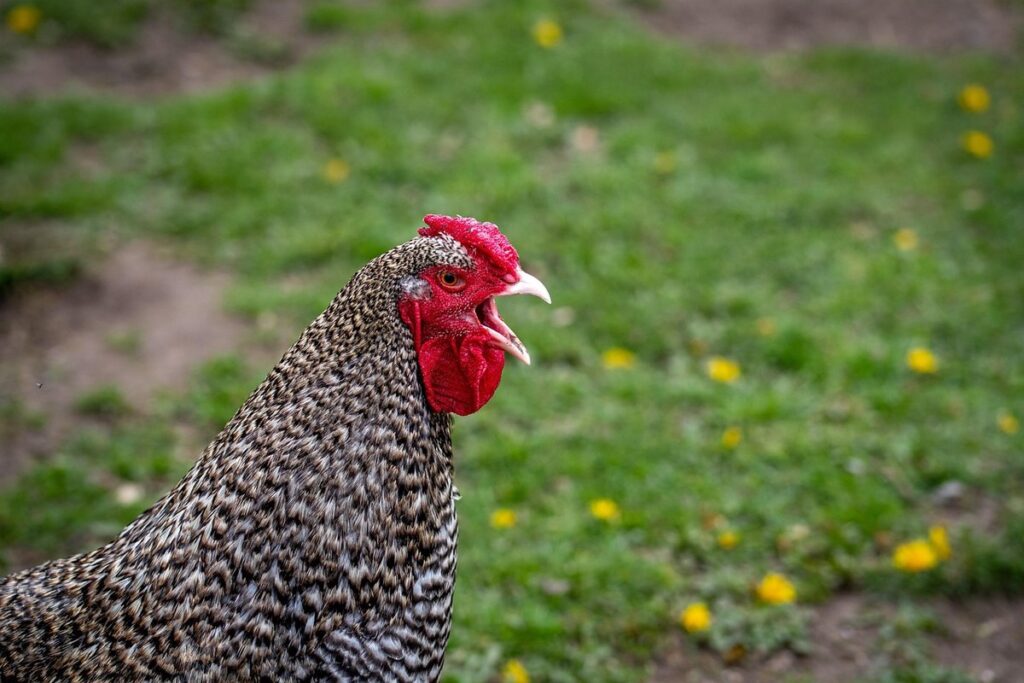
Their plumage is another defining feature of the Barred Rock. The breed is known for its striking black and white barred pattern, which covers their entire body. This unique coloration gives them a sleek and attractive appearance. However, it’s worth noting that some individuals may have more pronounced or less intense barring, making each bird somewhat unique.
Their beaks are also relatively small and yellow in color. A well-cared-for Barred Rock will typically sport shiny, healthy feathers with no signs of dullness or uneven growth.
Temperament and Hardiness
The Barred Rock’s temperament and hardiness are two of its most notable characteristics that make it an excellent addition to a backyard flock. This breed is known for being friendly, outgoing, and docile, making them an ideal choice for families with children or for those who want a low-maintenance bird.
When it comes to hardiness, the Barred Rock excels in this department as well. They are cold-hardy birds that can tolerate temperatures as low as -20°F (-29°C) without any issues. This makes them perfect for backyard flocks where extreme weather conditions can be unpredictable. Their robust build and feathering also make them resistant to disease, reducing the need for antibiotics or other medications.
If you’re new to raising chickens, the Barred Rock’s gentle nature and hardiness make it an excellent choice for beginners. They are easy to handle and will follow you around the yard, making them a great addition to any flock. When selecting a breed, consider their suitability for your climate, living situation, and experience level – the Barred Rock is sure to check many boxes!
Breed Characteristics: Plymouth Rock
When it comes to the Plymouth Rock breed, you’ll want to know what makes them tick, from their temperament to their unique characteristics that set them apart. Let’s dive into the specifics of this beloved breed.
Physical Characteristics
Plymouth Rocks are known for their sturdy build and compact size. They typically weigh between 7-10 pounds, with hens reaching an average height of 20 inches and roosters reaching up to 22 inches tall. Their broad chest and well-sprung ribs make them well-suited for egg production.
Their plumage is another defining characteristic of Plymouth Rocks. They have a single comb, which can be red or buff in color, and their earlobes are also red. The feathers on their neck and back are usually dark brown to black with scattered white or light brown tips, creating a mottled effect. Their wings and tail are a darker shade than the rest of their plumage.
In terms of beak color, Plymouth Rocks typically have a yellow or horn-colored beak that is relatively short in length. This beak shape and size make it well-suited for pecking at grain and other food sources. Overall, the physical characteristics of Plymouth Rocks contribute to their robust and energetic personalities.
Temperament and Hardiness
When it comes to temperament and hardiness, Plymouth Rocks are often considered one of the most laid-back and easy-going breeds. They’re known for being friendly, docile, and gentle, making them an excellent choice for families with children or for people who want a low-maintenance pet. In contrast, Barred Rocks are also friendly but can be slightly more energetic and assertive.
One key difference between the two breeds is their hardiness. Plymouth Rocks are generally more resistant to disease and can thrive in a variety of environments, from backyard flocks to commercial farms. They’re also known for being quite hardy when it comes to weather conditions, able to withstand extreme temperatures with ease. Barred Rocks, on the other hand, can be a bit more sensitive to cold weather.
In terms of practical advice, if you’re looking for a breed that’s easy-going and low-maintenance, Plymouth Rock might be the better choice. However, if you’re willing to put in the extra effort to provide them with regular exercise and mental stimulation, Barred Rocks can make wonderful pets too. It’s essential to consider your lifestyle and experience level when deciding which breed is best for you.
Egg Production Comparison
When it comes to choosing a breed, egg production is a crucial factor for many backyard chicken keepers. Let’s dive into a comparison of the two breeds’ egg-laying abilities.
Annual Egg Production
When it comes to annual egg production, both Barred Rocks and Plymouth Rocks are known for their impressive laying capabilities. According to data from the American Bantam Association, a single Barred Rock hen can lay around 200-220 eggs per year, while a Plymouth Rock hen averages around 280-300 eggs annually.
It’s worth noting that egg production rates can vary depending on several factors such as nutrition, health, and living conditions. However, based on their breed standards, Barred Rocks tend to peak at around 6 months of age and slow down slightly after the first year, while Plymouth Rocks continue to lay consistently throughout their 5-7 year lifespan.
To maximize egg production, it’s essential to provide both breeds with a balanced diet rich in calcium and protein. Regular health checks and vaccinations can also help maintain optimal fertility and prevent potential health issues that may impact egg laying. By understanding the unique characteristics of each breed, you can make informed decisions about which one will best meet your needs.
Egg Size and Quality
When it comes to egg size and quality, both Barred Rocks and Plymouth Rocks are known for producing large to extra-large eggs. However, studies have shown that Barred Rocks tend to lay slightly larger eggs on average, with an average weight of 28-30 grams compared to Plymouth Rocks’ 26-28 grams.
In terms of egg quality, both breeds are known for their brown eggs with a dark reddish-brown tint due to the high amount of xanthophylls present in their feed. The shells are also relatively thick and durable, making them less prone to cracking.
If you’re concerned about nutritional differences, it’s worth noting that the egg yolks from both breeds have similar levels of fat-soluble vitamins A, D, E, and K. However, Barred Rock eggs tend to have slightly higher levels of omega-3 fatty acids due to their longer lay cycle. Plymouth Rock eggs may be a better choice if you prioritize a more consistent laying schedule.
Ultimately, the decision between these two breeds will depend on your specific needs and priorities. If you’re looking for larger eggs with potentially higher nutritional value, Barred Rocks might be the way to go.
Meat Quality and Taste
When it comes to the ultimate test of a chicken breed, many backyard farmers want to know: how does the meat quality and taste stack up between Barred Rocks and Plymouth Rocks? Let’s take a closer look.
Growth Rate and Feed Efficiency
When it comes to raising Barred Rock and Plymouth Rock chickens for meat production, understanding their growth rate and feed efficiency is crucial. Both breeds are popular choices among backyard chicken keepers and small-scale farmers due to their hardiness and adaptability.
In terms of growth rate, Barred Rocks tend to grow slightly faster than Plymouth Rocks. On average, a Barred Rock rooster can reach full maturity in about 18-20 weeks, while a Plymouth Rock rooster takes around 22-24 weeks. However, this difference is relatively minor, and both breeds will produce high-quality meat regardless of their growth rate.
Feed efficiency is another important factor to consider when raising these breeds for meat production. Feed costs can quickly add up, so it’s essential to choose a breed that converts feed into lean protein efficiently. According to studies, Plymouth Rocks have been shown to convert feed into energy more efficiently than Barred Rocks, with an average feed conversion ratio (FCR) of 1.8 compared to the latter’s FCR of 2.0. This means that for every pound of meat produced, a Plymouth Rock will require slightly less feed.
To maximize your profits and minimize waste, it’s essential to monitor your flock’s growth rate and adjust their feeding schedule accordingly. For example, you can gradually increase their protein intake as they approach maturity or introduce supplements to boost their nutrient intake. By choosing the right breed for your needs and following proper feeding practices, you’ll be well on your way to raising healthy, delicious meat with minimal waste.
Taste and Texture Comparison
When it comes to the taste and texture of meat from Barred Rocks versus Plymouth Rocks, there are noticeable differences. Many backyard chicken enthusiasts have shared their experiences with raising both breeds, and their reviews can be a valuable resource for anyone considering which breed to raise.
According to one expert in the field, “Barred Rock hens produce meat that is incredibly tender and juicy, often described as having a mild flavor profile.” This is largely due to their slower growth rate and more relaxed lifestyle, which allows them to build up fat reserves without becoming too stressed. On the other hand, Plymouth Rock chickens are known for producing larger breasts with a slightly firmer texture.
A key consideration when deciding between these two breeds is your personal preference regarding meat quality. If you prioritize tender, juicy meat with minimal fat content, Barred Rocks may be the better choice. However, if you’re looking for larger portions of meat with a more substantial flavor profile, Plymouth Rocks might be the way to go.
Health Considerations and Genetics
When choosing between Barred Rock and Plymouth Rock chickens, it’s essential to consider their genetic predispositions that can impact your flock’s health. Let’s dive into some key genetic traits to look out for.
Disease Resistance and Immune System
When it comes to disease resistance and immune system characteristics, both Barred Rock and Plymouth Rock breeds have their own strengths. Barred Rocks are known for their robust health, with a high tolerance to various diseases such as Marek’s disease and infectious bronchitis. This is partly due to the breed’s ability to produce antibodies that help fight off infections. In contrast, Plymouth Rocks tend to be more susceptible to certain diseases like coccidiosis and Newcastle disease.
However, it’s essential to note that individual birds within each breed can vary greatly in terms of their immune system. Factors such as nutrition, living conditions, and overall health play a significant role in determining a bird’s ability to fight off diseases. Both breeds benefit from a well-balanced diet rich in nutrients, regular veterinary check-ups, and a clean living environment.
As a chicken keeper, it’s crucial to maintain good hygiene practices, provide adequate vaccinations, and monitor your birds’ health closely. Regularly inspecting your flock for signs of illness or stress can help prevent the spread of disease and ensure overall well-being. By doing so, you can minimize the risk of disease and promote healthy growth in both Barred Rock and Plymouth Rock breeds.
Genetic Diversity and Conservation
Genetic diversity is crucial for the long-term health and sustainability of poultry populations, including both Barred Rock and Plymouth Rock breeds. These breeds have been developed over centuries through selective breeding, but their genetic makeup can be vulnerable to loss due to various factors like inbreeding, disease, or neglect.
One key issue with these heritage breeds is that they often rely on a limited gene pool, which makes them more susceptible to extinction. For instance, the Plymouth Rock breed has a relatively small gene pool compared to commercial chicken breeds. This can lead to reduced fertility, increased susceptibility to diseases, and decreased ability to adapt to changing environments.
To conserve these breeds, it’s essential for enthusiasts to prioritize genetic diversity through careful breeding practices. This can be achieved by introducing new bloodlines or using artificial insemination to increase genetic variation within flocks. By maintaining a diverse gene pool, breeders can reduce the risk of extinction and ensure the long-term health and viability of these beloved breeds.
Conclusion: Which Breed is Right for You?
Now that you’ve weighed the pros and cons of each breed, it’s time to make a decision based on your unique needs and preferences as an egg producer.
Summary of Key Points
When deciding between Barred Rocks and Plymouth Rocks, it’s essential to consider several key factors. You’ve learned that both breeds are friendly, docile, and great for backyard flocks. However, they have distinct differences in terms of egg-laying abilities, temperament, and hardiness.
You’ve seen that Barred Rocks are prolific egg layers, producing an average of 200-220 brown eggs per year. In contrast, Plymouth Rocks are known for their gentle nature and lay around 180-200 brown eggs annually. This makes them a better fit for families with children or those who prioritize a calm temperament.
Another crucial consideration is the breeds’ adaptability to different climates and living situations. You’ve discovered that both breeds can thrive in various environments, but Barred Rocks are slightly more tolerant of heat. Ultimately, your decision comes down to your personal preferences and needs. Consider what matters most to you: egg production, temperament, or hardiness. By weighing these factors, you’ll be well-equipped to choose the breed that’s right for you.
Tips for Raising Barred Rock or Plymouth Rock Chickens
When it comes to raising Barred Rocks or Plymouth Rocks in your backyard flock, there are some key considerations to keep in mind. Both breeds are known for their hardiness and friendly nature, making them a great choice for beginners. However, they do have some distinct characteristics that can affect how you raise them.
Start by providing a balanced diet that includes high-quality layer feed, along with plenty of fresh fruits and vegetables. Make sure to also provide access to clean water at all times. Both breeds are prolific egg layers, so be prepared for a steady supply of eggs from your flock!
When it comes to housing, both Barred Rocks and Plymouth Rocks do well in smaller spaces as long as they have enough room to move around. However, if you’re planning on keeping a large flock, it’s best to provide at least 2-3 square feet per bird inside the coop.
Keep an eye out for any health issues that may arise, such as respiratory problems or mites. Regular cleaning and maintenance of the coop will go a long way in preventing these issues.
Frequently Asked Questions
Can I raise both Barred Rock and Plymouth Rock chickens together in the same flock?
Raising both breeds together can be challenging due to their distinct temperaments. However, with proper introduction and management, it’s possible to create a harmonious multi-breed flock. Make sure to introduce them slowly, provide enough space and resources, and monitor their behavior. Be aware that some individuals may exhibit dominant behaviors, so ensure you have a clear pecking order.
How do I know if my backyard is suitable for raising Barred Rock or Plymouth Rock chickens?
Before bringing home your new flock members, assess your yard’s suitability by considering factors like space (at least 2-3 sq. ft. per bird), climate, and predator protection. Ensure there’s adequate shelter from harsh weather conditions, and consider the noise level if you live in a residential area.
What are some common health issues I should watch out for in my Barred Rock or Plymouth Rock chickens?
Regular monitoring is essential to prevent and detect potential health issues. Keep an eye out for signs of disease like respiratory problems, feather pecking, or parasites. Consider consulting with a veterinarian experienced in poultry care to create a preventive healthcare plan tailored to your flock’s needs.
Can I use traditional coop designs for both breeds, or do they have specific requirements?
While the basic design can be similar, consider modifications based on each breed’s characteristics. For example, Barred Rocks may prefer more ventilation due to their heat tolerance, while Plymouth Rocks might benefit from additional nesting boxes given their prolific egg-laying nature.
How often should I collect eggs from my flock to promote continued laying and prevent breakage?
Collecting eggs regularly will not only maintain a clean coop but also encourage continued laying. Aim for daily or at least bi-daily collection, especially during peak production periods. This habit will also help you monitor egg quality and detect any potential health issues early on.