
If you’re considering adding some new feathered friends to your backyard flock or expanding your commercial operation, two breeds worth taking a closer look at are the Barred Rocks and Plymouth Rock chickens. Not only do they share many similarities in terms of their friendly temperament and high egg-laying capacity, but they also have some unique characteristics that make them stand out from other breeds. With the right care and attention to their specific nutritional needs, these birds can thrive in a variety of settings. In this article, we’ll delve into the advantages and challenges of raising Barred Rocks and Plymouth Rock chickens, helping you decide whether one or both of these breeds is right for you and your operation.
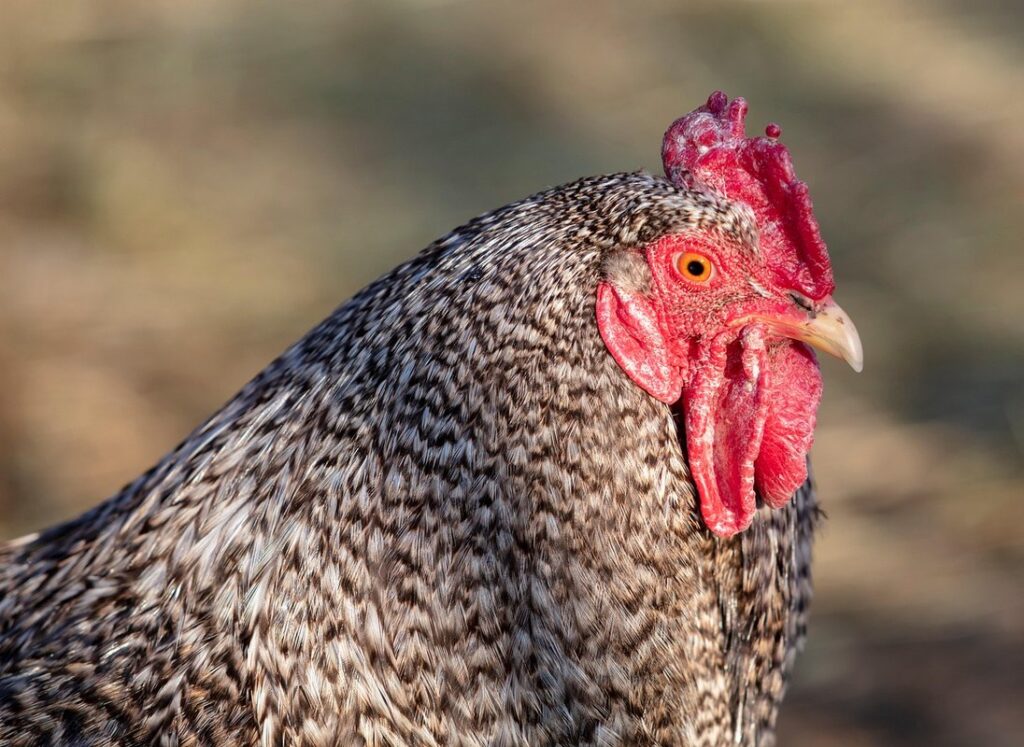
What Are Barred Rocks and Plymouth Rock Chickens?
Let’s start with the basics: Barred Rocks and Plymouth Rock chickens are two popular breeds known for their friendly, hardy, and adaptable nature. They’re a great choice for beginners!
History of the Breeds
Barred Rocks and Plymouth Rock chickens have a rich history that dates back to the late 19th century. Developed in the United States, these breeds were created by crossing different strains of chickens to produce birds with desirable traits.
The Barred Rock breed originated in Pennsylvania around 1845. It was developed from a mix of Black Java, White Cochin, and other domestic fowl. The breed’s unique barred pattern was achieved through selective breeding for the characteristic feathers. Barred Rocks were initially prized for their hardiness, high egg production, and friendly temperament.
Plymouth Rock chickens, on the other hand, were developed in Massachusetts in 1844 by William Cook. They were created by crossing Black Java, White Cochin, and other breeds to produce a robust bird with a high feed conversion ratio. Plymouth Rocks quickly gained popularity due to their excellent egg-laying abilities, gentle disposition, and adaptability to various environments.
Both breeds have undergone significant changes over the years through careful breeding programs. Today, Barred Rock and Plymouth Rock chickens are prized for their unique characteristics, making them popular choices among backyard chicken keepers and commercial farmers alike.
Physical Characteristics of Both Breeds
Barred Rocks are easily recognizable with their striking black and white striped plumage, which covers their entire body. Their feathers are short and dense, making them a hardy breed that can withstand harsh weather conditions. In contrast, Plymouth Rock chickens have a more subdued appearance, with a mix of white and brown feathers on their bodies, although some varieties may exhibit a darker or lighter coloration.
Both breeds boast well-proportioned bodies, with strong legs and feet that are well-suited for scratching in the dirt. When it comes to beak shape, Barred Rocks have a medium-sized, curved beak that’s perfectly suited for pecking at grain and seeds. Plymouth Rock chickens also sport a medium-sized beak, although it tends to be slightly more rounded than their counterparts.
It’s worth noting that while these physical characteristics can serve as a starting point for identification, individual birds may exhibit variations depending on factors such as age, sex, and lineage. Experienced breeders will be able to provide valuable insights into the unique features of each bird.
Raising Barred Rocks and Plymouth Rock Chickens: Pros and Cons
When considering raising barred rocks and Plymouth rock chickens, it’s essential to weigh the pros and cons of these dual breeds in your backyard flock. Let’s dive into the advantages and disadvantages of keeping them together.
Advantages of Raising These Breeds
Raising Barred Rocks and Plymouth Rock chickens has numerous advantages that make them an excellent choice for backyard farmers and experienced poultry enthusiasts. One of the most significant benefits is their impressive egg-laying capacity. Both breeds are prolific layers, producing around 200-220 large brown eggs per year, making them a valuable addition to any homestead.
Their friendly temperament is another major advantage. Barred Rocks and Plymouth Rock chickens are known for being docile, gentle, and easy-going. They make great family pets and are often recommended for families with children due to their calm nature. This friendliness also extends to other animals on the farm, as they tend to get along well with other species.
In terms of ease of handling, both breeds are highly manageable. Their sturdy build and friendly demeanor make them easy to handle, even for inexperienced farmers. Whether you’re a seasoned pro or just starting out, Barred Rocks and Plymouth Rock chickens are sure to delight with their affectionate personalities and impressive productivity.
Challenges of Raising These Breeds
While both breeds are generally considered easy-going, there are some challenges to be aware of when raising Barred Rocks and Plymouth Rock chickens. One potential issue is noise levels – both breeds can get quite loud, especially during mating season or if they feel threatened. If you live in a residential area or have close neighbors, this may not be the best breed for you.
Another consideration is space requirements – while neither breed requires an enormous amount of room to roam, they do need regular exercise and fresh air. Make sure you have enough space in your yard for them to move around comfortably, and consider providing a secure fenced area for them to explore.
Additionally, both breeds can be prone to certain health issues, such as respiratory problems and obesity if overfed. Regular veterinary check-ups, a balanced diet, and plenty of exercise can help mitigate these risks. By being aware of these potential challenges, you can take steps to ensure your Barred Rocks or Plymouth Rock chickens live happy and healthy lives.
Health Considerations for Barred Rocks and Plymouth Rock Chickens
When it comes to these two beloved breeds, it’s essential to consider their unique health needs to ensure they live long, happy lives. Let’s dive into the specific health considerations for Barred Rocks and Plymouth Rock Chickens.
Common Health Issues in Both Breeds
Both Barred Rocks and Plymouth Rock chickens are generally hardy breeds, but like all poultry, they can be prone to certain health issues. Respiratory problems, such as bronchitis and pneumonia, can affect both breeds, particularly during times of stress or when exposed to cold temperatures.
Parasites, including mites and lice, can also infest these chickens, causing discomfort and potentially leading to more serious health issues if left unchecked. Regular cleaning of the coop, dusting with diatomaceous earth, and using a poultry-safe powder can help prevent parasite infestations.
Genetic disorders are another concern for both breeds. For example, Barred Rocks can be susceptible to a condition called fibropapillomatosis, which causes benign growths on their faces and legs. Plymouth Rock chickens may inherit a tendency towards obesity or reproductive problems due to selective breeding practices.
Regular monitoring of your flock’s health, as well as maintaining a clean and healthy living environment, is essential for preventing these issues from becoming serious problems.
Tips for Maintaining Good Health
When it comes to maintaining good health for your barred rocks and Plymouth rock chickens, preventative care is key. Regular vaccinations and parasite control are crucial to protecting your flock from diseases such as Marek’s disease and avian influenza. Schedule annual check-ups with a veterinarian who specializes in poultry health to stay on top of this.
A balanced diet is essential for optimal health. Feed your barred rocks and Plymouth rock chickens a high-quality layer feed that meets their nutritional needs, supplemented with fresh fruits and vegetables daily. Limit treats, as excessive sugar and fat can lead to obesity and other health issues. Provide access to clean water at all times, changing it frequently to prevent bacterial growth.
Environmental considerations also play a significant role in maintaining good health. Ensure your coop is well-ventilated, dry, and protected from the elements. Keep it clean by removing soiled bedding material regularly and disinfecting surfaces as needed. Provide enough space for your birds to move around comfortably, with adequate perches and nesting boxes.
This proactive approach will help prevent common health issues and keep your barred rocks and Plymouth rock chickens thriving.
Nutrition and Dietary Needs of Barred Rocks and Plymouth Rock Chickens
When it comes to feeding your Barred Rocks and Plymouth Rock chickens, providing a balanced diet is crucial for their health and well-being. In this section, we’ll cover their nutritional needs in detail.
Understanding the Nutritional Requirements
When it comes to feeding your Barred Rocks and Plymouth Rock chickens, understanding their nutritional requirements is crucial for maintaining their overall health and well-being. Both breeds have specific needs when it comes to protein, calcium, and vitamins.
Protein is essential for muscle growth and maintenance, and both breeds require a moderate to high level of protein in their diet. As a general rule, Barred Rocks and Plymouth Rock chickens need around 16-18% protein in their feed. You can achieve this by offering a mix of grains, such as oats and barley, along with sources of protein like mealworms or sunflower seeds.
Calcium is also vital for these breeds, particularly for egg-laying hens. A diet rich in calcium will help to strengthen their bones and promote healthy eggshell production. You can supplement their feed with crushed oyster shells or dark leafy greens like kale and spinach.
In terms of vitamins, both breeds require a balanced mix of vitamin A, D, E, K, and B-complex vitamins. You can achieve this through the use of commercial chicken feed that is specifically formulated to meet the nutritional needs of these breeds.
Sample Diets for These Breeds
When it comes to providing your Barred Rocks and Plymouth Rock chickens with a balanced diet, you’ll want to consider both commercial feed options and homemade mixes. Here are some sample diets that cater to their unique needs.
For commercial feeds, look for high-quality products specifically formulated for laying hens like the ones mentioned earlier. Some popular brands include Purina Layena, Manna Pro Laying Feed, and Meyer Hatchery’s own brand of layer feed. These feeds typically contain a mix of grains, proteins, and vitamins that are tailored to meet the nutritional needs of your flock.
If you prefer to create homemade mixes, consider using a base of 16-18% protein content with a mix of oats, barley, wheat, and milo (also known as sorghum). You can also add supplements like oyster shells for calcium and crushed eggshells for extra calcium. A sample recipe might be: 2 cups of oats, 1 cup of wheat, 1/2 cup of milo, and 1/4 cup of crushed eggshells per week. Remember to adjust the amounts based on your flock’s age and size.
Some important notes to keep in mind when mixing homemade feeds are to ensure a balanced ratio of protein to calcium, as well as providing adequate vitamin D3 and other essential nutrients. Consult with a veterinarian or experienced breeder for guidance on creating custom mixes that meet your flock’s specific needs.
Egg Production and Quality in Barred Rocks and Plymouth Rock Chickens
When it comes to egg production, Barred Rocks and Plymouth Rock chickens truly shine, laying a consistent number of large brown eggs each week. Let’s take a closer look at their remarkable egg-laying abilities.
Average Egg Yield per Breed
When it comes to egg production, both Barred Rocks and Plymouth Rock chickens are known for their impressive laying capabilities. However, if you’re looking to maximize your flock’s productivity, understanding the average egg yield per breed can be beneficial.
On average, a healthy Barred Rock hen will lay around 280-300 eggs per year, with some producing up to 320 eggs in optimal conditions. In contrast, Plymouth Rock chickens tend to lay slightly fewer eggs, with an average of 250-270 eggs annually. While this difference may not seem significant, it’s essential to consider your specific needs and goals as a backyard chicken keeper.
It’s worth noting that egg yield can be influenced by factors such as nutrition, health, and breed-specific characteristics. Both breeds are considered excellent layers, but their performance may vary depending on individual circumstances. To ensure optimal production, provide your flock with high-quality feed, fresh water, and regular care to promote overall well-being.
Consider supplementing with calcium-rich foods or using a layer feed specifically designed for egg production to support the health of your hens. Additionally, maintaining a balanced environment with adequate space and stress reduction measures can help minimize health issues that may impact laying capacity.
Factors Affecting Egg Quality and Quantity
When it comes to egg production and quality in Barred Rocks and Plymouth Rock chickens, several factors come into play. Environmental conditions, nutritional intake, and health status all have a significant impact on the eggs produced by these birds.
Temperature fluctuations can affect egg production, with most breeds laying fewer eggs at temperatures above 80°F (27°C). Additionally, humidity levels also play a crucial role in maintaining optimal egg-laying conditions. Barred Rocks and Plymouth Rock chickens require around 40-50% relative humidity to maintain healthy reproduction processes.
Nutritional deficiencies can lead to poor-quality eggs or reduced production rates. A balanced diet rich in calcium, phosphorus, and protein is essential for strong eggshell development and overall flock health. Ensure that your birds have access to a high-quality layer feed that meets their nutritional needs.
Health issues such as parasites, respiratory problems, or diseases like Marek’s can significantly impact egg quality and quantity. Regular veterinary check-ups, proper sanitation practices, and maintaining a healthy environment will help minimize the risk of these issues affecting your flock’s productivity.
Breeding and Selection for Barred Rocks and Plymouth Rock Chickens
When it comes to breeding and selecting the perfect Barred Rock or Plymouth Rock chicken, careful consideration of genetics and temperament is crucial to achieve the desired traits. Let’s dive into the specifics of what breeders look for.
Breeding Strategies for Both Breeds
When it comes to breeding Barred Rocks and Plymouth Rock chickens, understanding genetic selection and cross-breeding is crucial. This involves identifying desirable traits in each breed and selecting individuals that exhibit those characteristics.
For Barred Rocks, the primary focus is on maintaining their distinctive barred pattern while enhancing other desirable qualities like egg-laying capacity and hardiness. Breeders often use linebreeding to concentrate the desired genes within a specific bloodline. This involves carefully selecting parents based on their offspring’s performance, aiming to amplify the traits of interest.
Plymouth Rock breeders, on the other hand, focus on refining their breed’s ruggedness and docile nature while maintaining excellent egg production. They may employ outbreeding to introduce new genetic diversity, ensuring the flock remains healthy and adaptable.
To implement these strategies successfully, consider the following:
* Develop a clear understanding of each breed’s unique characteristics.
* Create detailed records of your birds’ performance, including health, temperament, and productivity.
* Set specific breeding goals based on your target market or desired outcomes.
* Continuously monitor and adjust your breeding program to address emerging trends and challenges.
Selecting the Right Parent Stock
When selecting parent stock for breeding Barred Rocks and Plymouth Rock chickens, it’s crucial to prioritize high-quality birds that possess exceptional egg-laying capacity and conformation. A single outstanding individual can elevate the entire flock, so don’t settle for mediocre parents.
Consider investing in proven bloodlines or heritage flocks known for their consistent performance. These birds have been refined over generations, guaranteeing robust genetics. Research reputable breeders who share your values and breeding objectives to acquire the best possible stock.
Evaluate each potential parent’s conformation by examining posture, feather quality, and bone density. Look for straight profiles, well-set wings, and sturdy legs that indicate soundness and vigor. Don’t underestimate the importance of egg-laying capacity; a good parent should produce at least 280 large brown eggs per year.
Conclusion: Why Choose Barred Rocks or Plymouth Rock Chickens?
Now that you’ve learned everything there is to know about these incredible breeds, let’s summarize why they’re perfect for your backyard flock. It all comes down to their unique characteristics and benefits.
Recap of Key Points
In reviewing the key takeaways from this comprehensive guide to Barred Rocks and Plymouth Rock chickens, it’s clear that each breed has its own unique strengths and considerations. These heritage breeds are prized for their hardiness, gentle nature, and impressive egg-laying abilities. On the other hand, they can be slower to mature and may require more attention to health issues like broodiness.
Some of the most notable benefits of choosing these breeds include their adaptability to small backyard flocks, their docile temperament, and their ability to thrive in a variety of environments. As for challenges, it’s essential to research local regulations regarding heritage breeds, as well as invest time in building strong relationships with reputable breeders.
To ensure success when raising Barred Rocks or Plymouth Rock chickens, prioritize providing these birds with adequate space, nutritious feed, and regular health checks. With proper care and attention, these wonderful breeds can reward you with a steady supply of fresh eggs and countless hours of enjoyment.
Final Thoughts on Choosing the Right Breed
If you’re still undecided about which breed is right for you, take a moment to consider what you hope to achieve with your flock. Are you looking for birds that are easy to care for and will thrive in a small backyard coop? Or perhaps you’re a commercial producer seeking hardy, egg-laying machines that can handle the demands of a larger operation?
Both Barred Rocks and Plymouth Rock chickens excel in these areas. For the amateur chicken keeper, their friendly disposition and gentle nature make them an excellent choice for families with children or as pets. They are relatively low-maintenance birds that require minimal upkeep and are generally resistant to disease.
On the other hand, if you’re a commercial producer looking to maximize egg production and minimize losses, both breeds offer impressive yields. Barred Rocks, in particular, have been known to lay up to 200 brown eggs per year under optimal conditions. Their rugged constitution also allows them to tolerate varying climates and environmental stressors.
Ultimately, the decision between these two breeds comes down to your individual needs and preferences.
Frequently Asked Questions
How Do I Ensure a Smooth Transition for My Existing Flock When Introducing New Barred Rocks or Plymouth Rock Chickens?
When integrating new birds, ensure they have a quarantine period to prevent disease transfer. Gradually introduce them to the existing flock under close supervision, monitoring behavior and body language. Provide separate feeding and watering areas during the transition phase.
What Are Some Key Nutritional Considerations for My Backyard Flock or Commercial Operation When Raising Barred Rocks and Plymouth Rock Chickens?
These breeds have similar nutritional requirements, emphasizing a balanced diet rich in protein (16-18%), calcium, and phosphorus. Provide free-choice oyster shells to support strong bone development. Consult with a veterinarian or poultry expert to create a customized feeding plan based on your operation’s specific needs.
Can I Use Barred Rocks and Plymouth Rock Chickens for Meat Production, or Are They Primarily Layer Birds?
While they are well-suited for egg production, both breeds can be used for meat purposes. However, consider their growth rate and mature weight (around 6-7 pounds) when selecting birds for broiler programs.
How Do I Identify Common Health Issues in My Barred Rocks or Plymouth Rock Chickens, Such as Respiratory Problems or Parasitic Infestations?
Monitor your flock regularly for signs of illness or stress. Regularly clean coops and runs, maintaining good ventilation to reduce respiratory issues. Perform routine checks for parasites like mites and lice, using approved treatments as necessary.
Can I Raise Barred Rocks and Plymouth Rock Chickens in Small Spaces, Such as Urban Backyards or Indoor Coop Environments?
While these breeds are adaptable, they still require sufficient space (around 3-4 square feet per bird) for movement and exercise. Ensure adequate ventilation, light, and temperature control in indoor environments to meet their needs.