
Are you thinking of adding some heritage chicken breeds to your backyard flock, but not sure where to start? Two popular options that often come up in discussions are Barred Rocks and Plymouth Rocks. These dual-purpose breeds have been around for centuries and offer a range of benefits, from egg-laying performance to friendly temperaments. However, they also have distinct differences that might make one more suitable for your needs than the other.
In this article, we’ll delve into the key differences between these two beloved breeds. We’ll explore their temperament, egg-laying abilities, health considerations, and more to help you make an informed decision for your flock. By understanding the unique characteristics of each breed, you can choose the one that’s right for you and enjoy years of happy, healthy chickens.
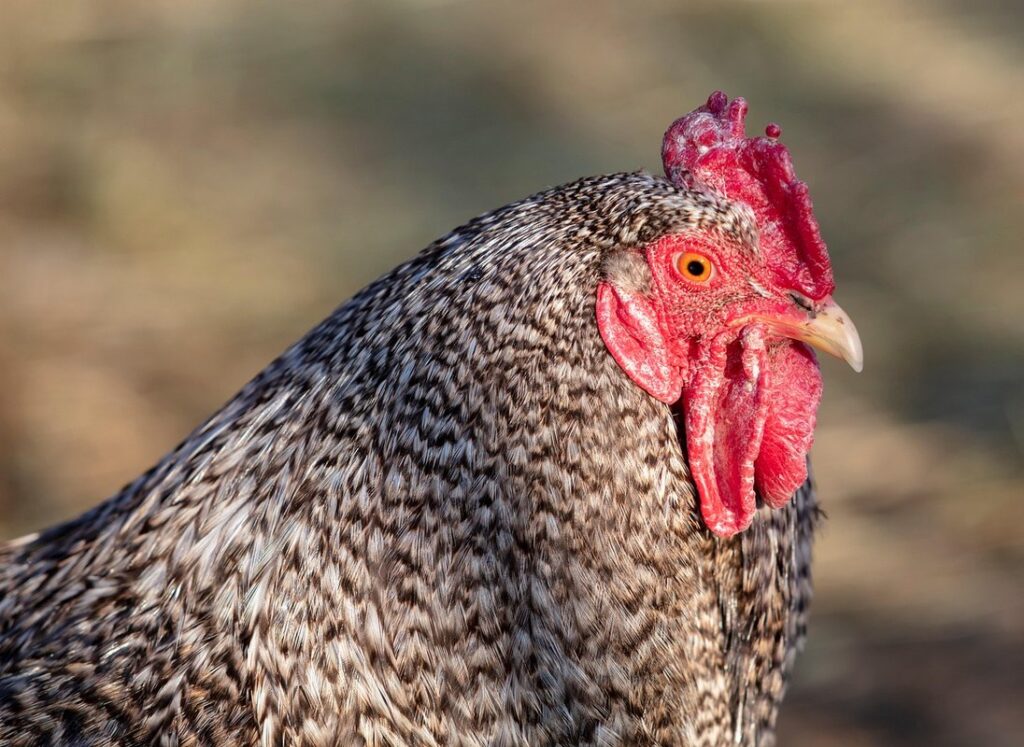
Introduction to Heritage Chicken Breeds
Heritage chicken breeds, like Barred Rocks and Plymouth Rock, offer a glimpse into our poultry past. In this introduction, we’ll explore what makes these breeds unique.
Understanding Heritage Chickens and Their Importance
Heritage chicken breeds like Barred Rocks and Plymouth Rocks hold a special place in the world of poultry. These unique birds have been around for centuries, with characteristics that set them apart from their commercial counterparts. One key aspect of heritage breeds is their genetic diversity – they carry traits that have been passed down through generations, making them resistant to diseases and better suited to specific climates.
In an era where many chicken breeds are being hybridized for rapid growth and high egg production, heritage birds offer a refreshing alternative. By keeping these breeds alive, we ensure the preservation of genetic material that would otherwise be lost. This is crucial for maintaining a robust and adaptable food supply.
When considering adding heritage chickens to your flock, remember to prioritize their specific needs. Barred Rocks and Plymouth Rocks are both excellent choices, but they require attention to their unique characteristics and requirements.
Overview of Barred Rocks and Plymouth Rocks as Heritage Breeds
The Barred Rock and Plymouth Rock are two heritage chicken breeds that have been a staple among backyard farmers and enthusiasts for decades. Let’s take a look at their origins and rise to popularity.
The Barred Rock originated in the 19th century in New York State, where it was developed from crosses between Dominique and Cochin chickens. This breed quickly gained favor due to its friendly temperament, cold hardiness, and high egg production. Today, the Barred Rock is a beloved breed among backyard chicken keepers, prized for its gentle nature and striking appearance.
The Plymouth Rock, on the other hand, was developed in the early 20th century by crossing various breeds including the Cochin, Brahma, and Dorking. This robust bird quickly gained popularity among farmers due to its excellent egg-laying abilities and rich, brown eggs. The Plymouth Rock is also highly regarded for its friendly disposition and ability to thrive in a variety of environments.
Both breeds have been recognized by the American Bantam Association (ABA) and the American Poultry Association (APA), ensuring their continued presence among heritage chicken enthusiasts.
Temperament and Personality
When it comes to choosing between Barred Rocks and Plymouth Rock chickens, understanding their unique personalities is crucial. Let’s dive into what makes each breed tick.
Temperament: Barred Rock vs. Plymouth Rock
When it comes to temperament, both Barred Rocks and Plymouth Rocks are known for their gentle nature. However, there are some subtle differences between the two breeds that can affect how they interact with humans and other animals.
Barred Rocks tend to be more laid-back and easy-going, making them a great choice for families with children or for people who want a low-maintenance pet. They are generally less aggressive than Plymouth Rocks and are more likely to tolerate being handled and picked up. In fact, many Barred Rock owners report that their birds will often come when called and will even snuggle on their owner’s lap.
Plymouth Rocks, on the other hand, can be a bit more assertive and independent. They may require a bit more attention and interaction from their owners to stay happy and healthy. However, this also means they can be very loyal and attached to their owners once they’ve bonded. With proper socialization and handling, Plymouth Rocks can make wonderful pets for experienced bird owners.
In terms of interacting with other animals, both breeds are generally friendly but may require some time to adjust to new companions. Barred Rocks tend to get along well with other birds, while Plymouth Rocks may be a bit more territorial and require careful introduction to new flock members. Ultimately, the temperament of your chicken will depend on its individual personality and how you raise it, so it’s essential to spend quality time with your bird to understand its unique needs and quirks.
Handling and Training Considerations
When it comes to handling and training Barred Rocks and Plymouth Rocks, both breeds have distinct characteristics that require attention. For beginners, it’s essential to establish a strong bond with the birds from an early age. Start by gently picking them up, making sure they’re comfortable with being handled.
Barred Rocks are known for their friendly nature, which makes them relatively easy to train. They thrive on interaction and can learn quickly when rewarded with treats. For example, training sessions should be short, positive, and rewarding. Experienced farmers can also take advantage of the breed’s intelligence by introducing problem-solving activities to keep them engaged.
Plymouth Rocks are often described as more docile and laid-back compared to Barred Rocks. Their calm demeanor requires a different approach when it comes to handling and training. A patient and gentle touch is necessary, especially during initial interactions. When training Plymouth Rocks, consistency and repetition are key to help them grasp new tasks.
In general, both breeds respond well to positive reinforcement and consistent routines. However, the pace at which they learn can vary significantly. Being aware of these differences will allow you to tailor your approach to each breed’s unique needs, ultimately resulting in stronger relationships with your chickens.
Egg-Laying Performance
When it comes to egg-laying, both Barred Rocks and Plymouth Rock chickens have their own unique strengths. Let’s take a closer look at how these two breeds compare in this crucial aspect of backyard chicken keeping.
Barred Rocks: Average Egg Production and Quality
When it comes to egg-laying performance, Barred Rocks are known for their remarkable productivity. On average, a healthy Barred Rock hen will produce around 280-300 eggs per year, which is a respectable amount considering the breed’s moderate size. This high egg production can be attributed to several factors, including their robust health, balanced diet, and optimal living conditions.
However, it’s essential to note that individual productivity may vary depending on factors such as nutrition, exercise, and overall welfare. Providing your Barred Rocks with a nutritious diet rich in calcium, protein, and vitamins will significantly impact their egg-laying capacity. Aiming for around 12-15 hours of daylight per day will also stimulate their natural instincts to produce more eggs.
One of the key benefits of keeping Barred Rock hens is that they tend to lay large to extra-large brown eggs, with an average weight of around 28 grams. This makes them a popular choice among backyard chicken keepers who value high-quality eggs for personal consumption or selling at local markets. With proper care and attention, your Barred Rocks will reward you with an impressive annual egg yield and consistent quality throughout the year.
Plymouth Rock: Average Egg Production and Quality
When it comes to egg-laying performance, Plymouth Rock hens are known for their impressive average production. On average, a healthy Plymouth Rock hen will lay around 280-300 large brown eggs per year. This is slightly higher than the average production of Barred Rocks, which typically lay around 200-220 eggs per year.
One notable advantage of Plymouth Rock hens is their consistent egg-laying ability throughout the year. They are less prone to seasonal fluctuations in egg production compared to some other breeds, making them a reliable choice for backyard chicken keepers who rely on their eggs as a primary source of income or household supply.
In terms of egg quality, Plymouth Rocks are also known for producing large, brown eggs with a smooth texture and firm whites. While there is no significant difference in the taste or nutritional value between eggs laid by Barred Rocks and those laid by Plymouth Rocks, some chicken keepers may prefer the slightly thicker shell of Plymouth Rock eggs.
Overall, Plymouth Rock hens offer a reliable and consistent egg-laying performance that makes them an attractive choice for many backyard chicken enthusiasts.
Health Considerations
When choosing between Barred Rocks and Plymouth Rocks, it’s essential to consider their specific health needs to ensure your flock remains happy and healthy. We’ll examine some key health considerations for each breed.
Common Health Issues in Barred Rocks and Plymouth Rocks
When it comes to maintaining the health of your Barred Rocks and Plymouth Rock chickens, there are several common issues to be aware of. For both breeds, one major concern is Marek’s disease, a viral condition that can cause paralysis, weight loss, and swelling. However, this can be prevented through vaccination.
Another issue affecting Barred Rocks is leg problems, particularly in young birds. Overgrowth of the hock joint can lead to discomfort and mobility issues, so it’s essential to monitor their development closely and take action if necessary. For example, providing a balanced diet rich in calcium can help maintain healthy bone growth.
Plymouth Rock chickens may be prone to respiratory infections due to their compact body type, making them more susceptible to airway congestion. Keeping a clean living environment, ensuring proper ventilation, and introducing probiotics into their feed can all contribute to reducing the risk of illness.
Regular veterinary check-ups are crucial for early detection and prevention of these health issues. By being aware of these potential problems and taking proactive steps, you can help your flock stay healthy and happy.
Nutrition and Care Requirements for Healthy Birds
When it comes to keeping Barred Rocks and Plymouth Rocks healthy and thriving, nutrition and care requirements are essential. A balanced diet is crucial for both breeds, and providing the right foods can help prevent a range of health issues. Start by feeding high-quality commercial poultry feed as the main staple, supplemented with fresh fruits and vegetables daily.
For example, offering leafy greens like kale and spinach, along with carrots and apples, provides essential vitamins and minerals. Avoid giving birds avocado, chocolate, or onions, which can be toxic. A calcium supplement is also necessary to support strong bone growth in young birds. Ensure fresh water is always available, changed regularly to prevent bacterial growth.
Regular veterinary check-ups are also vital for maintaining the health of your flock. Schedule annual visits with a qualified poultry veterinarian to monitor overall health and detect potential issues early on. This proactive approach will help you identify any nutritional deficiencies or other health concerns specific to either breed. By following these care requirements, you’ll be well on your way to raising happy, healthy Barred Rocks and Plymouth Rocks.
Breeding and Feeding Considerations
When it comes to raising Barred Rocks versus Plymouth Rocks, proper breeding and feeding techniques can greatly impact their health and productivity. Let’s explore some key considerations for each breed.
Barred Rock vs. Plymouth Rock: Breeding and Feeding Strategies
When it comes to breeding and feeding strategies for Barred Rocks and Plymouth Rocks, there are some key differences to consider. Both breeds have unique requirements that can impact their growth rates and egg production.
For optimal growth rates, it’s essential to provide both breeds with a balanced diet rich in protein, calcium, and other essential nutrients. However, Barred Rocks tend to thrive on a slightly higher-protein diet than Plymouth Rocks. A good rule of thumb is to aim for 16-18% protein content in the feed for Barred Rocks, while Plymouth Rocks can get by with 14-16%. Consider using layer feed specifically formulated for young chickens, and supplement their diet with fresh fruits and vegetables.
In terms of egg production, both breeds are prolific layers. However, Plymouth Rocks tend to start laying eggs earlier than Barred Rocks, typically around 18-20 weeks of age compared to 22-24 weeks. To maximize egg production, ensure that your flock is getting enough light, exercise, and fresh water. Provide a calcium-rich supplement specifically formulated for layer hens to support strong eggshell production. By tailoring your breeding and feeding strategies to the unique needs of each breed, you can optimize their growth rates and egg production.
Tips for Improving Flock Health through Nutrition and Management
When it comes to breeding and feeding considerations, ensuring the health of your flock is paramount. A well-nourished and managed flock not only leads to healthier birds but also better productivity and overall farm efficiency.
To improve flock health through nutrition and management, start by focusing on a balanced diet that meets the specific needs of Barred Rocks or Plymouth Rock chickens. Both breeds have different nutritional requirements, so it’s essential to understand their unique needs. For example, if you’re raising Barred Rocks, ensure they receive adequate protein from a mix of grains and legumes. On the other hand, Plymouth Rock birds may require more energy-rich foods during breeding seasons.
In terms of management practices, maintain clean living conditions, provide regular vaccinations, and monitor for signs of illness or stress. Regular health checks can also help identify potential issues before they become major problems.
Key statistics to keep in mind include:
* Ensure at least 1 square foot of space per bird inside the coop
* Provide fresh water at all times, changing it daily to prevent bacterial growth
* Offer a balanced mix of grains and legumes as protein sources
By implementing these simple yet effective practices, you can improve the overall health and well-being of your flock.
Space and Living Requirements
When considering these two breeds as backyard chickens, it’s essential to think about space requirements to ensure a harmonious flock. How many square feet will you need per bird?
Housing Needs for Barred Rocks and Plymouth Rocks
When it comes to housing needs for Barred Rocks and Plymouth Rocks, there are some key differences you’ll want to consider. Both breeds require a spacious coop with adequate ventilation to keep them healthy and happy.
For a flock of 3-4 birds, we recommend a coop that’s at least 2x3x4 feet in size, but larger is always better. Barred Rocks, being one of the more energetic breeds, will appreciate even more space to move around. Consider adding windows or vents for natural light and airflow – this will help reduce dust and odors.
Bedding material is another crucial aspect to consider. Wood shavings or straw are great options as they’re absorbent and easy to clean. However, avoid using pine or cedar shavings as they can be toxic to your birds.
In terms of ventilation, aim for at least 1 square foot per bird inside the coop. You can install vents or windows that open to allow fresh air in during warmer months. By meeting these housing needs, you’ll create a comfortable and healthy environment for both Barred Rocks and Plymouth Rocks to thrive in.
Outdoor Access and Exercise Considerations
When it comes to providing outdoor access and exercise for your flock, both Barred Rocks and Plymouth Rocks can thrive with proper care. However, considering their size and temperament, you’ll want to tailor your approach accordingly.
Barred Rocks are energetic birds that require plenty of space to move around. They need a secure fenced area, at least 10 feet square per bird, where they can engage in physical activity. If possible, provide a covered section for shade on hot days. A good rule of thumb is to allow about an hour and a half of supervised outdoor time daily.
Plymouth Rocks, while also energetic, are relatively smaller than Barred Rocks and require less space. A 6-8 foot square enclosure can suffice, but ensure it’s still secure and predator-proof. Remember that both breeds need regular exercise, whether through outdoor access or playtime in a well-ventilated coop area.
Consider providing scratching posts, ladders, or perches to keep your birds active indoors as well. This will not only prevent boredom but also help maintain their health and overall well-being.
Conclusion and Recommendations
Now that you’ve weighed the pros and cons of each breed, it’s time to summarize our key findings and make some actionable recommendations for your flock.
Choosing Between Barred Rocks and Plymouth Rocks: Factors to Consider
When it comes down to choosing between Barred Rocks and Plymouth Rocks for your farm, several key factors should influence your decision. First and foremost, consider the climate and temperature of your region. If you live in an area with extremely hot summers or cold winters, a breed that’s more tolerant of these conditions will be a better choice. For instance, if you’re located in a cooler climate, Plymouth Rocks might be a better fit due to their ability to thrive in lower temperatures.
On the other hand, if your farm is situated in an area with high humidity and heat, Barred Rocks may prove to be more resilient. Their sturdy build and good feathering make them well-suited for such conditions. Another essential factor to consider is egg-laying capacity. If you’re looking for a breed that will produce a large number of eggs per year, Plymouth Rocks are generally better suited for this purpose.
However, if you prioritize meat production or want a breed with strong foraging abilities, Barred Rocks might be the way to go. They have a higher feed-to-weight ratio and tend to grow faster than Plymouth Rocks. Additionally, think about the size of your farm and how much space each bird will occupy. If you’re working with limited space, a smaller breed like the Plymouth Rock may be more suitable.
Lastly, consider your personal preferences when it comes to handling and temperament. Both breeds are known for being friendly and docile, but if you prefer birds that are easier to handle, Plymouth Rocks might have an edge. By weighing these factors and considering your specific needs and circumstances, you can make a more informed decision about which breed is right for you.
Frequently Asked Questions
Can I mix Barred Rocks and Plymouth Rocks together in the same flock?
Yes, these breeds can coexist peacefully, but it’s essential to introduce them slowly and under close supervision to ensure a smooth transition. Keep in mind that both breeds are friendly and docile, making them suitable for families with children or for small-scale backyard flocks.
How do I determine which heritage breed is best suited for my specific climate?
Consider factors such as your region’s temperature extremes, humidity levels, and potential pest issues when choosing between Barred Rocks and Plymouth Rocks. If you live in an area with extreme cold snaps, Barred Rocks might be a better choice due to their robust constitution.
What are some common health issues I should watch out for in both breeds?
Be on the lookout for respiratory problems, such as bronchitis or pneumonia, which can be exacerbated by poor ventilation. Regular vaccination schedules and maintaining a clean coop will help prevent these issues. Additionally, monitor your birds’ diet to ensure they’re receiving balanced nutrition.
Can I keep heritage chickens as pets in urban areas?
Yes, both Barred Rocks and Plymouth Rocks make excellent backyard pets due to their calm nature and manageable size. However, check local regulations regarding backyard chicken keeping before introducing them to your urban environment. Ensure you have sufficient space for a coop and run that meets zoning requirements.
How do I handle the transition from commercial eggs to heritage breed eggs in my household?
When switching to heritage breed eggs, be prepared for smaller egg sizes and potential variations in color or shape. You might need to adjust your expectations regarding egg production and quality. Emphasize the importance of sustainable and humane farming practices to your family members to encourage a positive appreciation for these unique birds.
Are there any specific nutrition requirements I should follow when raising heritage chickens?
Feed them a balanced, nutrient-rich diet that includes high-quality protein sources, such as insects or mealworms, along with fresh fruits and vegetables. Consider supplementing their feed with probiotics to support digestive health and overall well-being. Avoid over-reliance on commercial feed mixes, which can dilute the genetic diversity of your flock.