
Are you in the market for a new flock member, but can’t decide between two popular breeds: Barred Rocks and Rhode Island Reds? You’re not alone. With so many variables to consider, choosing the right breed can be overwhelming. But don’t worry, we’ve got you covered. These two chicken breeds are staples in backyard flocks everywhere, prized for their friendly temperaments, impressive egg-laying abilities, and hardy health. However, they do have some key differences when it comes to origins, temperament, and performance. In this article, we’ll break down the main differences between Barred Rocks and Rhode Island Reds, from their historical roots to their modern-day characteristics. Whether you’re a seasoned chicken keeper or just starting out, this guide will help you make an informed decision about which breed is right for your flock.
Understanding the Basics
When it comes to choosing between Barred Rocks and Rhode Island Reds, understanding their fundamental characteristics is key. Let’s dive into the basics of each breed to help you make an informed decision.
Origins and History of Each Breed
The origins of two beloved backyard chicken breeds, Barred Rocks and Rhode Island Reds, are fascinating stories that date back centuries. The Barred Rock breed has its roots in the early 19th century when American farmers sought to create a hardy, disease-resistant bird that could thrive on small plots of land. Breeders crossed the White Cochin with the Light Brahma to produce a sturdy and prolific egg-layer, which eventually became known as the Barred Plymouth Rock.
Rhode Island Reds, on the other hand, were developed in the 1890s by Louis Burt Wright in Little Compton, Rhode Island. Wright’s goal was to create an egg-laying machine that could withstand the harsh New England climate and produce plenty of eggs for market. Through careful selection and breeding, he produced a bird that became one of the most popular breeds in America.
Both breeds have come a long way since their humble beginnings. Today, they remain two of the most popular backyard chicken breeds due to their friendly temperaments, high egg production, and ability to thrive in small spaces.
Key Characteristics of Each Breed
When it comes to physical characteristics, Barred Rocks and Rhode Island Reds have some notable differences. One of the most noticeable distinctions is their size: Barred Rocks tend to be medium-sized chickens, weighing around 6-7 pounds, while Rhode Island Reds are larger, weighing between 8-10 pounds. In terms of plumage, both breeds have distinctive barred patterns, but the color intensity and distribution differ slightly.
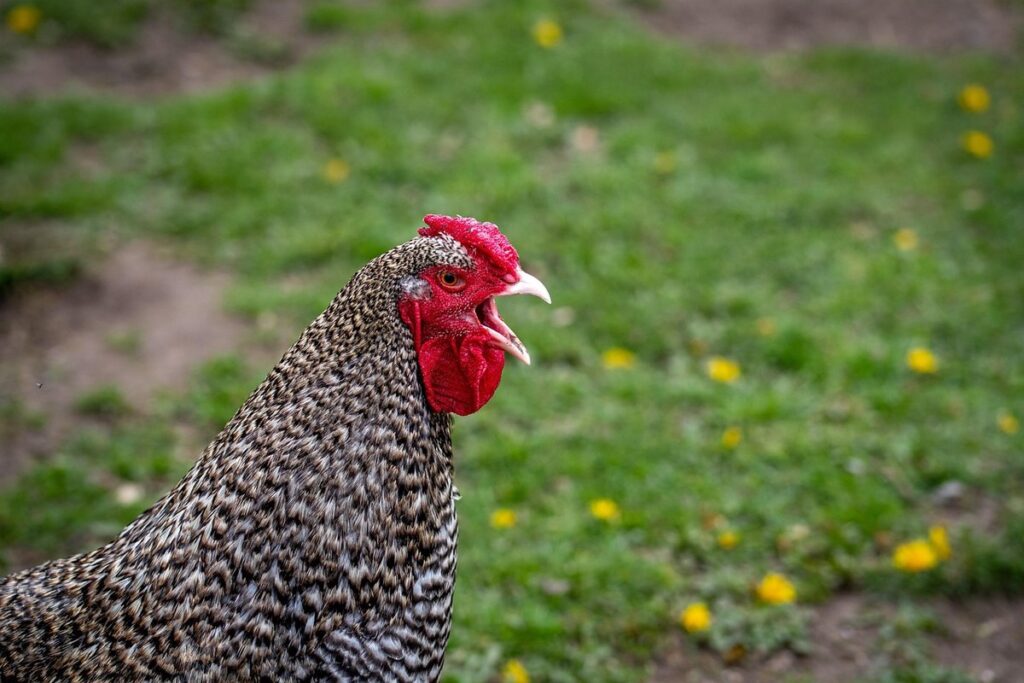
The Barred Rock’s plumage features a black and white striped pattern that extends across its entire body, with a subtle sheen to its feathers. On the other hand, Rhode Island Reds have a deeper red hue with less prominent barring on their wings and tail feathers. When it comes to beak shape, both breeds have similar straight or slightly curved beaks, but Barred Rocks tend to have a more moderate length.
In terms of tail type, Rhode Island Reds often sport a longer, more elaborate tail than the shorter, fluffier tail found on Barred Rocks. While these differences may seem minor, they can still impact your decision when choosing between these two popular breeds for your backyard flock.
Temperament and Personality Traits
When it comes to choosing a breed, understanding their temperament and personality traits is crucial for a harmonious backyard flock. Let’s dive into what makes Barred Rocks and Rhode Island Reds tick!
Temperament Comparison: Which Breed is Friendlier?
When it comes to temperament, both Barred Rocks and Rhode Island Reds are known for their friendly nature. However, there are some key differences between the two breeds that are worth considering if you’re looking for a chicken that will get along with people.
One of the main things to note is that Barred Rocks are generally more docile than Rhode Island Reds. They have a calm and gentle disposition, which makes them an excellent choice for families with children or for beginners who want to raise chickens. Barred Rocks are also known to be quite curious, so they’ll often come running when you call their name.
On the other hand, Rhode Island Reds can be a bit more feisty. They’re highly social birds that thrive on human interaction, but they can also be territorial and dominant at times. With proper training and handling, however, Rhode Island Reds can make wonderful pets. In fact, many backyard chicken keepers swear by their loyalty and affectionate nature.
Ultimately, the friendlier breed will depend on your personal preferences and living situation. If you’re looking for a low-maintenance chicken that is easy to handle, Barred Rocks may be the better choice. But if you’re willing to put in the time and effort to train and socialize them, Rhode Island Reds can make wonderful companions.
Socialization and Training Considerations
Both Barred Rocks and Rhode Island Reds are known for their friendly and social nature, making them a great fit for families with children. However, it’s essential to provide both breeds with proper socialization from an early age to ensure they interact well with people and other animals.
Socializing your chickens involves introducing them to various environments, noises, and interactions. You can start by letting them explore different areas of the coop, meeting new faces, and getting accustomed to background noises like children’s play or radio broadcasts.
Training is equally crucial in maintaining a harmonious household. Use positive reinforcement techniques such as offering treats when they perform desired behaviors. Establish routines for feeding, egg collection, and cleaning the coop to keep them on schedule.
Some breed-specific quirks are worth noting: Barred Rocks tend to be more docile, while Rhode Island Reds can be a bit more assertive. Understanding these traits will help you tailor your approach to their unique needs. With patience and consistency, both breeds can thrive in your backyard flock.
Egg-Laying Performance and Productivity
When it comes to egg-laying performance, two breeds stand out among backyard flock enthusiasts: Barred Rocks and Rhode Island Reds. Which one lays more eggs per year?
Egg Production: Which Breed Lays More?
When it comes to egg production, both Barred Rocks and Rhode Island Reds are known for their impressive laying capabilities. However, there are some notable differences between the two breeds.
On average, a Barred Rock hen will lay around 280-300 eggs per year, with an average daily production of about 5-6 eggs per week. Meanwhile, a Rhode Island Red is capable of producing up to 320 eggs annually, with a daily rate of approximately 6-7 eggs per week.
It’s worth noting that egg-laying performance can vary significantly depending on factors such as nutrition, health, and management practices. Proper care and attention to detail can make a substantial difference in the overall productivity of both breeds.
To maximize egg production, it’s essential to provide your flock with a balanced diet rich in protein and calcium. Regular veterinary check-ups and a clean, well-maintained coop will also help maintain their health and happiness. By following these best practices, you can expect an optimal yield from either breed.
Tips for Maximizing Egg Production in Both Breeds
To maximize egg production from both Barred Rocks and Rhode Island Reds, it’s essential to create an optimal environment that meets their specific needs. For starters, ensure each bird has around 4-5 square feet of space per hen inside the coop, with additional outdoor space for exercise. Providing adequate ventilation is also crucial, as a well-ventilated coop will help maintain a healthy temperature and prevent ammonia buildup.
Feed your girls a high-quality layer feed that’s rich in calcium and protein, and supplement their diet with fruits and vegetables to boost egg production. Fresh water should always be available, and make sure to clean the feeding and watering systems regularly to prevent contamination.
Another key factor is light exposure – both breeds require around 14 hours of daylight to produce at their peak. Consider installing a photoperiod-controlled lighting system or moving your coop to a south-facing location to ensure sufficient light.
To maintain optimal egg production, establish a regular cleaning schedule for the coop and run. This includes removing soiled bedding, disinfecting surfaces, and providing fresh bedding material. By following these tips, you can optimize your environment and care to maximize egg production from both Barred Rocks and Rhode Island Reds.
Health Considerations and Care Requirements
When it comes to caring for your Barred Rocks or Rhode Island Reds, understanding their unique health needs is crucial. Let’s take a closer look at what to expect in terms of care and potential health issues.
Common Health Issues Affecting Each Breed
Both Barred Rocks and Rhode Island Reds are generally healthy breeds, but like all chickens, they can be prone to certain health issues. When it comes to Barred Rocks, one of the most common health concerns is Marek’s disease, a viral condition that affects the nervous system. Responsible breeders have worked to reduce the incidence of this disease in their flocks, but it’s still essential for owners to take precautions.
Rhode Island Reds, on the other hand, are often susceptible to reproductive problems due to their high egg production rates. Over time, this can lead to issues like egg yolk peritonitis and prolapsed vents. To mitigate these risks, it’s crucial to provide Rhode Island Reds with a balanced diet, adequate exercise, and regular health check-ups.
In addition to breed-specific concerns, both breeds are also prone to common chicken health issues such as respiratory problems, parasites, and obesity. By being aware of these potential health issues and taking proactive steps to prevent them, you can help keep your flock happy and healthy. Regular monitoring of their behavior, diet, and living conditions will go a long way in maintaining the well-being of both Barred Rocks and Rhode Island Reds.
Nutrition, Hygiene, and Environmental Factors to Keep in Mind
When it comes to raising either Barred Rocks or Rhode Island Reds as backyard chickens, their health and well-being heavily rely on proper nutrition, hygiene, and environmental conditions. A balanced diet is essential for both breeds; ensure you’re providing them with a high-quality layer feed that meets their nutritional needs. Additionally, supplementing with fresh fruits and vegetables can provide essential vitamins and minerals.
Proper hydration is also crucial; make sure they always have access to clean, fresh water. Regularly cleaning their coop and run will prevent the buildup of disease-causing bacteria and parasites. Ensure adequate ventilation in their living space, as both breeds are sensitive to ammonia fumes. Maintain a safe temperature range between 40°F and 80°F (4°C and 27°C) for optimal health.
Providing an enriched environment with adequate space to roam will also contribute to the overall well-being of your chickens. Ensure they have enough nesting boxes and perches to reduce stress and prevent injury. Regularly inspect their living quarters and address any issues promptly to maintain a healthy environment for both breeds.
Breeding and Raising Considerations
When deciding which breed of chicken to raise, understanding their unique needs is crucial for a harmonious and healthy flock. Let’s explore how to breed and raise Barred Rocks and Rhode Island Reds successfully.
Choosing the Right Hatching Eggs or Chicks
When selecting high-quality hatching eggs or chicks for either the Barred Rock or Rhode Island Red breed, it’s essential to choose from reputable sources. A good place to start is by researching local and national poultry associations, such as the American Poultry Association (APA), which can provide a list of approved breeders.
You’ll also want to look for suppliers that have a strong reputation online and are willing to provide health guarantees. When selecting hatching eggs or chicks, make sure they are specifically from purebred parents to ensure genetic integrity. Inspect the eggs for any visible cracks, cleanliness, and proper packaging before purchasing. If buying in-person, observe the chicks’ overall health and look for any signs of disease.
Ultimately, investing in high-quality hatching eggs or chicks will save you time and stress in the long run by reducing the likelihood of poor egg production, fertility issues, or even chick mortality. Be wary of extremely low prices, as this can often be a sign of compromised quality. By doing your research and selecting from reputable sources, you’ll set yourself up for success with either breed.
Tips for a Smooth Flock Integration Process
When introducing new birds to an existing flock, it’s essential to prioritize their well-being and ensure a harmonious transition. This can be particularly challenging when merging two distinct breeds like the Barred Rock and Rhode Island Red. To avoid stress and potential conflicts, start by preparing a separate enclosure or “introductory zone” where the new birds can get accustomed to their new surroundings without immediate contact with the existing flock.
Begin by separating the new birds from the established group for at least 24-48 hours before releasing them together. This allows each bird to become familiar with its new environment, food, and water sources. Next, use a gradual exposure method: start by keeping the introductory zone adjacent to the main coop, then gradually increase interaction time while monitoring their behavior.
Some important considerations include:
* Ensure the new birds have a safe and secure space to escape if they feel overwhelmed or threatened
* Keep the same feeding and watering schedules for all birds to avoid confusion
* Monitor body language: watch for signs of stress, such as aggression or fear-based behaviors
By following these steps, you can minimize potential conflicts and create a harmonious flock dynamic.
Conclusion: Choosing the Right Breed for You
Now that you’ve weighed the pros and cons of each breed, it’s time to choose the perfect chicken for your backyard flock and lifestyle.
Final Thoughts and Recommendations
When considering which breed is right for you, it’s essential to revisit the key differences between Barred Rocks and Rhode Island Reds. If you’re a beginner, we recommend starting with Barred Rocks due to their friendly and docile nature, making them an excellent choice for families or those new to chicken-keeping.
On the other hand, if you have experience handling chickens, Rhode Island Reds may be the better option. Their high egg production rate can be beneficial for households that rely on fresh eggs as a primary source of protein. However, keep in mind that their more assertive personalities require regular attention and training to maintain a harmonious flock.
Ultimately, selecting the right breed comes down to your unique lifestyle, experience level, and personal preferences. Consider factors such as available space, climate, and your willingness to commit time to caring for your chickens. Weighing these points will help you make an informed decision that suits your needs.
To summarize, if you’re new to chicken-keeping or looking for a low-maintenance breed, Barred Rocks are an excellent choice. If you have experience handling chickens and prioritize high egg production, Rhode Island Reds may be the better option. Whatever breed you choose, remember to provide regular care, attention, and patience to ensure a happy and healthy flock.
Before making your final decision, take some time to reflect on your goals, resources, and capabilities. Consider keeping a breed journal or consulting with experienced chicken-keepers to gain further insights. By doing so, you’ll be well-equipped to choose the best breed for your specific situation, ensuring a rewarding experience for both you and your feathered friends.
Frequently Asked Questions
How Can I Determine If My Backyard Is Suitable for Raising Barred Rocks or Rhode Island Reds?
Before bringing home your new flock members, it’s essential to assess whether your backyard can accommodate their needs. Consider factors like space, sunlight, and predator protection. Both breeds require at least 2-4 square feet of space per bird, so ensure you have enough room for them to roam freely. Also, think about the type of fencing or enclosure that will keep predators out while allowing your birds to exercise.
What’s the Best Way to Socialize My New Chickens?
Socialization is crucial when introducing new chickens to your flock. Start by letting them get used to each other in a controlled environment before releasing them together. You can also try using treats and toys to encourage interaction and help them bond. For Barred Rocks, be patient as they may take some time to warm up to their new companions.
How Can I Maximize Egg Production from Both Breeds?
To get the most out of your flock’s egg-laying abilities, ensure they have access to a balanced diet, clean living conditions, and adequate light. Provide calcium supplements if necessary, especially during breeding seasons. For Rhode Island Reds, focus on maintaining their high-energy lifestyle through regular exercise and mental stimulation.
Are Barred Rocks or Rhode Island Reds More Resilient to Disease?
Both breeds are known for their hardiness, but they may react differently to specific health issues. Research common diseases affecting chickens in your area and take preventative measures accordingly. For example, if you’re located in a region with high incidence of Marek’s disease, focus on vaccinating and boosting the immune systems of your Rhode Island Reds.
How Can I Integrate New Chickens into My Existing Flock?
When introducing new birds to an existing flock, it’s crucial to do so gradually. Start by separating them for a few days before letting them meet in a controlled environment. Watch body language and intervene if you notice any signs of aggression or stress. For Barred Rocks, they may benefit from being the first introductions to minimize initial conflicts with your established birds.