
Are you tired of ordinary eggs from your backyard flock? If so, you’re in luck because there’s a more sustainable and nutritious option waiting to be discovered: green egg layers! These birds are not only a treat for the eyes with their unique feathering, but they also offer numerous benefits when it comes to reducing your carbon footprint. As a small farmer or backyard chicken enthusiast, you’re likely no stranger to the importance of environmentally friendly practices. Green egg layers can help you achieve this goal while providing you with an abundance of healthy eggs rich in nutrients and flavor.
In this article, we’ll delve into the world of green egg layers, exploring their characteristics, benefits, and what makes them a game-changer for sustainable and healthy living. Whether you’re looking to reduce your carbon footprint or simply provide your family with the best possible nutrition, keep reading to discover why green egg layers are an excellent choice.
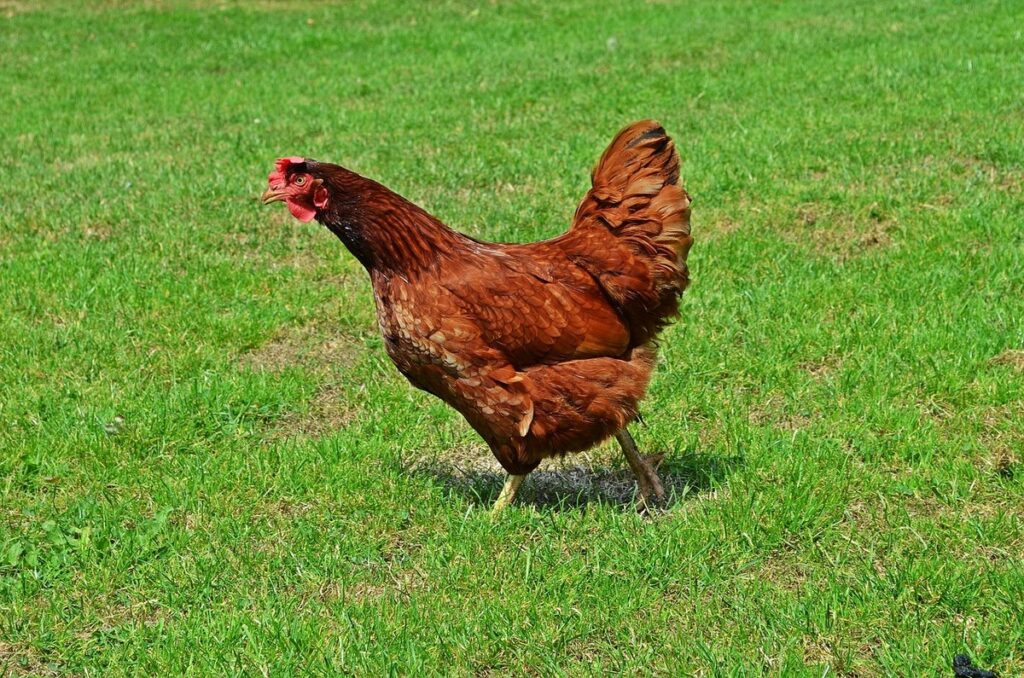
Understanding Green Egg Layers: What Are They?
If you’re new to green egg layers, you might be wondering what exactly sets them apart from other types of chickens. Let’s dive into the basics and explore their unique characteristics.
Definition and Origins
Green egg layers owe their unique trait to genetics. Specifically, it’s due to variations in porphyrin production that cause the eggs to take on a greenish hue. Porphyrins are responsible for creating the pigment that gives color to egg yolks and shells alike.
To break this down further, you might be wondering how exactly this genetic variation works. Essentially, some breeds of chicken have been bred over time to produce more porphyrin pigments in their eggs, leading to a range of colors beyond the usual brown or white eggs we often see in supermarkets.
A good example of green egg layers can be seen in the Araucana breed. This South American native has been prized for its striking blue and green eggs for centuries. The genetics behind this trait are fascinating – with a few simple tweaks to a chicken’s DNA, you can unlock an entire world of colorful egg possibilities.
Characteristics of Green Egg Layers
When it comes to identifying green egg layers, their physical characteristics play a crucial role. These birds are known for their unique plumage, which can vary depending on the breed but often features shades of green, blue, and copper. They tend to have iridescent feathers that reflect light, giving them an otherworldly appearance.
In terms of size, green egg layers typically fall within the medium to large category, making them a great choice for backyard chicken keepers who want to collect eggs regularly. Some popular breeds, such as the Araucana and Ameraucana, can weigh between 4-6 pounds, while others like the Easter Egger may reach up to 8 pounds.
Temperament-wise, green egg layers are often described as friendly and docile. They tend to be relatively easy-going and enjoy human interaction, making them an excellent choice for families or those new to chicken keeping. However, it’s essential to remember that individual personalities can vary within breeds, so it’s crucial to research the specific characteristics of your chosen breed before bringing them home. With proper care and attention, green egg layers can thrive in a backyard flock, providing not only delicious eggs but also a fun and rewarding experience for chicken enthusiasts.
The Benefits of Keeping Green Egg Layers
Keeping green egg layers can bring a range of benefits, from their unique characteristics to the rich flavor and nutrients they provide. In this next part, we’ll explore these advantages in more detail.
Environmental Impact
By choosing green egg layers for your backyard flock, you’re not only gaining access to high-quality eggs but also contributing to a more sustainable lifestyle. One of the most significant ways green egg layers can help is by reducing carbon footprints through local food production.
In contrast to large-scale industrial farms that often rely on extensive transportation networks to distribute their products, backyard flocks like yours produce fresh eggs right in your own yard. This means fewer emissions from trucks and a lower carbon footprint for the entire process. According to the United States Environmental Protection Agency (EPA), agricultural production is responsible for around 8% of total U.S. greenhouse gas emissions.
By keeping green egg layers, you can reduce this impact even further by growing your own feed using companion planting techniques or locally sourced grains. This approach not only minimizes transportation emissions but also promotes biodiversity in your garden. Not to mention the added benefit of having a steady supply of fresh eggs and reducing your reliance on industrial-scale farming operations that often prioritize profit over sustainability.
Unique Selling Point for Small Farmers or Hobbyists
If you’re a small farmer or backyard chicken enthusiast looking to differentiate yourself from larger commercial operations, green egg layers can be a unique selling point that sets you apart. These birds offer a distinct advantage when it comes to egg sales and customer interest.
One of the main benefits is increased customer loyalty due to the novelty of green eggs. Many consumers are willing to pay a premium for this specialty item, which can result in higher revenue streams for your farm or backyard chicken operation. Consider partnering with local restaurants, bakeries, or specialty food stores to offer these unique eggs as an exclusive product.
To capitalize on this opportunity, focus on marketing the characteristics that set green egg layers apart, such as their ability to lay large, bluish-green eggs and their friendly, docile temperament. Emphasize the health benefits of these eggs, which are rich in omega-3 fatty acids and have a higher nutritional value than traditional brown or white eggs.
By highlighting these unique features and characteristics, you can attract customers who are looking for something new and exciting, ultimately driving interest and sales in your green egg layer products.
Health Benefits of Green Egg Layers
Green egg layers have a number of surprising health benefits, from improving eye sight to boosting your immune system. Let’s take a closer look at these advantages!
Nutritional Content of Green Eggs
Green eggs are not just a fun phrase from Dr. Seuss’s beloved children’s book, but also a real-life phenomenon that has garnered attention for their potential health benefits. One of the key advantages of green eggs is their higher nutritional content compared to traditional brown or white eggs.
The yolk and white of green eggs contain higher levels of antioxidants like lutein and zeaxanthin, which can help protect your eyesight and reduce the risk of age-related macular degeneration. In fact, studies have shown that consuming eggs from green egg layers can increase the levels of these beneficial compounds in your blood by up to 5 times compared to eating brown or white eggs.
Moreover, green eggs also contain higher amounts of omega-3 fatty acids, vitamins A and E, as well as other essential minerals like iron and zinc. This is due to the unique genetic makeup of green egg layers, which are often cross-bred with heritage breeds known for their rich nutrient-dense egg production. By incorporating green eggs into your diet, you can reap these benefits and enjoy a more nutritious breakfast option.
Food Safety Considerations
When it comes to enjoying green eggs from your backyard flock, food safety is a top concern. Many of us are familiar with the risks associated with Salmonella and E. coli contamination, which can be present on poultry. However, proper handling and preparation practices can significantly minimize these risks.
To start, make sure your green egg layers are healthy and well-cared for. Regular vaccinations, clean living conditions, and access to fresh water and nutritious feed all contribute to their overall health. Before collecting eggs from the coop, always wash your hands thoroughly with soap and warm water. Next, gently collect the eggs from the nesting box, taking care not to crack them.
To store green eggs safely, keep them refrigerated at a temperature of 40°F (4°C) or below within two hours of collection. It’s also essential to cook your eggs until the yolks are firm and the whites are set. Hard-boiling is one of the best ways to kill any potential bacteria, ensuring that your green eggs are safe to eat.
Choosing the Right Breed for You
When selecting a green egg layer breed, it’s essential to consider factors such as temperament, size, and egg-laying capacity to ensure you find a perfect match. Let’s dive into what to look for in a breed that fits your needs.
Popular Breeds Known for Green Eggs
If you’re looking for chicken breeds that lay green eggs, you’ve come to the right place. One of the most popular breeds known for their blue-green egg-laying abilities is the Araucana. These birds are an ancient breed originating from Chile and can lay up to 180 blue or green eggs per year.
Another popular breed that lays green eggs is the Ameraucana. This breed was developed in the United States and is known for its gentle nature and high-quality eggs. They typically lay around 200 blue or green eggs annually, making them a favorite among backyard chicken keepers.
Easter Eggers are also worth mentioning as they can lay green or blue eggs depending on their genetic makeup. These birds are often considered pets rather than purebred chickens due to their friendly nature and variable egg colors. If you’re new to raising chickens, an Easter Egger might be a great place to start as they are relatively easy-going and low-maintenance.
When it comes to choosing a breed for its green eggs, consider factors such as egg production, temperament, and overall health. With the right breed and proper care, you can enjoy the benefits of having fresh green eggs from your very own backyard flock.
Considerations When Selecting a Breed
When choosing a green egg layer breed, there are several factors to consider beyond their unique characteristics. One crucial aspect is their egg-laying capacity. Some breeds, like the Easter Egger, can produce up to 280 eggs per year, while others may be more moderate. Consider how many eggs you need for your family or needs and choose a breed that meets those requirements.
Another important consideration is temperature tolerance. Green egg layers are often hardy birds, but some breeds are better suited to extreme temperatures than others. For example, the Ameraucana is known for its cold hardiness, while the Araucana excels in warm climates. If you live in an area with fluctuating temperatures, choose a breed that can adapt.
Finally, noise levels should also be taken into account. Some green egg layers are quieter than others, which may be important if you have close neighbors or prefer a more peaceful backyard environment. Research the specific characteristics of different breeds to ensure you find one that meets your needs.
Tips for Raising Green Egg Layers
If you’re considering raising green egg layers, here are some essential tips to help ensure their health and productivity. With these expert insights, you’ll be well on your way!
Nutrition and Health
When it comes to raising green egg layers, providing them with optimal nutrition and healthcare is crucial for their overall health and productivity. A balanced diet should consist of a high-quality layer feed as the main staple, supplemented with fresh fruits and vegetables to ensure they receive essential vitamins and minerals.
Consider adding oyster shells or crushed eggshells to their feed to support calcium intake, which is vital for strong eggshell production. You can also provide them with probiotics to maintain a healthy gut microbiome, boosting their immune system and overall health.
It’s also important to provide fresh water at all times, changing the water frequently to prevent bacterial growth. In addition, make sure they have access to a calcium-rich mineral block or grit to supplement their diet.
A well-balanced diet will not only improve their health but also contribute to increased egg production and better egg quality. Consult with a veterinarian or poultry expert to determine the best feed and supplements for your flock based on their specific needs and age.
Housing and Management
When it comes to raising green egg layers, providing them with suitable housing is crucial for their health and well-being. These birds require a spacious coop that can accommodate their needs comfortably. A general rule of thumb is to provide at least 3-4 square feet per bird inside the coop. This will give them enough room to move around, stretch their wings, and engage in natural behaviors.
In addition to ample space, ventilation is also essential for green egg layers. These birds are sensitive to ammonia buildup and can be susceptible to respiratory issues if they’re not provided with adequate airflow. Consider installing windows or vents that allow fresh air to circulate through the coop, especially during hot summer months. Predator protection is another critical aspect of their housing needs. Make sure the coop has secure doors and windows that can’t be easily opened from the outside.
Regular cleaning and maintenance are also vital to ensure a healthy environment for your green egg layers. Remove soiled bedding regularly, disinfect feeding and watering areas, and provide fresh water and food at all times.
Frequently Asked Questions about Green Egg Layers
We’ve gathered some of the most common questions about green egg layers and provided answers to give you a deeper understanding of these unique birds. Below, we address your pressing concerns directly.
Common Misconceptions and Concerns
One common misconception about green egg layers is that they produce eggs with a different taste. Some people assume that the vibrant color of their eggs indicates a stronger or more distinct flavor profile. However, research has shown that the taste of an egg’s content is largely determined by the chicken’s diet and not its eggshell color.
In reality, the taste difference between green and brown egg layers comes down to a few key factors: genetics, nutrition, and environment. For example, hens raised on pasture or fed with nutrient-rich feed tend to produce eggs with richer flavors regardless of their shell color. So, if you’re looking for eggs with distinct flavor profiles, it’s more about the farming practices used rather than the eggshell color.
Another concern readers may have is that green egg layers are more expensive to produce due to their unique genetic traits. While it’s true that some heritage breeds can be pricier, the cost difference between green and brown egg layers is often exaggerated. In reality, many commercial producers prioritize efficiency and profit margins over genetic diversity, which can lead to overpriced “exotic” egg varieties.
To put this into perspective: according to a 2020 study by the US Department of Agriculture, heritage breeds like Easter Eggers (which lay green eggs) are just as productive and cost-effective as their commercial counterparts. With proper management and care, these birds can thrive in a variety of settings – from backyard flocks to small-scale farms.
By understanding the facts behind green egg layers, you’ll be better equipped to make informed decisions about your next egg-laying investment. Whether you’re an experienced farmer or just starting out, it’s essential to separate myth from reality when choosing the right breed for your needs and budget.
Frequently Asked Questions
Can I raise green egg layers alongside other chicken breeds?
Yes, many small farmers and backyard chicken enthusiasts successfully integrate green egg layers with their existing flocks. When introducing new birds, make sure to provide a comfortable transition period, ensuring they get along and have enough space. This can help maintain a harmonious flock dynamic.
How do I ensure the nutritional content of green eggs meets my family’s needs?
To guarantee optimal nutrition from your green egg layers, focus on providing them with a balanced diet rich in omega-3 fatty acids, vitamins, and minerals. Consider consulting with a poultry expert or veterinarian to develop a customized feeding plan tailored to your flock’s specific needs.
Are there any specific health concerns I should be aware of when raising green egg layers?
Green egg layers are generally hardy birds but may be more susceptible to certain health issues due to their unique genetic makeup. Regular monitoring, proper vaccination schedules, and maintaining a clean living environment can help mitigate potential health risks.
Can green eggs replace my current egg production without any disruptions to my household routine?
Yes, green egg layers can seamlessly integrate into your existing flock or start-up plans, providing an abundance of fresh, nutritious eggs with minimal disruption. Start by gradually introducing the new birds and allowing them to adapt to their new environment before relying on them for a significant portion of your egg supply.
How do I store and handle green eggs to maintain their unique flavor and nutritional profile?
To preserve the distinctive characteristics of your green eggs, handle them gently and store them in a cool, dry place. Avoid washing or refrigerating them until just before consumption, as this can affect their flavor and texture. Consider sharing tips on proper egg handling with family members to ensure everyone enjoys these nutritious treats.