
Are you looking to add some excitement to your backyard flock? Or perhaps you’re curious about the nutritional benefits of eggs from unique birds? Let me introduce you to one of the most fascinating breeds of chicken: green egg laying chickens! These stunning birds are not only a delight to own, but their eggs also pack a punch when it comes to nutrition. With an impressive range of colors and characteristics, green egg laying chickens have become increasingly popular among backyard farmers and enthusiasts alike.
As you might expect, these remarkable birds lay the most amazing eggs – literally emerald-green in color! But what sets them apart from your average chicken? From their incredible nutritional value to their striking appearance, we’re about to dive into the world of green egg laying chickens. In this article, we’ll explore the advantages, characteristics, and benefits of these special birds, including how to care for them and incorporate their eggs into your diet.
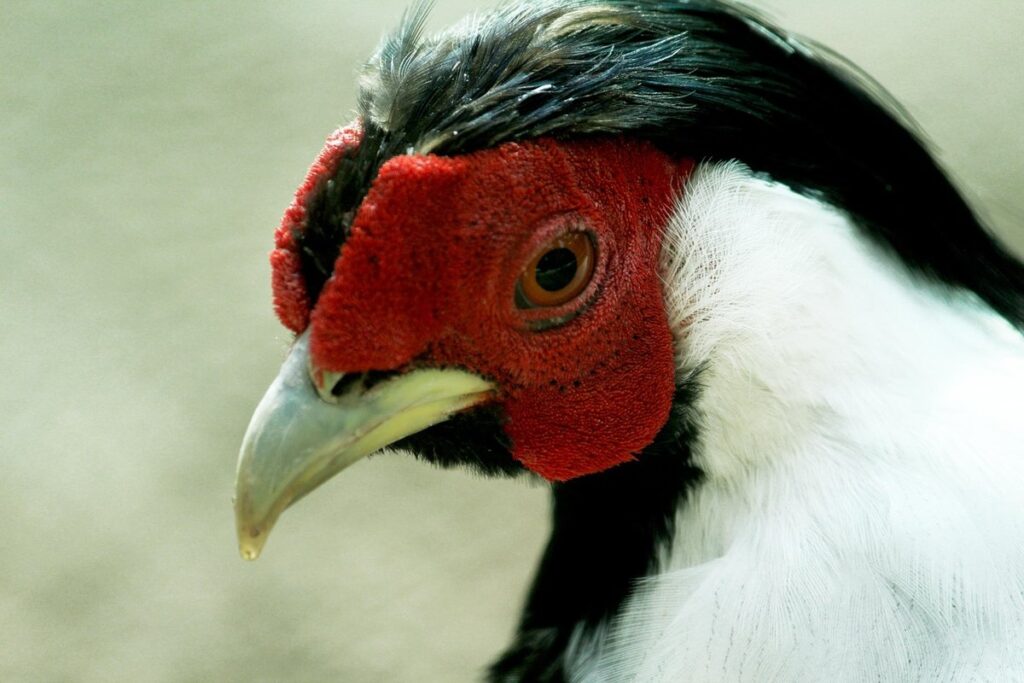
Understanding Green Egg Laying Chickens
If you’re considering getting green egg laying chickens, it’s essential to understand what makes them special and how their unique characteristics affect your care routine. We’ll dive into these details next.
Characteristics of Green Eggs
Green eggs are one of the most distinctive features of green egg laying chickens, and they’re not just a novelty – they’re also packed with nutrients. The appearance of green eggs can vary from light to deep blue-green, depending on the breed and diet of the chicken. Some breeds, like the Araucana and Ameraucana, are known for their blue-tinged eggs, while others may have a more vibrant green hue.
But what makes green eggs so special? For one thing, they’re an excellent source of antioxidants and omega-3 fatty acids. The pigments responsible for the egg’s color – biliverdin and bilibrubin – also give them a boost in nutritional value. Some studies have even shown that blue-green eggs may contain higher levels of vitamins A and E than their brown or white counterparts.
If you’re looking to try green eggs, be prepared for a flavor that’s often described as richer and more intense than regular eggs. They can be cooked just like any other egg – scrambled, fried, poached, or boiled – but some people prefer them raw or pickled. Whatever your preference, keep in mind that green eggs are a delicacy worth savoring!
Breeds That Lay Green Eggs
If you’re looking to get into green egg laying chickens, two breeds stand out from the rest: Araucanas and Ameraucanas. These birds are not only stunning to look at but also prolific layers of green eggs.
Araucanas are known for their striking appearance, with a mix of white, silver, or black feathers and a fluffy crest on top of their heads. They’re friendly birds that thrive in social environments, making them perfect for backyard flocks. In terms of egg-laying, Araucanas are reliable layers, producing around 180-200 green eggs per year.
Ameraucanas, on the other hand, have a more compact build and are often described as gentle giants. They’re also known for their ability to lay blue-green eggs, although some birds may produce fully green eggs. Ameraucanas are relatively quiet birds that are easy to integrate into existing flocks. As for egg production, they typically lay around 200-220 eggs per year.
Both breeds have unique characteristics, but what’s most important is that they’re both low-maintenance and hardy, making them perfect for backyard chicken keepers who want a fun and rewarding experience.
Health Benefits of Green Egg Laying Chickens
Green egg laying chickens offer a multitude of health benefits, from rich omega-3 eggs to improved backyard air quality and reduced stress levels. Let’s explore these advantages in more detail!
Nutritional Content of Green Eggs
Green eggs are a nutritional powerhouse, packed with essential vitamins and minerals that benefit human health. One of the key nutrients found in green eggs is vitamin D3, which is particularly important for bone health and immune function. In fact, studies have shown that individuals who consume foods rich in vitamin D3 experience improved mood and reduced risk of chronic diseases like heart disease and diabetes.
In addition to its high levels of vitamin D3, green eggs are also an excellent source of protein and omega-3 fatty acids. The protein content in green eggs makes them an ideal choice for vegetarians and vegans looking to boost their protein intake. Meanwhile, the omega-3 fatty acids found in these eggs have been shown to reduce inflammation and promote heart health.
You can incorporate green eggs into your diet by trying out recipes like green egg omelets, frittatas, or even adding them to salads for a nutrient-packed snack. One simple recipe is to scramble 2 green eggs with spinach and cherry tomatoes, served on whole-grain toast – it’s a delicious way to get in a dose of vitamin D3!
Immune System Boost from Green Egg Laying Chickens
Green eggs from green egg laying chickens are not only a delicious addition to your breakfast plate but also offer an immune system boost. These extraordinary birds have been shown to produce eggs with antimicrobial properties that can help combat illnesses.
Research has demonstrated that the yolks of green eggs contain higher levels of antioxidants and other beneficial compounds compared to their brown counterparts. This is due in part to the unique characteristics of the Marans breed, which has a distinct ability to convert sunlight into vitamin D. A study published in the Journal of Agricultural and Food Chemistry found that the antimicrobial peptides present in green egg yolks exhibited potent activity against certain strains of bacteria.
By consuming green eggs regularly, you can stimulate the production of white blood cells, crucial for fighting off infections. To reap these benefits, try incorporating green eggs into your diet at least twice a week. You can also consider adding them to omelets or frittatas for an extra boost of nutrition.
Caring for Green Egg Laying Chickens
When it comes to raising green egg laying chickens, their unique needs require attention to detail when it comes to their living environment and health. We’ll walk you through the essential care tips for a happy flock.
Housing and Environment Requirements
When it comes to housing and environment requirements for green egg laying chickens, providing them with adequate space is crucial. A good rule of thumb is to allocate about 4-5 square feet per bird inside the coop, and at least 8-10 square feet per bird in the run. This allows your birds to stretch their wings, exercise, and engage in natural behaviors.
In terms of ventilation, a well-designed coop should have windows or vents that allow for airflow and help regulate temperature. Aim for about 1/4 inch of space between the roof and the walls to ensure proper ventilation. Temperature control is also vital; green egg laying chickens prefer temperatures between 40°F and 80°F (4°C and 27°C). To create a suitable coop or run, consider adding bedding material like straw or pine shavings to absorb waste and odors.
When building or purchasing a coop, prioritize natural light, airflow, and easy access for cleaning. A predator-proof enclosure is also essential to safeguard your birds from external threats. By meeting these housing and environmental needs, you can help create a happy and healthy environment for your green egg laying chickens.
Diet and Nutrition Needs
Green egg laying chickens have specific dietary needs that are crucial to their health and productivity. These birds require a balanced diet rich in protein and calcium to produce high-quality eggs and maintain strong bones.
As a general rule, green egg laying chickens need about 16-20% of their daily calories to come from protein sources such as insects, mealworms, or commercial poultry feed that contains at least 15% crude protein. To supplement their diet, you can offer treats like sunflower seeds, pumpkin seeds, and squash.
Calcium is also essential for green egg laying chickens, particularly during the egg-laying phase when they need to replenish calcium stores in their bodies. You can provide a crushed oyster shell or dark leafy greens like kale, spinach, or broccoli as a natural source of calcium. However, be cautious not to overdo it with treats, as this can lead to obesity and other health issues.
By offering a well-balanced diet that meets their nutritional needs, you’ll be supporting the overall health and happiness of your green egg laying chickens.
Considerations for Raising Green Egg Laying Chickens
When raising green egg laying chickens, several key considerations come into play to ensure their health and well-being, and ultimately, a successful backyard flock. Proper planning is essential in this regard.
Pros and Cons of Keeping Them as Pets
Keeping green egg laying chickens as pets can be an incredibly rewarding experience, but it’s essential to weigh the pros and cons before bringing them home. On one hand, these birds provide endless entertainment with their playful antics and unique personalities. Children can learn valuable lessons about responsibility and empathy by caring for a chicken, making it an excellent educational opportunity.
On the other hand, green egg laying chickens do require regular attention, including daily feeding, watering, and cleaning of their coop. They also produce noise, which may not be suitable for everyone’s living situation. Moreover, these birds need adequate space to roam, exercise, and engage in natural behaviors, so a substantial backyard is necessary.
Before deciding to keep green egg laying chickens as pets, it’s crucial to research local laws and regulations regarding backyard chicken-keeping. Some municipalities have strict ordinances governing the number of chickens allowed on residential properties or the required minimum lot size for keeping them.
Tips for Beginners
If you’re new to raising chickens, introducing green egg laying birds to their new environment can be an exciting but intimidating experience. Start by setting up a safe and comfortable coop with adequate ventilation, nesting boxes, and perches for each bird. Make sure the enclosure is predator-proofed, as these attractive birds may attract unwanted attention.
Monitor your chickens’ health closely, especially during the first few weeks after introduction to their new home. Keep an eye out for signs of illness such as labored breathing, lethargy, or changes in droppings. Familiarize yourself with common chicken health issues and know when to seek veterinary care.
Regular parasite control is essential to prevent internal worms from causing harm to your birds. Check the droppings regularly, and treat any infestations promptly. Clean the coop frequently to minimize the risk of parasites spreading through the environment. Consult reputable resources or veterinarians for advice on effective de-worming methods and schedules.
As a beginner, it’s essential to be vigilant about providing a balanced diet and fresh water at all times. Ensure your chickens have access to calcium-rich feed or supplements to support strong eggshell production. Maintain a clean living space by collecting eggs daily and removing droppings promptly.
Fun Facts and Trivia About Green Egg Laying Chickens
Did you know that green egg laying chickens have some pretty cool quirks? Let’s get cracking on some fun facts and trivia to share!
Unique Behaviors and Traits
Green egg laying chickens are known to possess some remarkable and unique behaviors that make them truly special. One of their most fascinating traits is their ability to recognize individual humans. In fact, many owners have reported that their green egg laying chickens will greet them at the door or even come when called by name. This level of recognition and bonding is not only heartwarming but also a testament to the intelligence and affectionate nature of these birds.
Another characteristic that sets green egg laying chickens apart is their love for foraging. These birds are natural scavengers, and they thrive on exploring their surroundings in search of food. Providing them with a foraging area filled with hay, grasses, or other treats can keep them stimulated and engaged, making them happier and healthier. For example, you can create a “treasure hunt” by hiding treats or sunflower seeds around the coop or run, encouraging your green egg laying chickens to search and forage.
Green egg laying chickens are also known to be fiercely social birds that enjoy interacting with their flock members. They will often establish a pecking order, with dominant birds leading the way. To encourage socialization, it’s essential to provide enough space and enrichment activities for multiple hens to thrive together. By acknowledging and catering to these unique behaviors, you can build a stronger bond with your green egg laying chickens and create a more harmonious and fulfilling coop environment.
Historical Significance of Green Eggs
Green eggs have been a staple in many cultures for centuries, and their significance goes beyond just being a unique feature of green egg laying chickens. In ancient China, green eggs were considered a delicacy and were often served at special occasions due to their rarity. They were also believed to possess medicinal properties, with some cultures using them to treat ailments such as fever and digestive issues.
In Japan, green eggs have been used in traditional cooking for centuries, particularly in the preparation of sushi and tempura dishes. The unique color and flavor of green eggs made them a prized ingredient in many Japanese households. In Europe, green eggs were also highly valued for their supposed health benefits, with some cultures using them to make soups and stews.
If you’re considering raising green egg laying chickens, understanding their historical significance can be fascinating. While the exact origin of green eggs is unclear, it’s clear that they’ve played a significant role in many cultures’ culinary traditions.
Conclusion
In conclusion, green egg laying chickens bring immense joy and benefits to any backyard flock. With their unique eggs that range from olive to teal in color, they add an extra touch of personality to your farm or homestead. If you’re considering adding a few green egg layers to your flock, remember that they require the same care as any other chicken breed. Make sure to provide them with plenty of space to roam, nutritious food and water, and regular health checks. By doing so, you’ll be rewarded with not only delicious eggs but also a fun and entertaining addition to your family. With proper care and attention, green egg laying chickens can thrive and become a beloved part of your homesteading experience.
Frequently Asked Questions
Can I hatch green egg laying chicken eggs on my own?
No, it’s generally recommended to purchase chicks from reputable breeders or suppliers that specialize in green egg laying chickens. This ensures you get the specific breed and quality of bird you’re looking for.
How do I know if a green egg laying chicken is healthy?
Look for signs of vitality like shiny feathers, active behavior, and a clean, dry nest area. Check their eyes, beak, and feet for any signs of illness or injury. Regular health checks by a veterinarian can also help identify potential issues early on.
Are green eggs just as nutritious when cooked versus raw?
While the nutritional value of green eggs remains high regardless of cooking method, some nutrients like vitamin B12 may be lost during cooking. However, the egg’s emerald-green color is primarily due to its unique pigments, which remain intact even after cooking.
Can I crossbreed other chicken breeds with green egg laying chickens?
Crossbreeding can be a complex and unpredictable process, especially when it comes to characteristics like egg color. It’s generally best to start with high-quality purebred green egg laying chickens from trusted breeders to ensure the desired traits are passed on.
How do I store green eggs safely at home?
Store green eggs in a cool, dry place away from direct sunlight and drafts. Refrigerate them immediately after collection and consume within 7-10 days for optimal freshness and nutritional value. Wash your hands before handling eggs to prevent contamination.