
Are you looking to start a backyard flock or optimize your meat production on a larger scale? One popular breed that’s gaining attention is the Black Rock pullet. Known for their impressive growth rate, feed efficiency, and disease resistance, these birds are a favorite among poultry enthusiasts and commercial producers alike.
In this article, we’ll delve into the advantages of raising Black Rock pullets, exploring their benefits in meat production, including their ability to grow at an incredible pace, convert feed into weight efficiently, and withstand common health issues. We’ll also discuss the specific requirements for keeping these birds healthy and thriving, so you can make informed decisions about incorporating them into your poultry operation or flock. Whether you’re a seasoned farmer or a backyard chicken keeper, you won’t want to miss this rundown on Black Rock pullets.
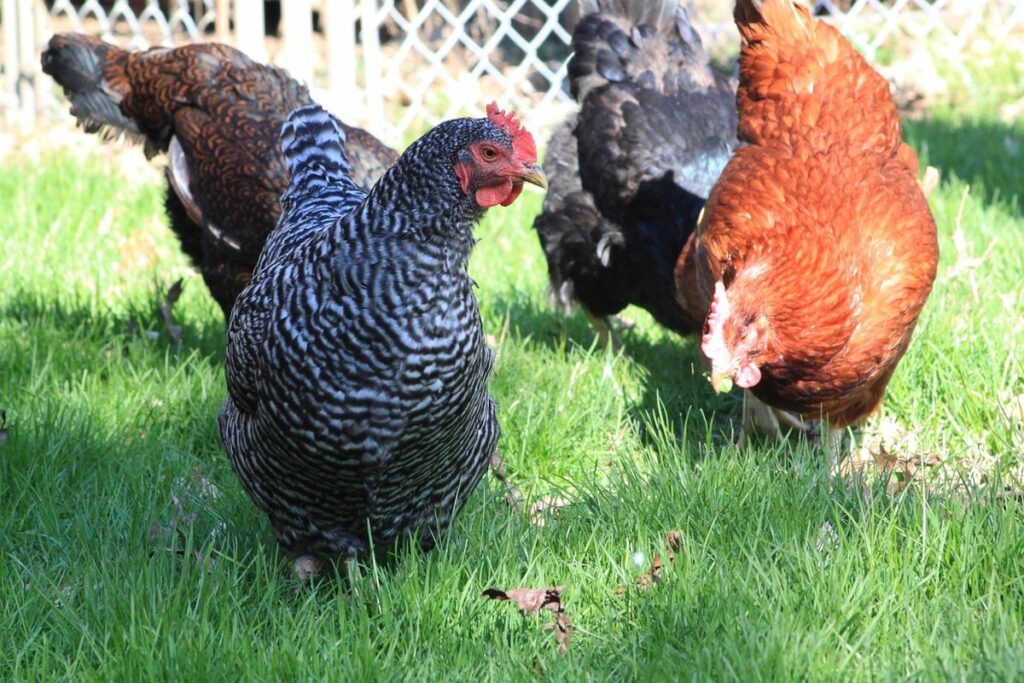
What are Black Rock Pullets?
Black Rock pullets are a popular breed of chicken known for their unique characteristics and benefits. Let’s take a closer look at what makes these birds so special in this section.
Origin and History
The origins of the Black Rock chicken breed date back to the 1940s and 1950s in the United States. Developed by crossing various breeds including the Plymouth Rock, New Hampshire, and Rhode Island Red, the goal was to create a hardy, dual-purpose bird that excelled in both egg production and meat quality.
The name “Black Rock” is believed to have come from the breed’s characteristic black plumage and rugged, rock-like constitution. This robustness made them well-suited for harsh farm conditions, where they were often used as a reliable source of eggs and meat.
One of the key factors in the Black Rock’s development was its ability to thrive in poor weather conditions and withstand diseases prevalent at the time. By combining the strengths of these various breeds, poultry farmers created a resilient bird that could adapt to challenging environments.
Today, the Black Rock remains a popular choice among backyard chicken enthusiasts due to its versatility and hardiness. If you’re considering raising Black Rock pullets on your farm or in your backyard, understanding their origins can help you appreciate their unique characteristics and benefits.
Breed Standards and Physical Characteristics
The Black Rock breed is characterized by its distinctive physical features, which set it apart from other chicken breeds. One of the most noticeable characteristics of the Black Rock pullet is its plumage. These birds have a glossy black coat with a subtle sheen, giving them an impressive appearance in the coop or at shows.
In terms of body type, Black Rock pullets are known for their compact and muscular build. They have a broad breast and well-sprung ribs, which enable them to produce plenty of eggs without sacrificing their overall health and vigor. Their beak shape is also quite distinctive – strong and straight with a slight curve at the tip.
When selecting a Black Rock pullet, look for birds that exhibit these physical characteristics. A good breeder will prioritize these traits when breeding stock, ensuring that the resulting offspring inherit the breed’s signature features. By choosing a bird with the right combination of plumage, body type, and beak shape, you’ll be well on your way to raising healthy, productive hens that are sure to impress.
Advantages of Raising Black Rock Pullets for Meat Production
Raising black rock pullets can be a highly rewarding and profitable venture, especially when it comes to meat production. In this next part, we’ll explore some of the key advantages of raising these birds.
Fast Growth Rate
Black Rock pullets are renowned for their exceptional growth rate, making them an ideal choice for meat production. These birds are bred specifically to thrive under intensive conditions, enabling farmers to achieve rapid growth and maximize profits. The genetic makeup of Black Rock pullets is designed to accelerate their development, allowing them to reach market weight in a shorter timeframe compared to other breeds.
One of the key factors contributing to the fast growth rate of Black Rock pullets is their high feed conversion ratio. This means that they can efficiently convert feed into muscle mass, resulting in faster weight gain and improved productivity. For instance, studies have shown that Black Rock pullets can grow from 1 kg to 3 kg in just 18-20 weeks, making them an attractive option for farmers seeking rapid returns on investment.
To make the most of the fast growth rate of Black Rock pullets, it’s essential to provide them with a balanced diet and optimal living conditions. Farmers should also ensure that they have adequate space and resources to meet the birds’ needs, as this will help to maintain their health and productivity throughout the production cycle. By doing so, farmers can unlock the full potential of these remarkable birds and reap the rewards of their exceptional growth rate.
Feed Efficiency
Black Rock pullets are renowned for their exceptional feed efficiency, which means they can convert feed into weight gain with remarkable precision. This characteristic is especially valuable for meat producers who aim to minimize costs while maximizing profits.
Research has shown that Black Rock chickens require approximately 1.5-2 kg of feed to produce 1 kg of body weight, a ratio that is significantly better than many other breeds. To put this into perspective, consider a broiler farm producing 1000 birds per batch. If you can achieve an average growth rate with just 1.75 kg of feed per kilogram of live weight gain, the savings will be substantial.
To enhance feed efficiency in your Black Rock flock, ensure that they have access to clean water at all times and maintain a well-balanced diet. Regular health checks can also help prevent diseases that may compromise growth rates and appetite. By adopting best practices such as these, you can reap the rewards of high feed conversion rates with your Black Rock pullets.
Disease Resistance and Hardiness
One of the key advantages of raising Black Rock pullets for meat production is their disease resistance and hardiness. This breed has been bred to withstand various health challenges that can be prevalent in poultry farming. For instance, they are known to have a natural immunity against certain strains of Newcastle disease and avian influenza.
Their robust constitution also enables them to recover quickly from infections, which reduces the need for antibiotics and makes them a better choice for producers looking to raise healthier birds. In fact, studies have shown that Black Rock pullets tend to have lower mortality rates compared to other breeds.
In terms of hardiness, Black Rocks are well-suited to hot and humid climates, making them an excellent choice for farmers in tropical regions. They can also thrive in confinement systems with adequate ventilation, which makes them suitable for a wide range of production settings. Overall, the disease resistance and hardiness of Black Rock pullets make them a reliable option for meat producers looking for a low-maintenance breed.
Nutritional Requirements and Management Tips for Raising Black Rock Pullets
To raise healthy black rock pullets, it’s essential to understand their nutritional requirements and implement effective management strategies from a young age. A well-planned approach will ensure optimal growth and performance.
Dietary Needs
Black Rock pullets require a balanced diet that meets their unique nutritional needs. As you’re likely aware, these birds are bred for their hardiness and egg-laying abilities. To support their growth and productivity, it’s essential to provide them with the right amount of protein and energy.
The recommended protein level for Black Rock pullets is around 16-18% during the grow-out phase. This can be achieved by feeding a commercial layer feed that meets or exceeds this requirement. However, if you’re looking for a more cost-effective option, you can consider supplementing with live oysters or fish meal to boost protein levels.
In terms of energy content, Black Rock pullets require around 1.2-1.4 megacalories (Mcal) per pound of body weight per day. To put this into perspective, if you’re raising a flock of Black Rock pullets with an average weight of 3 pounds each, they’ll need approximately 3.6-4.2 Mcal of energy per day.
When selecting feed for your Black Rock pullet flock, look for products that meet these nutritional requirements and are formulated specifically for layer breeds. By providing the right diet, you can help optimize their growth rates, egg production, and overall health.
Brooding and Housing Considerations
When it comes to raising healthy and thriving black rock pullets, providing suitable housing and brooding conditions is crucial. A safe and comfortable environment will not only promote growth but also prevent stress-related issues.
For optimal growth, ensure that the brooder is well-ventilated and kept at a temperature of around 90°F (32°C) for the first few weeks after hatching. You can use heat lamps or thermostatically controlled brooders to maintain this temperature. Keep in mind that black rock pullets are sensitive to drafts, so avoid placing them near windows or doors.
As your pullets grow and mature, they’ll need more space to move around comfortably. A good rule of thumb is to provide at least 2-3 square feet (0.2-0.3 square meters) per bird inside the coop. Consider adding nesting boxes, roosts, and adequate ventilation to create a stress-free environment.
Remember to introduce your pullets to their new surroundings gradually, allowing them to adjust to the sights, sounds, and smells of their new home. This will help prevent stress-related issues like feather pecking or cannibalism.
Health Considerations and Disease Prevention in Black Rock Flocks
When it comes to caring for your new black rock pullets, it’s essential to understand how to keep them healthy and prevent disease from taking hold. This section will cover key health considerations specific to these birds.
Common Health Issues
When it comes to raising Black Rock pullets, one of the most critical considerations is their health and well-being. As with any flock, there are potential health issues that may affect your birds, and being aware of these can help you take proactive steps to prevent them.
Marek’s disease is a significant concern for many chicken keepers, including those raising Black Rock pullets. This viral disease can cause a range of symptoms, from weight loss and depression to severe neurological problems. To minimize the risk of Marek’s disease in your flock, make sure to maintain good hygiene practices, provide adequate ventilation, and ensure that your birds have access to clean water at all times.
Parasites are another common issue affecting chicken flocks. These can include external parasites like mites, lice, and fleas, as well as internal parasites such as worms. Regular cleaning of the coop, removal of soiled bedding, and use of diatomaceous earth or other anti-parasitic powders can help to keep these pests under control.
It’s essential to monitor your birds regularly for signs of illness or stress, and to seek veterinary advice if you notice any unusual symptoms. By staying vigilant and taking proactive steps to prevent health issues, you can enjoy a healthy and thriving Black Rock flock.
Vaccination and Biosecurity Practices
When it comes to maintaining the health and well-being of your Black Rock pullets, vaccination and biosecurity practices play a crucial role in preventing disease outbreaks. A well-planned vaccination schedule is essential to protect your flock from various diseases that can impact their productivity and overall health.
For example, black rock pullets are susceptible to Marek’s disease, a viral disease that can cause significant mortality rates if left unchecked. To prevent this, many farmers opt for a vaccine at day 1 of age, followed by a booster shot 2-3 weeks later. Another key disease to consider is Infectious Bronchitis (IB), which can cause respiratory issues in pullets.
To implement effective biosecurity practices, make sure to:
* Implement strict cleaning and disinfection protocols
* Limit human access to the flock area and ensure that all visitors wear proper PPE (personal protective equipment)
* Keep the surrounding environment clean and free of debris, which can harbor pathogens
* Ensure regular monitoring for signs of disease in your flock.
Regular vaccination and biosecurity practices will help you protect your Black Rock pullets from potential health risks.
Comparison with Other Meat Chicken Breeds
When it comes to meat chicken breeds, how does the Black Rock pullet compare to its counterparts? Let’s take a closer look at its differences in growth rate and production.
Performance Comparison
When it comes to performance, Black Rock pullets stand out among other popular meat chicken breeds. In terms of growth rate, Black Rocks are known for their impressive feed conversion ratio (FCR), reaching market weight in a relatively short period while requiring minimal feed.
For instance, according to data from a large-scale commercial farm, Black Rocks grew an average of 2.5 pounds per day, outperforming other breeds like the Ross 308 by about 10%. Similarly, when it comes to feed efficiency, Black Rocks have been shown to require up to 15% less feed than similar breeds.
This is likely due to their high-quality genetics and efficient metabolism. To put this into perspective, a flock of 1,000 Black Rock pullets can save around $5-7 per bird in feed costs compared to other breeds. This not only improves profitability for farmers but also reduces the environmental impact associated with large-scale poultry production.
By choosing Black Rock pullets, farmers and growers can reap these benefits and improve their overall operation’s performance.
Suitability for Different Farming Systems
Black Rock chickens are an incredibly versatile breed that can thrive in various farming settings. Whether you’re operating a small backyard farm or managing a large commercial operation, Black Rocks have proven themselves to be suitable for different scales of production.
In terms of small-scale backyard farming, Black Rock pullets excel due to their compact size and moderate egg-laying capacity (around 200 brown eggs per year). They require less space and feed compared to larger breeds, making them an ideal choice for urban or rural homesteads. Plus, their friendly and docile nature makes them perfect for children to help with daily chores.
For large commercial operations, Black Rock chickens can be a great option due to their high egg production (up to 320 brown eggs per year) and robust health. They are relatively low-maintenance birds that can withstand various climates and management systems.
Tips for Raising Healthy and Happy Black Rock Pullets
Caring for your new black rock pullet flock requires attention to their specific needs, from nutrition to habitat. Here are some essential tips to get you started on a happy and healthy journey.
Integrated Pest Management
When it comes to raising healthy and happy Black Rock pullets, it’s essential to consider their living environment and implement integrated pest management (IPM) practices. This approach not only reduces chemical use but also promotes a healthy environment for your birds.
To begin with, IPM involves monitoring your flock regularly for signs of pests such as mites, lice, and flies. Keep an eye out for unusual behaviors like excessive feather pecking or lethargy, which can indicate the presence of internal parasites. Use sticky traps or pitfall traps to capture external pests, and implement good hygiene practices like regular cleaning and disinfecting of coops and feeding areas.
You can also use natural deterrents like diatomaceous earth, a non-toxic powder that dehydrates insects, or neem oil, which repels pests. Additionally, provide your Black Rock pullets with a balanced diet that includes ingredients rich in omega-3 fatty acids, vitamins, and minerals to boost their immune system.
By adopting these IPM practices, you’ll be creating a healthy environment for your birds while minimizing the use of chemicals. This approach will also help you develop a more intuitive understanding of your flock’s needs and habits, enabling you to make informed decisions about their care.
Training and Handling Techniques
When it comes to raising healthy and happy black rock pullets, proper training and handling techniques are crucial for ensuring a safe and humane management of the flock. One of the most effective ways to establish trust with your birds is through gentle and consistent handling from an early age.
To achieve this, start by getting your pullets used to their surroundings and you. Move slowly and calmly around them, speaking softly to avoid startling them. Gently pick up a bird and hold it securely but not too tightly, making sure its wings are covered with one hand. This will help the birds associate being handled with positive experiences.
It’s also essential to introduce training techniques such as offering treats for desired behaviors like stepping onto a scale or into a crate. Reward your pullets consistently for calm behavior, and avoid punishment or physical restraints which can lead to stress and anxiety. With patience and consistency, you’ll be able to establish a strong bond with your black rock pullets, making the management process much easier and more enjoyable.
Frequently Asked Questions
Can I raise Black Rock pullets for eggs as well as meat?
Yes, one of the benefits of Black Rock pullets is their dual-purpose nature, making them suitable for both egg production and meat quality. However, if you’re looking to focus on meat production, it’s essential to provide adequate space and nutrition to optimize growth rates.
How do I ensure disease resistance in my Black Rock flock?
To promote disease resistance in your Black Rock pullets, maintain a clean living environment, ensure proper ventilation, and follow vaccination protocols. Additionally, implement integrated pest management practices to minimize stress on the birds, which can weaken their immune system.
What’s the ideal age for slaughtering Black Rock pullets for meat production?
The optimal slaughter age for Black Rock pullets depends on factors like market demand, growth rates, and desired carcass weight. Generally, they’re ready for slaughter at around 12-16 weeks of age, but this may vary depending on your specific operation.
Can I raise Black Rock pullets in confinement or should I opt for free-range systems?
Both confinement and free-range systems have their advantages and disadvantages when it comes to raising Black Rock pullets. Confinement can lead to better feed efficiency and disease control, while free-range systems promote natural behavior and can improve meat quality. Consider your resources and goals before making a decision.
How do I manage heat stress in my Black Rock flock during hot summer months?
To mitigate heat stress in your Black Rock pullets, ensure adequate shade, ventilation, and access to cool water at all times. You may also consider using evaporative cooling systems or providing fans to circulate air and reduce temperatures. Monitor temperature and humidity levels closely to prevent heat-related issues.